Empowering Oromo Mothers: Building Stronger Communities
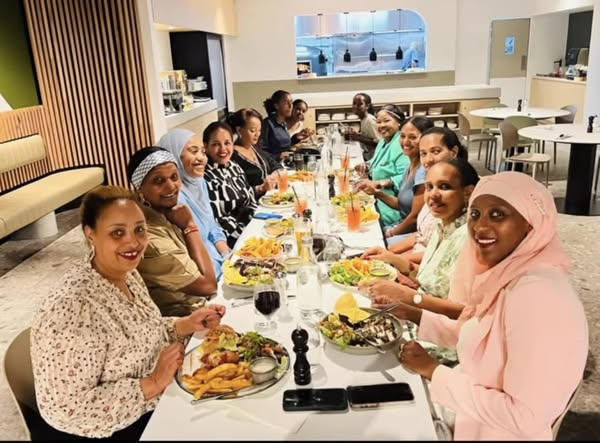
The role of Oromo mother’s aspirations in raising the next generation is indeed significant, as cultural values, traditions, and community ties are deeply embedded in the upbringing of children. Oromo mothers, like many mothers globally, often prioritize the care and nurturing of their children, sometimes at the expense of their own safety and wellbeing. This selflessness is a testament to their dedication, but it also highlights the need for a balanced approach that ensures their own health and happiness.
The “coming together” opportunity held on Wednesday, February 26, 2025—through collective efforts—can play a crucial role in maintaining relationships and wellbeing among Oromo mothers. Here’s how:
1. Community Support: When Oromo mothers come together, they can share responsibilities, reducing the burden on individuals. This collective approach allows them to support one another, creating a network of care that benefits both mothers and children.
2. Cultural Preservation: Such gatherings provide a space to pass down Oromo traditions, language, and values to the next generation. This not only strengthens cultural identity but also fosters a sense of pride and belonging among mothers and children alike.
3. Emotional Wellbeing: Social connections are vital for mental health. By coming together, Oromo mothers can share their experiences, challenges, and joys, creating a support system that helps alleviate stress and isolation.
4. Empowerment: Collective efforts can lead to initiatives that address the specific needs of Oromo mothers, such as access to healthcare, education, and economic opportunities. This empowerment can improve their overall wellbeing and enable them to better care for their children.
5. Role Modeling: When children see their mothers actively participating in community life and prioritizing their own wellbeing, they learn the importance of balance, self-care, and community involvement. This can have a lasting impact on their own values and aspirations.
In summary, the “coming together” opportunity can strengthen relationships, enhance wellbeing, and ensure that Oromo mothers are supported in their dual roles as caregivers and cultural custodians. By fostering a sense of community and shared responsibility, these gatherings can create a sustainable environment where both mothers and children thrive.

Posted on February 27, 2025, in Uncategorized. Bookmark the permalink. Leave a comment.




 Advocacy for Oromia
Leave a comment
Comments 0