Understanding the Oromo Freedom Flag’s Symbolism
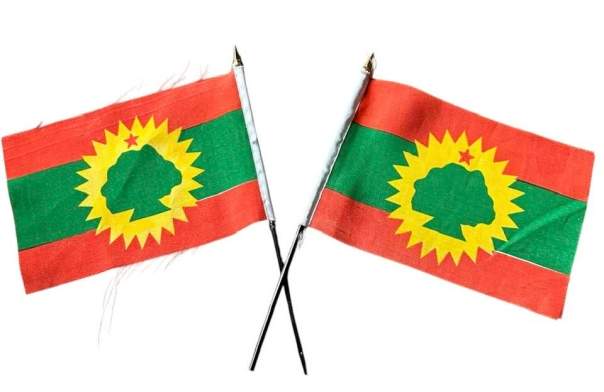
The **Oromo freedom flag** is a powerful symbol that encapsulates the **aspirations, struggles, and hopes** of the Oromo people for freedom, justice, and self-determination. Each element of the flag carries deep meaning, reflecting the Oromo people’s connection to their land, culture, and history, as well as their vision for a brighter future. Below is an exploration of how the Oromo freedom flag defines Oromo aspirations and hope for freedom:
1. The Colors of the Flag
The Oromo freedom flag consists of three horizontal stripes: **green**, **red**, and **yellow**, with a **central tree symbol (Odaa)**. Each color represents a core aspect of the Oromo struggle and aspirations:
A. Green
– **Symbolism**: Represents the fertile land of Oromia, the Oromo people’s deep connection to their environment, and their agricultural heritage.
– **Aspiration**: Reflects the hope for a prosperous and sustainable future, where the Oromo people can thrive on their ancestral lands.
– **Freedom**: Signifies the Oromo people’s right to control and benefit from their natural resources, free from exploitation and dispossession.
B. Red
– **Symbolism**: Represents the blood shed by Oromo heroes and heroines in the struggle for freedom, justice, and equality.
– **Aspiration**: Embodies the courage, sacrifice, and resilience of the Oromo people in their fight against oppression.
– **Freedom**: Symbolizes the ongoing struggle for liberation and the determination to achieve self-determination.
C. Yellow
– **Symbolism**: Represents hope, prosperity, and the bright future that the Oromo people aspire to achieve.
– **Aspiration**: Reflects the vision of a just and equitable society where the Oromo people can live with dignity and pride.
– **Freedom**: Signifies the optimism and belief in a future where the Oromo people are free to determine their own destiny.
2. The Central Tree Symbol (Odaa)
The **Odaa tree** is a sacred symbol in Oromo culture and holds profound significance in the Oromo freedom flag:
A. Cultural Significance
– **Gadaa System**: The Odaa tree is a symbol of the **Gadaa system**, the traditional Oromo democratic governance system that emphasizes equality, justice, and collective decision-making.
– **Unity and Democracy**: Represents the Oromo people’s commitment to unity, democracy, and inclusive governance.
B. Aspiration for Freedom
– **Rootedness**: The Odaa tree symbolizes the Oromo people’s deep roots in their land and culture, emphasizing their right to self-determination and autonomy.
– **Growth and Renewal**: Reflects the hope for growth, renewal, and a flourishing future for the Oromo people.
3. The Flag as a Unifying Symbol
– **Identity and Pride**: The Oromo freedom flag serves as a unifying symbol of Oromo identity, culture, and pride, fostering a sense of belonging and solidarity among the Oromo people.
– **Resistance and Resilience**: It represents the Oromo people’s resistance against oppression and their resilience in the face of adversity.
– **Global Recognition**: The flag has become a recognized symbol of the Oromo struggle on the global stage, raising awareness and garnering support for their cause.
4. The Flag in the Oromo Struggle
– **Protests and Demonstrations**: The flag is prominently displayed during protests, rallies, and demonstrations, symbolizing the Oromo people’s collective demand for freedom and justice.
– **Cultural Celebrations**: It is celebrated during cultural events like **Irreecha (Oromo Thanksgiving)**, reinforcing its role as a symbol of hope and unity.
– **Diaspora Engagement**: The flag is widely used by the Oromo diaspora to express solidarity with the struggle and maintain a connection to their homeland.
5. The Flag’s Message of Hope
– **A Brighter Future**: The Oromo freedom flag embodies the hope for a future where the Oromo people can live freely, govern themselves, and preserve their culture and traditions.
– **Justice and Equality**: It represents the aspiration for a society where justice, equality, and human rights are upheld for all.
– **Self-Determination**: The flag is a powerful reminder of the Oromo people’s right to self-determination and their determination to achieve it.
The Oromo freedom flag is much more than a piece of cloth; it is a profound symbol of the Oromo people’s **aspirations, struggles, and hopes** for freedom, justice, and self-determination. Through its colors and symbols, the flag tells the story of a people deeply connected to their land, culture, and history, and their unwavering commitment to building a brighter future. It serves as a beacon of hope, unity, and resilience, inspiring the Oromo people to continue their struggle for liberation and equality.

Posted on February 28, 2025, in Uncategorized. Bookmark the permalink. Leave a comment.




 Advocacy for Oromia
Leave a comment
Comments 0