Monthly Archives: February 2025
One flag. One people. One Oromia!
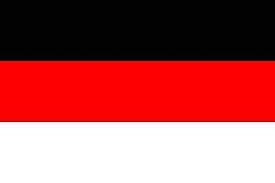
The traditional Oromo flag consists of three horizontal stripes of black, red, and white, each with its own symbolic meaning. However, if you are referring to a variation or a specific interpretation of the flag, it’s important to clarify its design and symbolism. Below, I’ll provide an explanation based on the traditional Oromo flag and address the colors you mentioned (red, green, and red) in case this refers to a different or modified version.
Traditional Oromo Freedom Flag
The Oromo Freedom Flag is a powerful symbol of the Oromo people’s identity, struggle, and aspirations. Its traditional design consists of three horizontal stripes:
- Black (Top Stripe):
- Represents the Oromo people themselves, their identity, and their resilience in the face of historical oppression and marginalization.
- Symbolizes the strength and unity of the Oromo nation.
- Red (Middle Stripe):
- Stands for the blood shed by Oromo heroes and heroines in the struggle for freedom, justice, and equality.
- Represents sacrifice, courage, and the ongoing fight for self-determination.
- White (Bottom Stripe):
- Symbolizes peace, hope, and the aspiration for a future where the Oromo people can live in dignity and harmony.
- Reflects the desire for reconciliation, justice, and a brighter future for Oromia.
This flag is widely recognized as a symbol of the Oromo liberation movement and is deeply cherished by the Oromo people.
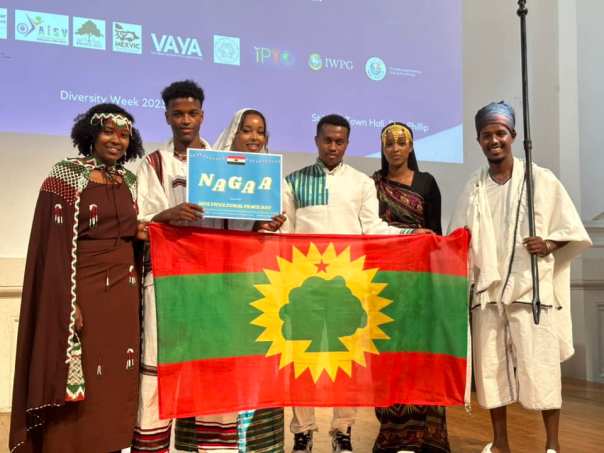
The Flag with Red, Green, and Red colours
A flag with the colors red, green, and red is also associated with a specific Oromo movement. Here’s a possible interpretation of these colors:
- Red (Top and Bottom Stripes):
- Represents the blood shed in the struggle for freedom, justice, and self-determination.
- Symbolizes courage, sacrifice, and the resilience of the Oromo people.
- Green (Middle Stripe):
- Represents the land of Oromia, its natural beauty, and its fertility.
- Symbolizes hope, growth, and the aspiration for a prosperous and sustainable future.
This combination of colors could reflect a focus on the connection between the Oromo people and their land, as well as their ongoing struggle for rights and recognition.
Symbolism of the Oromo Freedom Flag (Regardless of Design)
- Unity and Identity: The flag serves as a unifying symbol for the Oromo people, reminding them of their shared history, culture, and aspirations.
- Resistance and Liberation: It represents the Oromo people’s resistance against oppression and their fight for justice, equality, and self-determination.
- Hope and Future: The flag embodies the hope for a peaceful and prosperous future where the Oromo people can thrive as a free and self-determined nation.
Importance of the Oromo Freedom Flag
- Cultural Pride: The flag is a source of pride for the Oromo people, symbolizing their rich heritage and enduring spirit.
- Political Symbol: It is a rallying point for Oromo political movements, such as the Oromo Liberation Front (OLF), and serves as a symbol of their struggle for rights and recognition.
- Global Recognition: The flag is recognized by Oromo communities worldwide, fostering a sense of belonging and solidarity among the diaspora.
Conclusion
Whether the Oromo Freedom Flag is black, red, and white or red, green, and red, it remains a powerful symbol of the Oromo people’s identity, struggle, and aspirations. It represents their resilience in the face of historical injustices, their ongoing fight for freedom and equality, and their hope for a peaceful and prosperous future. The flag is a unifying emblem that inspires the Oromo people to stand together as One People under One Flag for One Oromia.
One flag. One people. One Oromia!
“One Flag. One People. One Oromia!” is a powerful and unifying slogan that encapsulates the spirit of unity, identity, and collective aspiration among the Oromo people. It reflects the deep sense of pride in Oromo culture, history, and the shared vision for a future where the Oromo people can thrive as a united and self-determined community. Here’s a deeper look into the meaning and significance of this slogan:
One Flag
- The Oromo flag is a symbol of Oromo identity, resistance, and hope. Its colors—black, red, and white—carry profound meanings:
- Black represents the Oromo people and their resilience in the face of historical oppression and marginalization.
- Red symbolizes the sacrifices made by Oromo heroes and heroines in the struggle for freedom, justice, and equality.
- White stands for peace, hope, and the aspiration for a brighter future.
- The flag is not just a piece of cloth; it is a rallying point for the Oromo people, a reminder of their shared history, and a beacon of their collective dreams.
One People
- The Oromo are the largest ethnic group in Ethiopia and one of the largest in Africa, with a rich cultural heritage, language (Afaan Oromo), and traditions like the Gadaa system.
- Despite being divided by regional and political boundaries, the Oromo people share a common identity, history, and destiny. The slogan emphasizes the importance of unity and solidarity among all Oromo, regardless of differences.
- It calls for the Oromo to stand together as one people, celebrating their diversity while working toward common goals of justice, equality, and self-determination.
One Oromia
- Oromia is the homeland of the Oromo people, a region rich in natural resources, culture, and history. The slogan highlights the vision of a united and prosperous Oromia where the Oromo people can exercise their rights, preserve their culture, and determine their future.
- It also reflects the aspiration for self-determination, whether within a federal Ethiopia or as an autonomous entity, where the Oromo people can govern themselves and protect their land, resources, and identity.
- The call for “One Oromia” is a reminder of the need to address historical injustices, such as land dispossession and political marginalization, and to build a future where Oromia thrives as a symbol of peace, justice, and progress.
The Spirit of the Slogan
- Unity: The slogan calls for unity among the Oromo people, transcending regional, political, and social divisions. It reminds the Oromo that their strength lies in their collective identity and shared purpose.
- Resistance and Resilience: It honors the struggles of past and present Oromo generations who have fought for freedom, justice, and recognition.
- Hope and Aspiration: It looks forward to a future where the Oromo people can live with dignity, peace, and prosperity, free from oppression and marginalization.
Broader Implications
- Cultural Pride: The slogan reinforces pride in Oromo culture, language, and traditions, encouraging the younger generation to embrace and preserve their heritage.
- Political Mobilization: It serves as a rallying cry for political movements like the Oromo Liberation Front (OLF) and others advocating for Oromo rights and self-determination.
- Global Solidarity: The slogan resonates with Oromo diaspora communities worldwide, fostering a sense of belonging and connection to their homeland.
Conclusion
“One Flag. One People. One Oromia!” is more than just a slogan—it is a declaration of identity, a call for unity, and a vision for the future. It embodies the hopes, struggles, and dreams of the Oromo people, reminding them of their shared history and collective destiny. As the Oromo continue their journey toward justice, equality, and self-determination, this slogan will remain a powerful symbol of their resilience and unwavering spirit.
Urgent Need for Peace Talks in Oromia Region

The ongoing political conflict in Oromia is indeed having severe consequences for security, governance, democracy, and human rights in the region. The violence and instability have led to loss of lives, displacement of communities, and destruction of property, exacerbating the suffering of the Oromo people and undermining efforts to build a stable and inclusive political system. To address this crisis, peaceful and political dialogue among the key stakeholders—the Oromia Prosperity Party (OPP), the Oromo Liberation Front (OLF), the Oromo Federalist Congress (OFC), and the Oromo Liberation Army (OLA)—is not only necessary but urgent. Here’s what is expected of these parties to hold meaningful peace talks and why such efforts are critical to saving Oromia:
What is Expected of the Parties?
1. Commitment to Dialogue
All parties must demonstrate a genuine willingness to engage in peaceful negotiations, setting aside their differences and prioritizing the interests of the Oromo people and the broader Ethiopian society.
They should renounce violence as a means of achieving political goals and commit to resolving disputes through dialogue and compromise.
2. Inclusive Representation
The peace talks should include all major stakeholders, ensuring that the voices of the Oromo people, civil society, women, youth, and other marginalized groups are represented.
This inclusivity will help build trust and ensure that the outcomes of the talks reflect the diverse needs and aspirations of the Oromo population.
3. Neutral Mediation
A neutral and credible third party, such as the African Union (AU), the United Nations (UN), or respected regional leaders, should facilitate the talks to ensure fairness and transparency.
Mediators can help bridge gaps, manage tensions, and guide the parties toward mutually acceptable solutions.
4. Clear Agenda and Framework
The talks should have a clear agenda focused on addressing the root causes of the conflict, such as political marginalization, land rights, cultural rights, and governance issues.
A structured framework with timelines and milestones will help maintain momentum and ensure accountability.
5. Confidence-Building Measures
To create an environment conducive to dialogue, all parties should take steps to reduce tensions, such as ceasing hostilities, releasing political prisoners, and allowing humanitarian access to affected areas.
These measures can help build trust and demonstrate a commitment to peace.
6. Focus on Long-Term Solutions
The talks should aim to address not only immediate security concerns but also long-term political and structural reforms, such as equitable power-sharing, decentralization, and the protection of human rights.
A comprehensive approach will help prevent future conflicts and promote sustainable peace.
Why Peace Talks are Necessary
- To Save Lives and Prevent Further Suffering
The ongoing conflict has caused immense human suffering, including deaths, displacement, and destruction of livelihoods. Peace talks are essential to halt the violence and prevent further loss of life and property.
- To Strengthen Governance and Democracy
The conflict has undermined governance and democratic processes in Oromia, creating a vacuum that exacerbates instability. Peaceful dialogue can help restore trust in institutions and promote inclusive governance.
- To Protect Human Rights
The violence has led to widespread human rights abuses, including arbitrary arrests, extrajudicial killings, and restrictions on freedom of expression. A peaceful resolution is necessary to ensure the protection of human rights and the rule of law.
- To Address the Root Causes of the Conflict
The conflict in Oromia is rooted in historical grievances, including political marginalization, land dispossession, and cultural suppression. Peace talks provide an opportunity to address these issues and create a more equitable and just society.
- To Promote National Unity
Oromia is a critical region in Ethiopia, and its stability is essential for the country’s overall peace and development. Resolving the conflict through dialogue will contribute to national unity and cohesion.
- To Avoid Regional and International Spillover
The conflict in Oromia has the potential to destabilize neighboring regions and attract external interference. A peaceful resolution will help prevent the conflict from escalating into a broader regional crisis.
How to Move Forward
- Immediate Ceasefire
All parties should agree to an immediate ceasefire to create a conducive environment for dialogue and reduce the humanitarian impact of the conflict.
- Public Support for Peace
The Oromo people, civil society organizations, and the international community should rally behind the call for peace, putting pressure on the parties to engage in meaningful dialogue.
- International Support
The international community, including the African Union, the United Nations, and Ethiopia’s regional partners, should support the peace process by providing technical, financial, and diplomatic assistance.
- Sustainable Peacebuilding
Beyond the immediate resolution of the conflict, long-term peacebuilding efforts, such as reconciliation, justice, and economic development, should be prioritized to address the underlying causes of the crisis.
The call for peace talks among the Oromia Prosperity Party, the Oromo Liberation Front, the Oromo Federalist Congress, and the Oromo Liberation Army is a critical step toward resolving the conflict in Oromia. By committing to dialogue, addressing root causes, and prioritizing the well-being of the Oromo people, these parties can help save Oromia from further destruction and pave the way for a more just, inclusive, and peaceful future. The time to act is now—before the conflict escalates further and inflicts irreparable damage on the region and its people.
Advocacy for Oromia
The Life and Legacy of Mr. Hundasaa: A Pillar of Oromo Identity and Struggle
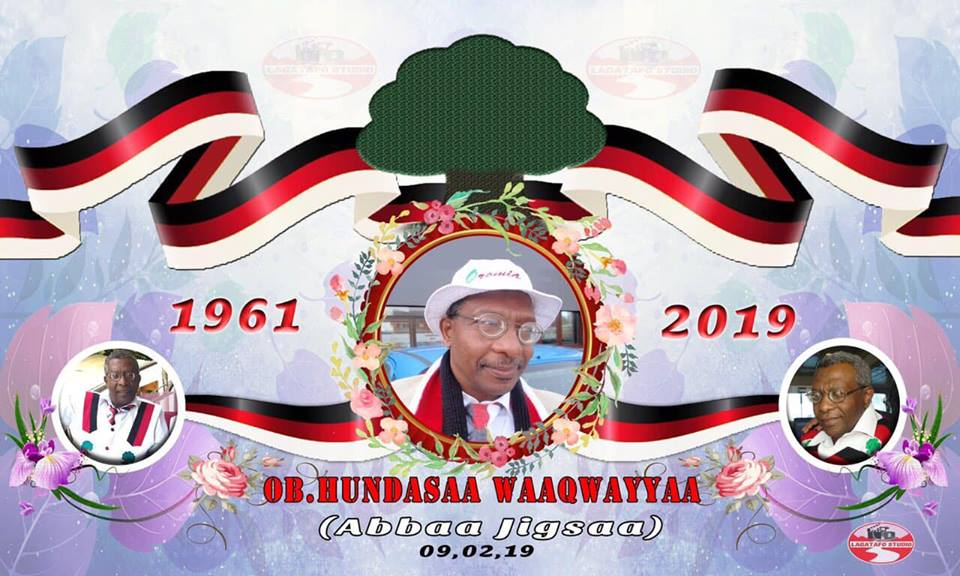
Mr. Hundasaa, born in 1961 in the valley of Obbee, Midaa Qanyi district, West Shawaa, Oromia, was a remarkable figure whose life was dedicated to the preservation and promotion of Oromo culture, language, and identity. His journey from a humble beginning in rural Oromia to becoming a respected leader, educator, and activist in the diaspora is a testament to his unwavering commitment to the Oromo cause. This essay explores the life, contributions, and legacy of Mr. Hundasaa, highlighting his role in strengthening Oromummaa (Oromo identity), Waaqeffannaa (the traditional Oromo religion), and the Oromo liberation struggle.
1. Early Life and Education
- Humble Beginnings:
- Mr. Hundasaa was born to Mr. Waqawayya Lammeessa and Mrs. Nagaasee Haroo in Obbee, a valley in the Midaa Qanyi district. He grew up in a large family with three brothers and two sisters, experiencing the challenges and joys of rural Oromo life.
- Pursuit of Education:
- Despite facing numerous hardships, Mr. Hundasaa pursued his education with determination. He completed his early education in Bixxillee and later attended high school in Ambo, a town known for its historical significance in Oromo education and politics.
2. Contributions to Education and Community
- Teacher and Mentor:
- From 1981 to 1991, Mr. Hundasaa served as a teacher in his native village, dedicating himself to educating the next generation of Oromo youth. His work as a teacher laid the foundation for his lifelong commitment to education and community development.
- Alphabetization and Public Awareness:
- During the transitional period following the fall of the Derg regime, Mr. Hundasaa played a key role in teaching the Oromo alphabet, editing and publishing magazines, and raising public awareness about Oromo culture and rights.
3. Activism and Political Engagement
- Joining the Oromo Liberation Front (OLF):
- Mr. Hundasaa’s commitment to the Oromo cause led him to join the Oromo Liberation Front (OLF), where he underwent training in Qilxu Jaalee, Mandi, in western Oromia. His activism during this period was marked by courage and dedication.
- Exile and Continued Struggle:
- Due to increasing surveillance and intimidation by government security forces, Mr. Hundasaa was forced to flee to Kenya in the late 1990s. In Kenya, he continued his work, building and educating the Oromo community in exile.
4. Life in the Diaspora
- Settling in Norway:
- In late 1999, Mr. Hundasaa settled in Norway with his wife and three children. Despite being far from his homeland, he remained deeply involved in activities promoting Oromummaa, Waaqeffannaa, and the Oromo language.
- Promoting Waaqeffannaa:
- Mr. Hundasaa was instrumental in organizing and strengthening the World Waaqeffannaa Assembly. He played a key role in ensuring the timely delivery of “kudharfee” (religious teachings) and bringing together scholars of Oromo culture and religion.
- Recognition and Awards:
- His outstanding contributions to the Waaqeffannaa religion earned him a special award from the World Waaqeffannaa Council, a testament to his dedication and impact.
5. Political Leadership and Legacy
- Oromo Democratic Party (ODP):
- Since 2012, Mr. Hundasaa served as a veteran member and secretary of the Oromo Democratic Party (ODP) in Europe. His leadership was characterized by patience, inclusivity, and a commitment to dialogue and unity.
- Advocate for Oromo Unity:
- Mr. Hundasaa believed in resolving differences through negotiation and mutual respect. His approach to leadership fostered a sense of solidarity and shared purpose among Oromo activists and community members.
6. Personal Life and Character
- Family Man:
- Mr. Hundasaa was a devoted husband and father, deeply committed to the well-being of his family. He supported his siblings and extended family, embodying the values of love and responsibility.
- Community Leader:
- Known for his righteousness and generosity, Mr. Hundasaa built lasting friendships and earned the respect of his peers. His contributions to the Oromo community were driven by a genuine desire to uplift and empower others.
7. Illness and Passing
- Health Challenges:
- In his later years, Mr. Hundasaa faced health challenges that limited his ability to continue his work. Despite his illness, he remained active in Oromo causes, participating in the 2017 Irreecha festival before returning to Norway for treatment.
- Legacy of Resilience:
- Mr. Hundasaa passed away on February 9, 2019, surrounded by his family and friends. His life was a testament to resilience, courage, and unwavering dedication to the Oromo people.
8. Conclusion: A Life of Service and Inspiration
Mr. Hundasaa’s life and work left an indelible mark on the Oromo community. His contributions to education, culture, religion, and politics strengthened Oromo identity and unity, both in Ethiopia and the diaspora. As a teacher, activist, and leader, he embodied the values of Oromummaa and Waaqeffannaa, inspiring countless individuals to continue the struggle for justice and self-determination.
May his soul rest in peace, and may his legacy continue to inspire future generations of Oromo leaders and activists. Condolences to his family, relatives, and friends. Let the bookaa flow under his ekeraa, symbolizing the enduring impact of his life and work.
Note: The phrases “let the bookaa flow under his ekeraa” refer to traditional Oromo cultural practices associated with honoring the deceased. The bookaa is a ceremonial honey used in rituals, and ekeraa refers to the spirit of the deceased person resting place or grave. These symbols highlight the deep cultural roots of Mr. Hundasaa’s legacy.
The Legacy of Abba Dabbasaa Guyyoo Saffaroo
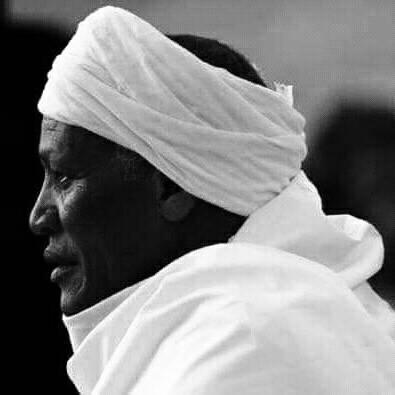
Abba Dabbasaa Guyyoo Saffaroo was a revered Oromo elder, scholar, and custodian of the Gadaa system, the traditional Oromo governance and social system. His profound knowledge of Oromo history, culture, and traditions made him a pivotal figure in preserving and promoting Oromo heritage. His sudden disappearance in Nairobi, Kenya, on September 27, 2015, remains a mystery and a great loss to the Oromo people. This essay explores the roles and contributions of Abba Dabbasaa Guyyoo Saffaroo to Oromo society, highlighting his legacy as a scholar, teacher, and cultural ambassador.
1. Guardian of the Gadaa System
- Deep Knowledge of Gadaa:
- Abba Dabbasaa was a master of the Gadaa system, having studied and practiced it for many years. His expertise included the intricate rules, rituals, and philosophies of Gadaa, which he taught to scholars, students, and community members.
- Founding ARGAA DHAGEETTII GADAA OROMOO:
- He established ARGAA DHAGEETTII GADAA OROMOO in Kenya, an organization dedicated to preserving and promoting the Gadaa system. Through this platform, he educated countless individuals about Oromo traditions and governance.
2. Educator and Mentor
- Teaching Oromo History and Culture:
- Abba Dabbasaa was a renowned educator who taught Oromo history, prophecy, culture, morality, and traditions. His ability to recount historical events with precision, including dates and locations, was unparalleled.
- Inspiring Scholars:
- Many scholars of the Gadaa system studied under Abba Dabbasaa or referenced his teachings. His work has been instrumental in shaping contemporary understanding of Oromo heritage.
3. Cultural Ambassador
- Global Outreach:
- Abba Dabbasaa traveled extensively, sharing his knowledge of the Gadaa system and Oromo culture with audiences in countries such as Guatemala, Russia, the United States, and Norway. His presentations helped to raise global awareness of Oromo traditions.
- Promoting Oromo Identity:
- Through his teachings and advocacy, Abba Dabbasaa played a key role in strengthening Oromo identity and pride, both within Ethiopia and in the diaspora.
4. Preserver of Oromo Morality and Ethics
- Upholding Traditional Values:
- Abba Dabbasaa was a staunch advocate for Oromo moral and ethical values, which are deeply rooted in the Gadaa system. He emphasized the importance of respect, justice, and communal harmony.
- Role Model:
- His life and work exemplified the principles he taught, making him a respected role model for Oromo youth and elders alike.
5. Contributions to Oromo Unity
- Neutral and Inclusive:
- Abba Dabbasaa was known for his impartiality and refusal to align with any particular political or social group. His focus was on the preservation and promotion of Oromo culture, which helped to foster unity among the Oromo people.
- Bridge Builder:
- He worked to bridge generational and regional divides within Oromo society, encouraging dialogue and mutual understanding.
6. Legacy of Abba Dabbasaa Guyyoo Saffaroo
- Intellectual Legacy:
- Abba Dabbasaa’s teachings and writings continue to inspire scholars, activists, and community leaders. His work remains a vital resource for understanding Oromo history and culture.
- Cultural Revival:
- His efforts to revive and promote the Gadaa system have had a lasting impact on Oromo society, contributing to a renewed interest in traditional governance and values.
- Advocate for Justice:
- Abba Dabbasaa’s disappearance has become a symbol of the struggles faced by Oromo intellectuals and activists. His case highlights the need for justice and accountability in addressing the challenges faced by the Oromo people.
7. The Mystery of His Disappearance
- A Great Loss:
- Abba Dabbasaa’s disappearance in Nairobi on September 27, 2015, remains unresolved. His absence has left a void in the Oromo intellectual and cultural community.
- Call for Justice:
- The Oromo people continue to demand answers and justice for Abba Dabbasaa. His case underscores the risks faced by those who dedicate their lives to preserving and promoting Oromo heritage.
Conclusion
Abba Dabbasaa Guyyoo Saffaroo was a towering figure in Oromo society, whose contributions to the preservation and promotion of the Gadaa system, Oromo history, and culture are immeasurable. His work as an educator, cultural ambassador, and moral guide has left an indelible mark on the Oromo people. Despite his mysterious disappearance, his legacy lives on through the countless individuals he inspired and the enduring impact of his teachings. Abba Dabbasaa’s life and work serve as a reminder of the importance of preserving cultural heritage and striving for justice and unity. His story continues to inspire the Oromo people in their ongoing struggle for recognition, equality, and self-determination.
The Contributions of Oromo Mothers to Family, Society, and Country
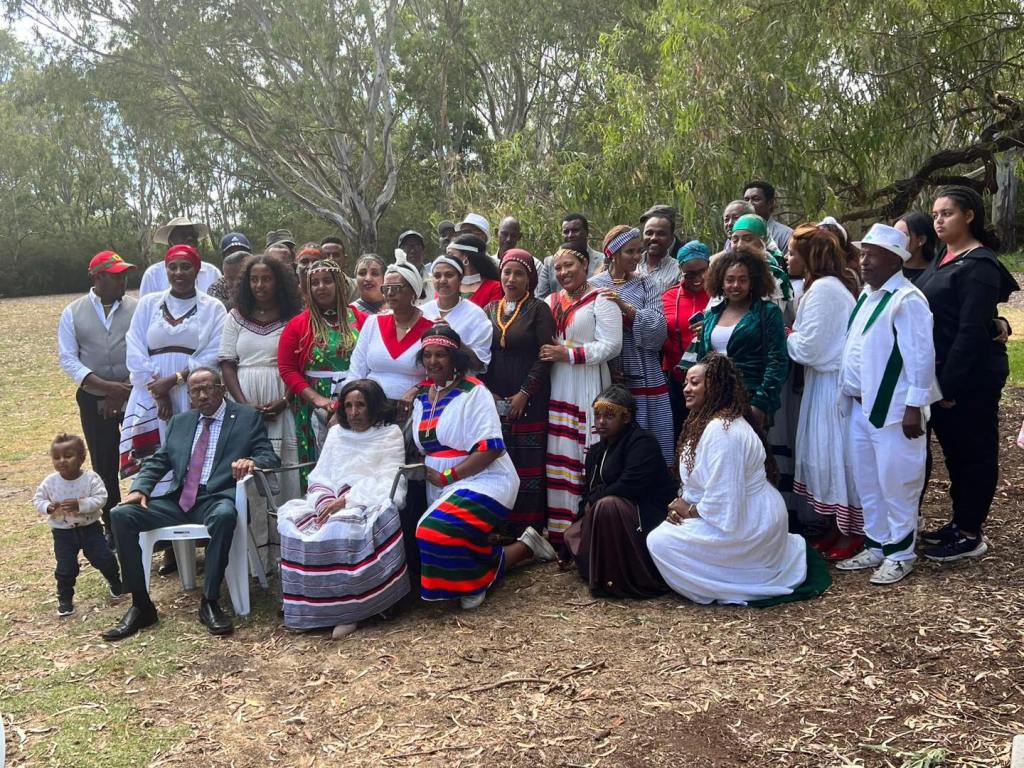
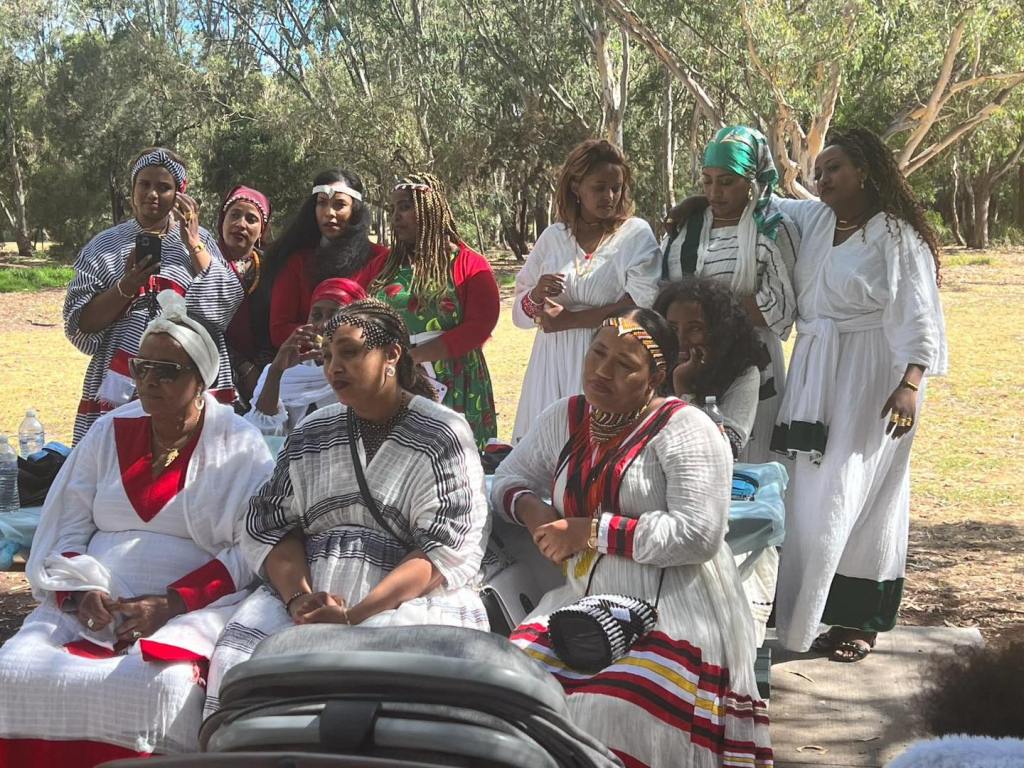
Oromo mothers have long been the pillars of their families, communities, and the broader Oromo nation. Their contributions extend far beyond the domestic sphere, encompassing social, cultural, economic, and political dimensions. On March 3, 2024, Oromo mothers and women were honored in Melbourne, Australia, for the first time in a special day of thanksgiving. This celebration recognized their enduring sacrifices, resilience, and leadership. This essay explores the multifaceted contributions of Oromo mothers to the family, society, and country.
1. Contributions to the Family
- Nurturers and Caregivers:
- Oromo mothers are the primary caregivers in their families, responsible for raising children, maintaining households, and ensuring the well-being of their loved ones. Their nurturing role lays the foundation for strong, healthy families.
- Preservers of Culture and Tradition:
- Oromo mothers play a crucial role in passing down cultural values, traditions, and language to the next generation. Through storytelling, cooking traditional foods, and celebrating cultural festivals like Irreechaa, they keep Oromo identity alive.
- Emotional Anchors:
- In times of hardship, Oromo mothers provide emotional support and stability to their families. Their strength and resilience inspire their children and spouses to persevere through challenges.
2. Contributions to Society
- Community Builders:
- Oromo mothers are often at the heart of community activities, organizing events, resolving conflicts, and fostering unity. Their leadership in local initiatives strengthens social cohesion and solidarity.
- Educators and Mentors:
- Many Oromo mothers take on the role of educators, teaching children not only academic skills but also moral values, respect, and the importance of community. They mentor young people, guiding them toward positive contributions to society.
- Advocates for Social Justice:
- Oromo mothers have been active in advocating for social justice, both within their communities and on broader platforms. They have fought against gender-based violence, discrimination, and inequality, pushing for a more just and inclusive society.
3. Contributions to the Country
- Economic Contributors:
- Oromo mothers contribute significantly to the economy through their work in agriculture, trade, and other sectors. In rural areas, they are often the backbone of agricultural production, ensuring food security for their families and communities.
- Political Activists:
- Many Oromo mothers have been at the forefront of political movements, advocating for the rights and freedoms of the Oromo people. Their participation in protests, demonstrations, and advocacy campaigns has been instrumental in advancing the Oromo struggle for self-determination.
- Cultural Ambassadors:
- Oromo mothers serve as cultural ambassadors, promoting Oromo traditions, music, and art both within Ethiopia and in the diaspora. Their efforts help to preserve and celebrate Oromo heritage on a global stage.
4. Challenges Faced by Oromo Mothers
- Double Burden:
- Oromo mothers often bear a double burden, balancing their responsibilities at home with their roles in society and the economy. Despite these challenges, they continue to excel in both domains.
- Impact of Conflict and Displacement:
- Many Oromo mothers have endured the hardships of conflict, displacement, and loss. Their ability to rebuild their lives and support their families in the face of adversity is a testament to their resilience.
- Gender Inequality:
- Oromo mothers face systemic gender inequality, including limited access to education, healthcare, and economic opportunities. Despite these barriers, they continue to fight for a better future for themselves and their children.
5. Celebrating Oromo Mothers in Melbourne
- A Historic Event:
- The celebration of Oromo mothers in Melbourne on March 3, 2024, marked a historic moment for the Oromo diaspora. It was a day to honor their sacrifices, celebrate their achievements, and express gratitude for their contributions.
- Cultural Performances and Tributes:
- The event likely featured cultural performances, speeches, and tributes highlighting the roles of Oromo mothers in the family, society, and country. It served as a reminder of their enduring legacy.
- Strengthening Diaspora Connections:
- By celebrating Oromo mothers, the event also strengthened connections within the Oromo diaspora, fostering a sense of unity and shared purpose.
6. Legacy and Future of Oromo Mothers
- Empowering Future Generations:
- The contributions of Oromo mothers have paved the way for future generations of Oromo women to take on leadership roles and continue the struggle for justice and equality.
- Role Models for Resilience:
- Oromo mothers serve as role models for resilience, strength, and perseverance. Their stories inspire others to overcome challenges and strive for a better future.
- Advancing Gender Equality:
- The recognition of Oromo mothers’ contributions is a step toward advancing gender equality within Oromo society and beyond. It highlights the need to address systemic barriers and empower women in all spheres of life.
Conclusion
Oromo mothers are the unsung heroes of their families, communities, and nation. Their contributions to the family, society, and country are immeasurable, encompassing nurturing, cultural preservation, community building, economic production, and political activism. The celebration of Oromo mothers in Melbourne on March 3, 2024, was a fitting tribute to their enduring legacy and a reminder of the importance of honoring their sacrifices. As the Oromo people continue their struggle for freedom and equality, the role of Oromo mothers will remain central to their success. Their resilience, strength, and love are a source of inspiration for all.
The Roles and Contributions of Oromo Women in the Oromo Freedom Struggle
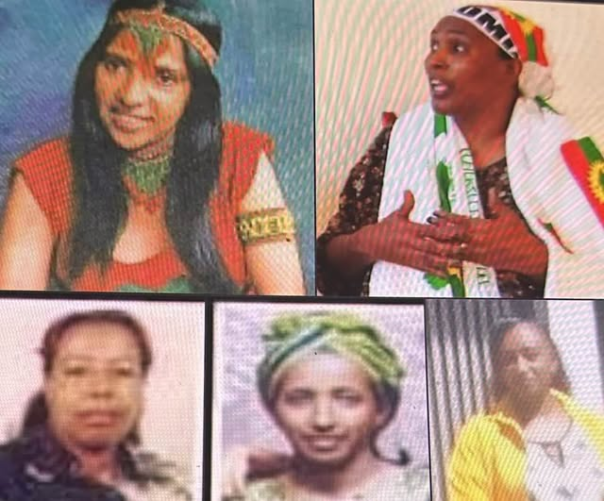
The Oromo freedom struggle is a long-standing movement aimed at achieving self-determination, justice, and equality for the Oromo people, who have faced systemic oppression under successive Ethiopian regimes. Throughout this struggle, Oromo women have played a pivotal role, demonstrating remarkable courage, resilience, and leadership. Their contributions span political, social, cultural, and military spheres, making them indispensable to the movement. This essay explores the multifaceted roles of Oromo women in the Oromo freedom struggle and highlights their enduring legacy.
1. Historical Context of Oromo Women’s Resistance
- Traditional Roles and Early Resistance:
- In Oromo society, women have historically held significant roles within the Gadaa system, a traditional democratic governance structure. While the Gadaa system was male-dominated, women influenced decision-making through institutions like the Siiqqee, a women’s assembly that ensured gender balance and protected women’s rights.
- During the 19th-century colonization of Oromia by Abyssinian forces, Oromo women actively resisted displacement, land confiscation, and cultural erasure. Their resistance was both direct and indirect, often through preserving Oromo culture and traditions.
2. Political and Organizational Leadership
- Participation in Nationalist Movements:
- Oromo women have been active in political organizations such as the Oromo Liberation Front (OLF) and other Oromo nationalist groups. They have served as leaders, organizers, and advocates, pushing for the inclusion of gender equality in the Oromo struggle.
- Advocacy for Women’s Rights:
- Oromo women have fought not only for national liberation but also for gender equality within the movement. They have challenged patriarchal norms and advocated for women’s representation in leadership roles.
3. Military Contributions
- Fighters in the Oromo Liberation Army (OLA):
- Many Oromo women have joined the OLA, the armed wing of the OLF, taking up arms to defend their people and land. Their participation in the armed struggle has been a testament to their courage and commitment.
- Logistical Support:
- Women have provided critical logistical support to the OLA, including supplying food, shelter, and medical care to fighters. They have also acted as messengers and intelligence gatherers, often risking their lives.
4. Cultural Preservation and Mobilization
- Guardians of Oromo Culture:
- Oromo women have played a key role in preserving and promoting Oromo culture, language, and traditions. Through practices such as Irreechaa (Oromo Thanksgiving) and storytelling, they have kept Oromo identity alive.
- Mobilizing Communities:
- Women have been at the forefront of mobilizing communities for protests, demonstrations, and other forms of resistance. Their ability to organize and inspire collective action has been crucial to the movement’s success.
5. Social and Economic Contributions
- Sustaining Families and Communities:
- During times of conflict and displacement, Oromo women have shouldered the responsibility of sustaining their families and communities. They have worked tirelessly to provide for their children and ensure their survival.
- Economic Resistance:
- Women have engaged in economic resistance by boycotting exploitative systems and creating alternative livelihoods. Their efforts have undermined oppressive structures and empowered local communities.
6. Challenges Faced by Oromo Women
- Double Oppression:
- Oromo women face dual oppression as members of a marginalized ethnic group and as women in a patriarchal society. They have had to fight not only for national liberation but also for gender equality.
- Violence and Exploitation:
- Women in the Oromo struggle have been subjected to gender-based violence, including sexual violence, as a tool of war and oppression. Despite these challenges, they have continued to resist and fight for justice.
7. Notable Oromo Women in the Freedom Struggle
- Siiqqee Leaders:
- Historical figures like the leaders of the Siiqqee institution have inspired generations of Oromo women to fight for their rights and dignity.
- Modern Activists:
- Contemporary Oromo women activists, such as Beki Gerba, Jawar Mohammed’s mother, and countless others, have made significant sacrifices for the Oromo cause. Their bravery and leadership continue to inspire the movement.
8. Legacy and Future of Oromo Women in the Struggle
- Empowerment of Future Generations:
- The contributions of Oromo women have paved the way for future generations to take up the mantle of leadership. Young Oromo women are increasingly visible in activism, politics, and community organizing.
- Intersectional Struggle:
- The Oromo freedom struggle is increasingly recognizing the importance of intersectionality, addressing the interconnected issues of gender, class, and ethnicity. Oromo women are at the forefront of this inclusive approach.
Conclusion
Oromo women have been the backbone of the Oromo freedom struggle, contributing in ways that are both visible and behind the scenes. Their resilience, courage, and leadership have been instrumental in advancing the movement for justice, equality, and self-determination. Despite facing immense challenges, Oromo women continue to fight for a future where their people can live with dignity and freedom. Their legacy is a testament to the power of women in shaping history and driving social change. As the struggle continues, the contributions of Oromo women will remain a source of inspiration and strength for the Oromo people and all those who seek justice and equality.
Building Strong Processes to Protect National Interests: The Case of the Oromo Nation
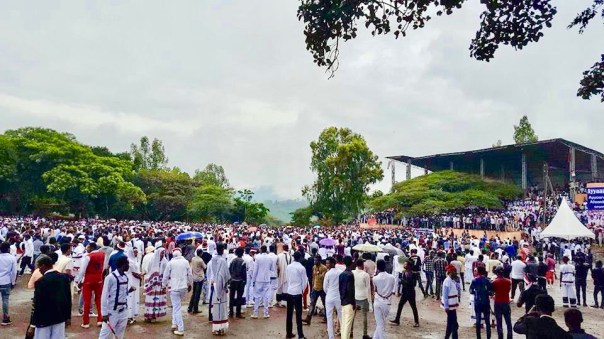
By Aliye Geleto
The Oromo people, one of the largest ethnic groups in Ethiopia and the Horn of Africa, possess a rich cultural heritage, a distinct language, and a profound historical narrative. With an estimated population ranging from 35 to 50 million, the Oromo nation faces numerous challenges in protecting its national interests, which encompass cultural, economic, and political dimensions. This essay discusses the processes the Oromo nation can adopt to strengthen its position, protect its interests, and promote sustainable development.
1. Understanding National Interests
To build effective processes for protecting national interests, the Oromo nation must first define what those interests are. National interests can be categorized as:
– **Cultural**: Preserving and promoting the Oromo language, traditions, customs, and values.
– **Political**: Gaining greater autonomy and representation within the Ethiopian state, ensuring political participation, and safeguarding human rights.
– **Economic**: Developing economic structures that benefit the Oromo people through sustainable development, land rights, and resources management.
– **Social**: Ensuring access to education, healthcare, and social services to enhance the quality of life for the Oromo populace.
A clear understanding of these categories will guide the Oromo nation in formulating strategies and policies that address its specific needs and aspirations.
2. Historical Context
The Oromo people’s historical context is crucial in shaping current processes. The legacy of past injustices, marginalization, and cultural suppression has created a scenario where the Oromo people are determined to reclaim their voice and identity. The struggle for recognition, equality, and self-determination must inform every step taken towards protecting their national interests. By reflecting on past movements, including the Gadaa system (a traditional socio-political system), the Oromo can derive lessons on leadership, governance, and community engagement.
3. Strengthening Political Representation
One of the first and significant steps in protecting the Oromo nation’s interests is enhancing political representation. To this end, the following processes can be implemented:
– **Empowering Local Governance**: Strengthening local governance structures allows Oromos to make decisions that directly impact their communities. This can involve creating local councils that reflect the demographic composition of the region and ensuring that these councils have the authority to address local issues.
– **Formation of Political Alliances**: Building coalitions with other marginalized groups within Ethiopia can amplify the voice of the Oromo nation. Collaborative movements can foster broader political reform and address systemic inequalities.
– **Advocacy for Decentralization**: Continuously advocating for a decentralized political structure that respects ethnic federalism offers the Oromo people a platform to express their interests within the Ethiopian political sphere.
– **Youth and Women Empowerment**: Encouraging women and youth to participate in politics enhances representation and ensures diverse perspectives in decision-making processes. Implementing mentorship programs and training initiatives can equip underrepresented groups with the necessary skills.
4. Cultural Preservation and Promotion
Cultural identity is at the heart of the Oromo national interest. To protect and promote this identity, the following strategies should be considered:
– **Education Initiatives**: Incorporating the Oromo language and history into the formal education system can help reinforce cultural pride among younger generations. Bilingual education can also facilitate access to knowledge while preserving the language.
– **Cultural Festivals and Events**: Organizing cultural festivals that celebrate Oromo traditions, music, and dances can foster unity and raise awareness within and outside the community about Oromo heritage.
– **Documentation and Research**: Supporting research initiatives that document Oromo history, folklore, and traditions can provide a reservoir of knowledge that future generations can draw upon, while also challenging narratives that marginalize Oromo identity.
– **Media and Communication**: Utilizing media platforms to promote Oromo culture can reach a broader audience. This includes producing content in the Oromo language, documenting community stories, and using social media to engage the youth in cultural discourse.
5. Economic Development Strategies
Economic empowerment is essential for the Oromo nation to protect its interests. Sustainable economic development strategies may include:
– **Resource Management**: Establishing clear guidelines and frameworks for the management of natural resources within Oromia can ensure that local communities benefit from their land. Engaging community members in decisions regarding land use is crucial for sustainable development.
– **Entrepreneurship and Vocational Training**: Creating programs that support entrepreneurship and vocational training can help Oromos to start businesses and gain financial independence. Access to micro-credit financing can catalyze local economic initiatives.
– **Agricultural Sustainability**: Since a substantial part of the Oromo population engages in agriculture, initiatives that promote sustainable farming practices can enhance food security and increase livelihoods. Training farmers on modern agricultural techniques and cooperative farming can promote self-sufficiency.
– **Investment in Infrastructure**: Advocating for improved infrastructure, such as roads and public utilities, can foster economic development. Partnering with local and international stakeholders can facilitate the necessary investments.
6. Advocating for Human Rights
Protection of the Oromo people also involves advocating for human rights. This can be achieved through:
– **Monitoring and Documentation**: Establishing mechanisms to document human rights violations can create awareness and promote accountability. Collaborating with local and international human rights organizations can provide broader support and visibility to those affected.
– **Legal Empowerment**: Offering legal assistance to community members facing injustices can empower them to stand up for their rights. Educational campaigns about rights and legal recourse options are essential parts of this strategy.
– **International Advocacy**: Engaging with international human rights organizations to raise awareness about the challenges faced by the Oromo people can help attract global support. This requires strategic diplomacy and communication to highlight issues systematically.
7. Mobilizing the Community
A strong community mobilization strategy is vital for any movement aiming to protect national interests. The following steps can be taken to ensure community engagement:
– **Grassroots Organizing**: Encouraging grassroots movements allows individuals within the community to take ownership of the issues that matter most to them. This can involve town hall meetings, workshops, and community forums to discuss and plan for local and national campaigns.
– **Echoing the Gadaa System**: Revitalizing the Gadaa system principles of governance and collective decision-making can cultivate accountability and collaboration within communities. Reintroducing these democratic traditions can provide a framework for modern governance.
– **Solidarity and Unity**: Promoting solidarity among the Oromo diaspora and those within Ethiopia creates a powerful force for change. Building networks that connect various Oromo communities can enhance resource sharing and collective agency.
8. Engaging with the International Community
The Oromo nation’s quest to protect its interests must extend to international diplomacy:
– **Diplomatic Engagement**: Establishing relations with foreign governments and international organizations can open avenues for support and understanding. Engaging in dialogue about political, economic, and social concerns offers an opportunity to garner international support.
– **Participation in International Forums**: The Oromo nation must actively participate in international forums where issues relevant to Ethiopia and its ethnic groups are addressed. This includes engaging with organizations such as the African Union and United Nations to highlight their plight.
– **Partnership with NGOs**: Collaborating with international non-governmental organizations (NGOs) that advocate for human rights and cultural preservation can amplify the Oromo voice on global platforms.
9. Leveraging Technology and Innovation
In the modern age, leveraging technology is crucial for any movement:
– **Digital Advocacy**: Utilizing social media platforms to raise awareness about Oromo rights, cultural heritage, and economic issues can mobilize a global audience. Digital campaigns can create solidarity and pressure governments to address concerns.
– **Online Learning and Knowledge Sharing**: Creating online platforms for education can inform and empower the community. Online resources that provide learning opportunities in cultural competencies, political education, and economic strategies can be invaluable.
– **Crowdfunding**: Implementing crowdfunding campaigns to support local initiatives can streamline resources toward specific projects that benefit the community.
Conclusion
Protecting the national interests of the Oromo people requires a multifaceted approach that encompasses political, cultural, economic, and social dimensions. The processes outlined in this essay emphasize the importance of community engagement, political representation, cultural promotion, economic development, and international advocacy. By applying these strategies effectively, the Oromo nation can strive towards a future that honors its heritage, empowers its people, and ensures sustainable development for generations to come. The path to achieving these goals demands resilience, unity, and a commitment to the fundamental rights and aspirations of the Oromo people.
Celebrate Mother’s Day: Strengthening Family Bonds
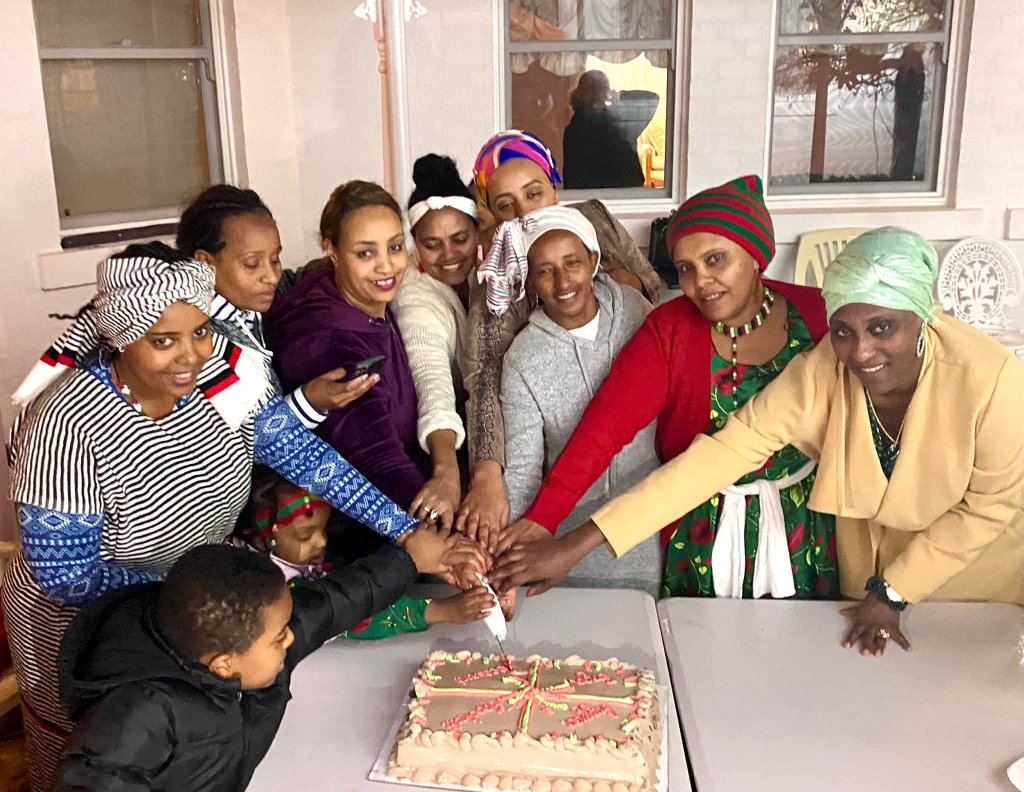
Mother’s Day is a special occasion dedicated to honoring and celebrating mothers and mother figures. It plays a significant role in promoting and strengthening love and respect within the community in several ways:
1. Expressing Gratitude and Appreciation
- Mother’s Day provides an opportunity for individuals to express their gratitude and appreciation for the sacrifices, love, and care that mothers provide. This acknowledgment fosters a sense of validation and emotional connection within the family and the broader community.
2. Strengthening Emotional Bonds
- Celebrating Mother’s Day often involves spending quality time together, whether through shared meals, activities, or heartfelt conversations. These moments help to deepen emotional bonds and create lasting memories.
3. Promoting Family Togetherness
- Mother’s Day encourages families to come together, often involving extended family members. This collective celebration reinforces the importance of family unity and solidarity.
4. Highlighting the Role of Mothers
- The day serves as a reminder of the vital role mothers play in the family structure, from providing emotional support to being role models. Recognizing this role can strengthen the mother’s sense of responsibility and commitment to the family.
5. Creating Traditions and Rituals
- Celebrating Mother’s Day can become a cherished family tradition. These rituals, whether big or small, contribute to a sense of continuity and belonging, which are essential for family cohesion.
6. Encouraging Open Communication
- Mother’s Day can be a time for open and meaningful communication between family members. Sharing stories, expressing feelings, and discussing future goals can enhance understanding and trust within the family.
7. Teaching Values to Younger Generations
- By celebrating Mother’s Day, parents can instill values such as respect, gratitude, and the importance of family in their children. These lessons help to shape the character and behavior of younger generations.
8. Providing a Break from Routine
- Mother’s Day offers a break from the daily routine, allowing families to relax and enjoy each other’s company. This break can reduce stress and improve overall family well-being.
9. Fostering a Sense of Belonging
- Celebrating Mother’s Day helps to create a sense of belonging and identity within the family. It reinforces the idea that each member is valued and loved, which is crucial for emotional security.
10. Encouraging Reflection and Growth
- Mother’s Day can be a time for reflection on the past year, acknowledging challenges and celebrating achievements. This reflection can lead to personal growth and a renewed commitment to family unity.
11. Community Engagement and Solidarity
- Mother’s Day often involves community events and activities that bring people together. These events can strengthen community bonds and promote a culture of mutual respect and support.
12. Recognizing Diverse Mother Figures
- Mother’s Day is an opportunity to recognize and honor all mother figures, including grandmothers, aunts, and other caregivers. This inclusivity fosters a broader sense of respect and appreciation within the community.
13. Promoting Acts of Kindness
- Mother’s Day encourages acts of kindness and generosity, not only towards one’s own mother but also towards others in the community. This can create a ripple effect of goodwill and strengthen communal ties.
Conclusion
Mother’s Day is more than just a day to give gifts or cards; it is a meaningful occasion that strengthens family and community unity by fostering emotional connections, promoting togetherness, and highlighting the important role of mothers. By celebrating this day, families and communities can create lasting memories, build stronger relationships, and reinforce the values that hold them together. Happy Mother’s Day!
The Importance of Father’s Day for Family Relationships
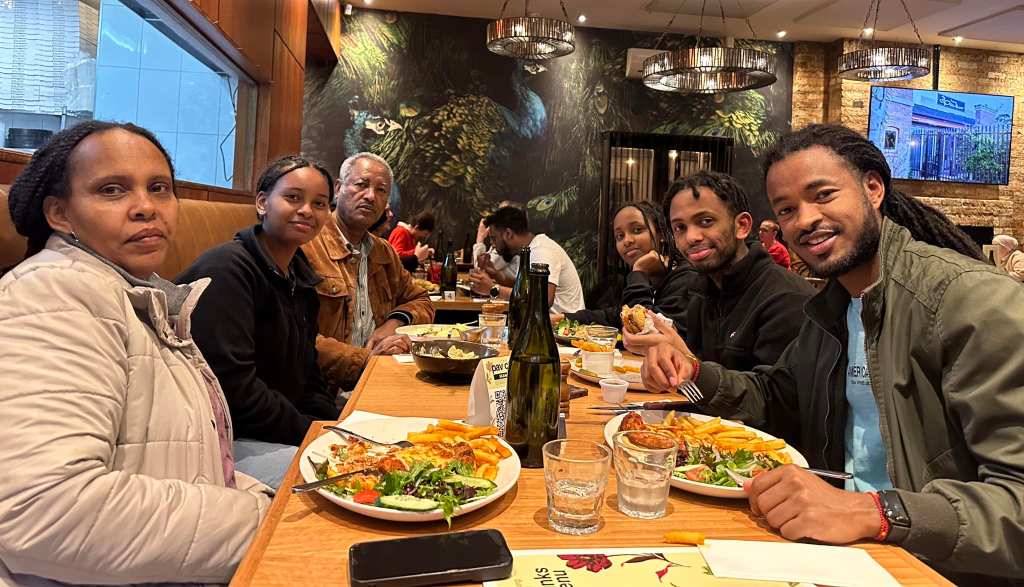
Father’s Day is a special occasion dedicated to honoring and celebrating fathers and father figures, and it plays a significant role in strengthening family unity in several ways:
1. Expressing Gratitude and Appreciation
- Father’s Day provides an opportunity for family members to express their gratitude and appreciation for the sacrifices, love, and guidance that fathers provide. This acknowledgment fosters a sense of validation and emotional connection within the family.
2. Strengthening Emotional Bonds
- Celebrating Father’s Day often involves spending quality time together, whether through shared meals, activities, or heartfelt conversations. These moments help to deepen emotional bonds and create lasting memories.
3. Promoting Family Togetherness
- Father’s Day encourages families to come together, often involving extended family members. This collective celebration reinforces the importance of family unity and solidarity.
4. Highlighting the Role of Fathers
- The day serves as a reminder of the vital role fathers play in the family structure, from providing emotional support to being role models. Recognizing this role can strengthen the father’s sense of responsibility and commitment to the family.
5. Creating Traditions and Rituals
- Celebrating Father’s Day can become a cherished family tradition. These rituals, whether big or small, contribute to a sense of continuity and belonging, which are essential for family cohesion.
6. Encouraging Open Communication
- Father’s Day can be a time for open and meaningful communication between family members. Sharing stories, expressing feelings, and discussing future goals can enhance understanding and trust within the family.
7. Teaching Values to Younger Generations
- By celebrating Father’s Day, parents can instill values such as respect, gratitude, and the importance of family in their children. These lessons help to shape the character and behavior of younger generations.
8. Providing a Break from Routine
- Father’s Day offers a break from the daily routine, allowing families to relax and enjoy each other’s company. This break can reduce stress and improve overall family well-being.
9. Fostering a Sense of Belonging
- Celebrating Father’s Day helps to create a sense of belonging and identity within the family. It reinforces the idea that each member is valued and loved, which is crucial for emotional security.
10. Encouraging Reflection and Growth
- Father’s Day can be a time for reflection on the past year, acknowledging challenges and celebrating achievements. This reflection can lead to personal growth and a renewed commitment to family unity.
Conclusion
Father’s Day is more than just a day to give gifts or cards; it is a meaningful occasion that strengthens family unity by fostering emotional connections, promoting togetherness, and highlighting the important role of fathers. By celebrating this day, families can create lasting memories, build stronger relationships, and reinforce the values that hold them together. Happy Father’s Day!




 Advocacy for Oromia