Monthly Archives: February 2025
VOA Afaan Oromo: Elevating Oromo Political Awareness

VOA Afaan Oromo (Voice of America Afaan Oromo) has played a significant role in raising political awareness within the Oromo community, both in Ethiopia and across the diaspora. As a trusted source of news and information, VOA Afaan Oromo has provided a platform for the Oromo people to access critical information, engage in political discourse, and advocate for their rights. Here’s how VOA Afaan Oromo has contributed to raising political awareness in the Oromo community:
1. Providing Reliable and Unbiased News
Breaking News: VOA Afaan Oromo has consistently reported on political developments, human rights issues, and social challenges affecting the Oromo people. This has kept the community informed about critical events in real time.
Unbiased Reporting: By offering balanced and objective coverage, VOA Afaan Oromo has built trust among its audience, making it a go-to source for accurate information.
2. Amplifying Oromo Voices
Community Stories: VOA Afaan Oromo has highlighted the stories of ordinary Oromo people, including their struggles, aspirations, and achievements. This has given a voice to those who are often marginalized or ignored by mainstream media.
Interviews and Discussions: The platform has hosted interviews with Oromo activists, politicians, scholars, and community leaders, providing insights into the political and social issues facing the Oromo people.
3. Educating the Community
Political Education: Through its programs, VOA Afaan Oromo has educated the Oromo community about their rights, the Ethiopian political system, and the importance of civic engagement.
Historical Context: The radio station has provided historical context for current events, helping listeners understand the roots of political and social issues affecting the Oromo people.
4. Promoting Advocacy and Activism
Coverage of Protests and Movements: VOA Afaan Oromo has extensively covered Oromo protests, such as the 2014–2018 Oromo protests, and other movements advocating for justice, equality, and self-determination.
Encouraging Civic Participation: By reporting on elections, political processes, and grassroots activism, VOA Afaan Oromo has encouraged the Oromo community to participate in shaping their future.
5. Connecting the Diaspora
Global Reach: VOA Afaan Oromo has connected the Oromo diaspora with events and issues in Ethiopia, fostering a sense of unity and shared purpose.
Diaspora Advocacy: The platform has amplified the voices of Oromo diaspora activists, who play a crucial role in advocating for the rights of the Oromo people on the international stage.
6. Exposing Human Rights Violations
Documenting Abuses: VOA Afaan Oromo has reported on human rights violations against the Oromo people, including extrajudicial killings, arrests, and displacement. This has brought international attention to these issues.
Holding Authorities Accountable: By shedding light on injustices, VOA Afaan Oromo has pressured governments and institutions to address the grievances of the Oromo community.
7. Fostering Dialogue and Debate
Panel Discussions: VOA Afaan Oromo has hosted panel discussions and debates on pressing political and social issues, encouraging critical thinking and dialogue within the community.
Listener Engagement: The radio station has provided a platform for listeners to call in, share their views, and engage with experts and leaders.
8. Supporting Cultural Identity
Promoting Afaan Oromo: By broadcasting in Afaan Oromo, the station has reinforced the importance of the Oromo language and culture, which are central to the community’s identity and political consciousness.
Cultural Programs: VOA Afaan Oromo has also featured cultural programs that celebrate Oromo traditions, history, and values, fostering pride and unity.
9. Countering Misinformation
Fact-Based Reporting: In a media landscape often plagued by misinformation, VOA Afaan Oromo has provided fact-based reporting, helping the Oromo community make informed decisions.
Debunking False Narratives: The station has countered false narratives and propaganda that seek to undermine the Oromo struggle for justice and equality.
10. Inspiring Hope and Resilience
Stories of Resistance: VOA Afaan Oromo has shared stories of Oromo resistance and resilience, inspiring the community to continue fighting for their rights.
Positive Change: By highlighting progress and positive developments, the station has given hope to the Oromo people, even in challenging times.
Conclusion
VOA Afaan Oromo has been a vital source of information, education, and inspiration for the Oromo community. By providing reliable news, amplifying Oromo voices, and promoting advocacy and activism, the radio station has significantly raised political awareness among the Oromo people. Its role in connecting the diaspora, exposing human rights violations, and fostering dialogue has strengthened the community’s ability to advocate for justice, equality, and self-determination. VOA Afaan Oromo continues to be a beacon of hope and a powerful tool for empowerment in the Oromo struggle.
How BBC Afaan Oromo Empowers Oromo Political Awareness

BBC Afaan Oromo has been a critical platform for raising political awareness within the Oromo community, both in Ethiopia and across the diaspora. Through its radio broadcasts and online content, BBC Afaan Oromo has provided reliable news, educational programs, and a space for dialogue, empowering the Oromo people to engage with political and social issues. Here’s how BBC Afaan Oromo has contributed to raising political awareness:
1. Providing Accurate and Timely News
- Breaking News: BBC Afaan Oromo has consistently reported on political developments, human rights issues, and social challenges affecting the Oromo people. Its timely and accurate reporting has kept the community informed about critical events.
- Global Perspective: By covering both local and international news, BBC Afaan Oromo has helped the Oromo community understand how global events impact their lives and struggles.
2. Amplifying Oromo Voices
- Community Stories: BBC Afaan Oromo has highlighted the experiences, struggles, and achievements of ordinary Oromo people, giving a voice to those often marginalized by mainstream media.
- Interviews and Features: The platform has hosted interviews with Oromo activists, politicians, scholars, and community leaders, providing insights into the political and social issues facing the Oromo people.
3. Educating the Community
- Political Education: Through its programs, BBC Afaan Oromo has educated the Oromo community about their rights, the Ethiopian political system, and the importance of civic engagement.
- Historical Context: The station has provided historical context for current events, helping listeners understand the roots of political and social issues affecting the Oromo people.
4. Promoting Advocacy and Activism
- Coverage of Protests and Movements: BBC Afaan Oromo has extensively covered Oromo protests, such as the 2014–2018 Oromo protests, and other movements advocating for justice, equality, and self-determination.
- Encouraging Civic Participation: By reporting on elections, political processes, and grassroots activism, BBC Afaan Oromo has encouraged the Oromo community to participate in shaping their future.
5. Connecting the Diaspora
- Global Reach: BBC Afaan Oromo has connected the Oromo diaspora with events and issues in Ethiopia, fostering a sense of unity and shared purpose.
- Diaspora Advocacy: The platform has amplified the voices of Oromo diaspora activists, who play a crucial role in advocating for the rights of the Oromo people on the international stage.
6. Exposing Human Rights Violations
- Documenting Abuses: BBC Afaan Oromo has reported on human rights violations against the Oromo people, including extrajudicial killings, arrests, and displacement. This has brought international attention to these issues.
- Holding Authorities Accountable: By shedding light on injustices, BBC Afaan Oromo has pressured governments and institutions to address the grievances of the Oromo community.
7. Fostering Dialogue and Debate
- Panel Discussions: BBC Afaan Oromo has hosted panel discussions and debates on pressing political and social issues, encouraging critical thinking and dialogue within the community.
- Listener Engagement: The radio station has provided a platform for listeners to call in, share their views, and engage with experts and leaders.
8. Supporting Cultural Identity
- Promoting Afaan Oromo: By broadcasting in Afaan Oromo, the station has reinforced the importance of the Oromo language and culture, which are central to the community’s identity and political consciousness.
- Cultural Programs: BBC Afaan Oromo has also featured cultural programs that celebrate Oromo traditions, history, and values, fostering pride and unity.
9. Countering Misinformation
- Fact-Based Reporting: In a media landscape often plagued by misinformation, BBC Afaan Oromo has provided fact-based reporting, helping the Oromo community make informed decisions.
- Debunking False Narratives: The station has countered false narratives and propaganda that seek to undermine the Oromo struggle for justice and equality.
10. Inspiring Hope and Resilience
- Stories of Resistance: BBC Afaan Oromo has shared stories of Oromo resistance and resilience, inspiring the community to continue fighting for their rights.
- Positive Change: By highlighting progress and positive developments, the station has given hope to the Oromo people, even in challenging times.
11. Online Presence and Accessibility
- Digital Platforms: BBC Afaan Oromo’s online presence, including its website and social media channels, has made its content accessible to a global audience. This has expanded its reach and impact.
- Interactive Content: The platform’s use of multimedia, such as videos, podcasts, and infographics, has made complex political issues more accessible and engaging for the Oromo community.
Conclusion
BBC Afaan Oromo has been a vital source of information, education, and inspiration for the Oromo community. By providing reliable news, amplifying Oromo voices, and promoting advocacy and activism, the platform has significantly raised political awareness among the Oromo people. Its role in connecting the diaspora, exposing human rights violations, and fostering dialogue has strengthened the community’s ability to advocate for justice, equality, and self-determination. BBC Afaan Oromo continues to be a beacon of hope and a powerful tool for empowerment in the Oromo struggle
Shanan: Maatii fi Dubartoota Oromoo Jajjabeessu

Akka aadaa Oromootti dubartiin deessee gaafa guyyaa shanaffaa maatii, ollaa fi hiriyoon walitti dhufanii deessuu jajjabeessu. Qophiin kun ‘shanan’ jedhama. Shanan irratti eebbii fi kunuunsi nyaata ‘marqaa’ deessuuf godhamu akka jajabaattee kaatuu fi eela da’umsaa akka dandamattu ni jajjabeessu. Aadaa kun deessuu akkamiin akka jabeessuu fi kabajaa hawaasa keessatti qabdu akkamiin akka guddisu baarruun kun explore godha.
Aadaa Shanan aadaa Oromoo keessatti dubartoota deessuu fi maatiilee isaanii jajjabeessuuf qophii guddaa qaba. Guyyaa shanaffaa booda dubartoonni ilmaan dhalatan, maatiin, ollaan, fi hiriyoonni walitti dhufuun dubarticha deessuu jajjabeessu. Qophiin kun, akka Shanan jedhamutti, eebbii, kunuunsa, fi nyaata marqaa of keessaa qabuun dubarticha eela da’umsaa fi dhimma dhaloota irratti akka jabaatu fi akka dandamattu ishee jajjabeessu. Aadaa kana keessatti hawaasni Oromoo akkaataa armaan gadii dubartoota deessuu jajjabeessuun isaanii fi kabajaa hawaasa keessatti isaanii akka guddisu taasisa:
1. Jajjabeessuu Fi Qaamaa Eegumsa
- Nyaata Marqaa: Nyaanni marqaa, kan akka buddeen, marqaa, fi nyaata biroo, qaama deessichaa akka jabaatu fi akka fooyyeessuuf gargaara. Nyaanni kun qaama ishee akka fooyye’e fi akka jabaate godhuuf gargaara.
- Eegumsa Qaamaa: Hawaasni kun dhimma hojii manaafi ilmaan ishee irratti hojjachuun, dubartichaa eega dhalootaa fi qaama ishee akka fooyyeessuuf carraaqqii godha.
2. Jajjabeessuu Sammuu Fi Dhammuunaa
- Eebbii Fi Jajjabeessuu: Shanan irratti hawaasni eebbii fi kaffaltiiwwan dabarsuun dubarticha akka jabaatu fi akka dandamattu ishee jajjabeessu. Kunis sammuu ishee akka jabaatu fi dhimma dhalootaa irratti akka dandamattu ishee gargaara.
- Dhiifama Dhammuunaa: Dhammuunni booda dhalootaa (postpartum stress) kan akka sammuu hin qabne fi dhiphina sammuu irraa eegumsa argachuun ishee ni danda’ama.
3. Hawaasa Waliin Walqunnamtii
- Tokkummaa Hawaasaa: Shanan qophii maatii, ollaa, fi hiriyootaa walitti dhufuun tokkoommaa hawaasaa fi walii gitaa jabeessu. Kunis hawaasni akka walitti amanamuu fi walii gitaa qaban taasisa.
- Ogeeyyii Aadaa: Jaarsolii fi ogeeyyii aadaa eebbii fi aadaa dhalootaa dabarsuun, hawaasni aadaa fi ogbarruu isaa akka hin balleessine taasisa.
4. Kabajaa Fi Sadarkaa Hawaasa Keessatti
- Kabajaa Dhalootaa: Shanan irratti hawaasni dubarticha dhaloota dhalachuuf qabattee fi dhimma dhalootaa irratti akka dandamatte ishee kabaju. Kunis kabajaa fi sadarkaa ishee hawaasa keessatti guddisa.
- Murtii Fi Ibsa Adunyaa: Qophii Shanan kun murtii fi ibsa adunyaa hawaasaa keessatti dubartoonni dhaloota dhalachuun hawaasaa fi sanyii isaa irratti qooda guddaa qaban ibsuu dha.
5. Aadaa Fi Ogbarruu Oromoo Ittisu
- Aadaa Oromoo: Shanan aadaa Oromoo keessatti qophii guddaa qabu, kan hawaasni aadaa fi ogbarruu isaa akka ittisu taasise. Kunis aadaa Oromoo akka hin balleessine fi akka hawaasa irraa hawaasatti dabarfamu taasisa.
- Ogbarruu Fi Aadaa: Shanan irratti ogbarruu fi aadaa dhalootaa dabarsuun, hawaasni aadaa fi ogbarruu isaa akka hin balleessine taasisa.
6. Dhimma Dubartootaa Hawaasa Keessatti
- Qooda Dubartootaa: Shanan irratti hawaasni qooda dubartootaa hawaasa keessatti akka guddataa fi kabajaa argatu taasisa. Kunis dubartoonni hawaasa keessatti dhimma isaanii akka guddataa fi kabajaa argatan taasisa.
- Walqixxummaa Jinsii: Hawaasni kun dhimma dubartootaa fi qooda isaanii hawaasa keessatti akka guddataa fi kabajaa argatu taasisa.
Qorannoowwan Keessaa:
Aadaa Shanan aadaa Oromoo keessatti qophii guddaa qabu, kan dubartoota deessuu fi maatiilee isaanii jajjabeessuuf gargaaru. Kunis akkaataa armaan gadii dubartoota deessuu jajjabeessuun isaanii fi kabajaa hawaasa keessatti isaanii akka guddisu taasisa:
- Eegumsa Qaamaa: Nyaata marqaa fi eegumsa qaamaa dubarticha akka jabaatu fi akka fooyyeessuuf gargaara.
- Jajjabeessuu Sammuu: Eebbii fi kaffaltiiwwan dubarticha akka jabaatu fi akka dandamattu ishee jajjabeessu.
- Tokkummaa Hawaasaa: Qophii maatii, ollaa, fi hiriyootaa walitti dhufuun tokkoommaa hawaasaa fi walii gitaa jabeessu.
- Kabajaa Fi Sadarkaa: Dubarticha dhaloota dhalachuuf qabattee fi dhimma dhalootaa irratti akka dandamatte ishee kabaju.
- Aadaa Fi Ogbarruu: Aadaa Oromoo fi ogbarruu isaa akka ittisu fi akka hin balleessine taasisa.
Aadaa Shanan kun hawaasni Oromoo akka walitti amanamuu fi walii gitaa qaban taasisee, dubartoota deessuu jajjabeessuun isaanii fi kabajaa hawaasa keessatti isaanii akka guddisu gargaara.
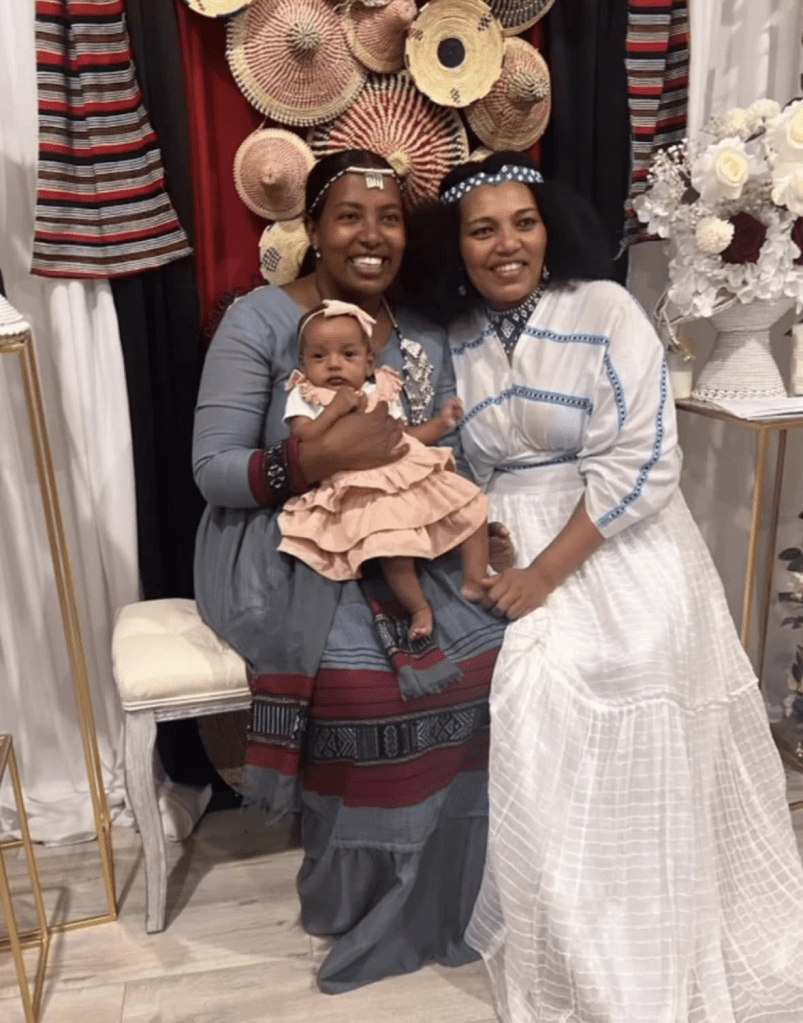
Shanan: Strengthening Community Bonds Through Motherhood Rituals
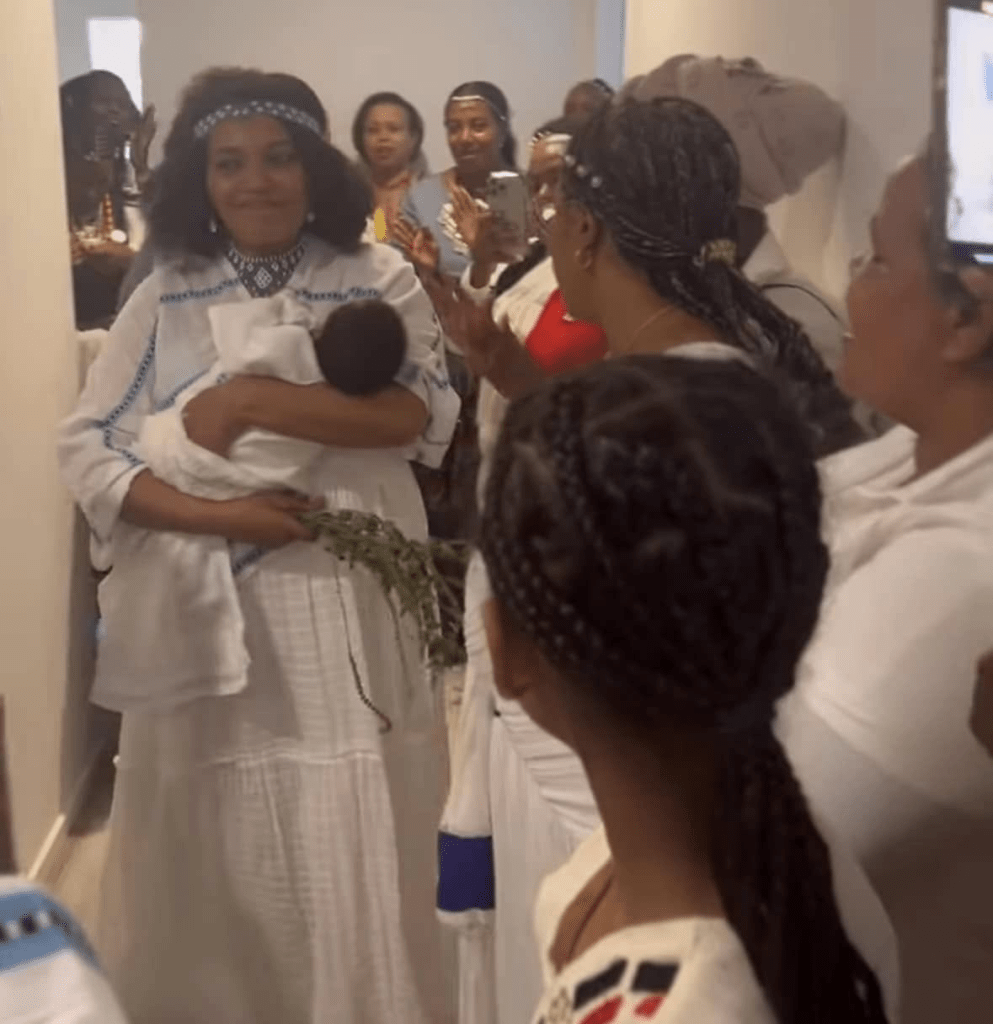
Traditionally, on the fifth day after a woman gives birth, family, neighbors and friends gather to encourage her to give birth. This arrangement is called ‘Shanan’. On the Shanan, the blessings and care of the ‘marqaa’ food for delivery will be served and they encourage the midwife to get up strong and endure the pain of childbirth. This article explores how this culture strengthens the mother and increases her respect in society.
The Shanan tradition, observed on the fifth day after a woman gives birth, is a deeply rooted cultural practice among the Oromo people and other communities in Ethiopia. This ritual, which involves family, neighbors, and friends gathering to support the new mother, plays a significant role in strengthening the mother emotionally, socially, and culturally. It also enhances her respect and status within the community. Here’s an exploration of how the Shanan culture strengthens the mother and increases her respect in society:
1. Emotional and Psychological Support
- Encouragement and Motivation: During the Shanan, the community gathers to encourage the mother, acknowledging the physical and emotional challenges of childbirth. This collective support helps her feel valued and strengthens her mental resilience.
- Alleviating Postpartum Stress: The presence of loved ones and their words of encouragement can reduce feelings of isolation, anxiety, or postpartum depression, which are common after childbirth.
2. Physical Recovery and Nourishment
- Provision of ‘Marqaa’ Food: The special food served during Shanan, known as marqaa, is often nutrient-rich and designed to aid the mother’s recovery. This traditional practice ensures that the mother receives the necessary nourishment to regain her strength.
- Rest and Care: The Shanan tradition emphasizes the importance of rest for the new mother. By taking over household chores and childcare responsibilities, the community allows her to focus on healing and bonding with her newborn.
3. Strengthening Social Bonds
- Community Solidarity: The gathering of family, neighbors, and friends during Shanan reinforces social bonds and demonstrates the collective responsibility of the community in supporting its members. This fosters a sense of belonging and unity.
- Intergenerational Connection: Elders often share wisdom and advice during Shanan, passing down cultural knowledge and parenting practices to younger generations. This strengthens cultural continuity and intergenerational relationships.
4. Cultural Recognition and Respect
- Celebration of Motherhood: The Shanan ritual celebrates the mother’s role in bringing new life into the community. By honoring her during this event, the community acknowledges the sacrifices and challenges of childbirth, elevating her status and respect.
- Recognition of Strength and Endurance: The tradition highlights the mother’s strength and resilience in enduring the pain of childbirth. This recognition reinforces her value and dignity within the society.
5. Empowerment Through Ritual
- Ritual as a Source of Strength: The Shanan ceremony is not just a social event but also a cultural ritual that empowers the mother. The blessings, prayers, and traditional practices performed during Shanan are believed to provide spiritual and emotional strength.
- Affirmation of Identity: By participating in this culturally significant event, the mother reaffirms her identity and connection to her heritage, which can be a source of pride and empowerment.
6. Promoting Gender Roles and Equality
- Valuing Women’s Contributions: The Shanan tradition underscores the importance of women’s roles in society, particularly as mothers and caregivers. This recognition can contribute to a broader appreciation of women’s contributions in other areas of life.
- Community Responsibility: While the mother is the focus of the Shanan, the event also highlights the shared responsibility of the community in supporting mothers and families, promoting a sense of collective care and equality.
7. Preserving Cultural Heritage
- Transmission of Traditions: The Shanan ritual is an important cultural practice that preserves and transmits Oromo traditions to future generations. By participating in this event, the community ensures that these values and practices are not lost.
- Cultural Pride: The celebration of Shanan fosters cultural pride and identity, not only for the mother but for the entire community. It reinforces the importance of cultural practices in maintaining social cohesion.
Conclusion:
The Shanan tradition is a powerful cultural practice that strengthens the mother emotionally, physically, and socially while increasing her respect and status within the community. By providing support, nourishment, and recognition, this ritual highlights the collective responsibility of the community in caring for its members. It also preserves cultural heritage and promotes gender equality by valuing women’s roles and contributions. Through Shanan, the Oromo people demonstrate the enduring importance of community, tradition, and respect in strengthening individuals and society as a whole.
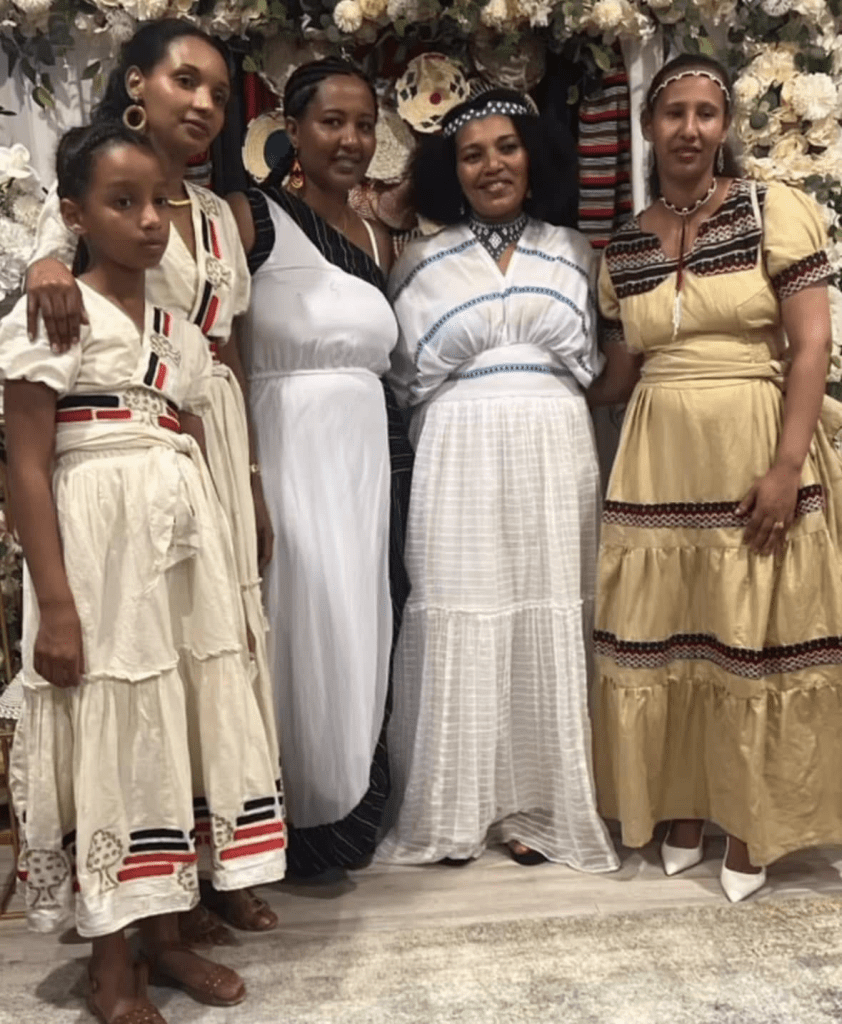
Strengthening Oromo Connections Through Community Gatherings

The Federation of Oromo Civic Organizations in Australia & Oromo Seniors Welfare and Benevolent Association in Victoria held a dinner event on February 1st, 2025, Melbourne Australia. What are the benefits of bringing the community together in this way in promoting and strengthening health and connections?
Bringing the Oromo community together through events like the dinner organized by the Federation of Oromo Civic Organizations in Australia and the Oromo Seniors Welfare and Benevolent Association in Victoria on February 1, 2025, in Melbourne, Australia, offers numerous benefits in promoting and strengthening health and communication within the community. These benefits include:
1. Strengthening Social Bonds
- Community Cohesion: Such events foster a sense of belonging and unity among Oromo individuals and families, especially in the diaspora. This helps to combat feelings of isolation and strengthens the collective identity of the Oromo community.
- Intergenerational Connection: Bringing together seniors, youth, and children encourages intergenerational dialogue, allowing elders to share cultural knowledge and traditions while younger generations contribute fresh perspectives.
2. Promoting Mental and Emotional Well-being
- Reducing Isolation: For many in the diaspora, especially seniors, such gatherings provide a sense of connection and reduce feelings of loneliness or alienation.
- Cultural Affirmation: Celebrating Oromo culture, language, and traditions in a supportive environment boosts self-esteem and mental well-being, particularly for younger generations navigating dual identities.
3. Enhancing Communication
- Open Dialogue: Events like these create opportunities for open discussions about community issues, challenges, and successes, fostering better understanding and collaboration.
- Information Sharing: They serve as platforms to share important information about resources, services, and initiatives that benefit the community, such as health programs, educational opportunities, or advocacy efforts.
4. Promoting Physical Health
- Health Awareness: These gatherings can include health education sessions, screenings, or workshops, raising awareness about common health issues and encouraging preventive care.
- Healthy Socializing: Shared meals and activities promote healthy social interactions, which are linked to improved physical and mental health outcomes.
5. Empowering the Community
- Collective Problem-Solving: By bringing people together, these events enable the community to identify shared challenges and work collaboratively on solutions, such as addressing barriers to healthcare or advocating for cultural recognition.
- Leadership Development: They provide opportunities for emerging leaders to engage with the community, build networks, and develop skills in organizing and advocacy.
6. Preserving and Promoting Oromo Culture
- Cultural Continuity: Events like these help preserve Oromo traditions, language, and customs, ensuring they are passed down to future generations.
- Cultural Pride: Celebrating Oromo heritage in a public setting fosters pride and confidence in the community’s identity, which is especially important in a multicultural society like Australia.
7. Building Bridges with Wider Society
- Raising Awareness: These events can also serve as a platform to educate non-Oromo Australians about Oromo culture, history, and contributions, fostering mutual understanding and respect.
- Advocacy and Solidarity: By showcasing the Oromo community’s unity and resilience, such gatherings can attract support from other communities and organizations for Oromo causes.
8. Encouraging Civic Engagement
- Community Participation: Events like these encourage active participation in civic and cultural activities, strengthening the community’s voice and influence in Australian society.
- Volunteerism: They provide opportunities for community members to contribute their time and skills, fostering a culture of volunteerism and mutual support.
Conclusion:
The dinner event organized by the Federation of Oromo Civic Organizations in Australia and the Oromo Seniors Welfare and Benevolent Association in Victoria is a powerful example of how bringing the community together can promote health, connection, and unity. By fostering social bonds, preserving culture, and addressing shared challenges, such events play a vital role in strengthening the Oromo community in the diaspora and ensuring its resilience and prosperity for future generations.


How Bariisaa Newspaper Raised Political Awareness in the Oromo Community

Bariisaa Newspaper played a significant role in strengthening and promoting the Oromo struggle for justice, equality, and self-determination. As one of the pioneering Oromo-language publications, Bariisaa served as a critical platform for raising awareness, mobilizing the Oromo community, and advocating for their rights. Its contributions can be summarized as follows:
1. Promoting Afaan Oromo and Cultural Identity
- Bariisaa was one of the first newspapers to publish in Afaan Oromo, the Oromo language, at a time when the language was marginalized and suppressed by the Ethiopian government. By using Afaan Oromo, Bariisaa helped to revitalize and preserve Oromo culture, history, and identity, fostering a sense of pride and unity among the Oromo people.
2. Raising Political Awareness
- The newspaper played a crucial role in educating the Oromo public about their political and social rights. It addressed issues such as land dispossession, marginalization, and the need for self-determination, empowering the Oromo people to understand and challenge systemic oppression.
3. Documenting Historical and Contemporary Issues
- Bariisaa documented the historical injustices faced by the Oromo people, including the legacy of colonization, land grabs, and cultural suppression. It also covered contemporary issues, such as government crackdowns on dissent, making it a valuable resource for understanding the Oromo struggle.
4. Mobilizing the Oromo Public
- Through its reporting, Bariisaa helped to mobilize the Oromo community, particularly the youth, by highlighting the importance of collective action and resistance. It played a role in inspiring the Oromo protests and movements that emerged in later years.
5. Challenging Government Propaganda
- Bariisaa provided an alternative narrative to the Ethiopian government’s portrayal of the Oromo people and their struggle. By countering misinformation and propaganda, it helped to build a more accurate and empowering narrative for the Oromo community.
6. Fostering Intellectual Discourse
- The newspaper served as a platform for Oromo intellectuals, writers, and activists to share their ideas and perspectives. This fostered a culture of critical thinking and intellectual engagement, which was essential for the growth of the Oromo national movement.
7. Inspiring Future Media and Activism
- Bariisaa laid the groundwork for future Oromo media outlets, such as the Oromia Media Network (OMN), by demonstrating the power of independent media in advancing the Oromo struggle. Its legacy inspired a new generation of journalists and activists to continue the fight for justice and equality.
8. Facing Challenges and Resilience
- Like many independent media outlets, Bariisaa faced significant challenges, including censorship, harassment, and restrictions from the Ethiopian government. Despite these obstacles, it remained a resilient and influential voice for the Oromo people.
Conclusion:
Bariisaa Newspaper was a trailblazer in the Oromo struggle, using the power of the press to promote Afaan Oromo, raise political awareness, document injustices, and mobilize the Oromo community. Its contributions laid the foundation for the broader Oromo national movement and inspired future generations to continue the fight for justice, equality, and self-determination. Bariisaa’s legacy remains a testament to the importance of media in advancing social and political change.
The Role of Oromia Media Network in Oromo Struggle

The Oromia Media Network (OMN) played a pivotal role in strengthening and promoting the Oromo struggle for justice, equality, and self-determination. As an independent media outlet, OMN served as a critical platform for the Oromo people, addressing historical grievances, documenting ongoing challenges, and mobilizing the community. Its contributions can be summarized as follows:
1. Amplifying Oromo Voices
- OMN provided a platform for the Oromo people to share their stories, struggles, and aspirations, which were often marginalized or suppressed in mainstream Ethiopian media. This helped to elevate the Oromo narrative and bring attention to their cause.
2. Raising Awareness of Human Rights Violations
- OMN documented and reported on widespread human rights abuses, including land dispossession, political repression, extrajudicial killings, and mass arrests targeting the Oromo people. This reporting brought international attention to the plight of the Oromo and pressured the Ethiopian government to address these issues.
3. Mobilizing the Oromo Youth (Qeerroo)
- OMN played a key role in mobilizing the Oromo youth, who became a driving force in the struggle for change. Through its coverage of protests, demonstrations, and resistance movements, OMN inspired unity and collective action among the Oromo people.
4. Promoting Oromo Culture and Identity
- OMN highlighted Oromo culture, language (Afaan Oromo), and history, fostering a sense of pride and identity among the Oromo people. This cultural revitalization was crucial in countering decades of marginalization and assimilation policies.
5. Countering Government Propaganda
- OMN provided an alternative narrative to the Ethiopian government’s portrayal of the Oromo struggle, challenging misinformation and offering a more accurate representation of the issues. This helped to build solidarity and trust within the Oromo community.
6. Connecting the Oromo Diaspora
- OMN served as a bridge between the Oromo diaspora and those in Ethiopia, keeping the global Oromo community informed and engaged in the struggle. This connection strengthened international advocacy efforts and brought global attention to the Oromo cause.
7. Advocating for Political Change
- OMN’s coverage of the Oromo protests (2014–2018) and its role in exposing government crackdowns contributed to the eventual political changes in Ethiopia, including the resignation of Prime Minister Hailemariam Desalegn and the rise of Abiy Ahmed in 2018.
8. Facing Challenges and Resilience
- Despite facing significant challenges, including censorship, harassment, and legal battles, OMN remained a resilient and vital tool for the Oromo struggle. Its commitment to truth-telling and advocacy made it a cornerstone of the movement.
Conclusion:
The Oromia Media Network was instrumental in strengthening and promoting the Oromo struggle by amplifying voices, documenting injustices, mobilizing the community, and fostering cultural pride. Its work not only empowered the Oromo people but also brought international attention to their cause, contributing to significant political and social changes in Ethiopia. OMN’s legacy remains a testament to the power of media in advancing justice and equality.
How Oromo Voice Radio Amplifies Community Voices

Oromo Voice Radio (OVR) has played a significant role in promoting, strengthening, and advancing the Oromo struggle for justice, equality, and self-determination. As a prominent Oromo media outlet, OVR has been instrumental in empowering the Oromo people, preserving their identity, and mobilizing support for their cause. Below are the key roles Oromo Voice Radio has played in the Oromo struggle:
1. Promoting Oromo Identity and Culture
- Preservation of Language: OVR has been critical in promoting and preserving Afaan Oromoo (the Oromo language), which was historically suppressed under Ethiopian regimes. By broadcasting in Afaan Oromoo, OVR has ensured the language’s survival and growth.
- Cultural Revival: OVR has played a key role in reviving and promoting Oromo cultural practices, such as the Gadaa system, Irreecha (thanksgiving festival), traditional music, and poetry. This has strengthened the Oromo people’s sense of identity and pride.
2. Amplifying Oromo Voices
- Countering Marginalization: OVR has provided a platform for Oromo voices that were historically excluded or misrepresented in mainstream Ethiopian media. It has allowed the Oromo people to tell their own stories and share their perspectives.
- Challenging Dominant Narratives: By challenging the dominant narratives propagated by the Ethiopian state, OVR has exposed the injustices faced by the Oromo people and highlighted their contributions to Ethiopia and the Horn of Africa.
3. Mobilizing the Oromo Community
- Political Mobilization: OVR has been a powerful tool for mobilizing the Oromo people around shared political goals, such as self-determination, equality, and justice. It played a crucial role in organizing movements like the Oromo protests of 2014–2018, which brought global attention to the Oromo struggle.
- Unity and Solidarity: OVR has fostered unity and solidarity among the Oromo people, both within Ethiopia and in the diaspora. It has connected Oromo communities across different regions and countries, creating a sense of shared purpose.
4. Advocating for Oromo Rights
- Human Rights Advocacy: OVR has documented and exposed human rights abuses, such as land dispossession, extrajudicial killings, and mass arrests, faced by the Oromo people. This has drawn attention to the Oromo struggle and pressured the Ethiopian government and international community to take action.
- Self-Determination: OVR has been a key platform for advocating for the Oromo people’s right to self-determination, whether within a reformed Ethiopian federation or as an independent state.
5. Educating and Raising Awareness
- Historical and Cultural Education: OVR has educated the Oromo people and the broader public about Oromo history, culture, and contributions. This has combated misinformation and fostered a sense of pride and unity among the Oromo.
- Current Affairs: OVR keeps the community informed about political developments, social issues, and events affecting the Oromo people, empowering them to make informed decisions.
6. Building Global Solidarity
- International Advocacy: OVR has raised global awareness about the Oromo struggle, garnering support from international organizations, governments, and human rights groups.
- Diaspora Engagement: OVR has connected Oromo communities in the diaspora, enabling them to contribute to the struggle through advocacy, fundraising, and awareness campaigns.
7. Empowering the Oromo Youth
- Role Models and Inspiration: OVR highlights the achievements and contributions of Oromo individuals, providing role models for younger generations and inspiring them to take an active role in the struggle.
- Digital Activism: Young Oromo activists have used OVR and social media platforms to organize protests, share news, and advocate for Oromo rights.
8. Strengthening Resistance Against Oppression
- Countering State Propaganda: OVR serves as a counterbalance to state-controlled media, which often perpetuates propaganda and suppresses dissent. It provides an alternative source of information and analysis.
- Documenting Injustices: By documenting human rights abuses and other injustices, OVR ensures that these issues are not ignored or forgotten, holding the Ethiopian government accountable.
9. Facilitating Dialogue and Debate
- Platform for Discussion: OVR provides a platform for dialogue and debate on issues affecting the Oromo community, fostering critical thinking and informed decision-making.
- Cultural Exchange: OVR facilitates cultural exchange and understanding between the Oromo people and other communities, both within Ethiopia and globally.
10. Supporting the Oromo Struggle for Self-Determination
- Advocacy for Self-Determination: OVR has been instrumental in advocating for the Oromo people’s right to self-determination, whether within a reformed Ethiopian federation or as an independent state.
- Mobilizing Support: OVR mobilizes support for the Oromo struggle, both within Ethiopia and internationally, by highlighting the injustices faced by the Oromo people and the need for systemic change.
Conclusion
Oromo Voice Radio has been a cornerstone of the Oromo struggle, empowering the Oromo people to preserve their identity, advocate for their rights, and mobilize for justice and equality. By amplifying Oromo voices, challenging dominant narratives, and fostering global solidarity, OVR has played a transformative role in advancing the Oromo struggle. Despite facing significant challenges, OVR continues to be a powerful tool for change, ensuring that the Oromo people’s stories are heard and their demands are met.
How Qaalluu Leaders Empower the Oromo Community
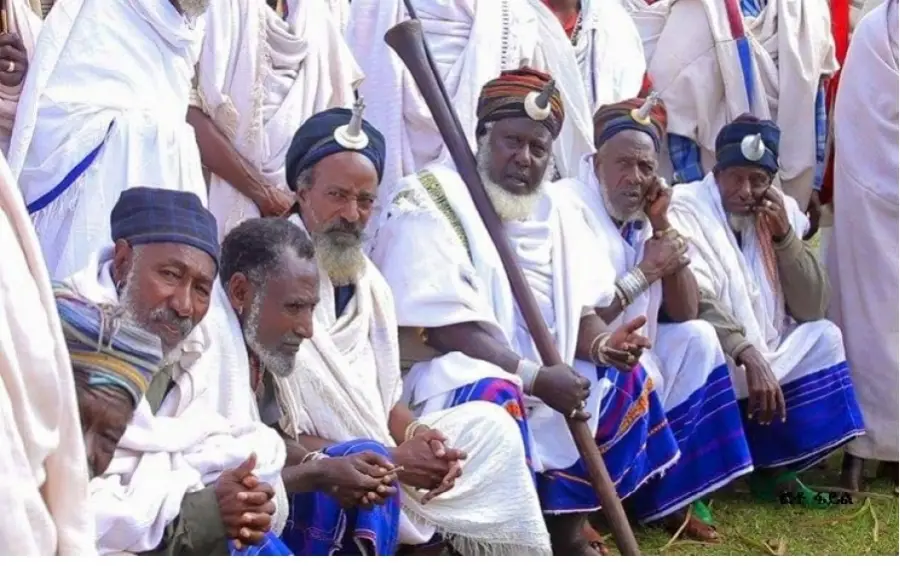
The Qaalluu (also spelled Qallu or Qaallu) are traditional religious leaders in the Oromo culture and play a significant role in the spiritual, social, and cultural life of the Oromo people. The Qaalluu institution is deeply rooted in the Waaqeffannaa religion, the indigenous faith of the Oromo, which centers on the worship of Waaqa (God). Qaalluu leaders are highly respected and serve as intermediaries between the community and the divine. Their contributions to strengthening and empowering the community are multifaceted and deeply impactful.
Roles of Qaalluu in Strengthening and Empowering the Community
1. Spiritual Guidance and Ritual Leadership
- Role: Qaalluu leaders conduct religious rituals, prayers, and ceremonies, such as Irreecha (thanksgiving festival), and provide spiritual guidance to the community.
- Impact: They help maintain spiritual harmony, connect the community to its cultural and religious roots, and foster a sense of unity and identity.
2. Preservation of Cultural and Religious Heritage
- Role: Qaalluu leaders are custodians of Oromo traditions, oral history, and the Waaqeffannaa faith. They pass down knowledge, rituals, and values to younger generations.
- Impact: This preserves the Oromo cultural and religious identity, ensuring that traditions are not lost and continue to empower future generations.
3. Conflict Resolution and Peacebuilding
- Role: Qaalluu leaders often act as mediators in conflicts, using traditional methods of reconciliation and forgiveness to resolve disputes within the community.
- Impact: Their role in peacebuilding promotes social harmony, reduces violence, and strengthens relationships among community members.
4. Moral and Ethical Leadership
- Role: Qaalluu leaders promote ethical behavior, honesty, and respect for others through their teachings and personal example.
- Impact: This fosters a community grounded in strong moral values, reducing corruption and promoting trust and cooperation.
5. Community Cohesion and Unity
- Role: Qaalluu leaders organize and lead community gatherings, festivals, and ceremonies that bring people together.
- Impact: These events foster a sense of belonging, solidarity, and shared identity, which are essential for a strong and cohesive community.
6. Counseling and Emotional Support
- Role: Qaalluu leaders provide guidance and support to individuals and families facing personal, emotional, or spiritual challenges.
- Impact: Their counseling helps resolve conflicts, heal relationships, and provide emotional stability to community members.
7. Advocacy for Social Justice
- Role: Qaalluu leaders often advocate for fairness, equality, and the rights of marginalized groups within the community.
- Impact: Their advocacy can lead to positive social change, empower vulnerable populations, and promote inclusivity.
8. Environmental Stewardship
- Role: In the Waaqeffannaa faith, nature is considered sacred, and Qaalluu leaders emphasize the importance of protecting the environment.
- Impact: This promotes sustainable practices, environmental conservation, and respect for natural resources.
9. Role Modeling and Mentorship
- Role: Qaalluu leaders serve as role models, inspiring others through their wisdom, humility, and commitment to service.
- Impact: Their mentorship guides young people and community members toward positive life choices and personal growth.
10. Strengthening Family and Community Values
- Role: Qaalluu leaders emphasize the importance of family values, respect for elders, and community solidarity.
- Impact: This strengthens family units, reduces domestic conflicts, and creates a stable environment for children.
Challenges Faced by Qaalluu Leaders
While Qaalluu leaders play a vital role in their communities, they also face challenges, including:
- The erosion of traditional practices due to modernization and external influences.
- Limited resources to address the needs of their communities.
- Balancing traditional roles with the demands of a changing society.
Conclusion
The Qaalluu institution is a cornerstone of Oromo culture and spirituality. Qaalluu leaders contribute significantly to strengthening and empowering their communities by providing spiritual guidance, preserving cultural heritage, resolving conflicts, and promoting moral and ethical values. Their work fosters unity, resilience, and a deep sense of identity among the Oromo people. Recognizing and supporting the role of Qaalluu leaders is essential for the continued preservation and empowerment of Oromo culture and community.

The Essential Role of Sheikhs in Community Empowerment
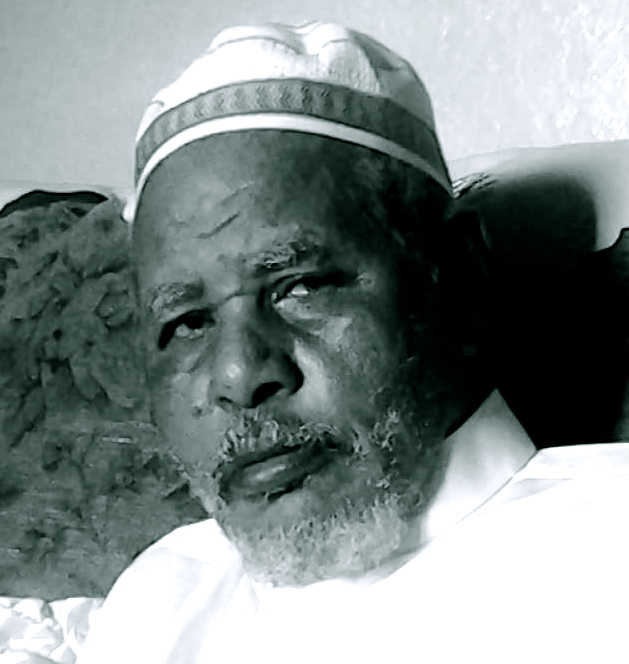
Sheikhs, as religious and community leaders in Islamic societies, play a vital role in strengthening and empowering their communities. Their contributions extend beyond spiritual guidance to include social, educational, and moral leadership. Here are some key roles that sheikhs play in strengthening and empowering communities:
1. Spiritual Guidance and Religious Education
- Role: Sheikhs provide spiritual guidance, teach Islamic principles, and help community members understand their faith.
- Impact: This fosters a sense of purpose, moral grounding, and spiritual well-being among individuals.
2. Moral and Ethical Leadership
- Role: Sheikhs promote ethical behavior, honesty, and integrity through their teachings and personal example.
- Impact: This helps build a community grounded in strong moral values, reducing corruption and promoting trust.
3. Counseling and Emotional Support
- Role: Sheikhs often act as counselors, offering advice and support to individuals and families facing personal, marital, or emotional challenges.
- Impact: Their guidance helps resolve conflicts, heal relationships, and provide emotional stability.
4. Community Building and Social Cohesion
- Role: Sheikhs organize religious gatherings, such as Friday prayers (Jumu’ah), Eid celebrations, and community events.
- Impact: These activities foster unity, solidarity, and a sense of belonging among community members.
5. Advocacy for Social Justice
- Role: Many sheikhs advocate for justice, equality, and the rights of marginalized groups, aligning with Islamic principles of fairness and compassion.
- Impact: Their advocacy can lead to positive social change, empower vulnerable populations, and promote inclusivity.
6. Education and Empowerment
- Role: Sheikhs often lead or support educational initiatives, such as Quranic schools (Madrasas), literacy programs, and vocational training.
- Impact: These efforts empower individuals with knowledge and skills, improving their livelihoods and contributing to community development.
7. Conflict Resolution and Peacebuilding
- Role: Sheikhs frequently act as mediators in conflicts, using Islamic principles of forgiveness and reconciliation to resolve disputes.
- Impact: Their role in peacebuilding promotes harmony, reduces violence, and strengthens relationships within the community.
8. Charitable Work and Humanitarian Aid
- Role: Sheikhs often lead or support charitable initiatives, such as Zakat (obligatory almsgiving), Sadaqah (voluntary charity), and community welfare programs.
- Impact: These efforts address immediate needs, alleviate poverty, and demonstrate compassion and solidarity.
9. Role Modeling and Mentorship
- Role: Sheikhs serve as role models, inspiring others through their piety, humility, and commitment to service.
- Impact: Their mentorship guides young people and community members toward positive life choices and personal growth.
10. Promoting Family Values and Stability
- Role: Sheikhs emphasize the importance of family values, marriage, and parenting through teachings and counseling.
- Impact: This strengthens family units, reduces domestic conflicts, and creates a stable environment for children.
11. Encouraging Community Development
- Role: Sheikhs may initiate or support community development projects, such as building mosques, schools, clean water systems, or healthcare facilities.
- Impact: These projects improve the quality of life for community members and contribute to long-term development.
12. Preserving Cultural and Religious Identity
- Role: Sheikhs play a key role in preserving and promoting Islamic culture, traditions, and values.
- Impact: This helps maintain a strong cultural and religious identity, especially in diverse or changing societies.
Challenges Faced by Sheikhs:
While sheikhs play a vital role in communities, they also face challenges, including:
- Limited resources to address the needs of their communities.
- Balancing religious duties with social and community responsibilities.
- Navigating cultural or political pressures in their work.
Conclusion:
Sheikhs are integral to the fabric of many communities, particularly in Islamic societies. Their contributions go beyond spiritual leadership, encompassing social, educational, and developmental support. By addressing both the spiritual and practical needs of their communities, sheikhs play a crucial role in empowering individuals, strengthening families, and fostering unity and resilience. Recognizing and supporting their work can lead to stronger, more vibrant communities.




 Advocacy for Oromia