Celebrating Oromo Women on International Women’s Day
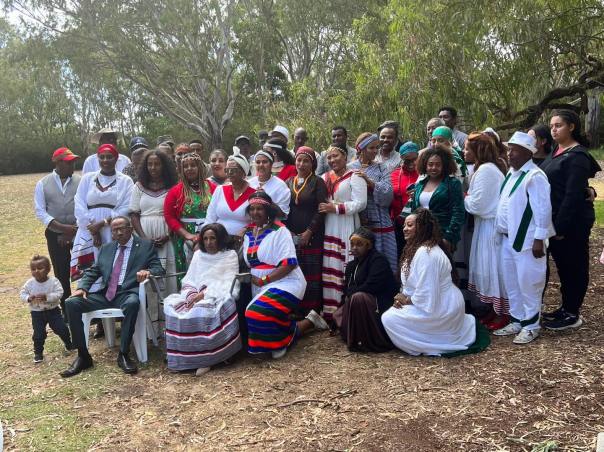
The role of Oromo women in the struggle for Oromo freedom is significant and multifaceted, and it is important to highlight their contributions, especially in the context of International Women’s Day (March 8). This day celebrates the social, economic, cultural, and political achievements of women globally, while also advocating for gender equality and women’s rights. Oromo women have been at the forefront of the Oromo struggle for freedom, justice, and equality, both within their community and in the broader Ethiopian and global context.
Key Contributions of Oromo Women in the Struggle for Oromo Freedom:
1. Political Activism and Leadership:
– Oromo women have played critical roles in political movements, including the Oromo Liberation Front (OLF) and other organizations advocating for Oromo rights. They have served as leaders, organizers, and strategists, challenging both the Ethiopian state’s oppression and patriarchal norms within their own society.
– Women like Kuwe Kumsa and others have been instrumental in mobilizing communities and advocating for Oromo self-determination.
2. Cultural Preservation and Advocacy:
– Oromo women have been custodians of Oromo culture, language (Afaan Oromo), and traditions, ensuring that these elements survive despite decades of marginalization and assimilation policies by the Ethiopian state.
– Through cultural practices, songs, and storytelling, they have kept the spirit of resistance alive and passed it down to younger generations.
3. Grassroots Mobilization:
– Oromo women have been active in grassroots movements, organizing protests, rallies, and community initiatives to resist oppression and demand justice. Their involvement in the 2014–2018 Oromo protests, for example, was pivotal in bringing international attention to the Oromo struggle.
– They have also been key in providing support to families of political prisoners and victims of state violence.
4. Advocacy for Gender Equality:
– Within the Oromo struggle, women have fought not only for national liberation but also for gender equality. They have challenged patriarchal structures within their own society, advocating for women’s rights to education, political participation, and economic independence.
– Organizations like the Oromo Women’s Charitable Organization (OWCO) and others have worked to empower Oromo women and address issues such as gender-based violence and discrimination.
5. International Advocacy:
– Oromo women in the diaspora have been vocal in raising awareness about the Oromo struggle on international platforms. They have used social media, academic forums, and international organizations to highlight human rights abuses and advocate for justice.
– Their efforts have helped build global solidarity and draw attention to the plight of the Oromo people.
6. Resilience and Sacrifice:
– Oromo women have endured immense suffering, including imprisonment, torture, and loss of loved ones, yet they have remained resilient. Their courage and determination have inspired countless others to join the struggle for freedom and justice.
International Women’s Day and the Oromo Struggle:
On International Women’s Day, it is crucial to recognize the intersection of gender and national liberation struggles. Oromo women embody the spirit of this day by fighting for both their rights as women and the freedom of their people. Their contributions highlight the importance of including women’s voices and leadership in liberation movements and the broader fight for social justice.
Conclusion:
The role of Oromo women in the struggle for Oromo freedom is a testament to their strength, resilience, and commitment to justice. On International Women’s Day, their stories remind us of the interconnectedness of gender equality and national liberation. By honoring their contributions, we not only celebrate their achievements but also reaffirm the importance of women’s leadership in the global fight for freedom and equality.

Posted on March 8, 2025, in Uncategorized. Bookmark the permalink. Leave a comment.




 Advocacy for Oromia
Leave a comment
Comments 0