Celebrate International Day of Forests: Protect Our Future
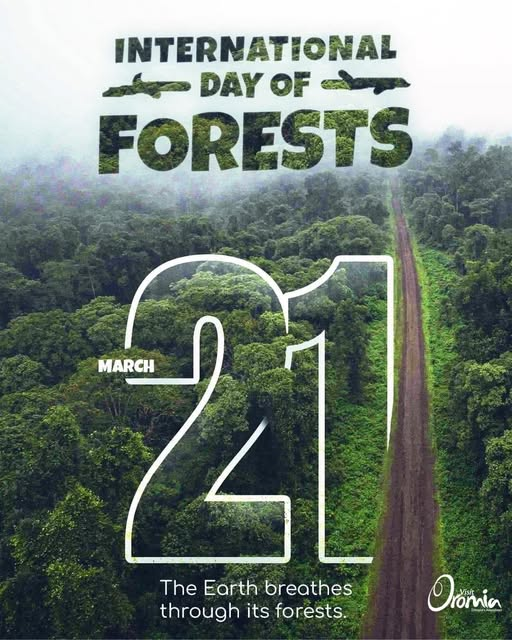
The International Day of Forests, celebrated on March 21, is a global observance dedicated to raising awareness about the importance of forests and trees for the health of our planet and the well-being of future generations. The theme “Protect our forests, protect our future” underscores the critical role forests play in sustaining life on Earth. Here’s why forests matter and how we can contribute to their protection:
Why Forests Matter
- Biodiversity Hotspots:
Forests are home to more than 80% of terrestrial species, including plants, animals, and microorganisms. Protecting forests means safeguarding this incredible biodiversity. - Climate Regulation:
Forests act as the Earth’s lungs, absorbing carbon dioxide and releasing oxygen. They play a vital role in mitigating climate change by storing carbon and regulating global temperatures. - Water Cycle Support:
Forests influence the water cycle by absorbing rainfall, reducing runoff, and replenishing groundwater. They help prevent soil erosion and maintain the quality of freshwater sources. - Livelihoods and Economies:
Over 1.6 billion people depend on forests for their livelihoods, including food, medicine, and fuel. Forests also contribute to economies through timber, tourism, and other industries. - Cultural and Spiritual Significance:
Forests hold deep cultural and spiritual value for many communities around the world. They are often seen as sacred spaces and are integral to traditional practices and identities.
Threats to Forests
Despite their importance, forests face numerous threats, including:
- Deforestation:
The clearing of forests for agriculture, logging, and urban development is a major driver of forest loss. - Climate Change:
Rising temperatures, changing rainfall patterns, and extreme weather events threaten forest ecosystems. - Illegal Logging and Poaching:
Unregulated activities degrade forests and harm wildlife. - Pollution:
Air and water pollution can damage forest health and disrupt ecosystems.
How to Protect Our Forests
- Support Sustainable Practices:
Choose products certified by organizations like the Forest Stewardship Council (FSC), which promote responsible forest management. - Reduce, Reuse, Recycle:
Minimize paper and wood consumption by reducing waste, reusing materials, and recycling. - Plant Trees:
Participate in tree-planting initiatives or support organizations that work to restore forests. - Advocate for Policies:
Support policies and legislation that protect forests, promote reforestation, and combat illegal logging. - Raise Awareness:
Educate others about the importance of forests and the need to protect them. Use social media, community events, or school programs to spread the message. - Support Indigenous Communities:
Indigenous peoples are often the best stewards of forests. Support their rights and efforts to protect their lands. - Combat Climate Change:
Take action to reduce your carbon footprint, such as using renewable energy, conserving water, and supporting clean energy policies.
The Role of Forests in Oromia
In Oromia, forests are not only vital for the environment but also deeply intertwined with the culture and livelihoods of the Oromo people. The Oromo Gadaa system emphasizes the importance of living in harmony with nature, and traditional practices like Irreecha (thanksgiving festival) celebrate the connection between people and the natural world. Protecting forests in Oromia is essential for preserving biodiversity, supporting communities, and maintaining cultural heritage.
Conclusion
The International Day of Forests is a reminder that forests are indispensable to life on Earth. By protecting our forests, we are safeguarding our future—ensuring clean air, fresh water, biodiversity, and a stable climate for generations to come. Let us all take action, big or small, to protect and restore these precious ecosystems. Together, we can make a difference.
Protect our forests, protect our future! 🌳🌍

Posted on March 21, 2025, in Uncategorized. Bookmark the permalink. Leave a comment.




 Advocacy for Oromia
Leave a comment
Comments 0