Towards a world without racism
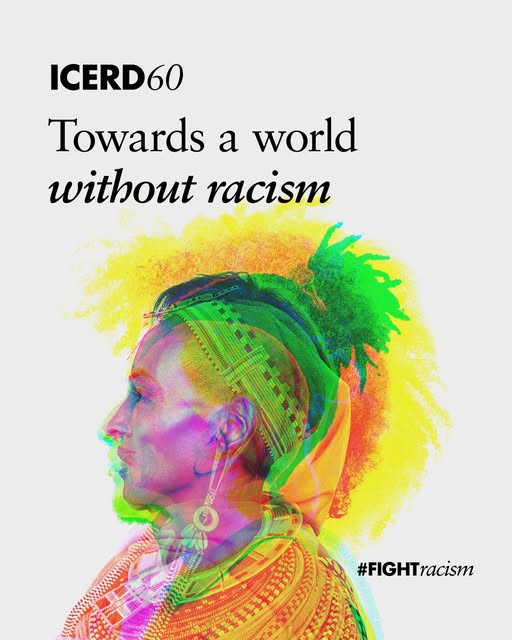
The vision of a world without racism is a powerful and aspirational goal that requires collective effort, awareness, and action. Racism, in all its forms, undermines human dignity, perpetuates inequality, and divides communities. Building a world free from racism involves addressing its root causes, challenging discriminatory practices, and fostering inclusivity and understanding. Here’s a roadmap for moving toward this vision:
1. Education and Awareness
Education is the foundation for combating racism. By raising awareness about the history, impact, and manifestations of racism, we can foster empathy and understanding.
- In Schools:
Integrate anti-racism education into curricula, teaching students about the history of racism, its consequences, and the importance of diversity and inclusion. - In Communities:
Organize workshops, seminars, and discussions to educate people about systemic racism, implicit bias, and privilege. - In Media:
Promote accurate and inclusive representation of all racial and ethnic groups in movies, TV shows, and news outlets.
2. Challenging Systemic Racism
Systemic racism is embedded in institutions, policies, and practices. Addressing it requires structural changes and accountability.
- Policy Reforms:
Advocate for policies that promote equity, such as criminal justice reform, fair housing laws, and equal employment opportunities. - Economic Justice:
Address racial disparities in wealth, income, and access to resources through initiatives like affirmative action, minority business support, and universal healthcare. - Legal Accountability:
Strengthen laws and enforcement mechanisms to combat hate crimes, discrimination, and racial profiling.
3. Promoting Inclusion and Representation
Inclusion ensures that everyone, regardless of race or ethnicity, has a voice and a seat at the table.
- Diverse Leadership:
Encourage diversity in leadership positions across sectors, including government, business, and education. - Cultural Celebrations:
Celebrate the contributions of all racial and ethnic groups through festivals, heritage months, and public art. - Safe Spaces:
Create spaces where marginalized communities can express themselves, share their experiences, and feel valued.
4. Building Empathy and Solidarity
Empathy and solidarity are essential for bridging divides and fostering unity.
- Intercultural Dialogue:
Facilitate conversations between people of different racial and ethnic backgrounds to build understanding and trust. - Allyship:
Encourage individuals to become allies by standing up against racism, amplifying marginalized voices, and supporting anti-racism initiatives. - Community Engagement:
Promote collaboration between diverse communities to address shared challenges and celebrate shared successes.
5. Addressing Implicit Bias
Implicit bias refers to the unconscious attitudes and stereotypes that influence our behavior. Tackling it requires self-reflection and intentional action.
- Training Programs:
Implement bias training in workplaces, schools, and law enforcement to help individuals recognize and address their biases. - Self-Education:
Encourage individuals to educate themselves about racism and reflect on their own biases and privileges. - Accountability:
Hold individuals and institutions accountable for discriminatory actions and practices.
6. Global Collaboration
Racism is a global issue that requires international cooperation and solidarity.
- International Advocacy:
Support global initiatives like the United Nations’ International Decade for People of African Descent and other efforts to combat racism worldwide. - Cross-Cultural Exchange:
Promote cultural exchange programs and partnerships that foster mutual understanding and respect. - Human Rights:
Advocate for the protection of human rights and the elimination of racial discrimination in all countries.
7. Celebrating Progress
While the journey toward a world without racism is ongoing, it’s important to celebrate progress and recognize the efforts of those working toward this goal.
- Role Models:
Highlight the achievements of anti-racism activists, leaders, and organizations. - Success Stories:
Share stories of communities and individuals who have overcome racism and built inclusive societies. - Hope and Inspiration:
Use these stories to inspire others to join the movement and believe in the possibility of change.
Conclusion
A world without racism is not just a dream; it is a necessity for a just, equitable, and peaceful society. Achieving this vision requires commitment, courage, and collaboration from individuals, communities, and nations. By educating ourselves, challenging systemic racism, promoting inclusion, and building empathy, we can move closer to a world where everyone is valued and respected, regardless of their race or ethnicity.
Let us all take action, big or small, to dismantle racism and create a future where diversity is celebrated, and equality is a reality. Together, we can build a world without racism. 🌍✊🏿✊🏾✊🏽✊🏼✊🏻

Posted on March 21, 2025, in Uncategorized. Bookmark the permalink. Leave a comment.




 Advocacy for Oromia
Leave a comment
Comments 0