Honoring Oromo Leaders: Jaal Dawud Ibsa and Prof. Merera Gudina
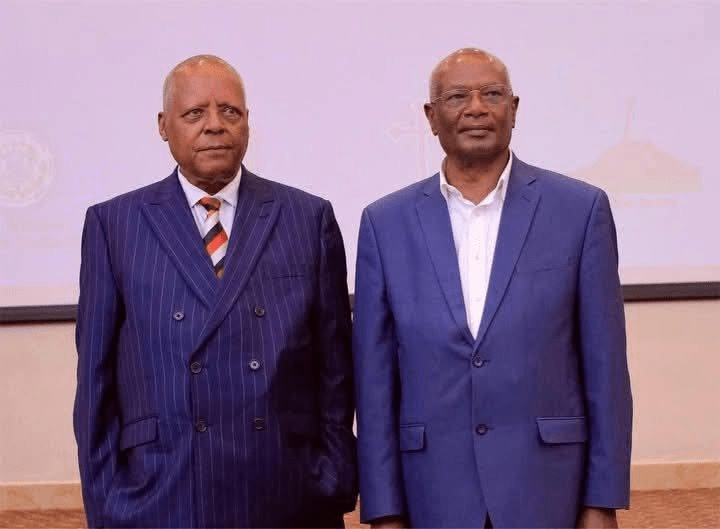
Respecting and listening to one’s elders and taking their advice is following the same system that the Oromo culture used to rule each other yesterday by the Elder and Younger. Therefore, these two Oromo elders, Jaal Dawud Ibsa and Prof. Merera Guddina deserve great care and respect.
The above statement underscores the deep-rooted cultural value of respecting and listening to elders within the Oromo community. This tradition is not only a hallmark of Oromo culture but also a reflection of the Gadaa system, a democratic and egalitarian governance structure that has guided the Oromo people for centuries. Here’s a deeper exploration of the significance of honoring elders like Jaal Dawud Ibsa and Prof. Merera Gudina, and how this practice aligns with Oromo cultural and historical traditions:
1. The Role of Elders in Oromo Culture
Elders hold a revered position in Oromo society. They are seen as custodians of wisdom, tradition, and justice. Their role includes:
- Guiding the Community:
Elders provide counsel on important matters, from conflict resolution to community development. - Preserving Culture:
They pass down oral histories, traditions, and cultural practices to younger generations. - Upholding Values:
Elders embody and promote core Oromo values such as safuu (respect), nagaa (peace), and bilisummaa (freedom).
2. The Gadaa System and Intergenerational Harmony
The Gadaa system is a traditional Oromo governance structure that emphasizes equality, democracy, and the harmonious coexistence of different age groups. Key aspects include:
- Elder-Younger Relationship:
The Gadaa system fosters mutual respect between elders and younger members of the community. Elders provide guidance, while younger members contribute energy and innovation. - Collective Decision-Making:
Decisions are made through consensus, with elders playing a central role in mediating discussions and ensuring fairness. - Cyclical Leadership:
Leadership roles rotate among age groups, ensuring that wisdom and experience are balanced with fresh perspectives.
3. Honoring Jaal Dawud Ibsa and Prof. Merera Gudina
Jaal Dawud Ibsa and Prof. Merera Gudina are exemplary figures who embody the values of wisdom, leadership, and service to the Oromo community. Their contributions deserve recognition and respect:
- Jaal Dawud Ibsa:
As a prominent Oromo leader and intellectual, Jaal Dawud Ibsa has dedicated his life to advocating for the rights and dignity of the Oromo people. His insights and leadership continue to inspire generations. - Prof. Merera Gudina:
A respected academic and political figure, Prof. Merera Gudina has played a pivotal role in advancing Oromo causes and promoting democratic governance. His scholarship and activism have made a lasting impact.
4. The Importance of Listening to Elders
Respecting and listening to elders is not just a cultural tradition but also a practical approach to navigating life’s challenges. Elders offer:
- Wisdom and Experience:
Their life experiences provide valuable lessons and guidance for younger generations. - Moral Compass:
Elders help uphold ethical standards and cultural values, ensuring the continuity of the community’s identity. - Conflict Resolution:
Their role as mediators helps maintain peace and harmony within the community.
5. Challenges and the Way Forward
While the tradition of honoring elders remains strong, modern challenges such as urbanization, globalization, and political instability can strain intergenerational relationships. To preserve this valuable tradition:
- Intergenerational Dialogue:
Encourage open and respectful communication between elders and younger generations. - Cultural Education:
Teach younger Oromos about the importance of the Gadaa system and the role of elders in their history and culture. - Support for Elders:
Ensure that elders are cared for and respected, both within families and at the community level.
Conclusion
Respecting and listening to elders like Jaal Dawud Ibsa and Prof. Merera Gudina is a timeless Oromo tradition that reflects the wisdom and values of the Gadaa system. By honoring their contributions and heeding their advice, we not only preserve our cultural heritage but also build a stronger, more united community. Let us continue to cherish and uphold this tradition, ensuring that the wisdom of our elders guides us toward a future of peace, justice, and prosperity.
Nagaa fi bilisummaaf! (For peace and freedom!) 🌍✨

Posted on March 23, 2025, in Uncategorized. Bookmark the permalink. Leave a comment.




 Advocacy for Oromia
Leave a comment
Comments 0