Daily Archives: March 26, 2025
Queen Gudit: The Oromo’s Unsung Legacy
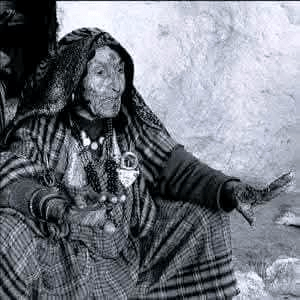
Here’s a more organized and clarified version of the historical text about the Oromo, Queen Gudit (Judith), and the Zagwe dynasty, with improved flow and academic tone:
The Oromo of Northern Ethiopia & Akoo Manooyyee: Reclaiming a Suppressed History
Queen Gudit (Judith): Contested Legacies
Known as:
- Akoo Manooyyee (“Grandmother of Wisdom”) to the Oromo
- A tyrannical usurper in Ethiopian royal chronicles
- “The Lioness Queen of Africa” in global histories
Origins & Rise:
- Tribe: Azabo/Azabo (from Asaboo/Ashaboo), a Cushitic Oromo group
- 9th Century Campaign: Mobilized an army, destroyed Aksum (Axum), and ruled northern Ethiopia for 40 years (c. 850–890 CE)
- Succession: Her dynasty, Hidda-Zagwe, ruled for 333 years (till c. 1221 CE)
The Zagwe Dynasty (Hidda-Zagwe)
- Name Origin: Za-Agaw or Za-Hagahu (Oromo: “Hate” or “Warrior” clan; linked to Agaw/Kushitic peoples)
- Capital: Roha (later renamed Lalibela after its most famous king)
- Religious Legacy:
- Spread Orthodox Christianity
- Commissioned 11 rock-hewn churches, including Lalibela’s iconic arches (carved by Oromo artisans)
- Lalibela translates to “See the Danger” in Oromo, reflecting defensive architecture
Oromo & Early Christianity
- First Converts: Oromo in Nubia/Tigray/Eritrea adopted Christianity 40–78 CE under Queen Gandakee Gorsamee Guddichaa
- Ark of Tsion Mariam: Built by Queen Gorsame (predating Axum’s Ezana conversion)
- Historical Revision: Ethiopian claims of 4th-century conversion (Ezana, c. 330 CE) are contested (Source: Bulto Hubechissa, “Hidden Apartheid in Ethiopia,” p. 573)
Language & Identity
- Ge’ez & Amharic:
- Ge’ez: Ancient liturgical language; 80% of Oromo historically spoke it
- Amharic: Emerged from Ge’ez and Agaw languages (9th century), not vice versa
Key Implications
- Oromo Primacy in Christianity: Challenges narratives that marginalize Oromo’s early role in Ethiopia’s religious history.
- Reclaiming Gudit: Her vilification reflects anti-Oromo bias in Ethiopian historiography.
- Zagwe as Oromo: Rock-hewn churches attest to Oromo craftsmanship and governance.
“A people without history are like trees without roots.” This revision centers Oromo agency in Ethiopia’s past.
#OromoHistory #AkooManooyyee #ZagweDynasty




 Advocacy for Oromia