Oromo Martyrs’ Day (April 15): Honoring the Fallen, Renewing the Struggle
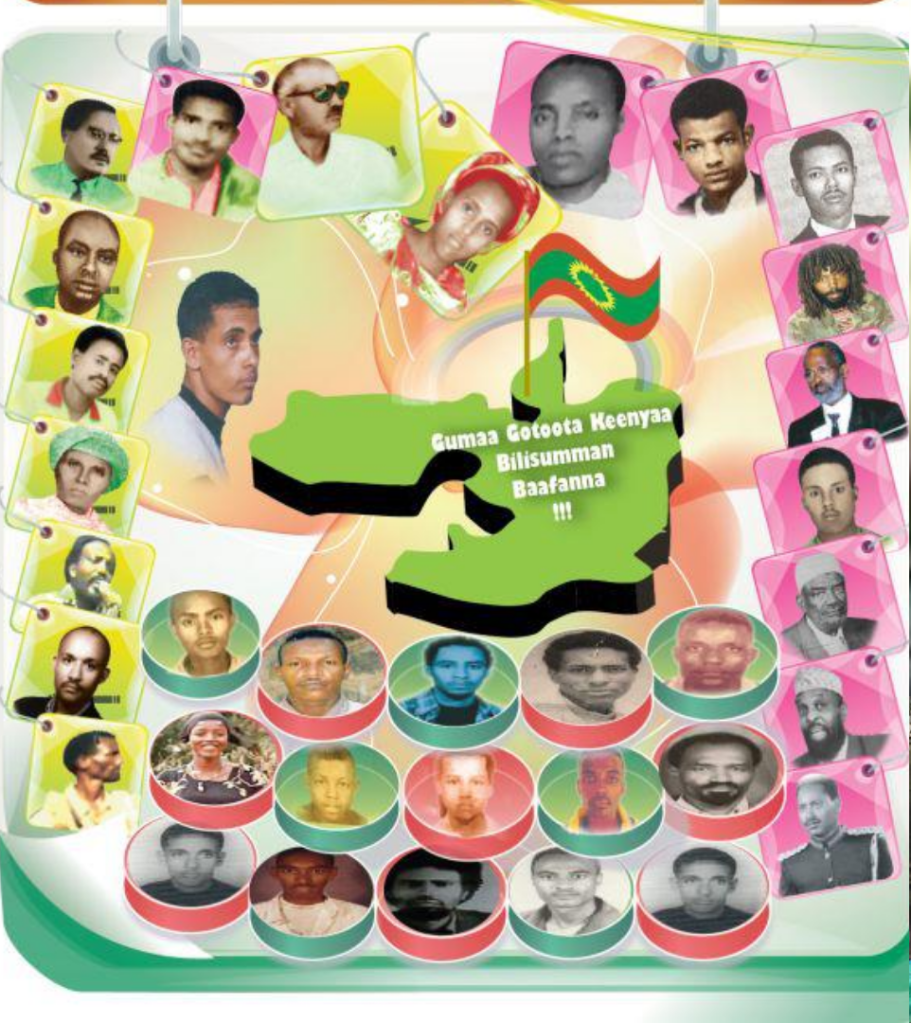
April 15 stands as a sacred day in the Oromo struggle—a day of remembrance, resistance, and recommitment to the cause for which countless heroes laid down their lives. This date marks Oromo Martyrs’ Day, commemorating the sacrifices of those who fought—and fell—for Oromo freedom, dignity, and self-determination.
1. Why April 15? The Shinnigga Massacre (1980)
On April 15, 1980, a defining tragedy struck the Oromo Liberation Front (OLF) when 11 of its top leaders were martyred in Shinnigga, Ogaden, in a brutal ambush.
The Martyrs of Shinnigga:
- Comrade Bariso Wabe (Jaal Magarsa Bari) – OLF Chairman
- Comrade Gada Gamada (Damise Tachane) – Deputy Chairman
- Comrade Abba Xiqi (Aboma Mitiku)
- Comrade Dori Bari (Yigazu Banti)
- Comrade Falmata (Umar Chachabsa)
- Comrade Fafam Doyo
- Comrade Irana Qachale (Dhinsa)
- Comrade Dhadacho Boru
- Comrade Dhadacho Mulata
- Comrade Mari Galan
The Betrayal & Heroism
- The leaders were ambushed by Somali militants and ordered to separate by religion (Muslims vs. Christians).
- They refused, declaring: “We are Oromos, united—we will not divide!”
- All were executed except one guide, who survived to tell the story.
The Aftermath: A Second Blow (December 1981)
The Gidamii Poisoning Betrayal (December 1981): A Dark Chapter in Oromo Struggle
The poisoning of Oromo Liberation Front (OLF) members in Gidamii, Begii, and surrounding areas in December 1981 remains one of the most treacherous acts of betrayal in Oromo history. This event, orchestrated by collaborators with the Ethiopian regime, led to the martyrdom of 16 OLF fighters—with only Jaal Daawud Ibsaa surviving.
1. How the Betrayal Unfolded
The Trap
- Food as a Weapon: A man named Zacharias Shorro (brother of Tadesse Shorro, an anti-OLF collaborator) was assigned to deliver food to OLF members.
- Coordinated by Ethiopian Officials:
- Nuguse Fanta (local administrator)
- Dirriba Mogga
- Hikka Masadi (Governor of Gidami District)
- Poisoned Grain: The food was laced with a deadly substance before being distributed.
The Aftermath
- Among 16 OLF Members:
- 10 in Gidami District poisoned.
- 6 in Begi District
- Only Survivor: Jaal Daawud Ibsaa (current OLF Chairman)
- He ate less of the food because he was busy leading operations.
- His survival exposed the conspiracy.
2. The Deeper Betrayal: Brother Against Brother
- Zacharias Shorro’s Role:
- His brother, Tadesse Shorro, was an active opponent of the OLF.
- Zacharias was forced/coerced into poisoning his own people.
- A Pattern of Collaboration:
- The Ethiopian regime used local informants to infiltrate and weaken the OLF.
- This event marked the beginning of systematic betrayals for political gain.
3. Why This Matters Today
A Lesson in Vigilance
- The Gidamii poisoning shows how enemies of the Oromo struggle exploited trust.
- It underscores the need for internal security in liberation movements.
A Call for Justice
- The perpetrators (Nuguse Fanta, Hikka Masadi, Zacharias Shorro) were never held accountable.
- Their actions represent war crimes—targeted assassinations via poisoning.
The Unbroken Spirit
Despite the betrayal, the OLF continued its struggle, proving that no act of treachery can extinguish the Oromo quest for freedom.
4. Remembering the Martyrs
The victims of the Gidamii Massacre are among the thousands of Oromo heroes who sacrificed for Bilisummaa (freedom). Their names may not all be recorded, but their legacy lives on in the Oromo resistance.
“A traitor may kill a fighter, but never a revolution.”
2. The Birth of Oromo Martyrs’ Day
- First commemorated in 1984 by the OLF Central Committee.
- Officially observed since 1985 every April 15.
- A day to honor all Oromo martyrs, from the Mecha-Tulama movement to the Irreecha Massacre victims (2016), Haacaaluu Hundeessaa (2020), and thousands of unnamed heroes.
3. How Oromos Remember: Rituals of Resistance
A. Ceremonies & Vigils
- Candlelight marches (where permitted, often underground).
- Silent protests at symbolic sites like Finfinnee or Madda Walaabuu (Oromo spiritual center).
- Weedduu (prayers) at rivers, invoking the martyrs’ names.
B. Art & Culture as Resistance
- Songs: Haacaaluu’s “Maalan Jira?” (“What Is My Fate?”) echoes martyrs’ voices.
- Poetry: Geerarsa (praise songs) for fallen heroes.
- Graffiti: “April 15—Qabsoon Itti Fufa!” (“The Struggle Continues!”)
C. The Shinniga Oath Campaign (2024)
- The Oromo Liberation Army (OLA) launched “Dula Irbuu Shinnigga” (Shinnigga Oath Offensive) against Abiy Ahmed’s regime.
- Objective: Weaken the Ethiopian National Defense Force (ENDF), which has resorted to forcibly recruiting Oromo children (some under 15 years old).
4. The Unfinished Struggle
The martyrs did not die in vain. Their legacy demands:
✅ Justice for the fallen (e.g., UN investigations into massacres).
✅ Freedom for political prisoners (e.g., Jawar Mohammed, Bekele Gerba).
✅ An end to forced conscription of Oromo youth.
✅ International pressure on Ethiopia to recognize Oromo rights.
5. A Vow to the Martyrs
“We will not let your blood dry in the sand.
We will not let your names fade in the wind.
We will fight until the last chains break—
Until Oromia is free.”
Qabsoon Itti Fufa!
(The Struggle Continues!)

Posted on April 3, 2025, in Uncategorized. Bookmark the permalink. Leave a comment.




 Advocacy for Oromia
Leave a comment
Comments 0