𝗧𝗵𝗲 𝗨𝗻𝗳𝗶𝗻𝗶𝘀𝗵𝗲𝗱 𝗦𝘁𝗿𝘂𝗴𝗴𝗹𝗲: 𝗗𝗿. 𝗚𝗲𝗺𝗲𝘁𝗰𝗵𝘂 𝗠𝗲𝗴𝗲𝗿𝘀𝘀𝗮 𝗮𝗻𝗱 𝘁𝗵𝗲 𝗢𝗿𝗼𝗺𝗼 𝗣𝗲𝗼𝗽𝗹𝗲’𝘀 𝗙𝗶𝗴𝗵𝘁 𝗳𝗼𝗿 𝗖𝘂𝗹𝘁𝘂𝗿𝗮𝗹 𝗦𝘂𝗿𝘃𝗶𝘃𝗮𝗹
𝘼 𝙎𝙘𝙝𝙤𝙡𝙖𝙧 𝙪𝙣𝙙𝙚𝙧 𝙋𝙚𝙧𝙨𝙚𝙘𝙪𝙩𝙞𝙤𝙣, 𝘼 𝙋𝙚𝙤𝙥𝙡𝙚’𝙨 𝙎𝙞𝙡𝙚𝙣𝙘𝙚
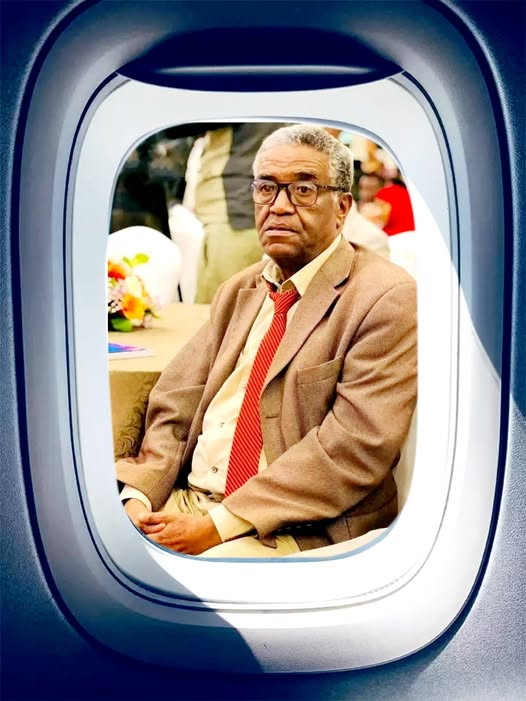
For centuries, the Oromo endured political subjugation, their language suppressed, their Gadaa system delegitimized, their history rewritten by conquerors. Yet, in the face of this cultural suffocation, Dr. Gemetchu emerged as a torchbearer, excavating buried wisdom and challenging the structures of colonial knowledge. Now, as he retreats to Dembi Dolo, fleeing state harassment, his people’s silence is deafening. If Oromummaa is to mean more than a slogan, it must be defended—not just in protests, but in the unwavering protection of those who define it.
History remembers the names of those who dared to illuminate the path of their people—Galileo, Newton, Darwin, Einstein—visionaries who reshaped human thought despite persecution. Among the Oromo, a nation long subjected to systemic erasure, Dr. Gemetchu Megerssa stands as one such figure: a scholar who dedicated his life to reviving Oromo knowledge, only to face banishment in his twilight years. His story is not just one of personal struggle but a mirror held up to the Oromo people—revealing both the brilliance of their intellectual heritage and the painful complacency that allows their thinkers to suffer alone.
𝙏𝙝𝙚 𝙃𝙞𝙨𝙩𝙤𝙧𝙞𝙘𝙖𝙡 𝙏𝙝𝙚𝙛𝙩: 𝙃𝙤𝙬 𝙊𝙧𝙤𝙢𝙤 𝙆𝙣𝙤𝙬𝙡𝙚𝙙𝙜𝙚 𝙒𝙖𝙨 𝙎𝙪𝙥𝙥𝙧𝙚𝙨𝙨𝙚𝙙
The Oromo, once the dominant cultural and political force in the Horn of Africa, faced deliberate dismantling under successive regimes. Emperor Menelik’s conquests in the late 19th century marked the beginning of systemic oppression—land seizures, forced assimilation, and the banning of Oromo language in education and governance. The Derg regime continued this erasure, treating Oromo identity as a threat to Ethiopian unity. Even today, despite constitutional recognition, Afaan Oromo struggles for full legitimacy in academia, media, and technology—a lingering effect of policies designed to stifle its growth.
This suppression was not just political but epistemic—an attack on the Oromo way of knowing. Oral traditions, cosmological wisdom, and indigenous governance systems like Gadaa were dismissed as primitive, replaced by imposed narratives. The result? Generations of Oromo grew up alienated from their own intellectual heritage, taught to view their culture through the lens of the colonizer.
𝙂𝙚𝙢𝙚𝙩𝙘𝙝𝙪 𝙈𝙚𝙜𝙚𝙧𝙨𝙨𝙖: 𝙏𝙝𝙚 𝙎𝙘𝙝𝙤𝙡𝙖𝙧 𝙒𝙝𝙤 𝙁𝙤𝙪𝙜𝙝𝙩 𝘽𝙖𝙘𝙠
Into this void stepped Dr. Gemetchu Megerssa—grandson of the legendary Ruda Kura, inheritor of Oromo oral traditions, and an anthropologist who weaponized academia for liberation. His 1993 doctoral thesis, “𝑲𝒏𝒐𝒘𝒍𝒆𝒅𝒈𝒆, 𝑰𝒅𝒆𝒏𝒕𝒊𝒕𝒚, 𝒂𝒏𝒅 𝒕𝒉𝒆 𝑪𝒐𝒍𝒐𝒏𝒊𝒛𝒊𝒏𝒈 𝑺𝒕𝒓𝒖𝒄𝒕𝒖𝒓𝒆,” was revolutionary. It exposed how colonial and Ethiopian state structures deliberately distorted Oromo history to justify domination. More than a thesis, it was an act of reclamation—centering Oromo elders as knowledge producers, not subjects to be studied.
For decades, he taught at Addis Ababa University, shaping generations of Oromo intellectuals. His lectures were not mere academic exercises; they were resistance. He challenged the Eurocentric frameworks dominating Ethiopian scholarship, insisting that Oromo cosmology, law, and philosophy deserved rigorous study. 𝑯𝒊𝒔 𝒘𝒓𝒊𝒕𝒊𝒏𝒈𝒔—𝒐𝒏 𝑺𝒂𝒇𝒖𝒖 (𝒎𝒐𝒓𝒂𝒍 𝒃𝒂𝒍𝒂𝒏𝒄𝒆), 𝑨𝒚𝒚𝒂𝒂𝒏𝒂𝒂 (𝒔𝒑𝒊𝒓𝒊𝒕𝒖𝒂𝒍 𝒆𝒔𝒔𝒆𝒏𝒄𝒆), 𝒂𝒏𝒅 𝑮𝒂𝒅𝒂𝒂—𝒓𝒆𝒗𝒊𝒗𝒆𝒅 𝒄𝒐𝒏𝒄𝒆𝒑𝒕𝒔 𝒕𝒉𝒂𝒕 𝑬𝒕𝒉𝒊𝒐𝒑𝒊𝒂𝒏𝒊𝒔𝒕 𝒏𝒂𝒓𝒓𝒂𝒕𝒊𝒗𝒆𝒔 𝒉𝒂𝒅 𝒕𝒓𝒊𝒆𝒅 𝒕𝒐 𝒆𝒓𝒂𝒔𝒆.
Yet, this very brilliance made him a target. The state, threatened by any discourse empowering Oromo consciousness, harassed him—forcing him into early retirement, then banishment. Today, as he seeks refuge in his birthplace, one question lingers: Where is the outrage of the Oromo people?
𝙏𝙝𝙚 𝘾𝙤𝙨𝙩 𝙤𝙛 𝘾𝙤𝙢𝙥𝙡𝙖𝙘𝙚𝙣𝙘𝙮: 𝘼 𝙋𝙚𝙤𝙥𝙡𝙚’𝙨 𝘽𝙚𝙩𝙧𝙖𝙮𝙖𝙡 𝙤𝙛 𝙏𝙝𝙚𝙞𝙧 𝙊𝙬𝙣
A civilization is measured by how it treats its thinkers. The ancient Greeks exiled their philosophers—only to later enshrine their words. The Oromo risk doing the opposite: allowing their scholars to be persecuted while history moves on. Dr. Gemetchu’s isolation is not just his tragedy—it is a test of Oromo collective conscience.
Where are his former students, now professors, activists, leaders? Where are the Oromo business elites who fund political campaigns but not intellectual freedom? Where is the Oromo media, quick to amplify grievances but slow to defend their own scholars? Silence in the face of injustice is complicity. If the Oromo cannot protect a man who gave them the tools to understand themselves, what hope is there for the survival of their culture?
𝙏𝙝𝙚 𝘾𝙖𝙡𝙡 𝙩𝙤 𝘼𝙘𝙩𝙞𝙤𝙣: 𝘿𝙚𝙛𝙚𝙣𝙙𝙞𝙣𝙜 𝙩𝙝𝙚 𝙇𝙞𝙜𝙝𝙩
The time for passive admiration is over. If Oromummaa is to thrive, it must be fought for—not just in protests, but in the unwavering defense of those who define it. 𝑶𝒓𝒐𝒎𝒐 𝑰𝒏𝒕𝒆𝒍𝒍𝒆𝒄𝒕𝒖𝒂𝒍𝒔—𝒃𝒓𝒆𝒂𝒌 𝒚𝒐𝒖𝒓 𝒔𝒊𝒍𝒆𝒏𝒄𝒆; 𝒑𝒖𝒃𝒍𝒊𝒔𝒉, 𝒕𝒆𝒂𝒄𝒉, 𝒂𝒏𝒅 𝒐𝒓𝒈𝒂𝒏𝒊𝒛𝒆 𝒊𝒏 𝑮𝒆𝒎𝒆𝒕𝒄𝒉𝒖’𝒔 𝒏𝒂𝒎𝒆. 𝑶𝒓𝒐𝒎𝒐 𝑩𝒖𝒔𝒊𝒏𝒆𝒔𝒔 𝑳𝒆𝒂𝒅𝒆𝒓𝒔—𝒇𝒖𝒏𝒅 𝒉𝒊𝒔 𝒔𝒂𝒇𝒆𝒕𝒚, 𝒉𝒊𝒔 𝒓𝒆𝒔𝒆𝒂𝒓𝒄𝒉, 𝒉𝒊𝒔 𝒍𝒆𝒈𝒂𝒄𝒚. 𝑸𝒆𝒆𝒓𝒓𝒐𝒐 𝒂𝒏𝒅 𝑸𝒂𝒓𝒓𝒆𝒆—𝒅𝒆𝒎𝒂𝒏𝒅 𝒉𝒊𝒔 𝒘𝒐𝒓𝒌𝒔 𝒃𝒆 𝒕𝒂𝒖𝒈𝒉𝒕 𝒊𝒏 𝒔𝒄𝒉𝒐𝒐𝒍𝒔. 𝑴𝒂𝒌𝒆 𝒉𝒊𝒎 𝒖𝒏-𝒆𝒓𝒂𝒔𝒂𝒃𝒍𝒆. 𝑶𝒓𝒐𝒎𝒐 𝑬𝒍𝒅𝒆𝒓𝒔—𝒊𝒏𝒗𝒐𝒌𝒆 𝒕𝒓𝒂𝒅𝒊𝒕𝒊𝒐𝒏. 𝑨 𝒑𝒆𝒐𝒑𝒍𝒆 𝒘𝒉𝒐 𝒂𝒃𝒂𝒏𝒅𝒐𝒏 𝒕𝒉𝒆𝒊𝒓 𝒘𝒊𝒔𝒆 𝒎𝒆𝒏 𝒍𝒐𝒔𝒆 𝒕𝒉𝒆𝒊𝒓 𝒔𝒐𝒖𝒍.
History will judge this moment. Will the Oromo be remembered as a people who let their light be extinguished—or as a nation that stood, unbroken, beside those who carried its flame? When the light of Oromo wisdom flickered, who stood? Who fought? Let our answer shake the earth! Let us be the generation that said, ‘Never again!’—that shielded our scholars, honored our elders, and declared, We are Oromo: we protect our own. The time for whispers is over. Rise. Speak. Act.

Posted on April 30, 2025, in Uncategorized. Bookmark the permalink. Leave a comment.




 Advocacy for Oromia
Leave a comment
Comments 0