Daily Archives: May 6, 2025
The Cultural Impact of Irreechaa on the Oromo Community
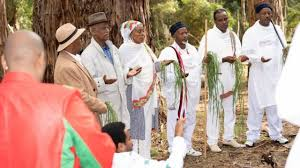
The Irreechaa celebration has profound cultural, social, psychological, and political impacts on the Oromo people and beyond. As a festival of thanksgiving, unity, and renewal, its influence extends across multiple dimensions:
1. Cultural & Identity Preservation
- Revitalizes Oromo Heritage: The rituals (e.g., eebbaa prayers, malkaa procession) reinforce Gadaa values, language, and oral traditions at risk of erosion.
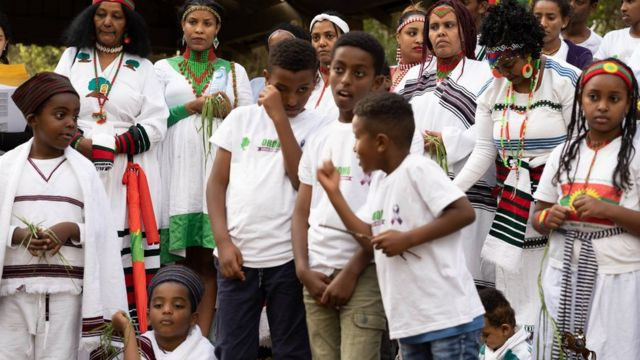
- Intergenerational Knowledge Transfer: Elders teach youth about Oromo cosmology (e.g., Waaqa), history, and ethics through songs (geerarsa), dances, and storytelling.
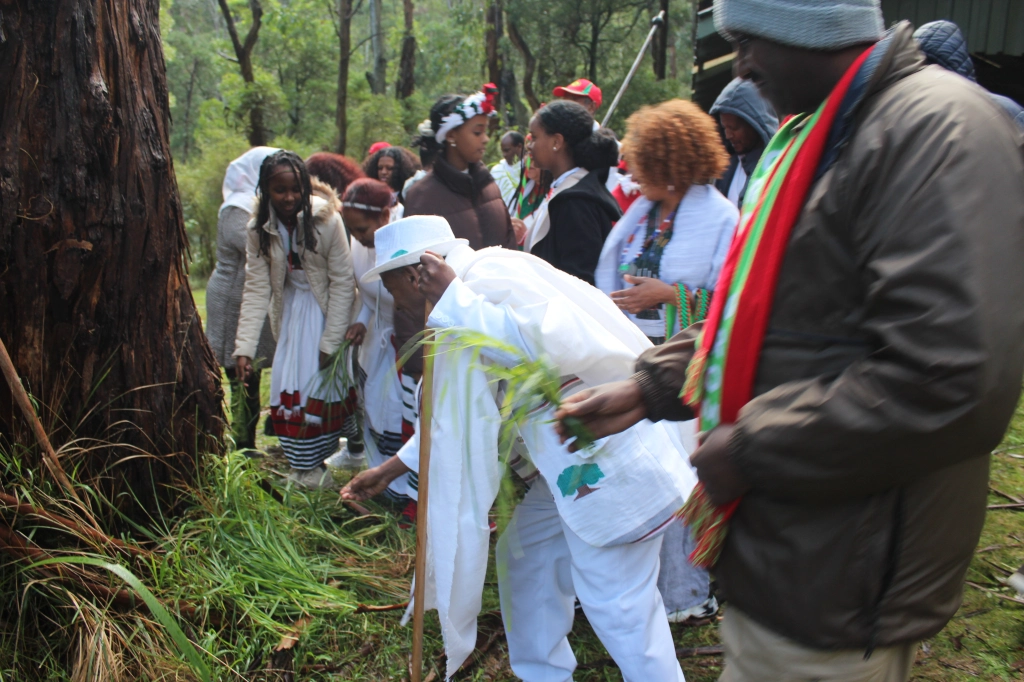
- Global Diaspora Connection: For Oromos abroad, Irreechaa fosters a sense of belonging, often replicated in cities like Minneapolis, Toronto, and Melbourne.
2. Social Cohesion & Community Building
- Strengthens Bonds: Families and clans reunite, mending fractures caused by displacement or urbanization.
- Cross-Ethnic Dialogue: Non-Oromo attendees gain insight into Oromo culture, reducing prejudices and promoting multiculturalism in Ethiopia.
- Gender Solidarity: Women’s leadership in rituals (e.g., siinqee ceremonies) challenges patriarchal norms and empowers young girls.
3. Psychological & Emotional Well-Being
- Collective Healing: The festival’s joyous atmosphere counters trauma from oppression, displacement, or recent conflicts.
- Stress Relief: Singing (dhaanto), dancing (shaggooyee), and communal feasting offer respite from daily hardships.
- Pride & Self-Worth: Oromo youth see their culture celebrated, combating marginalization and fostering confidence.
4. Economic & Environmental Impact
- Boosts Local Economies: Artisans (weavers, jewelers), farmers (coffee, marcaa milk), and vendors benefit from increased demand during festivities.
- Eco-Consciousness: Rituals like blessing water sources (Hora Arsadi) reinforce environmental stewardship, inspiring clean-up campaigns.
5. Political & Symbolic Resistance
- Assertion of Oromo Identity: Public celebrations defy historical suppression, asserting the Oromo people’s right to cultural expression.
- Peace Advocacy: Elders use Irreechaa to call for unity, condemning interethnic violence and promoting nagaa Oromo (Oromo peace philosophy).
- Policy Influence: Mass participation pressures governments to recognize Irreechaa as a national holiday (as seen in Oromia since 2019).
6. Challenges & Controversies
- Security Risks: Large gatherings have faced crackdowns (e.g., 2019 Irreechaa tensions).
- Commercialization: Some fear losing spiritual meaning to tourism or politicization.
- Exclusion Risks: Poor/rural Oromos may struggle to attend due to costs, requiring intentional accessibility measures.
Conclusion: Irreechaa as a Tool for Empowerment
Irreechaa is more than a festival—it’s a resilience strategy for the Oromo people. By celebrating it inclusively, the community can:
✅ Preserve culture in the face of globalization.
✅ Heal collectively from systemic oppression.
✅ Build bridges with neighboring communities.
✅ Inspire youth to carry forward Oromo values.




 Advocacy for Oromia