Daily Archives: May 19, 2025
Irreechaa Arfaasaa and Oromo Children in the Diaspora: A Celebration of Culture, Nature, and Belonging
Introduction
Irreechaa Arfaasaa, the Oromo people’s springtime thanksgiving festival, is a radiant celebration of nature’s generosity and communal unity. For Oromo children growing up in the diaspora, this festival becomes more than a ritual—it transforms into a lifeline to their heritage, a classroom of intergenerational wisdom, and a sanctuary of belonging. Through vibrant traditions, environmental reverence, and collective joy, Irreechaa nurtures cultural pride while equipping young minds to navigate the complexities of diasporic identity.
1. Cultural Bonding and the Tapestry of Identity
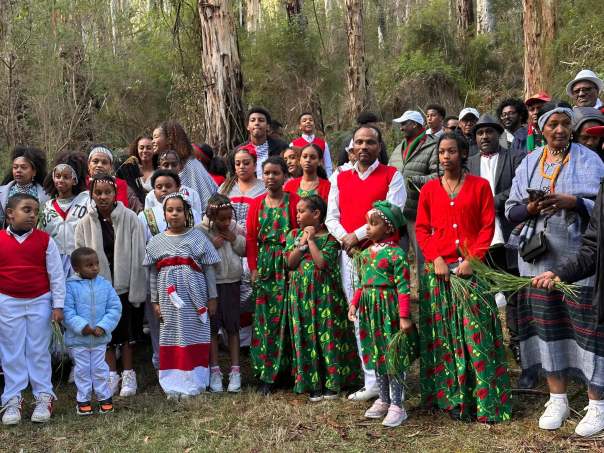
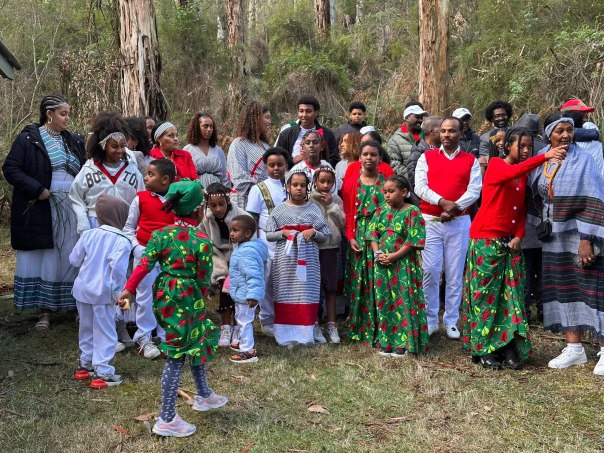
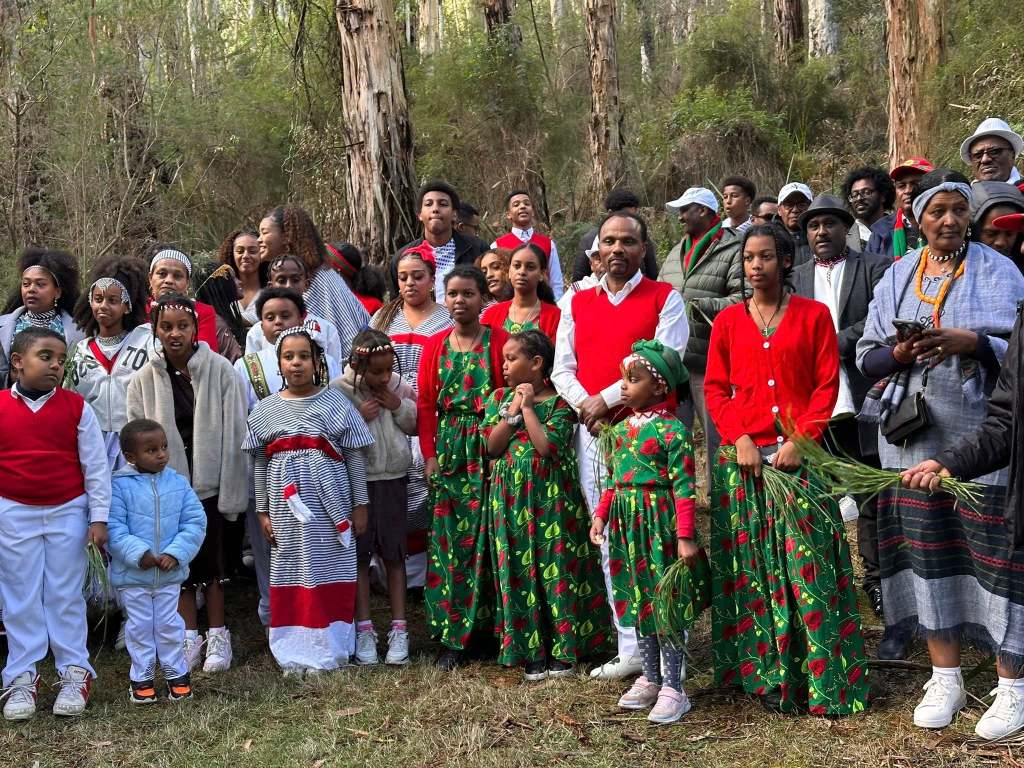
Draped in the kaleidoscopic hues of callee adda jalee (beaded necklaces) and the intricate weaves of waaqoo (traditional fabrics), Oromo children in the diaspora embody the living spirit of their ancestry. Laughter echoes as they play, pose for photographs, and share stories, weaving threads of memory that stretch across continents. These gatherings are more than festivities—they are acts of resistance against cultural erosion, ensuring that the Oromo legacy thrives in every smile, every dance, and every retold tale.
2. Intergenerational Wisdom: Passing the Torch
Elders and parents become living libraries, demonstrating sacred rituals like eebba (blessings) and the rhythmic vigor of dhichisaa dances. As children mimic their elders’ steps or cup their hands in prayer, they absorb more than tradition—they inherit values of respect, resilience, and communal solidarity. This exchange bridges generations, fortifying young hearts against the tides of assimilation and grounding them in the unshakable truth of who they are.
3. Nature as Healer and Teacher
At its core, Irreechaa Arfaasaa is a hymn of gratitude to Waaqa (the Creator) and the natural world. Diaspora celebrations adapt creatively—children plant saplings in local parks, whisper thanks over flowing water, or adorn makeshift daanisa (ceremonial grass) in urban backyards. These acts do more than honor tradition; they offer therapeutic solace. Studies show that nature-based rituals reduce stress and foster mindfulness, providing Oromo youth with tools to combat the isolation of cultural dislocation. Simultaneously, these practices sow seeds of environmental stewardship, aligning Oromo values with global calls for sustainability.
Conclusion: A Legacy of Safuu Across Borders
For Oromo children oceans away from their ancestral homelands, Irreechaa Arfaasaa is both an anchor and a compass. It reaffirms their place in a timeless narrative while empowering them to flourish in multicultural landscapes. Through this celebration, they learn that culture is not static—it breathes, adapts, and grows, just like the rivers and trees they honor. And as they dance, pray, and give thanks, they ensure that the Oromo principles of safuu (harmony) and nagaa (peace) endure—not just in Ethiopia, but in every corner of the world they call home.
Irreechaa Arfaasaa and Oromo Children in the Diaspora: A Celebration of Culture, Nature, and Community
Introduction
Irreechaa Arfaasaa is a vibrant springtime thanksgiving festival celebrated by the Oromo people, honoring nature’s abundance and fostering communal harmony. For Oromo children in the diaspora, this festival serves as a vital bridge to their heritage, blending cultural preservation, environmental stewardship, and mental well-being.
1. Cultural Bonding and Identity Preservation
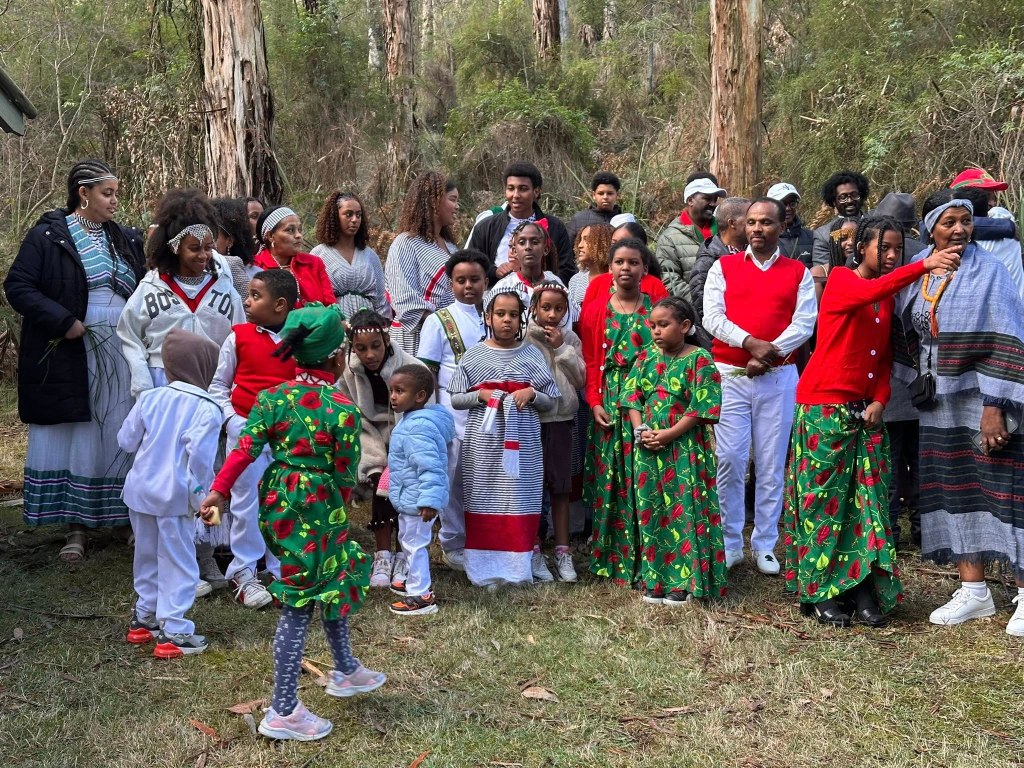
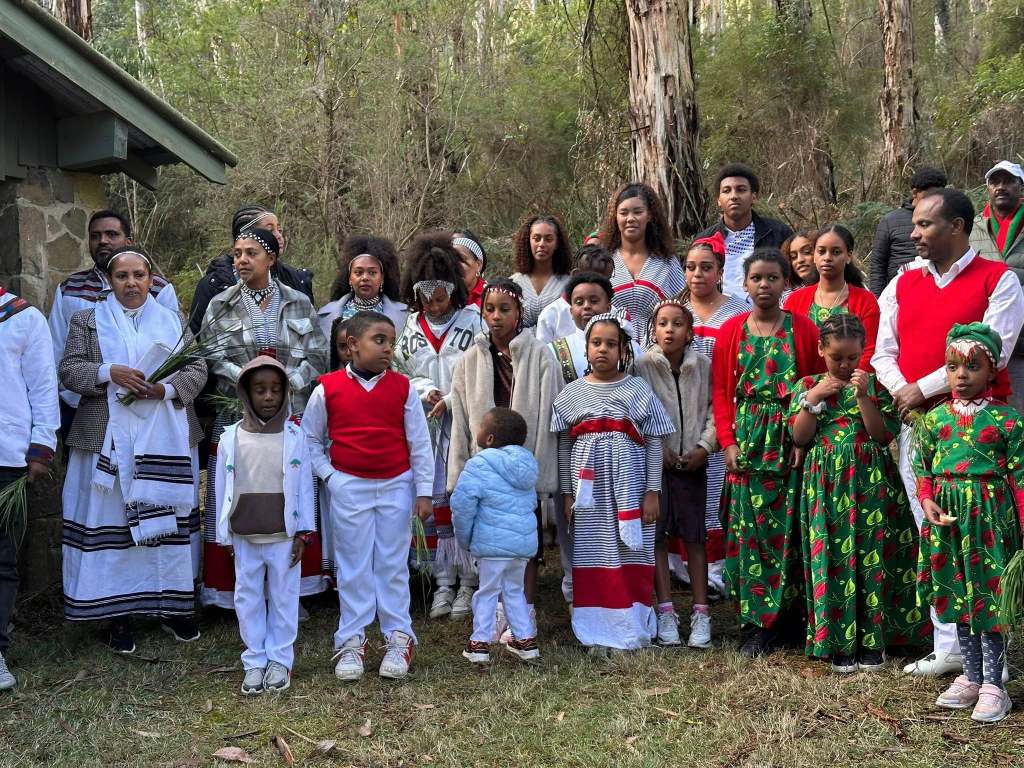
Diaspora children adorn traditional Oromo attire—colorful *callee adda jalee* (beaded necklaces) and *waaqoo* (woven fabrics)—symbolizing pride in their roots. Through play, shared memories, and group photos, they forge bonds that transcend geographical boundaries. These gatherings act as living archives, where joy and camaraderie are immortalized, ensuring cultural continuity for future generations.
2. Intergenerational Learning and Tradition
Parents and elders demonstrate rituals like *eebba* (blessings) and traditional dances such as *dhichisaa*, immersing children in their heritage. By observing and participating, diaspora youth learn values of respect, community, and resilience. This intergenerational exchange strengthens cultural identity, countering assimilation pressures and nurturing a sense of belonging.
3. Nature-Centered Rituals and Mental Wellness
Irreechaa Arfaasaa emphasizes gratitude to *Waaqa* (the Creator) and reverence for natural elements like water and trees. Diaspora adaptations might include park celebrations, where children plant trees or perform symbolic water rituals. Engaging with nature reduces stress and fosters mindfulness, addressing mental health challenges common in multicultural environments. The ritualistic connection to Earth instills environmental consciousness, aligning with global sustainability values.
Conclusion
For Oromo children abroad, Irreechaa Arfaasaa is more than a festival—it’s a sanctuary of identity, resilience, and joy. By intertwining cultural rituals, ecological ethics, and community support, it equips them to navigate diasporic life with confidence. Through this celebration, they carry forward the Oromo legacy of *safuu* (moral balance), ensuring their heritage thrives across generations and continents.




 Advocacy for Oromia