How the Oromo Community in Melbourne Incorporated Irreecha Traditions in the 2025 Celebration
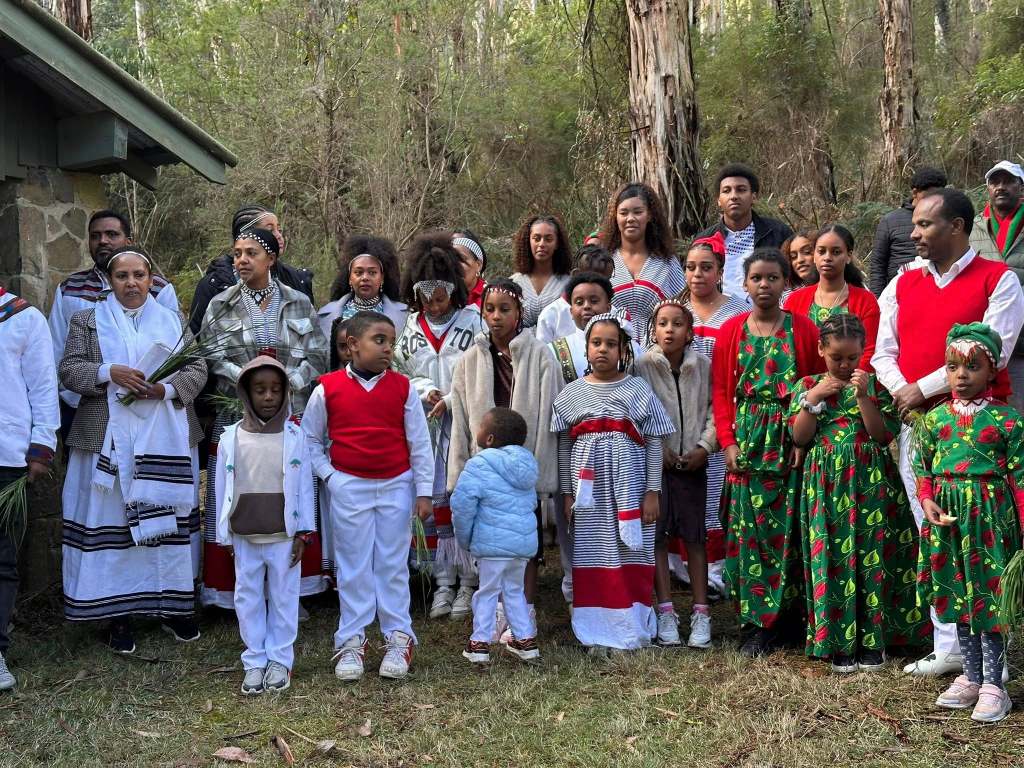
The Irreecha Arfaasaa festival held on May 18, 2025, at Dandenong Hill beautifully blended traditional Oromo rituals with adaptations for the diaspora setting. Here’s how key elements of Irreecha were observed in Melbourne:
1. Sacred Location: Dandenong Hill as a Stand-in for Hora Arsadi
- In Oromia, Irreecha is traditionally held near rivers or lakes (like Hora Arsadi in Bishoftu), symbolizing life and purification.
- Since Melbourne lacks such a sacred water body, the community chose Dandenong Hill, a high elevation representing a spiritual gathering point.
- The hill’s natural greenery and fresh air mirrored the Oromo connection to nature, making it an ideal sanctuary.
2. Opening Blessings by Elders (Abbaa Malkaa & Hayyuu)
- The ceremony began with elders (Hayyuu) leading prayers in Afaan Oromo, asking Waaqa (God) for:
- Peace in the diaspora and back in Oromia.
- Healing from trauma (referencing past struggles, including political repression and displacement).
- Environmental renewal (a nod to Australia’s bushfire recovery).
- A libation ritual (Dhibaayyuu) was performed using water and fresh grass (Birraa), sprinkled on the ground as an offering.
3. Traditional Attire & Symbols
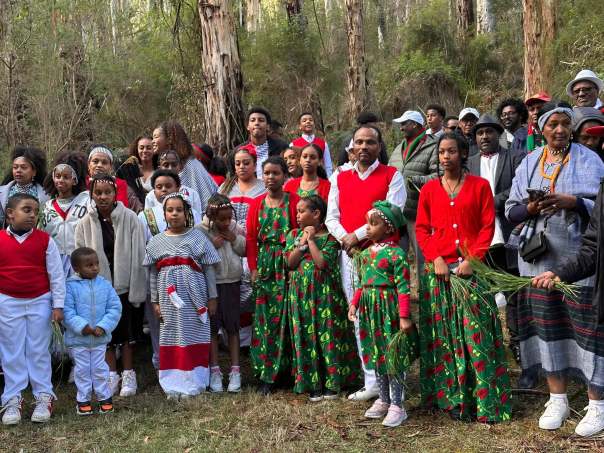
- Attendees wore white clothing, symbolizing peace and purity, with some in:
- Uffannaa Aadaa (handwoven Oromo cotton wraps)
- Callee (colorful beaded necklaces)
- Siiqqee sticks (carried by women, representing Oromo feminism and the Gadaa system)
- Many youths wore modern Oromo-inspired outfits, blending tradition with contemporary style.
4. Music, Dance, and Poetry (Geerarsa & Wallee Aadaa)
- Geerarsa (warrior chants) were recited, praising Oromo heroes and freedom fighters.
- A Wallee aadaa dance circle formed, with rhythmic shoulder movements and clapping.
- Oromo musicians played the Harp (Kirar) and drums, singing songs about freedom, nature, and unity.
5. Moggaasa (Throwing Grass & Flowers)
- Participants carried fresh grass and Australian native flowers (instead of Oromia Birraa grass).
- At the peak of the ceremony, they tossed them into the air, symbolizing:
- Letting go of past hardships (especially for refugees).
- Prayers for a prosperous summer.
- Some placed flowers on a communal altar as a tribute to fallen Oromo martyrs.
6. Adaptation: Environmental & Multicultural Elements
- Since eucalyptus trees replaced the Odaa (sacred sycamore), elders explained their significance in Australian Indigenous culture, drawing parallels.
- A moment of silence was held for victims of bushfires and global conflicts, showing solidarity beyond the Oromo community.
- Non-Oromo attendees were invited to join the dances, making it an intercultural celebration.
7. Closing Ritual: Communal Feast (Waloomaa-Waliin nyaachuu)
- The event ended with a shared meal (waloomaa), featuring:
- Biddeenaa with spicy stews (Ittoo)
- Coffee ceremony (Buna dhuguu) – a key Oromo tradition.
- Elders gave final blessings, wishing for strength in the diaspora and hope for Oromia.
Why This Adaptation Matters
- Preserves Identity: Even far from Oromia, rituals like Moggaasa and Geerarsa keep the culture alive.
- Educates the Young: Second-generation Oromo Australians learn their heritage through participation.
- Builds Bridges: By incorporating local elements (like native flowers), the festival fosters cross-cultural respect.
This Melbourne Irreecha was not just a festival—it was a spiritual homecoming, a protest, and a rebirth, all on a quiet hill in Australia.

Posted on May 21, 2025, in Uncategorized. Bookmark the permalink. Leave a comment.




 Advocacy for Oromia
Leave a comment
Comments 0