Monthly Archives: June 2025
OSG Report 70 Human Rights Abuses in Ethiopia
(A4O, Melbourne, 24 June 2025) The OSG Report of Human Rights Abuses powerfully highlights the ongoing genocide, systemic oppression, and economic warfare being waged against the Oromo people by the Ethiopian government and allied forces (such as Fano militias). Below is a structured breakdown of the key issues you raised, along with historical context and international advocacy points:
1. State-Sponsored Violence Against Oromo Civilians
- Fano Militia Atrocities: The Amhara extremist Fano groups, often backed by federal forces, are carrying out ethnic cleansing in Wollo, Wellega, and Showa, targeting Oromo farmers with killings, looting, and property destruction.
- Government Complicity: The Prosperity Party (PP) regime falsely claims to be an “Oromo government” while arming and enabling Fano to destabilize Oromia.
- Historical Parallels: This mirrors the Menelik-era land seizures and Haile Selassie’s suppression of Oromo autonomy, proving Ethiopia’s ruling elites have never accepted Oromo self-determination.
Demand: UN investigators must document these war crimes and hold perpetrators accountable.
2. Economic Strangulation of Oromia
- Punitive Taxation: Oromo farmers and businesses face extortionate taxes under military occupation, crushing local economies.
- Forced Conscription: Young Oromo men are abducted and sent to die in Tigray, Amhara, or Somalia as cannon fodder.
- Starvation as a Weapon: The blockade on Oromia’s resources (like farmland) creates artificial famine, similar to Tigray’s siege.
Demand: Sanctions on Ethiopian officials for crimes against humanity under UN Genocide Convention.
3. The Deceptive “Oromo Government” Narrative
- Abiy Ahmed’s Propaganda: The PP falsely portrays itself as “Oromo-led” while:
- Jailing Oromo politicians (Jawar Mohammed, Bekele Gerba).
- Bombing Oromo towns (e.g., Ambo, Nekemte, Gimbi).
- Replacing Oromo leaders with Amhara elites in key institutions.
- Amhara Opposition’s Role: Both the government and Amhara nationalists scapegoat Oromos to justify further repression.
Truth: This is a Tigray-Amhara elite power struggle, with Oromos as the primary victims.
4. International Silence & Complicity
- Western governments (US, EU) still treat Ethiopia as a “strategic ally” despite its genocidal policies.
- African Union (AU) remains silent, as it did during Tigray genocide.
- UN & NGOs are denied access to Oromia to hide evidence.
Demand:
✔ Independent investigations into Oromia atrocities.
✔ Sanctions on Ethiopian officials (like Abiy, Temesgen Tiruneh).
✔ Support for Oromo self-determination via UN-recognized referendum.
5. Call to Action for the Oromo Diaspora
- Document & Expose: Share evidence of massacres (videos, testimonies) with UNHRC, ICC, and media.
- Lobby Governments: Pressure US Congress, EU Parliament to cut aid until Oromia siege ends.
- Global Protests: Organize demonstrations at Ethiopian embassies.
- Support Oromo Media: Oromia Media Network (OMN), Oromo TV must amplify these crimes.
Final Words: Resistance & Solidarity
The Oromo people’s struggle is not just against a regime—it’s against a colonial system that has oppressed them for 150+ years. As Dr. Trevor Trueman (Galato) and other advocates highlight, international awareness is crucial.
“Inni Waaqaa hin balleessu!” (“God does not abandon!”)—but the world must not abandon Oromia either.
Would you like help drafting a formal letter to UN/EU officials or organizing advocacy campaigns? The time to act is now.
#FreeOromia #StopOromiaGenocide
OLF Headquarter Reopens: A New Era for Oromo Rights
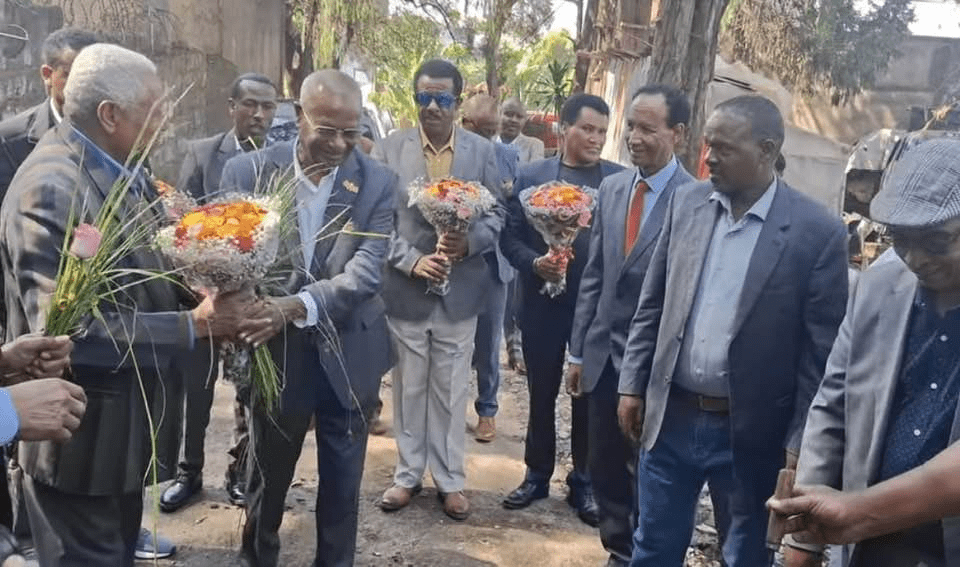
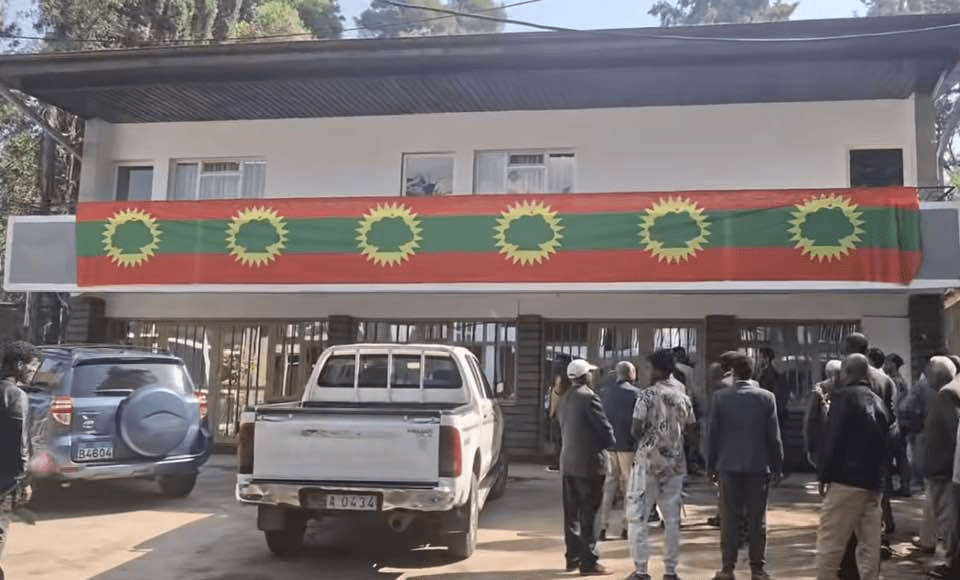
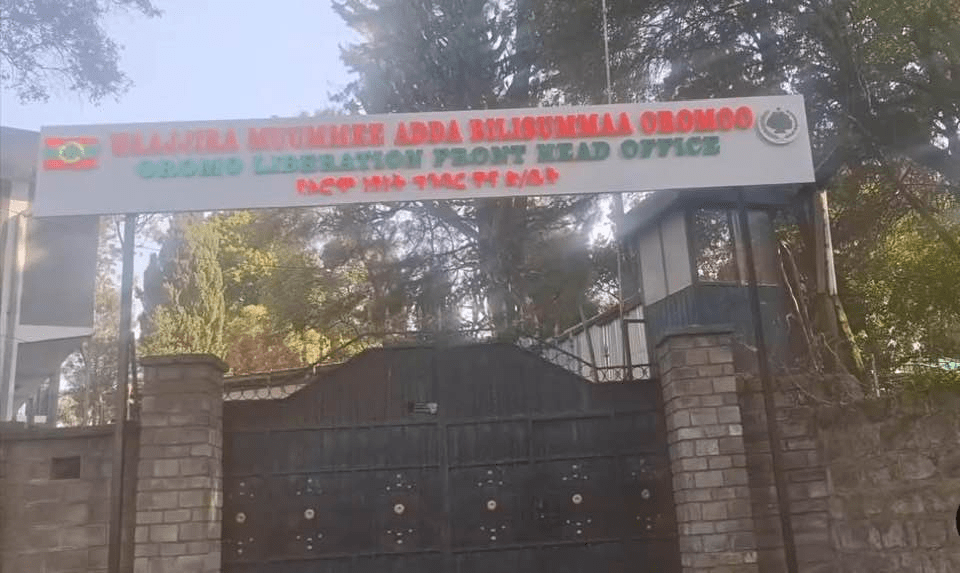
Oromo Liberation Front (OLF) Headquarters Renovated and Reopened in Finfinnee – A Symbol of Resistance and Hope
The Oromo Liberation Front (OLF) headquarter in Gullalle, Finfinnee, has been officially renovated and reopened in a historic ceremony today, marking a significant moment in the Oromo struggle for freedom, justice, and self-determination.
1. Significance of the Reopening
✔ A Symbol of Resilience – The OLF office stands as a physical representation of the Oromo people’s unbroken struggle against oppression.
✔ Political Milestone – Its reopening signals a renewed phase of organized resistance and advocacy for Oromo rights.
✔ Cultural & Patriotic Pride – The event was attended by determined Oromo patriots, reaffirming their commitment to the liberation movement.
2. The Atmosphere & Attendees
- Warm & Celebratory – The ceremony was filled with Oromo flags, cultural songs, and speeches honoring past sacrifices.
- Attendees Included – Oromo activists, elders, youth, and supporters who see the OLF as a beacon of justice.
3. Why This Matters for the Oromo Struggle
✔ Legitimacy & Visibility – An open OLF office challenges attempts to erase or suppress the movement.
✔ Unity & Mobilization – Provides a central hub for organizing, strategizing, and educating the next generation.
✔ International Attention – Reinforces the OLF’s role as a key voice for Oromo rights globally.
4. Challenges Ahead
- Government Crackdowns – Will Ethiopian authorities tolerate an active OLF office, or will they attempt to shut it down?
- Movement Fragmentation – Can the OLF unify different factions under one strong leadership?
- Sustaining Momentum – How will the office be used to advance the struggle beyond symbolism?
5. Call to Action
✔ Protect the Office – The Oromo public must guard this space against possible attacks or shutdowns.
✔ Strengthen the Movement – Use the headquarters for strategy meetings, legal advocacy, and youth engagement.
✔ Global Solidarity – The diaspora should document and amplify this development to ensure international support.
“This office is not just a building—it is the heart of the Oromo resistance!”
#OLF #OromoProtests #OromoRights #Finfinnee
Oromo Tulama Gada Migration: A Path to Reconciliation
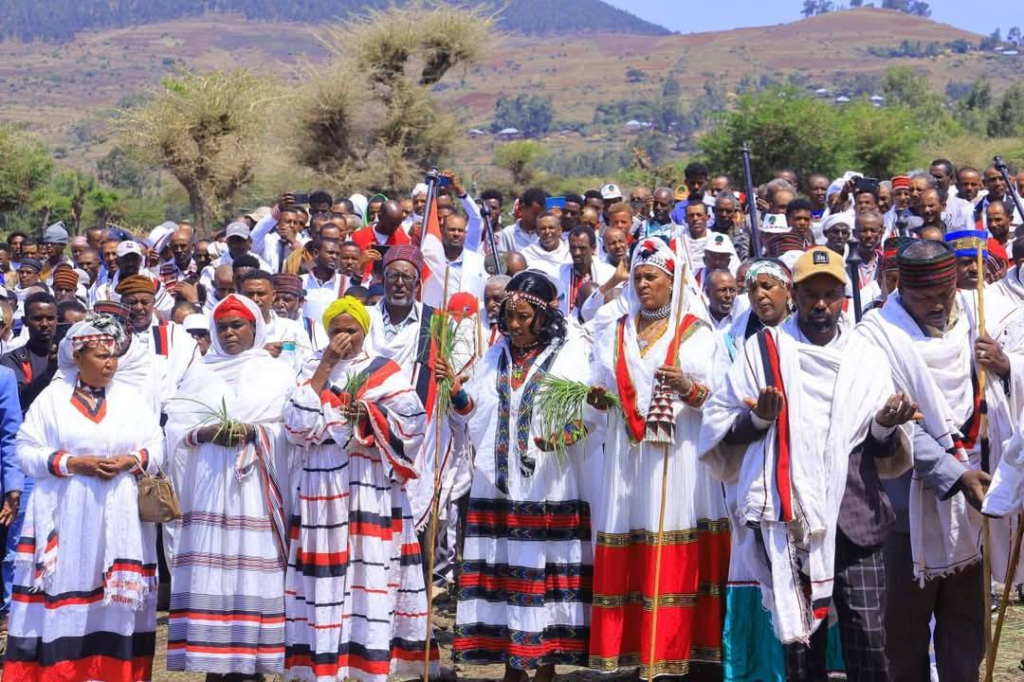
The delegation of the Oromo Tulama Gada Migration held a reconciliation ceremony by planting Faajjii and Birbirsa at Odaa Nabe.

The delegation, led by the three Tulamas, Daaccii, Bachoo and Jiille, who are members of the Muudana Gada, made a days-long journey to Odaa Nabe where they planted Faajjii and Birbirsa and performed the reconciliation ceremony.

During this reconciliation ceremony, they addressed the conflicts between the tribes and conducted reconciliation. The reconciliation resolved the system of giving and receiving gumaa between the clans and provided a lasting solution to the conflicts.

The migration continues, and they pass a bill in the House of Representatives. This is the law by which Muudanaa will rule for the next eight years.

Accordingly, new laws are passed and the existing ones are amended, the Muudanaa members accept the laws and return to their homes and clans, Bultoo Bulanii convey the laws to the remaining members of the gada and the general public.

After the people strengthen the law, submit what should be added and what should be subtracted, a year later the appointment goes to the Caffee Tumaa and approves the law. Under the approved law, when a member of the Mudana Gada takes over the Balli, he will rule by it for the next eight years.

The government has taken various steps to promote Oromo culture, traditions and knowledge. One of its earliest tasks was to formulate goals that measured the stage of the Oromo people's struggle. One of the goals of action nationalism is to "build a strong system.

This goal is on the one hand the basis of the culture (history, traditions, morals and identity) of the Oromo people and any programs are formulated following this idea.

In the beginning, the ideas systematized from the culture of our people have been the basis for many practical achievements. In the future, the Government will fulfill any support and responsibility regarding the issue of preserving the identity, culture and civilization of the people and passing it on to the next generation.

May Mudana is satisfaction and blessings!
Gada and its system are perfect!
Condemnation of Waaqeffannaa Killings in Oromia
The Waaqeffannaa Association in Victoria, Australia, has issued a powerful and urgent statement condemning the brutal killing of six Waaqeffannaa worshippers in Oromia, Ethiopia, and the destruction of a sacred prayer center. This tragic incident highlights ongoing persecution against the indigenous Oromo religion and demands immediate international attention.
Key Points from the Statement:
- Targeted Killings:
- Six Waaqeffannaa members were arrested by government security personnel in Aqaqi District (Oromia) on June 8, 2025, and later executed in Mogoro.
- Victims’ Names:
- Gurmessa Teshome Hunde
- Hundessa Nannessa
- Dagaga Jidha Bati
- Lammessa Maru Gojoli
- Bashada Adi Midhaksa
- Kuma Nagoo Jambo
- Attack on Religious Site:
- A Waaqeffannaa prayer center in West Hararge (Hawwii Guddinaa & Daaroo Labuu District) was burned down by locals while security forces stood by.
- Systematic Persecution:
- The statement notes repeated attacks on Waaqeffannaa followers in Ethiopia, with no accountability.
Calls to Action:
The Waaqeffannaa Association demands:
✔ Religious organizations worldwide to condemn the killings.
✔ Oromo communities to stand in solidarity and demand justice.
✔ The Ethiopian government to prosecute the perpetrators and protect Waaqeffannaa members.
✔ UNESCO & the UN to intervene and pressure Ethiopia to investigate.
Why This Matters:
- Waaqeffannaa is the indigenous faith of the Oromo people, facing repression under Ethiopia’s government.
- Lack of media coverage suggests an intentional suppression of religious violence against non-Abrahamic faiths.
- This follows a pattern of state-backed or ignored violence against minority religions in Ethiopia.
International Response Needed:
- Human rights groups (Amnesty, HRW, UN Special Rapporteurs) must investigate.
- Diaspora Oromo & interfaith organizations should amplify the victims’ voices.
- Ethiopian authorities must be held accountable for failing to protect religious minorities.
This tragedy underscores the urgent need for global attention to the persecution of indigenous faiths in Ethiopia. Justice must be served.
#JusticeForWaaqeffannaa #StopReligiousPersecution #OromoRights
(For further updates, follow advocacy groups such as the Waaqeffannaa Global Council and Oromo human rights organizations.)
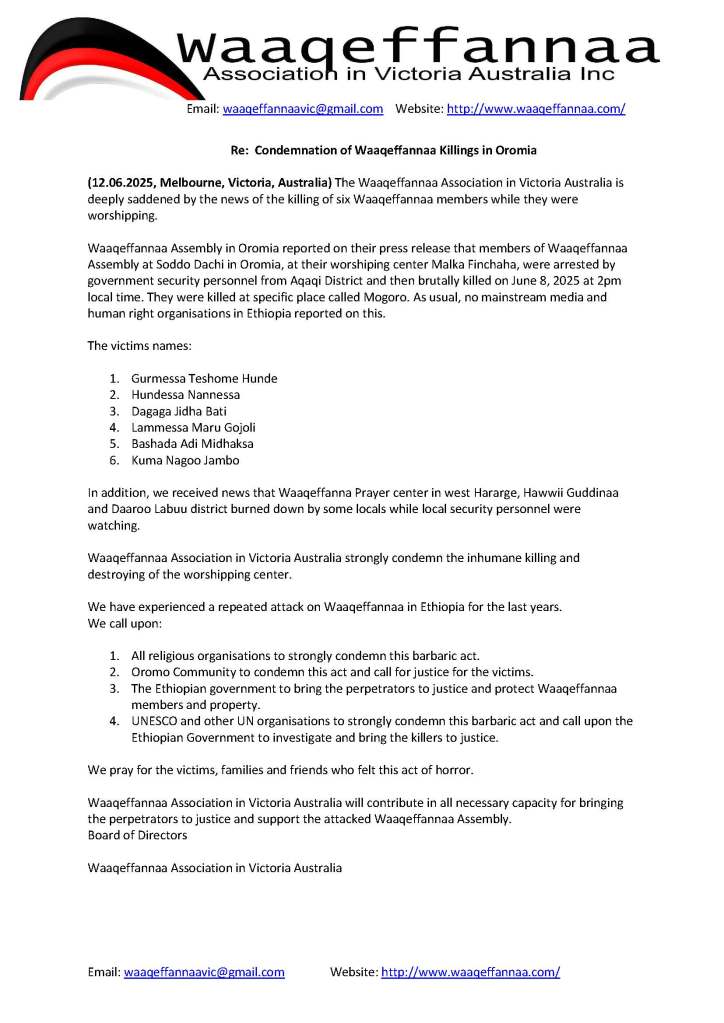
Violence Against Waaqeffannaa in Oromia: A Call for Justice
The Global Waaqeffannaa Assembly’s statement highlights a deeply troubling incident of violence against adherents of the indigenous Waaqeffannaa faith in Oromia, Ethiopia. The reported killing of six worshippers and the destruction of a prayer center in East Hararge represent grave violations of religious freedom and human rights.
Summary of Events:
1. Fatal Attack on Worshippers: On June 8, 2025, at 2 PM local time, six members of the Waaqeffannaa faith were killed in Mogoro, Soddo Dachi, Oromia.
They were reportedly arrested by government security personnel from Aqaqi District while worshipping at the Malka Finchaha prayer center.
They were then taken to Mogoro and brutally killed.
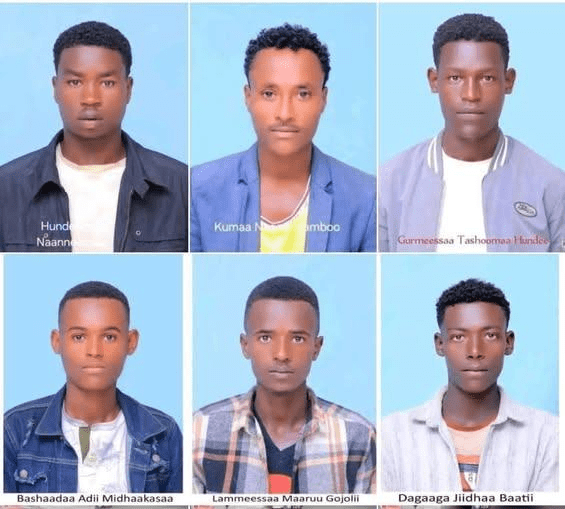
Victims:
1. Gurmessa Teshome Hunde
2. Hundessa Nannessa
3. Dagaga Jidha Bati
4. Lammessa Maru Gojoli
5. Bashada Adi Midhaksa
6. Kuma Nagoo Jambo
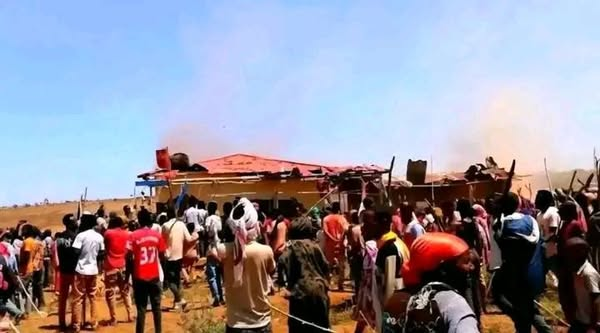
2. Arson Attack on Prayer Center: Separately, a Waaqeffannaa prayer center in East Hararge was burned down. This attack was allegedly carried out by some locals while local security personnel watched without intervening.
3. Lack of Reporting: The Assembly states that no mainstream Ethiopian media or human rights organizations have reported on these incidents.
Assembly’s Position:
The Global Waaqeffannaa Assembly is deeply saddened and strongly condemns both the killings and the destruction of the prayer center.
They state these attacks are part of a pattern of repeated attack on Waaqeffannaa in Ethiopia for the last years.
The Assembly calls upon:
1. All religious organisations: To strongly condemn this barbaric act.
2. Oromo Community: To condemn the act and call for justice for the victims.
3. The Ethiopian Government: To bring the perpetrators to justice and to protect Waaqeffannaa members and property.
4. UNESCO and other UN organisations: To strongly condemn this barbaric act and to call upon the Ethiopian Government to investigate and bring the killers to justice.
Key Concerns Raised:
- Extrajudicial killing of religious worshippers by state security forces.
- Destruction of religious property with alleged state complicity (failure to intervene).
- A pattern of violence and lack of protection for the Waaqeffannaa faith community in Ethiopia.
- Lack of reporting and accountability within Ethiopia.
- Demand for national and international condemnation and action to ensure justice and protection.
Calls to Action:
- Accountability & Justice – The Ethiopian government must conduct an immediate, transparent, and independent investigation into the killings and arson, ensuring perpetrators are held accountable.
- Protection of Minority Faiths – Waaqeffannaa, as an indigenous Oromo religion, has faced systemic marginalization. Authorities must actively safeguard its members and sacred sites from state and non-state violence.
- Media & Human Rights Silence – The lack of coverage by Ethiopian media and human rights groups underscores a pattern of neglect toward attacks on non-Abrahamic faiths. International watchdogs (e.g., Amnesty International, HRW) should document this incident.
- Solidarity from Oromo Communities & Religious Groups – Oromo political and cultural leaders, as well as interfaith organizations, must publicly denounce these acts to counter religious intolerance.
- UNESCO & UN Engagement – The UN should pressure Ethiopia to uphold its obligations under international human rights law (e.g., ICCPR Article 18 on religious freedom).
Context:
Waaqeffannaa followers have long reported persecution, including land dispossession of sacred sites (e.g., Sof Omar) and forced conversions. The June 8 attack aligns with a broader trend of impunity for violence against Ethiopia’s indigenous religious minorities.
This tragedy demands urgent action to prevent further escalation. Solidarity from global civil society is critical to ensure justice and protection for Waaqeffannaa adherents.
Additional Statements:
The Assembly prays for the victims, their families, and friends.
The Global Waaqeffannaa Assembly pledges to contribute in all necessary capacity for bringing the perpetrators to justice and support the attacked Waaqeffannaa Assembly.
Issued By: Board of Directors, Global Waaqeffannaa Assembly
Location & Date: Bergen, Norway, 11.06.2025
#JusticeForWaaqeffannaa #ReligiousFreedom #Ethiopia
Shanan: A Festival of Blessings for New Mothers
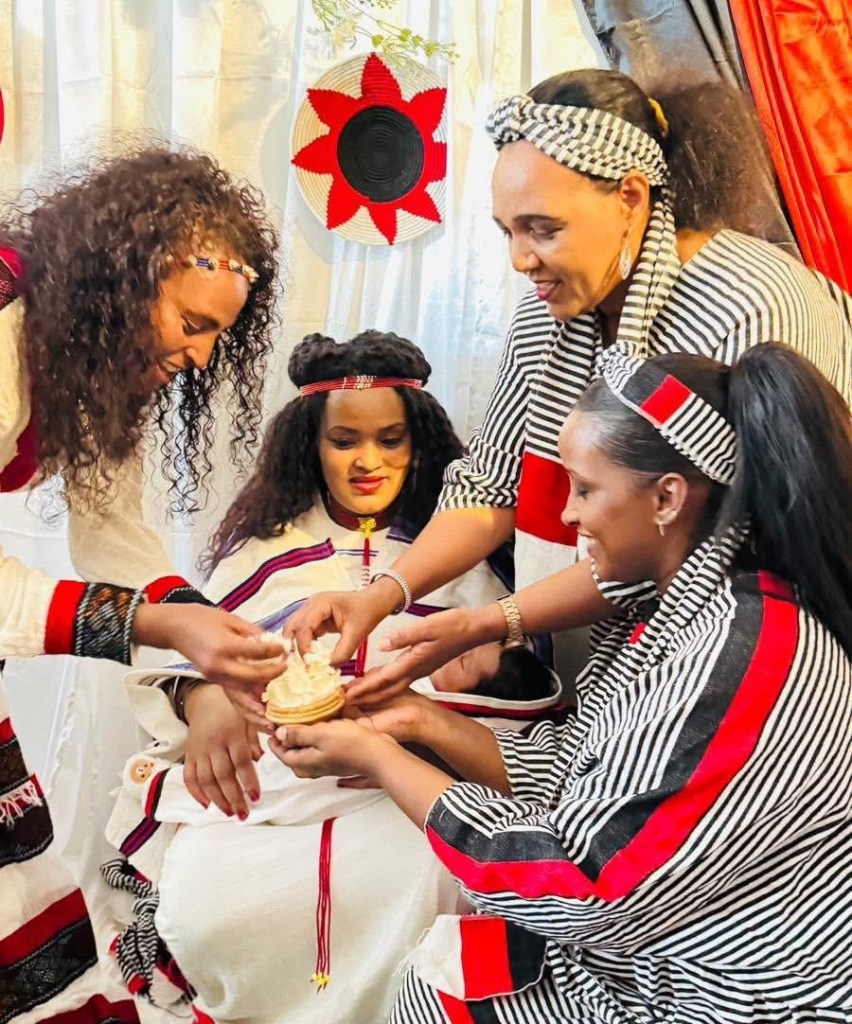
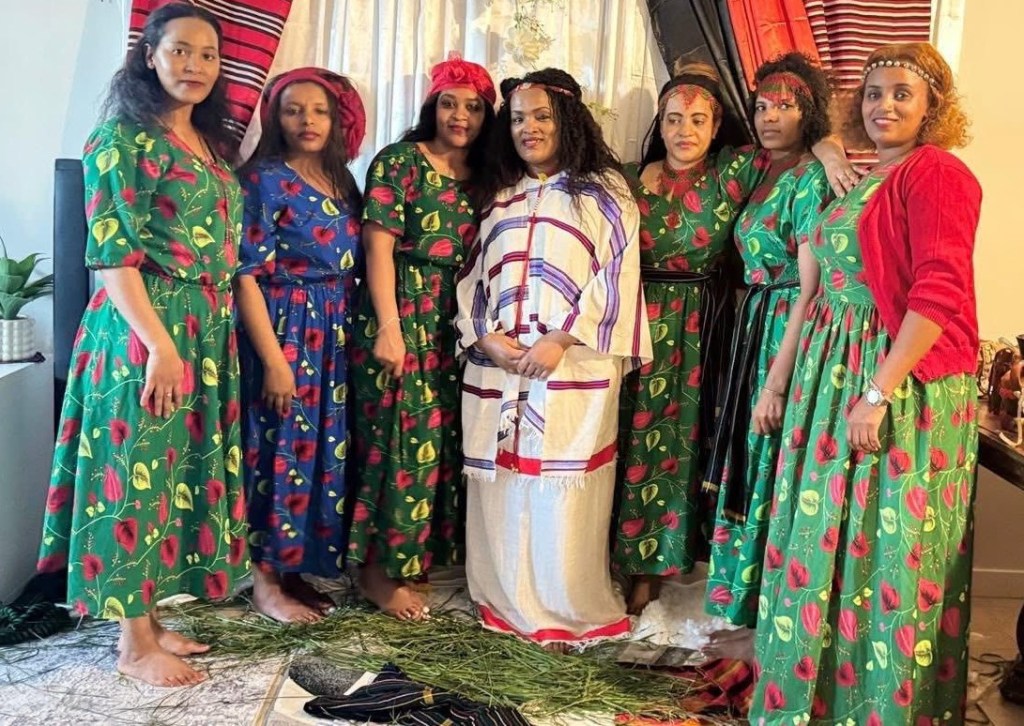
This is the day of Shanan Boontuu Shuggee Galaasaa. Boontuu was tortured in various prisons in Oromia. Later, the torture worsened and she migrated to neighboring Kenya. After years of exile, she settled and traveled safely to Canada.
She recently had a baby boy safely. She celebrated the Shanan with her friends in traditional Oromo beauty. The main purpose of Shanan is to encourage and bless the woman who gave birth on the fifth day. It is also a mother’s festival or ateetee and a thanksgiving to God for helping her to give birth in peace.
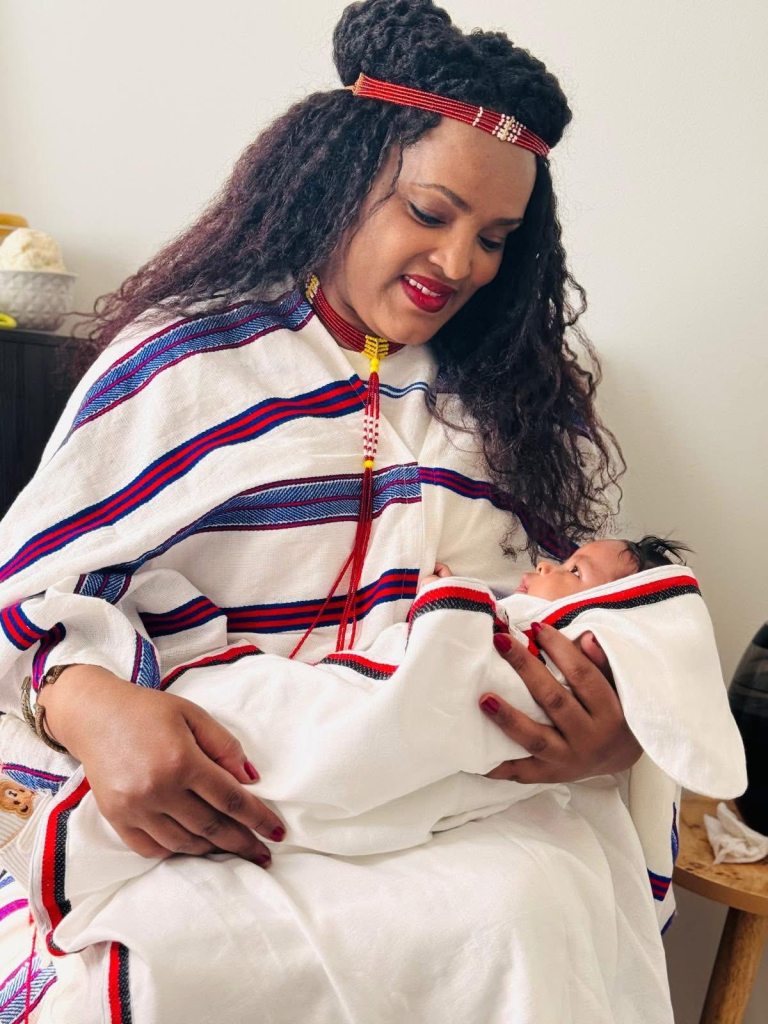
During this ceremony, the new mother does not wash her clothes until Shanan day. So she washes her circumcision on this day; and her clothes shall be washed.
The Shanan is an important and celebrated part of the midwife’s life. This is to the advantage of the family that a woman is safely released after carrying it in her womb for nine months. And the newborn is an addition to the family. Therefore, they do not leave a woman alone until she becomes stronger and self-reliant. Because it is said that the pit opens its mouth and waits for her. And when she goes to the bathroom, she carries an iron in her hand, and sucks it into her head.
In general, after Shanan is out, the child is encouraged; and the midwife shall be comforted; they ate with the prepared marqaa and gave her collective support.
This system plays an important role in helping the mother recover from labor pains. Family and friends who attend the Shanan will also encourage the midwife to look beautiful and earn the honor of midwifery. On this Shanan they made the midwife physically strong, socially beautiful, gracefully bright, and accustomed to the burdens of pregnancy and childbirth.
This Shanan Prides make those like her who are away from relatives and aunts not feel lonely and isolated. It covers the new mother with identity commonality.
Understanding Oromummaa: Identity vs. Ideology
What is Mr. Dhabessa's position on Mr. Yemane's response to the open letter of Oromo scholars?
Dear Mr Yemane,
Thank you for this thoughtful clarification and for your respectful tone. I understand the depth of your concern, and your perspective is important to acknowledge. Here’s a reflection of our key points and their significance:
1. Respect for Eritrea Reaffirmed:
Your explicit respect for the Eritrean people, their struggle for freedom, and their sovereignty is clear and valued. This establishes a foundation of mutual dignity.
2. Core Concern – Misrepresentation of Oromummaa:
You rightly identify the core issue: President Isaias Afwerki’s characterization of *Oromummaa* as a political ideology in his Independence Day speech.
You emphasize that *Oromummaa* is fundamentally the cultural, linguistic, and historical identity of the Oromo people. It is the essence of Oromo nationhood and self-understanding.
Equating it solely with a political ideology, especially within the context of the conflict between the Eritrean government and Ethiopia’s Prosperity Party, is a profound misrepresentation and a source of significant disappointment.
3. Rejection of a Harmful Narrative:
You correctly point out that framing *Oromummaa* as a divisive or expansionist political ideology is a narrative primarily propagated by certain Ethiopian political forces historically opposed to Oromo self-determination. This narrative seeks to delegitimize the Oromo struggle for justice, equality, and self-rule within Ethiopia.
President Afwerki’s adoption of this framing, even if intended to critique the Ethiopian government, inadvertently validates this harmful distortion and undermines the authentic meaning of *Oromummaa* for the Oromo people.
4. The Impact of the Misrepresentation:
This mischaracterization is not merely an academic error; it feels like an erasure of the Oromo people’s authentic self-definition and a dismissal of their legitimate aspirations within Ethiopia.
It risks straining the understanding and solidarity between peoples who have both endured significant struggles.
In Summary:
Our message powerfully asserts that *Oromummaa* is the bedrock of Oromo identity, distinct from any political party or ideology. Portraying it otherwise, especially using a narrative historically employed to marginalize Oromo aspirations, is deeply problematic and hurtful. While you understand the Eritrean government’s focus on its conflict with the Ethiopian government, we emphasize that this should not come at the cost of misrepresenting the fundamental identity of the Oromo nation.
Our stance is clear, respectful, and grounded in the desire for accurate recognition of what Oromummaa truly represents. Thank you for taking the time to articulate this crucial distinction with such clarity and for reaffirming our respect for the Eritrean people despite this significant point of disagreement.
Kind Regards,
Dhabessa Wakjira
Mr. Yemane’s Reply to Oromo Scholars’ Open Letter
What is Mr. Yemane's response to the open letter to the Oromo scholars?
Yemane G. Meskel @hawelti
Brief Remarks on "Open Letter to President Isaias Afwerki

A group of 85 Oromo scholars and professionals posted an "Open Letter to President Isaias Afwerki" on June 5, 2025.

The "Letter" is regrettably replete with inaccuracies and contains a number of grave and unfounded accusations against Eritrea.

This cannot but arouse our dismay, particularly as the authors could have chosen a more appropriate approach of face to face discussions if the real motive, is, as it should be, to ally lingering misunderstandings or perspectives on matters of paramount importance to Eritrea and the Oromo people.

In this spirit, Eritrea believes that the most constructive way to address these matters remains through a frank, face to face, dialogue between signatories of the Letter or their representatives with relevant Eritrean counterparts.

In the meantime, and for the record, we wish to reiterate Eritrea's long-standing views and positions:
1. Eritrea has utmost respect for the Oromo people and their culture.
2. Eritrea's resolute solidarity with, and strong support for, the Ethiopian people, and in particular the Oromo people's struggle in pursuit of their fundamental rights, has spanned over half a century.
3. In this respect, the reference to political Orommuma in President Isaias' speech does not detract from its principled respect for the Oromo people and alludes to vexing ideological interpretations and overtones that have come to light in the recent couple of years from certain and unrepresentative quarters.
4. Eritrea is unwaveringly committed to peace and justice in the Horn of Africa.  It is no secret that the drum beating and drive for war is not coming from Eritrea but from those who are openly agitating for the conquest of sovereign Eritrean territories.
Afaan Oromo’s film Soolanee has won the Best International Film category.

 Honored to announce that our Afaan Oromo film “Soolanee” has won at the @charlotteblackfilmfestival 2025!
The film was selected as the winner at the Charlotte Film Production Festival and was selected as the winner in the Best International Film category.
This recognition belongs to the entire Soolanee Film Crew – there dedication and artistry made this possible.
Keeyeron Dereje said the film awards were made possible by the support of the whole Oromo nation.
“To the whole Oromo nation – your unwavering spirit and stories inspire us every day. This award is yours as much as it is ours.”
Thanks be to God for helping me to make this goal a reality, said Keeyeron.
“Above all, I give thanks to Almighty God for guiding us through this journey with grace and purpose.”
The film was produced by artist Keeyeron Dereje in Oromia and premiered in Finfinne a few months ago.
Soolane was screened in Oromia and Australia and currently, it is screening in USA and Canada.
This recognition celebrates the Soolanee film team, uplifts the Oromo community, and honors their faith – perfect for amplifying this well-deserved win! 
This recognition is said to be a testament to the acceptance Oromian films are receiving internationally.

A response to President Isaias Afwerki’s independence anniversary speech
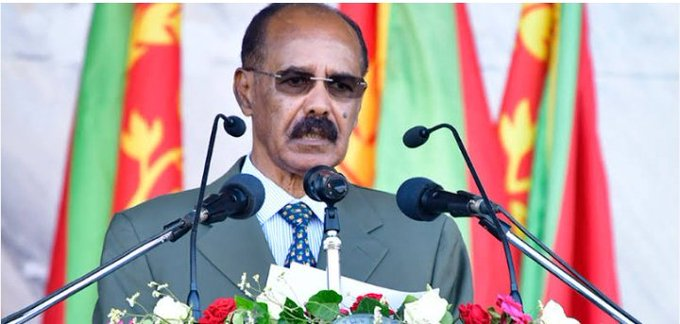
In a speech marking the 34th anniversary of Eritrea’s independence, President Isaias Afwerki accused “external forces” of declaring war against Ethiopia, whose many “reckless agendas,” he went on to list, include “the ideology of Oromummaa,” which he claimed “does not represent the Oromo people.” This remark, which dangerously frames the Oromo people as a threat in the Horn of Africa and mischaracterizes their identity as a foreign ideology, colonial occupation, denial of agency and ongoing marginalization.
What Is Oromummaa?
Self-determination states that only a people can define its identity. Thus, the shaping of the identity of the Oromo people lies with the Oromo alone, which is born of their lived realities, cultures, traditions, and histories. Oromummaa is the common national identity of the Oromo people rooted in their language (Afaan Oromoo), cultural heritage, and history. It is neither the creation of the Oromo elites nor a foreign ideology. Oromummaa promotes peace (nagaa), justice (seeraa), and egalitarian governance, which has been practiced under the Gadaa system—a testament to an ancient democratic indigenous tradition.
The Colonial Construction of Ethiopia
Contrary to the legendary narrative about Ethiopia as an ancient, unified nation-state, history testifies that modern Ethiopia was forcefully cobbled together through imperial conquest. Emperor Menelik II subjugated southern nations through military and economic support from European powers such as Britain, France, Russia, and Italy in the late 19th century. The reversal of fortunes due to modern weaponry from European powers resulted in the violent colonization and occupation of Oromia.
The Oromo and other southerners were not assimilated peacefully but annexed, massacred, enslaved, driven off their lands, and their cultures obliterated. The Gadaa system was replaced by a feudal, hierarchical form of governance. Oromo culture was suppressed, and Afaan Oromoo excluded from education, government, and public life. This was not a process of nation-building—it was colonization. Their identity was demonized, their social institutions targeted, and their lands and resources exploited for the benefit of northern elites. Marginalization was built into the fabric of the Ethiopian state and continues today under the cover of modern politics.
Eritrea’s Role
President Isaias must not overlook his own country’s role in reinforcing Ethiopia’s exclusionary imperial order. During their struggle for liberation against the Derg regime, Eritrean nationalist movements (including EPLF) cooperated with Tigrayan and Amhara elites in pursuit of their respective nationalist agendas, actively undermining Southern nations’ quest for justice and self-determination.
After Eritrea’s independence in 1993, the Asmara administration on and off supported Ethiopian governments (including the TPLF-led EPRDF and Abiy’s administration) in their bid to deny and marginalize southern nations such as the Oromo. Accounts of Eritrean leaders’ control over exiled liberation fronts that were given shelter after the 1998 Ethio-Eritrea war illustrate a pattern of dominance rather than solidarity. Eritrean elites have perennially benefited from the continued marginalization of the Oromo because the maintenance of centralized power structures in Ethiopia has enabled Eritrea to entrench and exert regional power. Isaias’s propaganda targeting the Oromo people needs to be seen within this context.
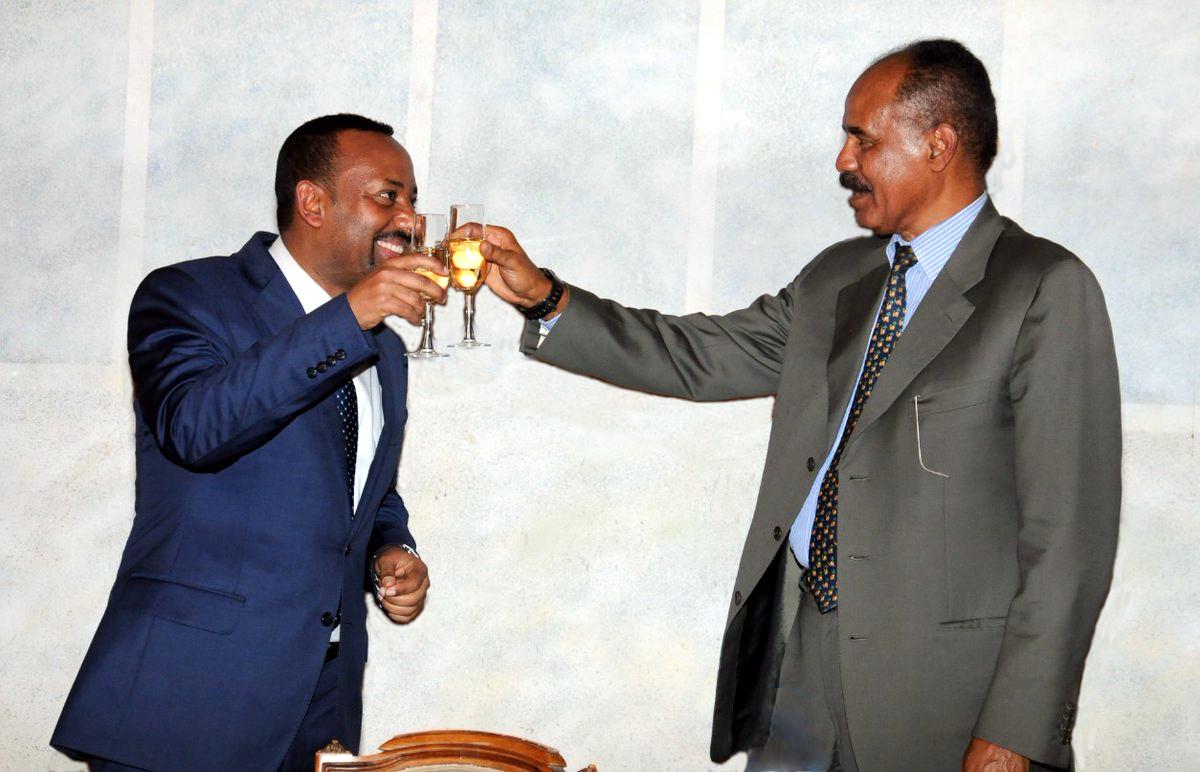
The rise of the Oromo threatens the imperial Ethiopian state structure, which has a history of marginalizing the Oromo while privileging northern elites. Eritrea’s own strength and influence in the Horn of Africa is reliant on the status quo of a centralized Ethiopia that it can manipulate through elite alliances. An empowered Oromo political authority has the potential to shift regional power balances and otherwise undermine Eritrea’s position.
Isaias’s resistance is not out of regard for Ethiopian people’s well-being but due to the fear that Oromia’s sovereignty would dismantle the traditional imperial system that has benefited northern elites, including Eritreans.
A Vision for a Horn of Africa
A peaceful Horn of Africa can only be built on the basis of mutual respect, democratic governance, and decolonized international relations. Nations annexed by force must be granted the right to self-determination —whether it leads to sovereign independence or a genuine federal system.
Coexistence should not be opposed but must be voluntary and based on equality. In this vision, the Horn of Africa can become a region of cooperation, not coercion. Unity should arise from shared values, not military alliances or imposed political arrangements.
President Isaias must remember Eritrea’s own struggle for self-determination. The same yearning for freedom that drove the Eritrean people resonates in the Oromo struggle. To dismiss this shared aspiration is not only shortsighted but a betrayal of the ideals Eritrean freedom fighters once championed—and for which so many sacrificed their lives.
The path to lasting peace begins not with denial but with decolonization. The Oromo pursuit of liberty should not be feared but embraced—for it is a step toward a more just and inclusive Horn of Africa.




 Advocacy for Oromia