Monthly Archives: July 2025
Oromo Indigenous Knowledge: Smart Erosion Solutions for Ethiopia
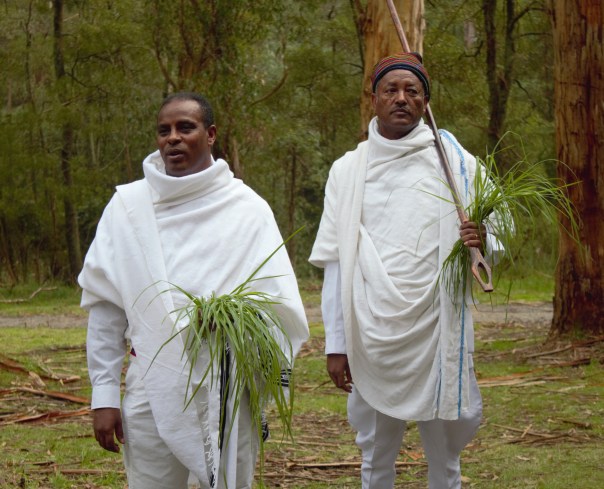
Why scientists are turning to Oromo indigenous knowledge for erosion solutions?
Scientists are increasingly turning to Oromo Indigenous Knowledge (IK) for erosion solutions, particularly in the Ethiopian highlands, due to several compelling reasons:
1. **Severity of Erosion in Oromo Lands:** The Ethiopian highlands, home to a large Oromo population, are among the world’s most erosion-prone regions. Decades of deforestation, population pressure, intensive agriculture on slopes, and climate change impacts have caused catastrophic soil loss, threatening food security, water resources, and livelihoods. Conventional approaches alone haven’t sufficed.
2. **Limitations of Conventional Solutions:**
* **Cost & Scalability:** Large-scale engineering solutions (like extensive terracing or dams) are often prohibitively expensive and difficult to implement and maintain over vast areas.
* **Top-Down Approach:** Imported technical solutions sometimes fail to consider local ecological specificity, social structures, and economic realities, leading to poor adoption or abandonment.
* **Sustainability:** Some conventional methods may rely heavily on external inputs or lack long-term ecological integration.
3. **Strengths of Oromo Indigenous Knowledge (QBS – *Qaalluu*, *Baayyee*, *Safuu*):** Oromo environmental knowledge, often guided by the philosophy of *Qaalluu* (spiritual connection/balance), *Baayyee* (diversity/abundance), and *Safuu* (moral/ecological order), offers proven, context-specific solutions:
* **Holistic Land Management:** The *QBS* system integrates crops, trees, livestock, and social structures. Practices are interconnected, supporting each other and the overall ecosystem health.
* **Time-Tested & Locally Adapted:** IK has evolved over centuries *in situ*, making it uniquely adapted to local soils, climates, topography, and biodiversity. Its persistence proves its effectiveness under local conditions.
* **Effective Specific Practices:**
* **Agroforestry & Multipurpose Trees:** Integrating native trees (e.g., *Cordia africana* – Waddeessa, *Croton macrostachyus* – Bakkanniisaa) for shade, fodder, fuel, soil improvement, and **root systems that bind soil**.
* **Mixed Cropping & Intercropping:** Planting diverse crops together (e.g., cereals with legumes or root crops) provides better ground cover year-round, reducing splash erosion and improving soil structure.
* **Contour Farming & Natural Terracing:** Planting along contours and using specific grasses/shrubs on terrace edges (*Furrii* or *Garbii*) to stabilize them effectively.
* **Crop Residue Management:** Leaving crop residues (*Eebba*) as mulch protects the soil surface from raindrop impact, reduces runoff, conserves moisture, and adds organic matter.
* **Rotational Grazing & Livestock Integration:** Controlled grazing prevents overgrazing, while manure application improves soil fertility and structure. Specific grasses (*Gorii*) are promoted for erosion control on slopes.
* **Micro-Catchments & Water Harvesting:** Traditional techniques like *Targa* (small pits) and *Doyyoo* (micro-basins) capture runoff, allowing water to infiltrate and reducing erosive flow.
* **Sacred Groves & Community Forests:** Protected areas (*Odaa*, *Gudaa*) conserve biodiversity, stabilize slopes, regulate water flow, and serve as repositories of indigenous knowledge.
* **Cost-Effectiveness & Accessibility:** IK relies primarily on locally available materials, labor, and knowledge, making it far more affordable and accessible for local communities.
* **Community Ownership & Social Capital:** IK is embedded in community structures, norms, and governance systems (like the *Gadaa* system). This fosters strong community ownership, participation, and long-term maintenance of conservation measures.
* **Sustainability & Resilience:** Oromo IK emphasizes maintaining ecological balance and diversity, leading to inherently more resilient and sustainable land management systems.
4. **The Shift Towards Participatory & Integrated Approaches:**
* **Recognition of IK Value:** Scientists increasingly acknowledge that IK offers invaluable insights and practical, sustainable solutions often overlooked by purely technical approaches.
* **Co-Production of Knowledge:** The trend is towards collaborative research where scientists work *with* Oromo communities to document, understand, scientifically validate, and refine IK practices. This respects local expertise and ensures solutions are culturally appropriate and readily adopted.
* **Hybrid Solutions:** Combining the strengths of IK (local adaptation, cost-effectiveness, social integration) with relevant scientific innovations (precise mapping, improved plant varieties, targeted engineering) creates more robust and effective erosion control strategies. For example, scientific validation of the effectiveness of specific native plants used in bund stabilization.
* **Policy Shifts:** International frameworks (like CBD, UNCCD) and national policies increasingly emphasize the importance of integrating IK into sustainable development and environmental management.
5. **Addressing Climate Change:** IK systems, developed to cope with variability, offer valuable strategies for building resilience to climate change impacts like increased rainfall intensity and droughts, which exacerbate erosion.
**Challenges in Integration:**
* **Documentation:** Much IK is oral and localized, requiring careful, respectful documentation.
* **Validation & Understanding:** Scientific research is needed to understand *why* and *how* some practices work so effectively.
* **Power Dynamics:** Ensuring equitable partnerships where communities are genuine co-researchers and benefit equitably from any outcomes or commercialization.
* **Changing Contexts:** Adapting IK to rapidly changing social, economic, and climatic conditions while preserving its core principles.
**In essence, scientists are turning to Oromo IK because it provides a treasure trove of proven, sustainable, cost-effective, and culturally grounded erosion control practices. Integrating this deep local wisdom with scientific knowledge offers the most promising pathway towards tackling the severe land degradation challenges in Oromo territories and similar regions.** It represents a move towards more holistic, participatory, and ecologically sound land management.
Harnessing Oromo Wisdom for Effective Environmental Conservation
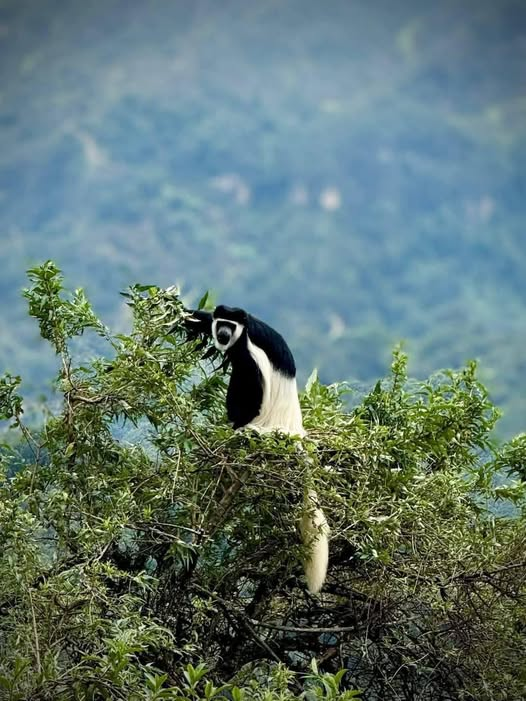
Why scientists are turning to Oromo indigenous knowledge and wisdom for environmental protection and conservation?
Scientists are increasingly turning to Oromo indigenous knowledge and wisdom (often referred to as **Aadaa Seeraa** and embedded within systems like the **Gadaa**) for environmental protection and conservation for several compelling reasons:
1. **Proven Sustainability Practices:** The Oromo people have inhabited and managed diverse ecosystems in the Horn of Africa (primarily Ethiopia and Kenya) for centuries, even millennia. Their traditional practices in agriculture (e.g., crop rotation, intercropping), pastoralism (e.g., controlled grazing, herd diversification), forestry (e.g., sacred groves – *Deddeettii*), and water management have demonstrably sustained these environments long before modern conservation science existed. Scientists recognize these as time-tested models of living *with* nature rather than dominating it.
2. **Deep Ecological Knowledge and Biodiversity Conservation:**
* **Species Knowledge:** Oromo knowledge includes intricate understanding of local flora and fauna – their uses (medicinal, nutritional, material), life cycles, ecological roles, and interactions. This is invaluable for identifying species, understanding ecosystem health, and prioritizing conservation efforts.
* **Habitat Management:** Practices like protecting sacred forests (*Deddeettii* or *Jaarsummaa*), wetlands, and water sources (*Hora*) act as de facto biodiversity reserves and ecological corridors. These areas are often off-limits to exploitation, preserving critical habitats and genetic resources.
* **Sustainable Resource Harvesting:** Rules govern the harvesting of wild plants, honey, and other resources, ensuring regeneration and preventing over-exploitation.
3. **Resilience and Adaptation Strategies:** Indigenous Oromo knowledge contains sophisticated strategies for coping with environmental variability, drought, and climate extremes – challenges that are intensifying with climate change. This includes:
* **Drought-Resistant Crops & Varieties:** Knowledge of locally adapted, resilient crop varieties.
* **Water Conservation Techniques:** Traditional methods for locating, conserving, and sharing water resources.
* **Early Warning Systems:** Ecological indicators used to predict weather patterns, droughts, or pest outbreaks (e.g., behavior of certain birds, flowering patterns of specific trees).
* **Livestock Management:** Strategies for moving herds during drought, diversifying livestock types for risk spreading, and utilizing diverse forage resources.
4. **Effective Governance and Social Sanctions (Gadaa System):** The Gadaa system, a complex indigenous democratic socio-political system, incorporates strong environmental governance principles:
* **Codified Laws (Seera Waaqaa – Laws of Waaqa/God):** Explicit environmental laws prohibiting pollution of water, wanton destruction of trees, killing of certain animals, and regulating land use and resource access.
* **Community Enforcement:** Environmental stewardship is a communal responsibility. Violations of environmental laws carry significant social and spiritual sanctions, ensuring compliance more effectively than external enforcement in many contexts.
* **Intergenerational Equity:** The Gadaa’s cyclical nature inherently promotes long-term thinking and responsibility towards future generations (“*Safuu*” – moral and ethical responsibility).
5. **Holistic and Spiritual Worldview (Waaqeffannaa):** The Oromo worldview, often centered around Waaqeffannaa (belief in Waaqa, the supreme creator), sees humans as an integral part of nature, not separate or superior.
* **Sacredness of Nature:** Mountains, rivers, lakes, forests, and specific trees are often considered sacred abodes of spirits or manifestations of Waaqa, commanding deep respect and protection.
* **Concept of Safuu:** This ethical concept emphasizes balance, respect, and responsibility towards all creation – humans, animals, plants, and the land itself. Exploitation violates *Safuu*.
* **Rituals and Taboos:** Many rituals reinforce the connection to nature, and taboos (*Qaayyoo*) often protect specific species or areas at critical times (e.g., breeding seasons).
6. **Addressing Limitations of Top-Down, Western Science:**
* **Local Context:** Western scientific approaches can be generic and fail to account for specific local ecological, social, and cultural contexts. Oromo knowledge is hyper-local and deeply contextual.
* **Community Buy-in:** Conservation projects imposed from outside often fail due to lack of local understanding and ownership. Integrating indigenous knowledge fosters community participation, legitimacy, and long-term sustainability of conservation efforts.
* **Cost-Effectiveness:** Leveraging existing local knowledge and governance structures can be more practical and cost-effective than establishing entirely new, externally managed systems.
7. **Ethical Shift and Recognition of Rights:** There’s a growing ethical recognition within science and global conservation (e.g., IPBES, CBD) that:
* Indigenous peoples are the original stewards of vast biodiversity-rich areas.
* Their knowledge systems are valid, sophisticated, and hold critical solutions.
* Marginalizing or ignoring this knowledge is not only unjust but also counterproductive to conservation goals. Respecting and integrating it is a matter of rights and justice.
8. **Practical Applications:** Scientists are collaborating with Oromo communities to:
* Restore degraded lands using traditional techniques.
* Design community-based conservation areas incorporating sacred sites.
* Develop climate adaptation plans based on indigenous forecasting and resilient practices.
* Document and preserve ecological knowledge before it is lost.
**In essence, scientists recognize that Oromo indigenous knowledge offers:**
* **Time-tested, sustainable practices** refined over generations.
* **Deep, place-based ecological understanding** crucial for effective management.
* **Robust governance and ethical frameworks** that ensure compliance and long-term thinking.
* **Critical strategies for resilience** in the face of climate change.
* **A pathway to more effective, equitable, and culturally relevant conservation** that engages local communities as partners.
This shift represents a move towards more inclusive, holistic, and effective approaches to tackling the global environmental crisis by learning from those who have successfully managed their environments for centuries. The UNESCO recognition of the Gadaa system as Intangible Cultural Heritage further underscores its global significance, including its environmental governance aspects.
የሀዘን መግለጫ-ከኦሮሞ ነጻነት ግንባር (ኦነግ) የአውስትራሊያ ቅርንጫፍ
ኦሮሞ ነጻነት ግንባር (ኦነግ) እና የአውስትራሊያ ቅርንጫፉ የታላቋ ኦሮሞ ታጋይ፣ የባህል ተከታይ፣ የቋንቋ አስተማሪ፣ የታሪክ አስተናጋጅ እና የትግል አመራር ጃል ኩምሳ ቡራዩን (1969-2025) በፐርዝ፣ ምዕራብ አውስትራሊያ ህይወት ካለፈ በኋላ በጥልቅ ሀዘን እና በከፍተኛ አድናቆት እያከበርን የሀዘን መግለጫችንን እናቀርባለን።
ጃል ኩምሳ ለኦሮሞ ህዝብ ነጻነት፣ ለባህሉ ብልጫ፣ ለቋንቋው ትርጉም እና ለታሪኩ ትክክለኛ ማስታወሻ የዘለቀ አስተዋፅኦ አበርክቷል። በተለይም በኦነግ የባህር ማዶ መዋቅር ስር የአውስትራሊያን ቅርንጫፍ በማቋቋም ረገድ የከፈለው አስተዋፅኦ የማይረሳ ነው። በትግሉ ዘመቻዎች፣ በማህበራዊ እንቅስቃሴዎች እና በባህላዊ ስራዎች ላይ ያለው አስተዋፅኦ ለዘለቄታዊ ትውልድ መምሪያ እና መነሻ ነው።
ኦነግ እና የአውስትራሊያ መዋቅሩ ጃል ኩምሳን ለትግሉ እና ለማህበረሰቡ ያበረከተውን አስተዋፅኦ በጣም ያከብራል። የእሱ አገልግሎት፣ እውቀት እና መሪነት ለኦሮሞ ትውልድ የማይጠፋ ቅርስ ነው።
በዚህ አሳዛኝ ጊዜ ለቤተሰቡ፣ ለዘመዶቹ፣ ለጓደኞቹ እና ለሚወዷቸው ሁሉ የልብ መፅናናትን እንገልፃለን። ዋቃ ነፍሱን በገነቱ ያርግው፣ ጉድለቱን ይምራው፣ ለወዳጆቹ ትዕግስትን ይስጥ።
“የጻድቃን ሥራ ለዘላለም ይታሰባል።”
ስራውና መንፈሱ ወደፊት ትውልድ ውስጥ ይኖራል!
በከፍተኛ አድናቆት፣
የኦነግ የአውስትራሊያ ቅርንጫፍ
ሐምሌ 26 ቀን 2025
Understanding Daaniyaa: The Foundation of Waaqeffannaa
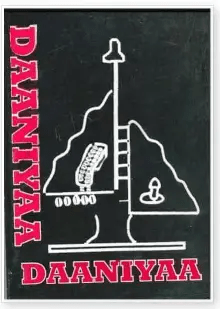
Daaniyaa is indeed a significant text in the Waaqeffannaa religion, the indigenous faith of the Oromo people. As the first written religious book of Waaqeffannaa, its aims are deeply tied to cultural preservation, spiritual revival, and religious identity. Here are its key objectives:
1. Preserving & Promoting Waaqeffannaa Teachings
- Documenting oral traditions, rituals, prayers, and the core beliefs of Waaqeffannaa (belief in Waaqa Tokkicha, the one God).
- Providing a structured religious text for followers to study and practice their faith authentically.
2. Revitalizing Oromo Religious Identity
- Countering historical suppression of indigenous Oromo spirituality under colonialism and external religious influences.
- Strengthening the Oromo people’s connection to their ancestral faith.
3. Cultural Resistance & Decolonization
- Rejecting the erasure of Oromo traditions and promoting Afaan Oromo (Oromo language) in religious practice.
- Empowering Oromo nationalism by tying spirituality to cultural pride.
4. Educating Future Generations
- Serving as a reference for Oromo youth to learn about their heritage.
- Encouraging scholarly research on Waaqeffannaa’s philosophy and ethics.
5. Promoting Interfaith Understanding
- Clarifying Waaqeffannaa’s principles to outsiders, distinguishing it from other religions while fostering respect.
6. Environmental Stewardship
- Reinforcing Waaqeffannaa’s teachings on nature worship (sacred trees, rivers, and land) and ecological balance.
Significance of Daaniyaa
By compiling Waaqeffannaa’s teachings in written form, Daaniyaa plays a crucial role in:
- Legitimizing the faith as an organized religion (not just “animism”).
- Uniting Oromo believers globally under a shared spiritual framework.
- Resisting cultural assimilation while adapting to modernity.
Exploring Daaniyaa: Core Doctrines of Waaqeffannaa
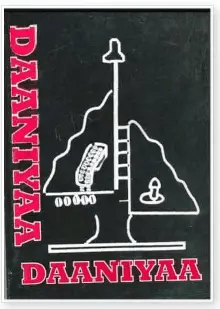
Daaniyaa, as the first written sacred text of Waaqeffannaa, documents key doctrines, rituals, and spiritual practices central to the Oromo indigenous faith. Below are the specific rituals and doctrines likely emphasized in the book, based on Waaqeffannaa traditions:
1. Core Doctrines of Waaqeffannaa in Daaniyaa
Waaqeffannaa is a monotheistic religion with deep ethical, cosmological, and social principles.
A. Belief in Waaqa Tokkicha (One God)
- Waaqa is the supreme, omnipresent, and omnipotent creator.
- No intermediaries—Waaqa is directly accessible through prayer and ritual.
- No hell or eternal punishment—sin disrupts harmony but can be corrected.
B. The Concept of Safuu (Moral Order)
- Safuu means moral and spiritual balance.
- Breaking Safuu (through lying, stealing, or harming nature) requires repentance.
- Qaalus (Blessings) and Abarsa (Curses) are tied to moral actions.
C. Ayyaana (Divine Spirit & Ancestral Connection)
- Every living thing has Ayyaana (spiritual essence).
- Ancestors (Ateetee) are honored but not worshipped.
- Ayyaana connects humans to Waaqa and nature.
D. Uumaa (Creation & Nature Worship)
- Sacred elements: water (laga), trees (muka), mountains (tullu), and sky (samii).
- Environmental stewardship is a religious duty.
2. Key Rituals & Practices in Daaniyaa
A. Irreechaa (Thanksgiving Festival)
- When: Twice a year (spring & autumn) at sacred sites like Hora Arsadi.
- Purpose: Gratitude to Waaqa for rain, harvest, and life.
- Rituals:
- Libation (Dhugaa): Pouring milk, honey, or water as an offering.
- Prayers (Kadhaa): Led by Qallu (priests) or elders.
- Dancing (Shaggooyyee): Circular dances symbolizing unity.
B. Atete (Women’s Prayer Ceremony)
- Performed by: Oromo women to pray for fertility, rain, and peace.
- Rituals:
- Singing (Geerarsa): Spiritual songs calling Waaqa’s mercy.
- Offerings: Milk, butter, and incense.
C. Mokii (Rite of Passage for Boys)
- Similar to circumcision (but not always physical).
- Symbolizes transition to adulthood and responsibility.
D. Arfaasaa (Sacred Oath-Taking)
- Swearing oaths before Waaqa to resolve conflicts.
- Done by holding grass (coqorsa) or touching sacred objects.
E. Daily Prayers (Kadhaa Waaqaa)
- Facing east (where the sun rises).
- Raising hands while chanting prayers.
3. Forbidden Acts (Kilimtoota) in Daaniyaa
- Killing sacred animals (e.g., python in some clans).
- Cutting sacred trees (Odaa)—a symbol of justice.
- Breaking oaths (Cubbuu)—considered a grave sin.
4. Symbolism in Daaniyaa
- Odaa (Sycamore Tree): Assembly place for Gadaa leaders.
- Water (Bishaan): Purity and life.
- Green & White Colors: Peace and divinity.
Conclusion
Daaniyaa serves as a spiritual constitution for Waaqeffannaa believers, preserving rituals, ethics, and doctrines that were once orally transmitted. Its teachings emphasize:
✅ Direct connection to Waaqa (no clergy monopoly).
✅ Nature as sacred (eco-theology).
✅ Oromo cultural identity (resisting erasure).




 Advocacy for Oromia