Daily Archives: July 4, 2025
Understanding Daaniyaa: The Foundation of Waaqeffannaa
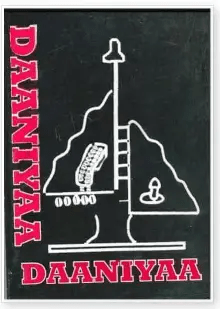
Daaniyaa is indeed a significant text in the Waaqeffannaa religion, the indigenous faith of the Oromo people. As the first written religious book of Waaqeffannaa, its aims are deeply tied to cultural preservation, spiritual revival, and religious identity. Here are its key objectives:
1. Preserving & Promoting Waaqeffannaa Teachings
- Documenting oral traditions, rituals, prayers, and the core beliefs of Waaqeffannaa (belief in Waaqa Tokkicha, the one God).
- Providing a structured religious text for followers to study and practice their faith authentically.
2. Revitalizing Oromo Religious Identity
- Countering historical suppression of indigenous Oromo spirituality under colonialism and external religious influences.
- Strengthening the Oromo people’s connection to their ancestral faith.
3. Cultural Resistance & Decolonization
- Rejecting the erasure of Oromo traditions and promoting Afaan Oromo (Oromo language) in religious practice.
- Empowering Oromo nationalism by tying spirituality to cultural pride.
4. Educating Future Generations
- Serving as a reference for Oromo youth to learn about their heritage.
- Encouraging scholarly research on Waaqeffannaa’s philosophy and ethics.
5. Promoting Interfaith Understanding
- Clarifying Waaqeffannaa’s principles to outsiders, distinguishing it from other religions while fostering respect.
6. Environmental Stewardship
- Reinforcing Waaqeffannaa’s teachings on nature worship (sacred trees, rivers, and land) and ecological balance.
Significance of Daaniyaa
By compiling Waaqeffannaa’s teachings in written form, Daaniyaa plays a crucial role in:
- Legitimizing the faith as an organized religion (not just “animism”).
- Uniting Oromo believers globally under a shared spiritual framework.
- Resisting cultural assimilation while adapting to modernity.
Exploring Daaniyaa: Core Doctrines of Waaqeffannaa
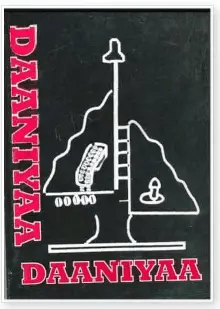
Daaniyaa, as the first written sacred text of Waaqeffannaa, documents key doctrines, rituals, and spiritual practices central to the Oromo indigenous faith. Below are the specific rituals and doctrines likely emphasized in the book, based on Waaqeffannaa traditions:
1. Core Doctrines of Waaqeffannaa in Daaniyaa
Waaqeffannaa is a monotheistic religion with deep ethical, cosmological, and social principles.
A. Belief in Waaqa Tokkicha (One God)
- Waaqa is the supreme, omnipresent, and omnipotent creator.
- No intermediaries—Waaqa is directly accessible through prayer and ritual.
- No hell or eternal punishment—sin disrupts harmony but can be corrected.
B. The Concept of Safuu (Moral Order)
- Safuu means moral and spiritual balance.
- Breaking Safuu (through lying, stealing, or harming nature) requires repentance.
- Qaalus (Blessings) and Abarsa (Curses) are tied to moral actions.
C. Ayyaana (Divine Spirit & Ancestral Connection)
- Every living thing has Ayyaana (spiritual essence).
- Ancestors (Ateetee) are honored but not worshipped.
- Ayyaana connects humans to Waaqa and nature.
D. Uumaa (Creation & Nature Worship)
- Sacred elements: water (laga), trees (muka), mountains (tullu), and sky (samii).
- Environmental stewardship is a religious duty.
2. Key Rituals & Practices in Daaniyaa
A. Irreechaa (Thanksgiving Festival)
- When: Twice a year (spring & autumn) at sacred sites like Hora Arsadi.
- Purpose: Gratitude to Waaqa for rain, harvest, and life.
- Rituals:
- Libation (Dhugaa): Pouring milk, honey, or water as an offering.
- Prayers (Kadhaa): Led by Qallu (priests) or elders.
- Dancing (Shaggooyyee): Circular dances symbolizing unity.
B. Atete (Women’s Prayer Ceremony)
- Performed by: Oromo women to pray for fertility, rain, and peace.
- Rituals:
- Singing (Geerarsa): Spiritual songs calling Waaqa’s mercy.
- Offerings: Milk, butter, and incense.
C. Mokii (Rite of Passage for Boys)
- Similar to circumcision (but not always physical).
- Symbolizes transition to adulthood and responsibility.
D. Arfaasaa (Sacred Oath-Taking)
- Swearing oaths before Waaqa to resolve conflicts.
- Done by holding grass (coqorsa) or touching sacred objects.
E. Daily Prayers (Kadhaa Waaqaa)
- Facing east (where the sun rises).
- Raising hands while chanting prayers.
3. Forbidden Acts (Kilimtoota) in Daaniyaa
- Killing sacred animals (e.g., python in some clans).
- Cutting sacred trees (Odaa)—a symbol of justice.
- Breaking oaths (Cubbuu)—considered a grave sin.
4. Symbolism in Daaniyaa
- Odaa (Sycamore Tree): Assembly place for Gadaa leaders.
- Water (Bishaan): Purity and life.
- Green & White Colors: Peace and divinity.
Conclusion
Daaniyaa serves as a spiritual constitution for Waaqeffannaa believers, preserving rituals, ethics, and doctrines that were once orally transmitted. Its teachings emphasize:
✅ Direct connection to Waaqa (no clergy monopoly).
✅ Nature as sacred (eco-theology).
✅ Oromo cultural identity (resisting erasure).




 Advocacy for Oromia