Celebrating Irreechaa: A Tradition of Gratitude
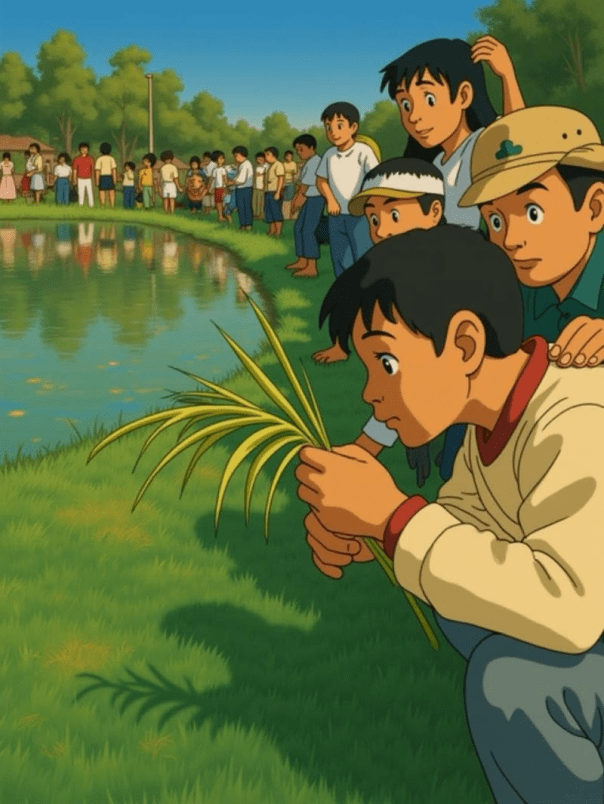
Long, long ago, nestled in the heart of Oromia, lived a wise old man named Oro. Every year, as the rainy season bid farewell and the land burst into vibrant green, Oro would climb atop the highest mountain. He would raise his hands to the sky and offer a heartfelt “Galatoomi Waaqaa!” – “Thank you, Waaqaa!” to the creator, for the blessings of rain, harvest, and life.
Oro’s gratitude became a tradition. His children, and their children after them, followed his example. They would gather by rivers and lakes, adorned in beautiful traditional clothes, singing songs of praise and offering gifts of flowers and fresh crops. This joyous celebration became known as Irreechaa – a time for thanksgiving, unity, and hope.
As generations passed, the Oromo people spread across the land, but they never forgot Oro’s tradition. Every September, they would journey to sacred places, especially to Finfinne, their capital city. There, by the shimmering waters, they would come together, a sea of colorful garments, to sing, dance, and offer their gratitude to Waaqaa.
Children would toss flowers into the water, their laughter echoing through the air. Elders would share stories of Oro and the importance of thankfulness. And as the sun set, painting the sky in hues of black, red and white, the Oromo people would feel a deep sense of connection to their history, their culture, and their God.
The end.

Posted on September 5, 2025, in Uncategorized. Bookmark the permalink. Leave a comment.




 Advocacy for Oromia
Leave a comment
Comments 0