𝕀𝕣𝕣𝕖𝕖𝕔𝕙𝕒𝕒: The Oromo Festival of Thanksgiving and Renewal
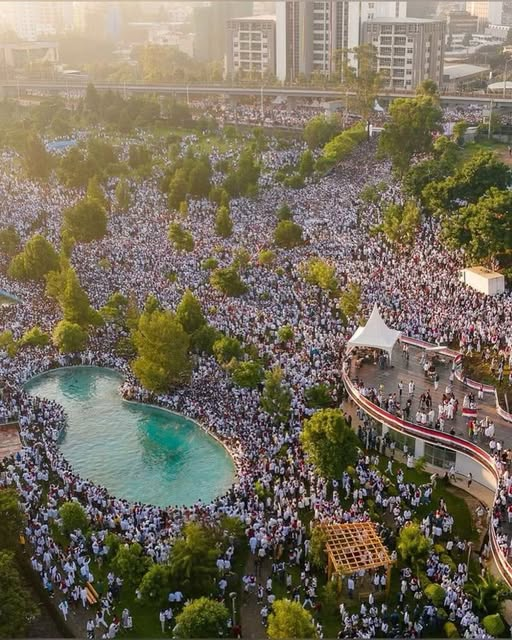
Every year, as the rains recede and the Ethiopian highlands begin to glow with new light, millions of Oromo people gather to give thanks. Irreechaa — literally “thanksgiving” in Afaan Oromo — is a vibrant, deeply felt festival that marks the end of the rainy season and the welcoming of a new, fertile period. It is at once spiritual ceremony, community reunion, cultural showcase, and a time for renewal.
Roots and Meaning
Irreechaa is rooted in the traditional Oromo worldview and is closely linked to the Gadaa system, the democratic social and political institution that organized Oromo life for centuries. The festival is fundamentally a ritual of gratitude to Waaqa (God) for life, health, and the bounty of the land. It affirms social bonds, renews moral commitments, and marks seasonal and generational transitions. Though its spirit is ancient, Irreechaa remains a living, adaptive tradition that continues to shape Oromo identity today.
Where and When It Happens
Irreechaa is observed across Oromia and by Oromo communities worldwide. Celebrations are usually held at natural gathering places — lakes, rivers, and meadows — where people can perform water- and earth-centered rites. The largest contemporary gatherings often take place by the lakes near Bishoftu (sometimes also called Debre Zeyit) and at other prominent riverbanks and lakes throughout the region. The timing follows the agricultural and pastoral calendar: typically at the end of the rainy season, around late September or early October in the Gregorian calendar, though exact dates may vary by locality and community.
Rituals and Practices
An Irreechaa morning is a sensory feast. People travel from villages and cities, wearing traditional dress and carrying bunches of seasonal wildflowers and fresh grasses. The ceremony is usually led by elders and by the Abbaa Gadaa (the Gadaa father or leader), who offers prayers and blessings for the coming year.
Key elements include:
– Gatherings at water: People congregate at lakeshores and riverbanks, where water symbolizes renewal and life.
– Blessings by elders: The Abbaa Gadaa or elders lift a branch of grass or flowers — a symbol of life — and sprinkle or dip it in the water, then wave or sprinkle drops over the crowd as a communal blessing.
– Songs and ululation: Traditional songs, chants, and ululations (high-pitched celebratory cries) fill the place. Music and dance are central, with both communal steps and individual expressions.
– Feasting and fellowship: Families and friends share food, exchange greetings, and reconnect after the rainy months. Coffee ceremonies, a core part of Ethiopian hospitality, often accompany gatherings.
– Symbolic gestures: The sharing and tossing of flowers or grasses into the water is a visible act of giving thanks and wishing for fertility and prosperity.
Cultural and Civic Dimensions
Though Irreechaa is primarily a spiritual and cultural event, it has also taken on civic and social significance in modern times. Festivals have been occasions for public discussion, cultural revival, and the assertion of Oromo language and identity. For the Oromo diaspora — in North America, Europe, and beyond — Irreechaa gatherings are important moments for preserving heritage and passing it to younger generations.
The festival has not been without challenges. Large crowds require careful management, and political tensions at times have added complexity to peaceful celebrations. Communities and authorities increasingly work together to ensure safety while protecting the sacred and communal nature of the festival.
Why Irreechaa Matters
Irreechaa is more than an annual party: it is a ritual that knits people to place, to each other, and to the cycles of nature. It embodies gratitude, resilience, and hope — values that resonate far beyond Oromia. For visitors and observers, Irreechaa offers a window into a rich cultural tradition that balances spirituality, social cohesion, and joyful celebration.
If You Attend
If you have the opportunity to witness or participate in Irreechaa, approach with respect:
– Dress modestly and follow local customs.
– Ask permission before taking photos, especially of elders or religious activities.
– Participate quietly and respectfully in communal moments; observe before joining.
– Be mindful of large crowds and follow safety guidance from organizers.
Irreechaa remains a powerful expression of Oromo life: a time to say thank you, to heal, to celebrate community, and to step forward together into the new season.
#Irreecha#Irreechaa#Oromo#OromoFestival#OromoCulture#OromoTradition#OromoThanksgiving#Gadaa#SirnaGadaa

Posted on September 18, 2025, in Uncategorized. Bookmark the permalink. Leave a comment.




 Advocacy for Oromia
Leave a comment
Comments 0