Daaniyaa: Spiritual Foundations of Oromo Religion
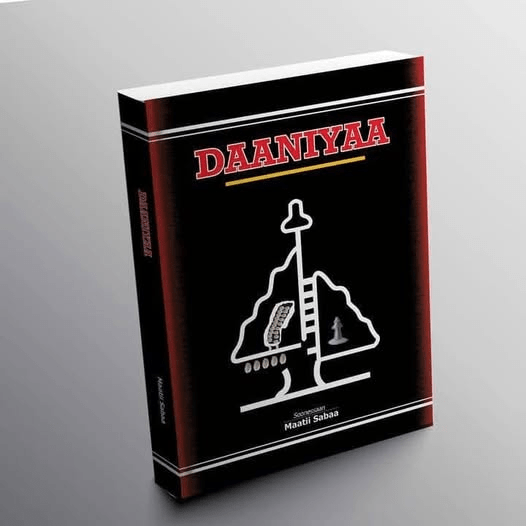
Daaniyaa refers to the foundational written sacred text of Waaqeffannaa, the indigenous religion of the Oromo people. It serves to preserve Oromo culture and spirituality by documenting core beliefs in Waaqa Tokkicha (One God), moral principles like safuu (spiritual balance), and ancestral connections (Ayyaana). The text is crucial for religious identity, education, and promoting the Oromo language and heritage.
Key Aspects of Daaniyaa
Religious Foundation: Daaniyaa is the first written book for Waaqeffannaa, a monotheistic faith centered on the worship of Waaqa Tokkicha.
Preservation of Culture: The book documents oral traditions, rituals, and the philosophy of Waaqeffannaa, helping to counter historical suppression and preserve Oromo spiritual identity.
Core Beliefs: It details key doctrines, such as the belief in a single creator god, the importance of safuu (moral order), the concept of Ayyaana (divine spirit and ancestral connection), and reverence for natural elements.
Oromo Identity and Decolonization: Daaniyaa plays a role in Oromo cultural resistance and decolonization by promoting the use of the Afaan Oromo language in religious practice and connecting spiritual practices to cultural pride.
Education and Research: The text is intended to educate future generations about Oromo heritage and serve as a basis for scholarly research into Waaqeffannaa’s ethics and philosophy.
What are the main teachings of Daaniyaa in Waaqeffannaa?
The main teachings of Daaniyaa in Waaqeffannaa center on belief in one supreme creator (Waaqa Tokkicha), the importance of moral order (Safuu), ancestral connection through Ayyaana (divine spirit), and reverence for nature.
Belief in Waaqa Tokkicha
Waaqeffannaa teaches that Waaqa, the one God, is omnipresent and omnipotent, and directly accessible to every believer without intermediaries.
Safuu (Moral and Spiritual Order)
Safuu represents ethical conduct, social justice, and spiritual balance; violating Safuu through dishonesty, theft, or harm to nature requires repentance.
Ayyaana (Ancestral & Divine Connection)
Ayyaana denotes spiritual ties to ancestors and the divine spirit, reinforcing the Oromo people’s bond with Waaqa and maintaining cultural identity.
Rituals and Practices
Important rituals include daily prayers facing east (Kadhaa Waaqaa), rites of passage (Mokii), and sacred oath-taking (Arfaasaa) to resolve conflicts. Symbolic use of natural elements like the Odaa tree and water highlight the eco-theology of Waaqeffannaa.
Prohibition of Forbidden Acts
Daaniyaa prohibits killing sacred animals, cutting sacred trees, and breaking oaths—considered grave sins.
Role in Oromo Identity
The text strengthens Oromo spiritual identity, promotes the use of Afaan Oromo in religious practice, and acts as a tool of cultural resistance and decolonization.
Environmental Stewardship
Waaqeffannaa and Daaniyaa emphasize nature worship, ecological balance, and stewardship of the land.
These core teachings make Daaniyaa a spiritual constitution for followers of Waaqeffannaa, codifying doctrines, rituals, ethics, and the importance of cultural heritage.
What are the main rituals described in Daaniyaa?
The main rituals described in “Daaniyaa,” the foundational sacred text of the Oromo indigenous religion Waaqeffannaa, include:
Irreechaa (Thanksgiving Festival): Held twice a year during spring and autumn at sacred sites like Hora Arsadi, this ritual involves offering libations (milk, honey, water), prayers led by Qallu (priests) or elders, and communal dancing symbolizing unity. It expresses gratitude to Waaqa (God) for rain, harvest, and life.
Daily Prayers (Kadhaa Waaqaa): Practiced facing east at sunrise, involving raising hands and chanting prayers.
Forbidden acts include killing sacred animals or cutting sacred trees, and breaking oaths is considered a grave sin. Symbolically important elements are the Odaa (Sycamore Tree), water, and colors green and white, signifying peace and divinity.
These rituals and spiritual practices emphasize a direct connection to Waaqa, moral order (Safuu), respect for nature, and preservation of Oromo cultural identity.
The book “Daaniyaa,” which is the foundational written sacred text of Waaqeffannaa, the indigenous religion of the Oromo people, was authored by Maatii Sabaa.

Posted on September 20, 2025, in Uncategorized. Bookmark the permalink. Leave a comment.




 Advocacy for Oromia
Leave a comment
Comments 0