Daily Archives: October 8, 2025
Beyond the Celebration: How the Spirit of Irreechaa Nurtures Community Year-Round
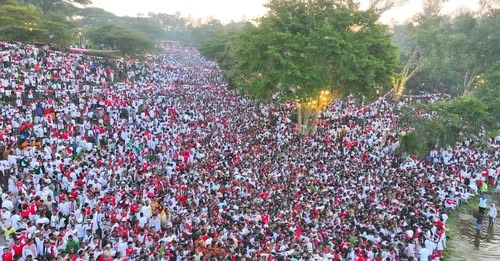
While the vibrant gathering at Irreechaa is a powerful climax, its true significance unfolds in the days and weeks that follow. For the Oromo community, the festival’s close marks the beginning of a period dedicated to reinforcing its profound messages of peace, gratitude, and harmony through meaningful traditions and personal reflection.
The lasting impact of Irreechaa is felt through several key practices:
- Strengthening Social Bonds: The festival sparks a wave of community connection. Families and neighbors gather for shared meals and traditional coffee ceremonies, repairing bonds and expressing gratitude for peaceful reunions.
- Sustaining Gratitude: The spirit of thanksgiving continues at home, with prayers for the new season’s blessings. Many host intimate gatherings to reflect on the central themes of Araaraa (reconciliation), Nagaa (peace), and Walooma (harmony).
- Passing Down Wisdom: Elders take a central role, sharing stories and blessings to guide the youth. This intergenerational dialogue ensures the continuity of Oromo heritage and cultural values.
- Inspiring Action: The festival’s values often catalyze community initiatives. Groups organize to support cultural preservation, social projects, and youth engagement, actively promoting Oromummaa (Oromo identity) throughout the year.
- Deepening Nature Connection: In a direct extension of Irreechaa’s reverence for the environment, many visit sacred sites for quiet contemplation, strengthening their spiritual bond with the natural world.
These enduring traditions demonstrate that Irreechaa is far more than a single event. It is a living culture that continuously nurtures identity, fosters unity, and sets a positive intention for the year ahead.
Post-Irreechaa: Continuing the Spirit of Community and Gratitude
After the Irreechaa celebration, several meaningful activities and reflections typically follow, both for individuals and for the wider Oromo community. These actions help reinforce the festival’s spiritual, cultural, and communal outcomes.
The Lasting Spirit of Irreechaa: Meaningful Traditions That Extend Beyond the Festival While the vibrant gathering of Irreechaa is a powerful climax, its true significance often unfolds in the days and weeks that follow.
For the Oromo community, the festival’s close marks the beginning of a period dedicated to reinforcing its profound spiritual, cultural, and communal messages through a series of meaningful activities and personal reflections.
Strengthening Social Fabric- A central post-festival focus is on deepening connections. Attendees often spend quality time with family, friends, and neighbors, sharing meals and participating in traditional coffee ceremonies. These gatherings are a time to express gratitude for peaceful reunions and to fortify the social bonds that may have been strained during the rainy season, weaving the community closer together.
Sustaining Gratitude and Reflection- The spirit of thanksgiving does not end with the festival’s final prayer. Individuals and families frequently continue their expressions of gratitude at home, offering prayers for the blessings of the new season, continued peace, and good health. Some may host intimate follow-up gatherings to reflect on the central themes of Araaraa (reconciliation), Nagaa (peace), and Walooma (harmony) that were central to the Irreechaa celebration.
Passing Down Wisdom to the Next Generation- Elders play a crucial role in the post-Irreechaa period by sharing their wisdom and providing blessings.
They offer guidance for the year ahead, drawing on lessons from the festival and ensuring the continuity of Oromo heritage. This cultural transmission often occurs through storytelling in homes and community centers, directly engaging and inspiring the youth.
Keeping Cultural Expression Alive The energy of Irreechaa often spills over into continued cultural performances. Music, dance, and other traditional arts may persist, particularly in larger urban centers and diaspora communities. These expressions serve to foster pride, entertain families, and prolong the celebratory atmosphere, ensuring the culture remains dynamic and vibrant long after the main event.
Channeling Inspiration into Action– This period also serves as a catalyst for community-minded initiatives. Inspired by the festival’s values, groups often organize meetings to discuss how to support cultural preservation, social projects, and youth engagement. Associations, especially those in the diaspora, may evaluate the recent celebration and plan for the future, actively promoting Oromummaa (Oromo national identity and consciousness) throughout the coming year.
Deepening the Connection with Nature-In a continuation of Irreechaa’s spiritual connection to the environment, some families or groups extend their stay to visit other sacred sites or natural destinations. This time is used for quiet contemplation, relaxation, and strengthening bonds with nature, embodying the festival’s core reverence for the natural world.
Summary of Post-Irreechaa Activities Activity Purpose Reconnecting with Community & Family Strengthen social bonds and share festival experiences.
Continued Prayers & Thanksgiving Express ongoing gratitude for peace, health, and blessings. Elders’ Blessings & Storytelling Transmit cultural wisdom and guide the next generation. Ongoing Cultural Performances Foster pride and keep the cultural spirit alive. Reflection & Community Projects Plan future cultural, social, and developmental activities. Visits to Sacred & Natural Sites Reconnect with nature and engage in spiritual contemplation.
These enduring traditions demonstrate that Irreechaa is far more than a single-day event. Its significance ripples outward, continuously nurturing cultural identity, fostering unity, and helping to set positive intentions for the year ahead.
Thousands celebrate Ethiopia’s thanksgiving festival
1 of 5 |
Thousands gathered in Ethiopia’s capital, Addis Ababa, to celebrate the East African country’s thanksgiving festival, which is celebrated annually by the largest ethnic group, the Oromos, who were donning mostly white traditional attire. (AP video shot by Amanuel Gebremedhin Birhane)
2 of 5 |
People attend the annual thanksgiving celebrations in Addis Ababa, Ethiopia, Saturday, Oct 4, 2025. (AP Photo/Amanuel Birhane)
3 of 5 |
People attend the annual thanksgiving celebrations in Addis Ababa, Ethiopia, Saturday, Oct 4, 2025. (AP Photo/Amanuel Birhane)
4 of 5 |
People attend the annual thanksgiving celebrations in Addis Ababa, Ethiopia, Saturday, Oct 4, 2025. (AP Photo/Amanuel Birhane)
5 of 5 |
People attend the annual thanksgiving celebrations in Addis Ababa, Ethiopia, Saturday, Oct 4, 2025. (AP Photo/Amanuel Birhane)
By AMANUEL GEBREMEDHIN BIRHANEUpdated 9:51 PM GMT+11, October 5, 2025
ADDIS ABABA, Ethiopia (AP) — Thousands gathered in Ethiopia’s capital, Addis Ababa, on Saturday for the East African country’s thanksgiving festival, which is celebrated annually by the largest ethnic group, the Oromos, who were donning mostly white traditional attire.
The Irreecha festival is held to thank God, whom the Oromos call Waaqa. Some still practice the traditional Waaqqeffannaa, which is the worship of Waaqa.
“Irreecha is an important tradition that the Oromos treasure,” said Abbaa Gadaa Asmacha Foro, who was attending the festival and had traveled from the West Shewa Zone in the country’s central Oromia region.
Representing approximately a third of Ethiopia’s nearly 130 million population, the Oromo people use this annual festival to preach peace and unity.
“Irreecha is a vibrant thanksgiving festival that unites all the main clans of the Oromo,” said Robiya Bimam, a 35-year-old hotelier and resident of Addis Ababa.
There was increased security in the city before the festival, after the one in 2016 turned violent. Attendees at the time used the festival to hold anti-federal government protests and clashed with security forces, leading to a stampede that left more than 50 people dead.
That deadly festival gave birth to new leadership, which saw current Prime Minister Abiy Ahmed, born in the Oromia region, rise to power.
Ahmed said Saturday that this year’s Irreecha comes after the country inaugurated the Grand Renaissance Dam, which “doubles our joy.”
Legesse Addisalem, an elder from Sebeta, a small town located 22 kilometers (about 13 miles) from Addis Ababa, said that “Irreecha is a celebration of fertility, love, and peace. We pray for peace not only for Ethiopia but for all of Africa and the world.”
James Jordan, a tourist from the U.S., attended the Irreecha festival for the first time.
“As a tourist, I’m mesmerized by the lively culture and large crowds at the Irreecha festival,” he said.
“I found it to be a wonderful celebration,” said Tariku Gankasi, a prominent Ethiopian artist from Jinka, a southern region of Ethiopia.
The majority of Oromos believe that they were denied the right to practice and promote their traditions by authorities in the past, including Emperor Menelik II, Emperor Haile Selassie and the military-Marxist Derg government.
Following protracted struggles and immense sacrifices, the Irreecha festival was revived in the late 1990s, when the Derg was toppled.
Umer Ali, 60, was elegantly dressed in his traditional Oromo clothing as he reflected on the revival of the Irreecha celebrations.
“For 150 years, the Oromo were denied cultural expression, but reforms by Prime Minister Abiy Ahmed six years ago now allow them to celebrate Irreecha in Finfine and express their culture,” he said.
Yosuf Robie, a resident of Addis Ababa, said that “we inherited this culture from our ancestors, and we must promote and pass it on to the next generation.”
Now, with Abiy as the country’s first Oromo leader, many Oromos feel more empowered to promote their culture.
But despite being Oromo, Abiy faces growing criticism from some within the community, who argue he hasn’t done enough for them.
“Despite the sacrifices made by generations for justice, freedom, and cultural recognition, most Oromo causes are still ignored and pushed aside under Abiy’s administration,” said Haqaafan Worku, a 36-year-old social science expert. “Prime Minister Abiy Ahmed tries to create a false image, pretending that the questions and demands of the Oromo have been addressed. This is far from the truth.”
Source: https://apnews.com/article/ethiopia-thanksgiving-irreecha-festival-0b891c0cba77f45386648ec077ff04eb
Irreecha Festival 2025: Cultural Pride and Community Harmony
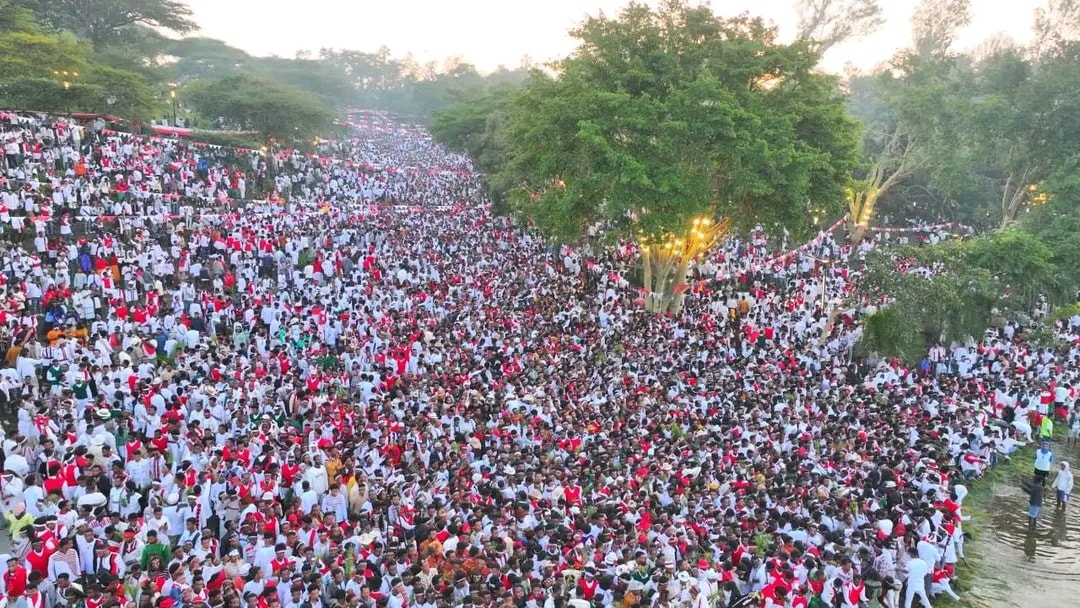
Addis Ababa, October 5, 2025 (ENA)—The Irreecha Festival, one of the most significant cultural and spiritual events in the Oromo culture was celebrated in an atmosphere of peace, unity, and cultural pride, according to Abbaa Gadaas.
Abbaa Gadaa Gobena Hola, Secretary of the Union and Tulema, said that this year’s Hora Arsedi Irreecha festival was celebrated in a way that strengthened unity.
Abbaa Gadaa Gobena together with the Head of the Oromia Regional State Culture and Tourism Bureau gave a briefing regarding the completion of this year’s Irreecha festival.
In his briefing, he emphasized that that this year’s Irreecha festival was celebrated with love and unity in a way that strengthened unity.
The 2025 Irreecha celebration as deeply meaningful, emphasizing that it embodied the values of togetherness and mutual respect, he added.
Celebrations took place primarily at Hora Finfinnee in Addis Ababa and Hora Arsedi in Bishoftu, attracting millions of participants from across Ethiopia and beyond.
“This year’s celebrations welcomed people from various ethnic backgrounds,” he noted, “offering a profound display of peace, love, and unity that reflects Ethiopia’s rich cultural mosaic.”
Held under the theme “Irreecha for the revival of the country,” the festival underscored Irreecha’s role in promoting national cohesion and cultural identity. Participants widely echoed this message, describing the Hora Arsedi gathering as a powerful symbol of Ethiopian brotherhood and unity.
In addition to cultural significance, the seamless organization of the festival was also praised.
Abbaa Gadaa Gobena extended heartfelt appreciation to government institutions, security forces, service providers, and the public for their coordinated efforts, which ensured the festivities proceeded smoothly and without incident.
Meanwhile, Abbaa Gadaa Keta Biru emphasized the festival’s spiritual essence.
“Irreecha is a celebration of peace, forgiveness, and unity,” he affirmed. “It is our duty to pass these values and traditions to the next generation with respect and care,” he told ENA.
The Irreecha Festival served not only as a cultural celebration but also as a vibrant holiday for unity, reaffirming shared values and strengthening the spirit of togetherness among Ethiopia’s diverse communities, he concluded.
Beyond its cultural beauty, this year’s Irreecha Festival resonated deeply with Ethiopia’s broader journey of transformation and development.
Rooted in the Gadaa System, the traditional socio-political and cultural governance framework of the Oromo people, it embodies gratitude, peace, and social harmony.
Over the years, Irreecha has evolved into a national symbol of unity and coexistence, bringing together millions from diverse backgrounds.
Jamila Simbru, the head of the Oromia Regional State Culture and Tourism Bureau, said that this year’s Irreecha was celebrated colorfully and in organized manner.
He said that both in Hora Finfinnee and Hora Arsedi, the people celebrated Irreecha in a colorful manner, wearing traditional costumes and strengthening unity.




 Advocacy for Oromia