The Significance of Irreecha: Gratitude, Renewal, and Identity
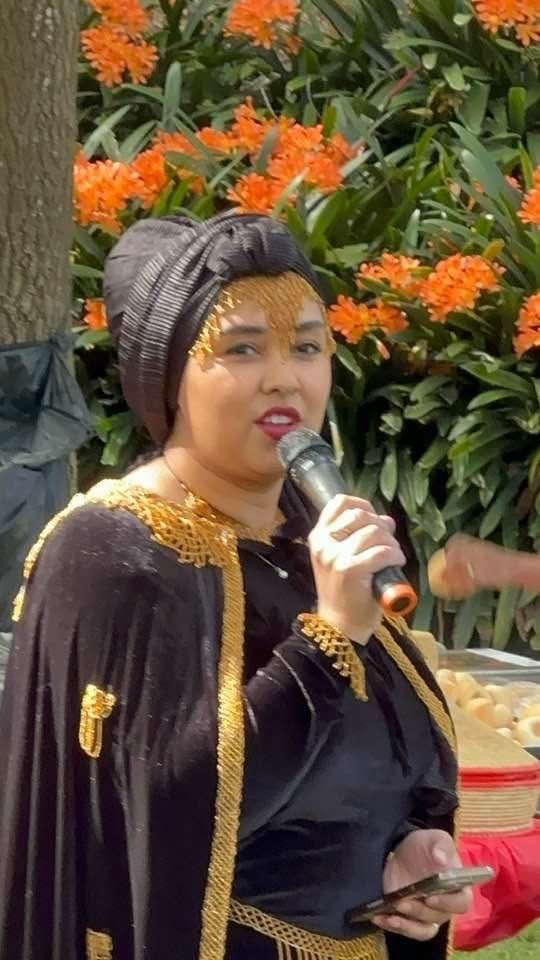
The 2025 Irreecha Melbourne was a resounding success, highlighted in part by the impactful message shared by Toltu Tufa.
Good morning. I stand before you today with a heart full of gratitude—gratitude for life, for this community, and for this sacred moment we share, known as Irreecha.
I would like to begin by honoring the Oromo elders, both male and female, who are with us today. And to everyone here, Oromo and non-Oromo alike, a very warm welcome.
For anyone new to this tradition, Irreecha is the Oromo people’s festival of thanksgiving. We gather by water—rivers, lakes, and waterways—bringing greenery and salt, symbols of life, which we place upon the water. It marks the end of the rainy season and the arrival of sunshine and renewal. We are truly fortunate; last year in Melbourne, we stood in the rain, and this year, the sun blesses us.
But Irreecha is far more than a change of season. At its heart, it is a celebration built on three pillars: gratitude, harmony with nature, and community connection.
Today, I want to share what these pillars mean for us.
First, gratitude. Irreecha is a time, as we were taught, to set aside grievances, to reflect, and to forgive. In our culture, gratitude is a transformative force. It turns hardship into resilience and scarcity into abundance.
Second, connection to nature. Even amidst concrete and screens, Irreecha calls us back to a fundamental truth: water is life, and the earth is sacred. It reminds us that we belong to the earth, and the earth to us.
And third, community. We, as Oromo people, are not meant to celebrate alone. We come together with food, laughter, forgiveness, and joy. For some of you, this may be familiar. The names and customs may differ, but the goal is the same: the human spirit giving thanks, finding belonging, and hoping for better days.
Here in Australia, Irreecha is more than a cultural tradition; it is an act of identity and dignity. It is our declaration that even far from Oromia, our culture is alive and thriving.
For our young Oromo people, this is your invitation—from your parents, your cousins, your relatives—to inherit the values of gratitude and resilience.
And for our non-Oromo friends, your presence is a gift. You remind us that joy only multiplies when it is shared.
So whether we gather in Bishoftu, Melbourne, or Washington, D.C., the message is the same: We are still here. We give thanks, and we celebrate life.
Of course, our world is not without hardship. Our people, like many others, carry pain and struggle. Irreecha does not deny this pain. Instead, it transforms it. It is the Oromo way of saying that sorrow will never have the final word.
So thank you. If we can gather here today by the water, then perhaps tomorrow, we can gather in peace all around the world.
I want to thank you for your time and extend my deep gratitude to the organizers for their marvelous work. I look forward to seeing you all again, with my friends and family, next year.
Thank you.

Posted on October 19, 2025, in Uncategorized. Bookmark the permalink. Leave a comment.




 Advocacy for Oromia
Leave a comment
Comments 0