Daily Archives: October 27, 2025
Irreecha Festival Returns to Nairobi After a Decade
The Irreecha festival made a triumphant return to Nairobi’s Uhuru Park after a ten-year hiatus.
For many participants, the celebration held profound significance, marking the first time they could celebrate freely since the period of the kidnapping and disappearance of Oromo activist Dabbasaa Guyyoo.
Attendees expressed deep emotion, noting that the festival’s return symbolized a powerful renewal of culture and community after a long and difficult interruption.
Oromo Heroes: Remembering Mahammad Ali and Bakkalchoo Asaffa
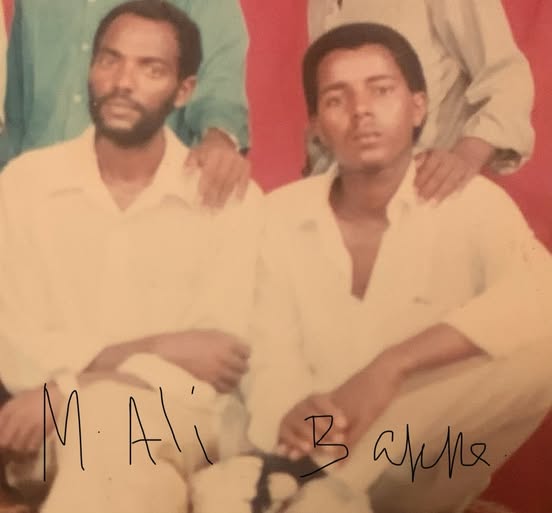
History will never forget you, Jaal Mahammad Ali and Jaal Bakkalchoo Asaffa.
Jaal Mahammad Ali, a dedicated member of the SBO/OLF, was martyred in 1999. Jaal Bakkalchoo Asaffa, a courageous OLF commando, was martyred in 1997. The struggle of this nation knows no bounds.
Through it all, the OLF has been the great and wide Odaa—the shelter that has carried this nation and its struggle forward. To this day, it remains a deeply rooted force.
The Oromo struggle is eternal, and the OLF has been its enduring sanctuary—the great Odaa that has borne this nation forward. Its roots are deep and unshakable. Though they push, they will never prevail.
Beyond the Cradle: How Oromo Traditions Shape Youth and Why They’re Overlooked
What can ancient traditions teach us about raising well-rounded youth? This article delves into the rich cultural and moral values of the Oromo cradle tradition, exploring its powerful role in fostering positive behavior and personal development.
We investigate the often-overlooked educational wisdom within Oromo practices. Through careful analysis of historical documents, a clear pattern emerges: indigenous traditions like Waaqeffannaa have frequently been dismissed as outdated or ungodly, while religions like Orthodox Christianity and Islam were cast as more modern.
This marginalization isn’t new. During the feudal era, the Orthodox Church dominated public life. The socialist regime that followed suppressed all religion, though Orthodox Christianity and Islam managed a fragile presence. Today, Ethiopia’s federal system officially embraces secularism, with no state religion.
Yet, despite this secular framework, a critical gap remains. The profound educational value of indigenous Oromo beliefs and socio-cultural institutions continues to be sidelined in our modern discourse. This article argues for a re-examination of these traditions, not as relics of the past, but as vital resources for nurturing the future.




 Advocacy for Oromia