Monthly Archives: November 2025

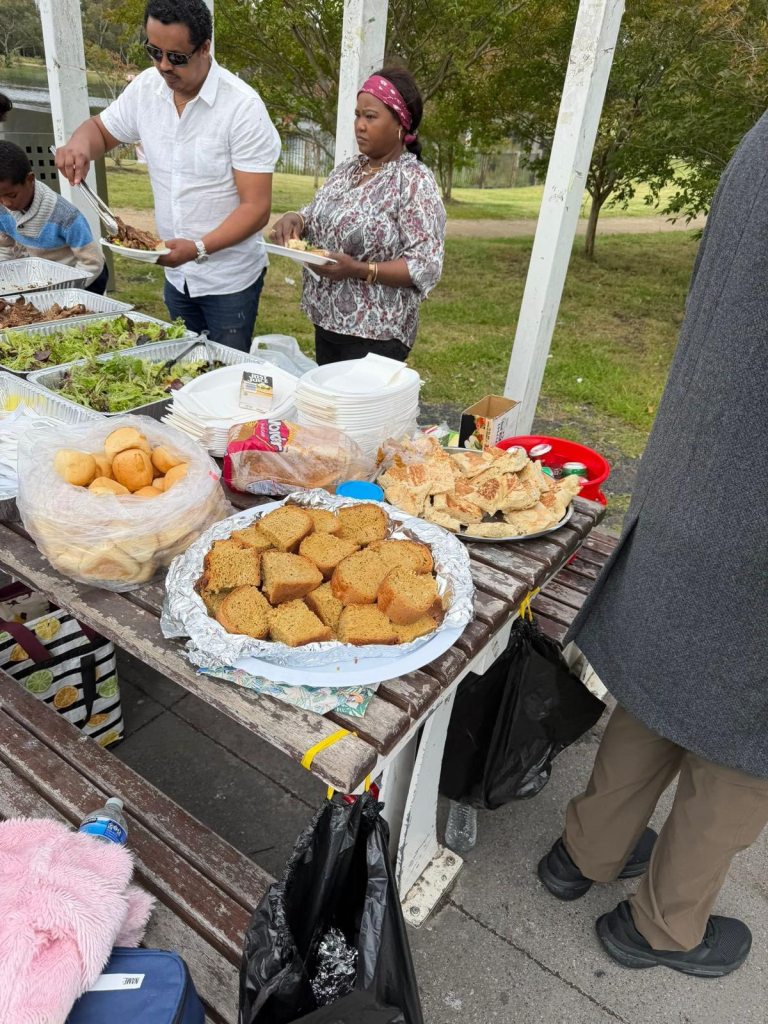
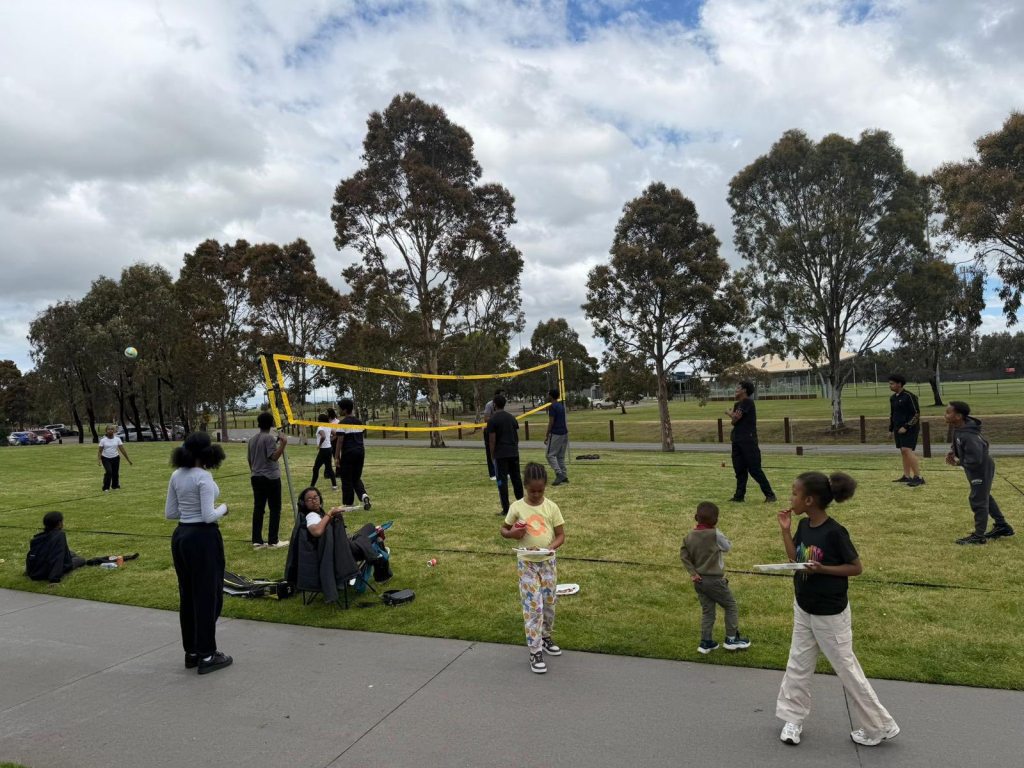
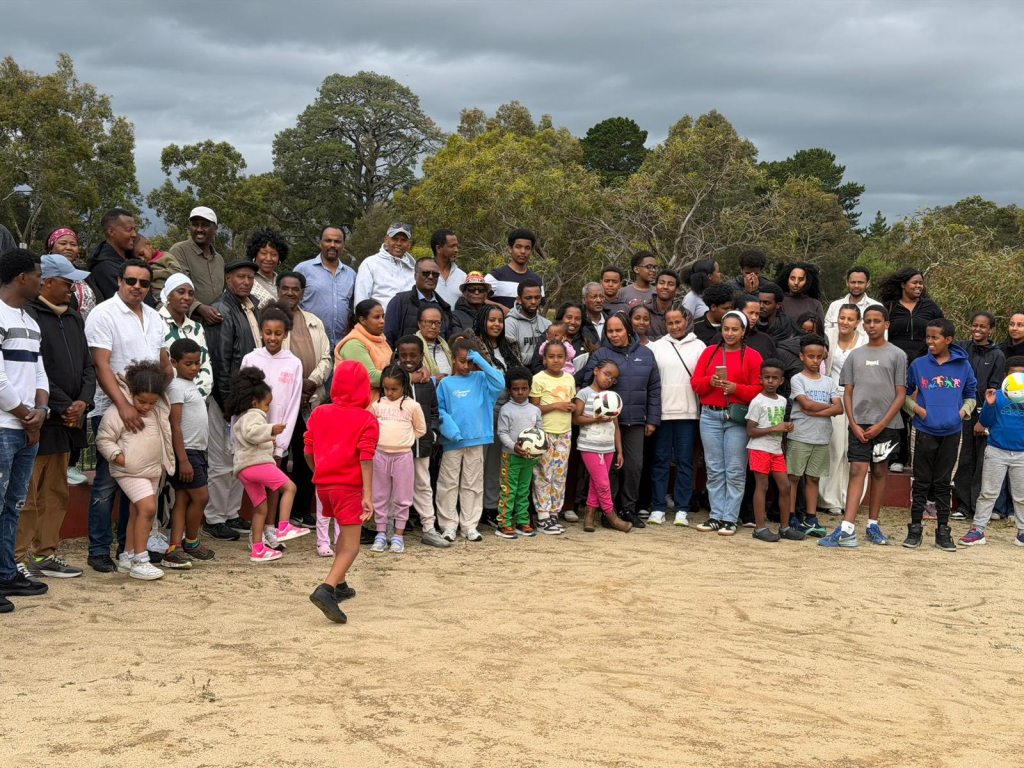
Burqaa Gibe Community Association Hosts a Successful Family Day
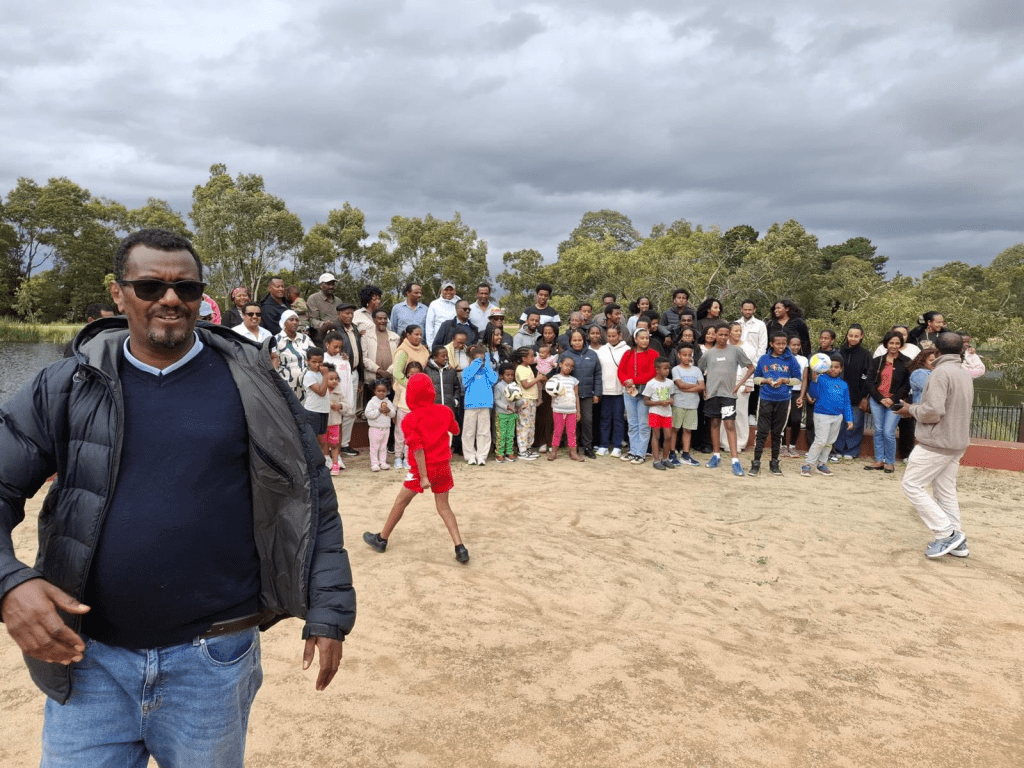
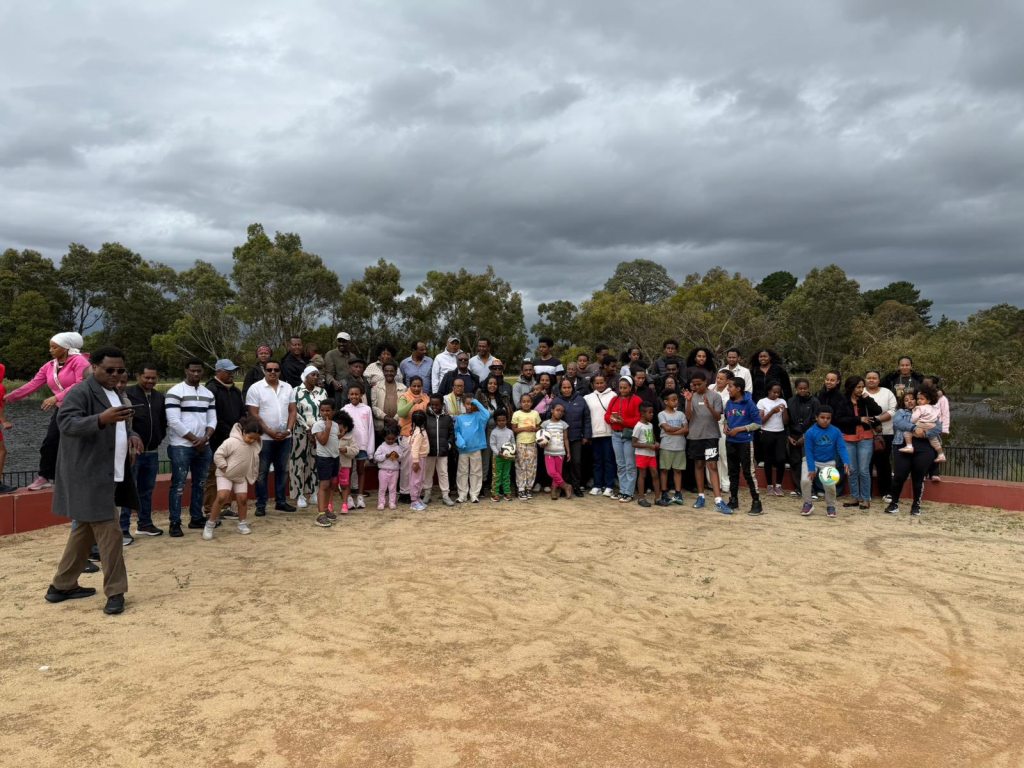
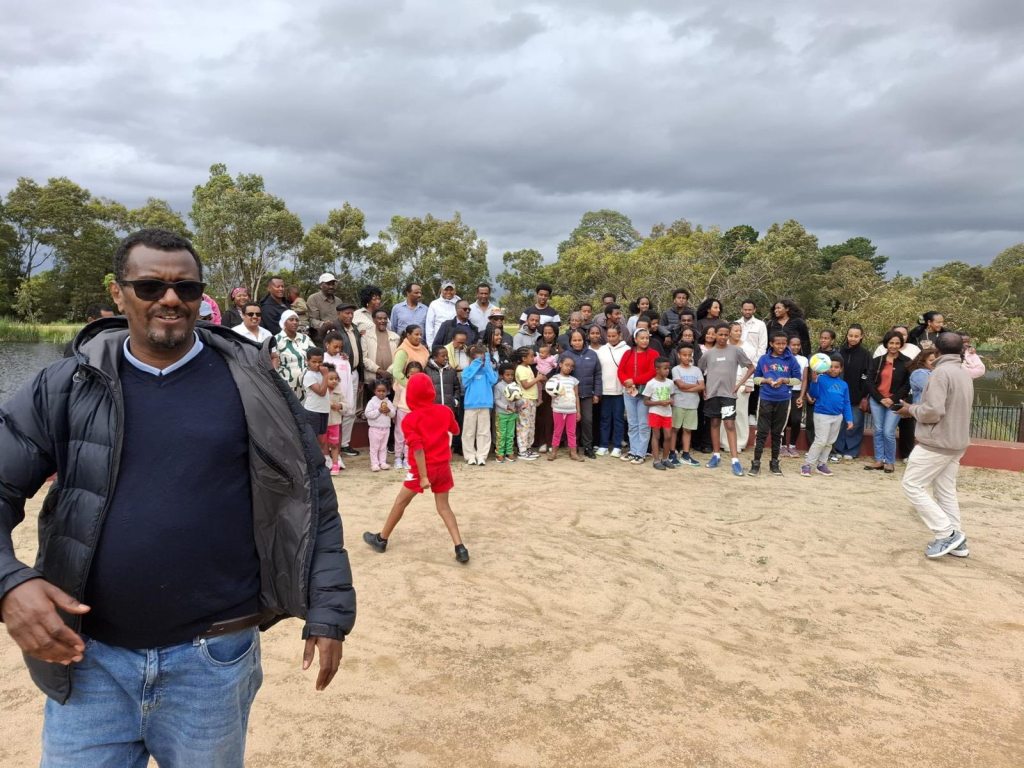
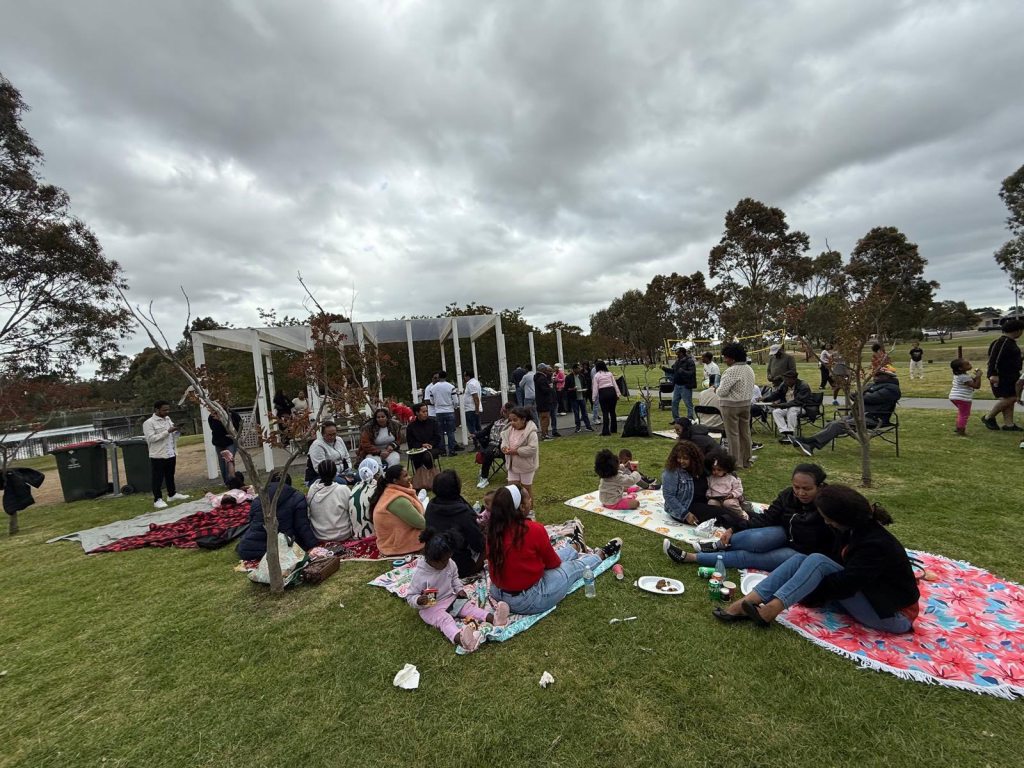
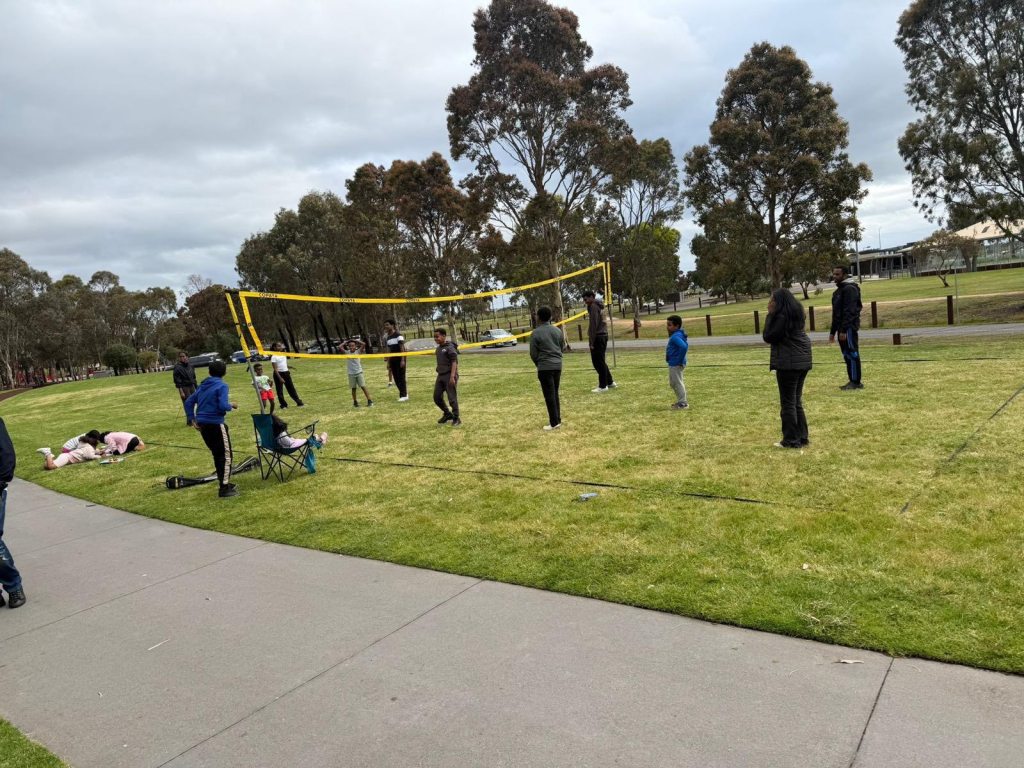
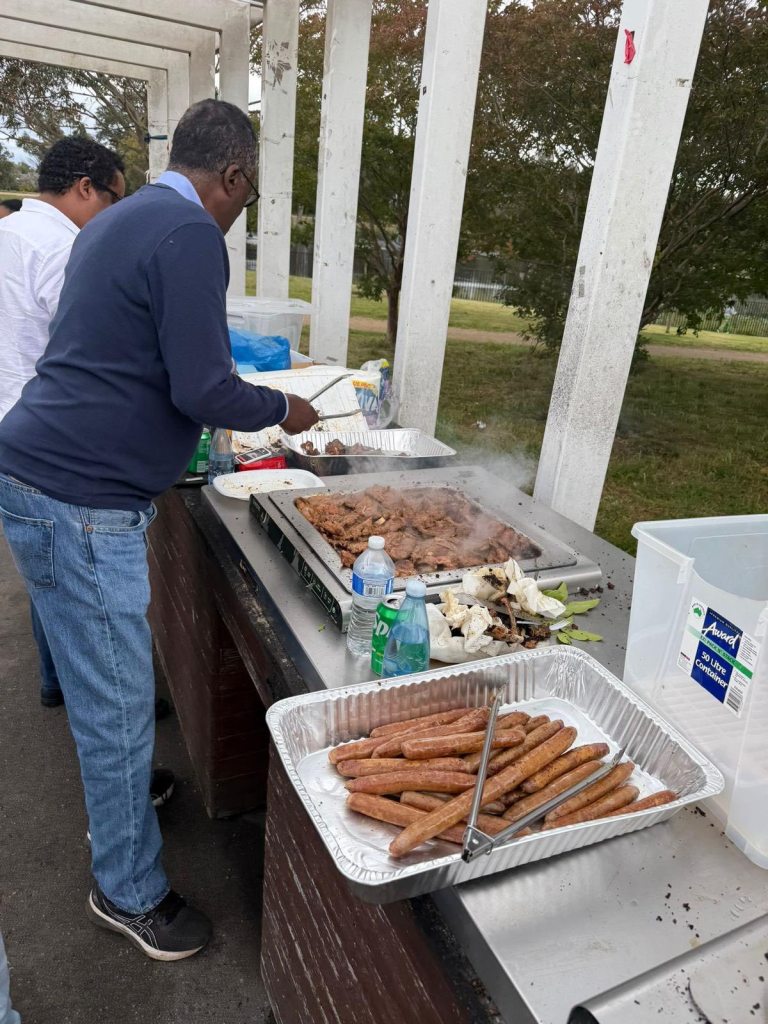
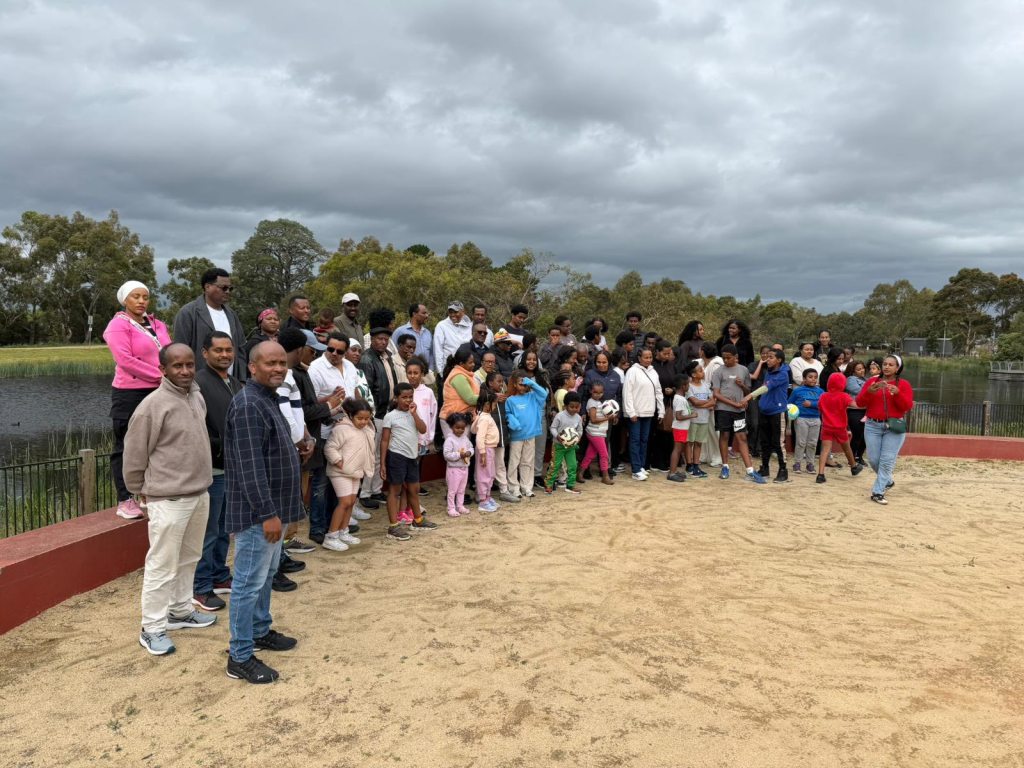
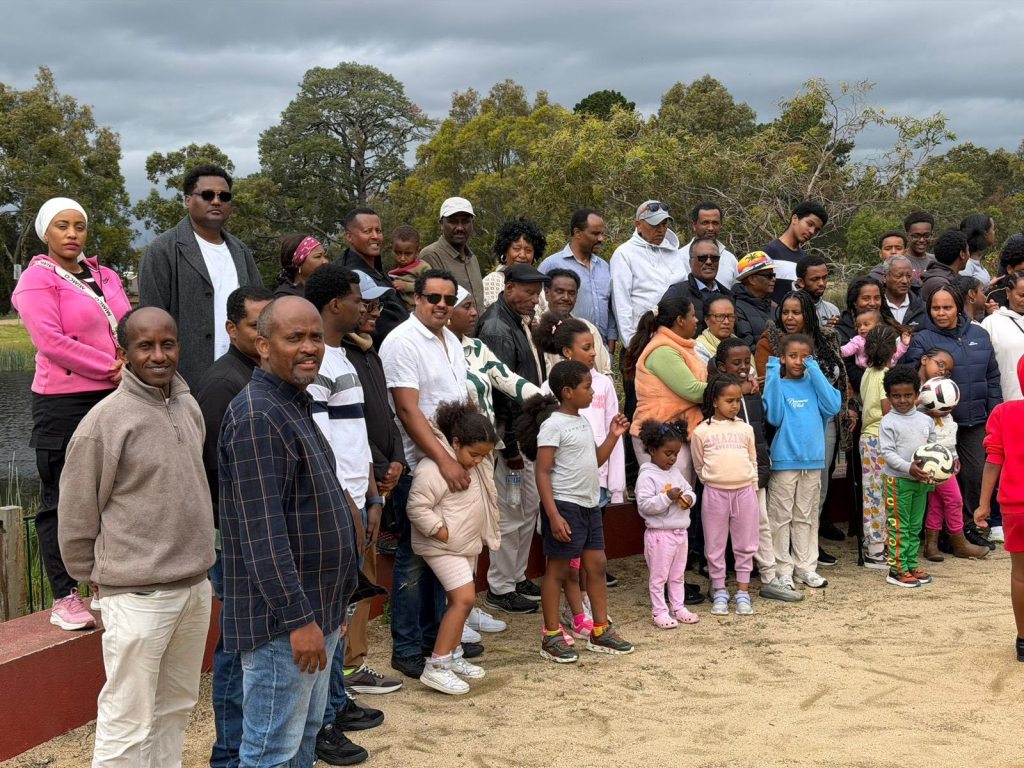
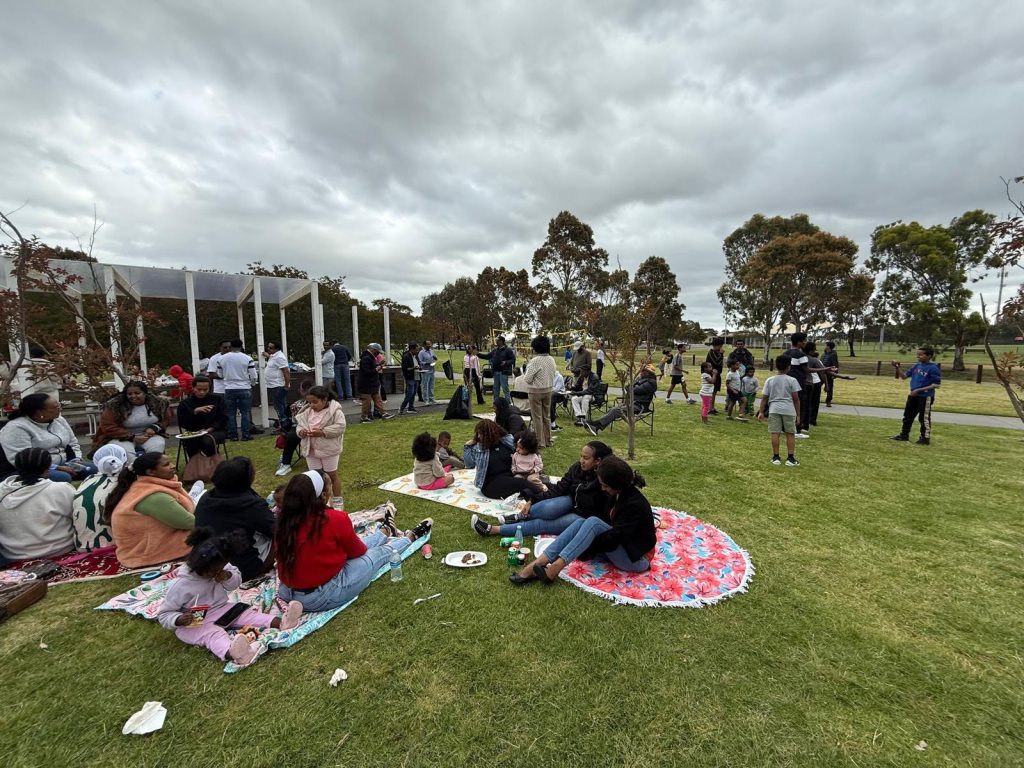
The Burqaa Gibe Community Association brought families together for a wonderful Family Day, held in a warm and joyful atmosphere.
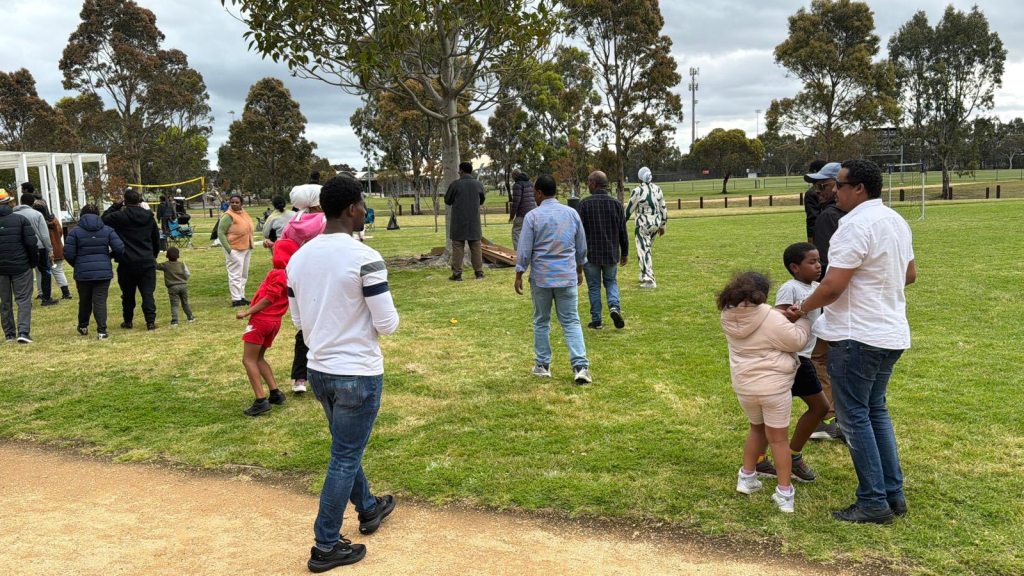
The event took place on Saturday, November 29, 2025, at the picturesque Lysterfield Park (160 Berwick-Cranbourne Rd, Cranbourne East VIC 3977).
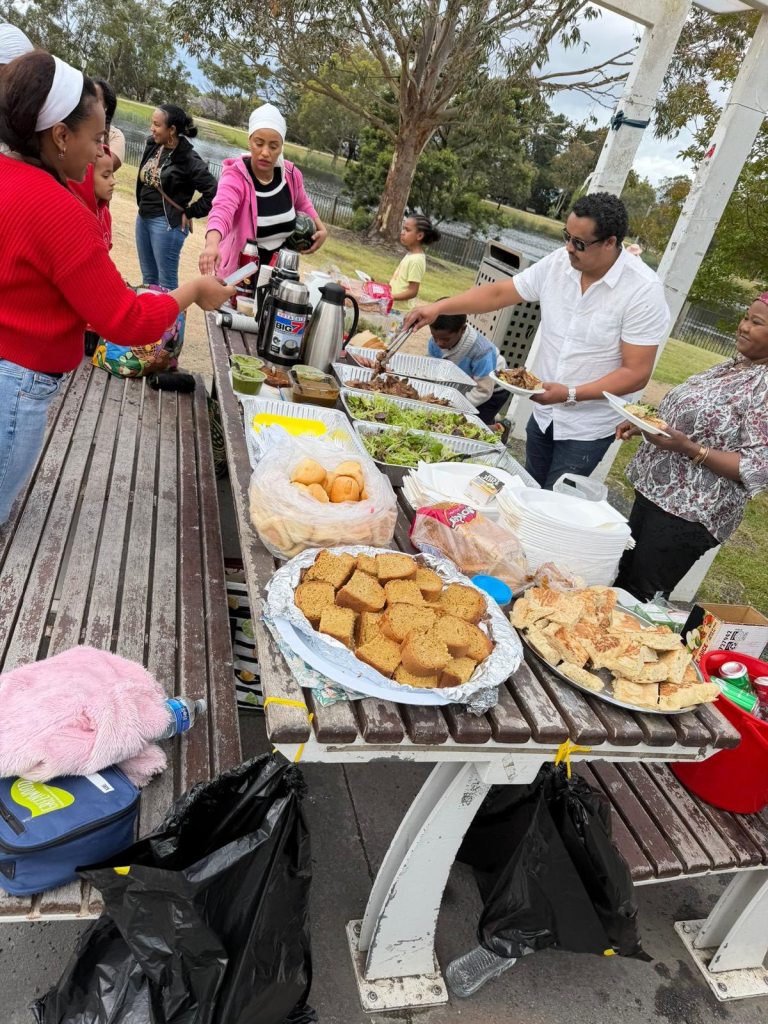
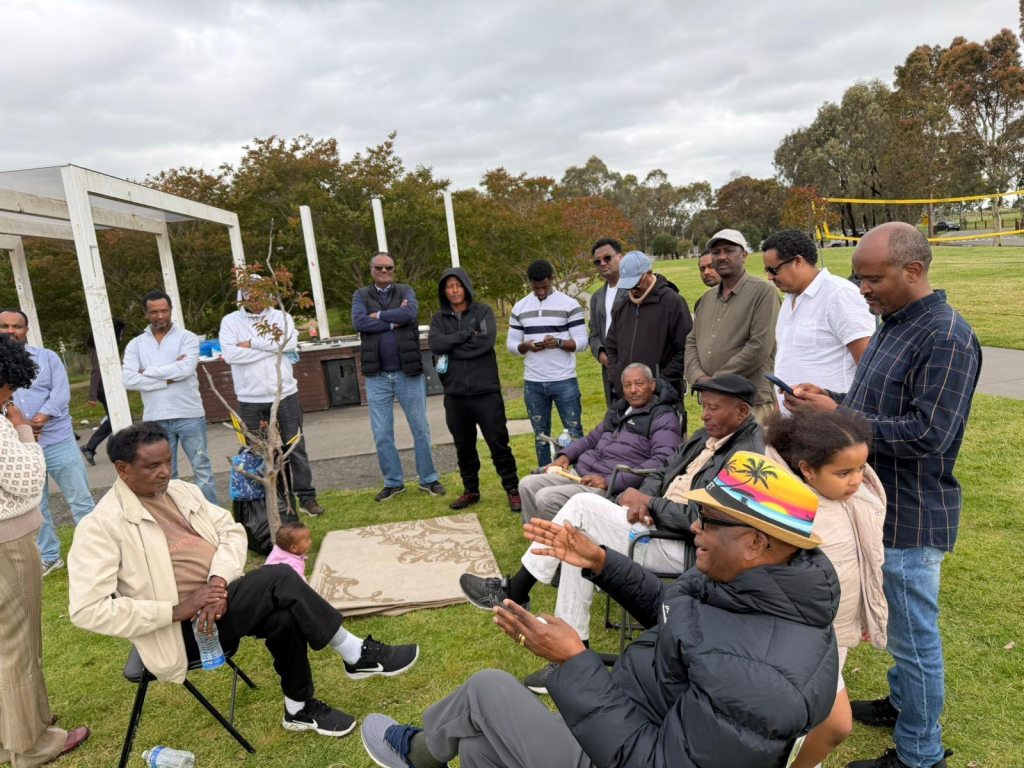
It was attended by numerous association members and their families, who enjoyed a day of connection and celebration.
Participants praised the event, expressing their pleasure and emphasizing the importance of continuing such encouraging community gatherings.
One of the attendees, Chaltu Dhaabasaa, shared her gratitude: “Indeed, the Burqaa Gibee Committee played a major role in organizing this wonderful event. May God bless you from His throne. We had a very good time. Thank you so much everyone, may God build us up even more.”
The association extends its thanks to all who participated and contributed to making the day a resounding success.

A Tribute to Professor Mohammed Hassen Ali
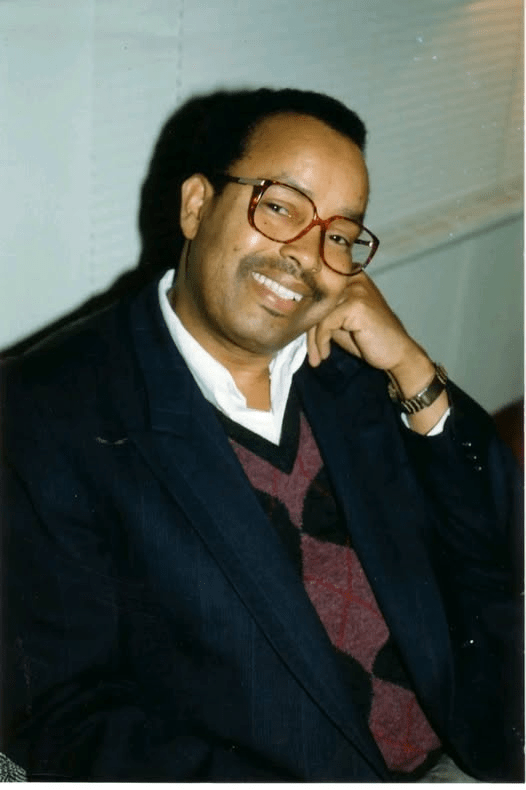
On the eve of Atlanta’s celebration honoring Professor Mohammed Hassen Ali, we are moved to share a few reflections on a man whose contributions to the Oromo nation are nothing short of extraordinary—enduring in their impact and deeply inspiring in their character.
As many of you know, Professor Mohammed stands among a rare few scholars who undertook the courageous and meticulous work of correcting distorted narratives crafted by Abyssinian court historians and state-sponsored academics. At a time when the Oromo story was silenced or twisted, he restored its truth with unwavering discipline and moral clarity. In doing so, he helped reclaim for our people a dignified history—one rigorously documented and grounded in evidence, not propaganda.
For years, we admired his work from afar, learning from his books, relying on his analysis, and drawing inspiration from the courage embedded in his scholarship. Over the past five years, we have been fortunate to know him more personally, and that closeness has only deepened our respect.
Despite his towering intellect and monumental achievements, Professor Mohammed is a man of profound humility—almost embarrassed by praise. He consistently deflects credit, insisting that any accomplishment belongs to the Oromo people and the broader struggle for justice.
At the same time, he is remarkably generous in lifting others up. He offers encouragement and recognition with a sincerity that uplifts everyone around him. His warmth, gentleness, and quiet generosity have endeared him to all who are fortunate enough to cross his path.
His influence extends far beyond the written word. As a founder and early leader of the Oromo Studies Association, he helped create an enduring academic home where Oromo history, culture, and identity could be studied with rigor and dignity. His pivotal role in establishing the Journal of Oromo Studies helped lay the intellectual foundation for the modern Oromo struggle.
In the diaspora, Professor Mohammed has been a steady anchor—providing clarity amid confusion, evidence in the face of disagreement, and truth in moments of denial. His seminal work on Oromo history, from the Gadaa system to conquest-era state formation, has fundamentally shaped how an entire generation understands itself and its place in the Horn of Africa.
Tomorrow, as we gather to honor him, we do more than celebrate a scholar. We pay tribute to a true son of the Oromo nation—a guardian of our historical truth and a model of humility, kindness, and principled devotion.
Professor Mohammed, thank you for restoring to the Oromo people a history rooted in fact, dignity, and justice. Thank you for showing us that liberation is waged not only on battlefields or in political arenas, but also in libraries, archives, and classrooms—through the patient, steadfast work of scholarship.
May your legacy continue to guide Oromo scholars, activists, and generations to come. May your life remind us all that truth, humility, and kindness are, in themselves, revolutionary forces.
Congratulations.

Dr. Tesgara Hirpo’s Journey: Faith, Education, and Oromo Identity
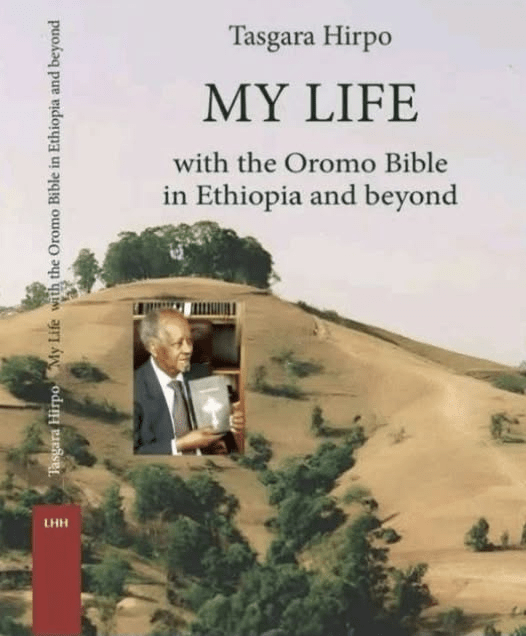
Dr. Tesgara Hirpo: A Lifetime of Advocacy for Faith and Oromo Rights
Dr. Tesgara Hirpo is a man of dual callings: a dedicated priest in the Christian faith and a steadfast advocate for the rights of the Oromo people.
Too often, the narrative of Oromo history is dominated by political figures, party leaders, and government officials. In this narrative, the profound contributions of intellectuals, peaceful activists, and those who champion our social and human rights are often sidelined. However, many have served the Oromo cause not through political parties, but through their professional expertise and unwavering cultural identity. One such towering figure is Dr. Tesgara Hirpo.
A Life of Service and Struggle
Dr. Tesgara is not merely a religious leader; he is a man who understands that faith freedom is deeply intertwined with the right to one’s own language and culture. His lifelong mission has been to ensure that these rights are respected. His key contributions include:
- Championing the Oromo Language in Faith: From his youth, he chose to practice Christianity in Afaan Oromoo. For over 70 years, he has fought for the Oromo people to be served in their own language, arguing that no foreign language should be imposed on them in the name of faith. Today, he is 90 years old.
- Building a Global Oromo Church: He was instrumental in ensuring Oromos in Europe and other countries could receive Christian services in their own language. Today, the establishment of Oromo evangelical churches worldwide bears his direct or indirect influence.
- Founding the Oromo Bible Society: He was among the foremost campaigners for the creation of the Oromo Bible Society.
- Pioneering the Bible in Qubee Script: He played a lion’s share role in translating the Gospel into the modern Qubee script for Afaan Oromoo.
- Embracing Modern Technology: He was a key figure in adapting the Qubee-script Bible for modern technology, supporting its development for reading on smartphones.
- Creating Educational Resources: He has authored and published essential Afaan Oromoo books tailored for adults, youth, and children.
Recently, to mark his 90th birthday, he published a book titled “My Life with the Oromo Bible in Ethiopia and Beyond.”
A Personal Reflection on His Work
Upon seeing the title, I initially assumed the book would be solely about divine wisdom and pastoral service. This was a profound misjudgment. I purchased the book and began reading, quickly realizing that my attempt to fit his immense struggle into a narrow framework was not just an error, but a weakness in understanding his true contribution.
In this book, Dr. Tesgara illuminates the long road the Oromo people have traveled to secure modern education for their children, to serve in their own language, and to establish a free church, independent of external pressure. He also provides a crucial analysis of the historical influences of religion that have been deeply etched into our people’s foundations.
Revealing a Pioneering Educational Legacy
On pages 38-39, he reveals a remarkable piece of history: the first modern school in the area was opened in Cheliya Eka (East Welega), just 5 km from his birthplace in Korme Kebele, by the local governor, Balambaras Gameda Urgesa. Dr. Tesgara himself began his education at this school, which was established over 80 years ago.
What made this school revolutionary?
- Gender Inclusion: Unlike traditional church schools, which only sent boys to become deacons or priests, this new school was open to both young boys and girls.
- Free Supplies: It provided students with notebooks and pencils for free—something unthinkable in the church schools.
- A Modern Curriculum: Beyond the Orthodox religious teachings, Governor Balambaras mandated that this school teach History, Geography, Mathematics, and Language.
- Mandatory Attendance: The governor made it compulsory for every person in his district to send their children to school.
- Free Tuition: The school was entirely free, unlike the church schools where the community bore the teachers’ salaries.
- The Governor as Director: In a striking detail, Dr. Tesgara notes that the director of this school was none other than Governor Balambaras Gameda Urgesa himself.
Confronting Nationalist Narratives through Scholarship
Dr. Tesgara’s academic work also challenged dominant narratives. For his Master’s degree in Germany in the 1970s, he wrote his thesis on the “Orthodox Practice of Baptizing People in Ethiopia.” On page 66, he explains his choice of topic:
“…I myself was baptized in the Orthodox faith, as was my family… I decided to write about the ritual of baptism because when a person is baptized, they did not understand the meaning of the sacrament and were given no teaching. The point I wanted my thesis to focus on was that baptism in Ethiopia was used to promote the principle of ‘One Nation, One King, One Culture, One Flag, One Language.’ The one being baptized was expected to conform to this.”
A Theological Fight for Linguistic Rights
Dr. Tesgara powerfully argues for the use of the Oromo language in religious service. On pages 89-90, he recounts a pivotal historical moment:
“When the German missionaries came to found the Lutheran Church among the Oromos, they came to Irreecha. Upon their arrival, missionaries like D. Wassmann and other Europeans made a concerted effort to learn Afaan Oromoo. The first person to teach them the language was Qees Daffa Jammo. Ironically, Qees Daffa Jammo also learned their language with astonishing speed.
The Ethiopiangovernment’s policy in the 1940s decreed that education in all schools and religious institutions must be in Amharic.”
This policy, championed by the then-Minister of Education, Sahle Tsedalu, had immediate consequences, which Dr. Tesgara describes:
“…Except for the Germans in Irreecha, even in the main Bible school, the teachers and students were Oromos, yet teaching was in Amharic and had to be translated into Afaan Oromoo. When I started my work as President of the Western Synod (1971), I decided, ‘This must be changed!’ For this goal, I was greatly assisted by Qees Manfered Zach, who had many years of experience in gospel work and was the finance officer, and Abo Theophilus Qanqaa, who had exceptional skill in gospel teaching and the Afaan Oromoo language.”
Conclusion: A Legacy for Generations
It is with deep admiration that I express my respect for Dr. Tesgara Hirpo for documenting his life’s work in this book and preserving it for future generations. His is a story of profound dedication, intellectual courage, and an unwavering commitment to his people’s spiritual and cultural liberation.

Oromia Peace Institute: Bridging Dialogue and Community Action
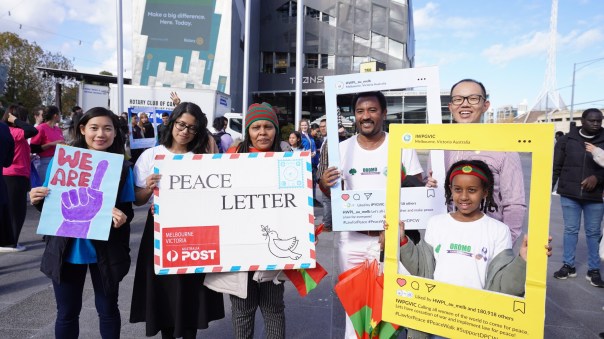
An Oromia Peace Institute is necessary to provide a permanent, professional, Oromo‑centered hub for conflict analysis, dialogue, and peace education that can guide political and community actors out of the current cycles of violence. It would connect Gadaa/Waaqeffannaa-based peace values, community experience, and modern peace-research methods into one institution that serves all of Oromia and contributes to Ethiopia-wide settlement efforts.
Current gaps in Oromia
Studies on Oromia’s security show there is no clear, comprehensive regional peacebuilding framework, and indigenous Oromo mechanisms like Gadaa, Abba Gadaa, and Siinqee are not systematically used in present peace processes. Existing initiatives are often short-term projects run by NGOs or ad‑hoc committees, so lessons are lost, coordination is weak, and there is no single reference body for evidence-based advice on the Oromia conflict.
What such an institute would do
An Oromia Peace Institute could systematically collect data on conflicts across zones and woredas, produce regular trend analyses, and advise government, parties, elders, and civic groups using rigorous and locally grounded research. It could design and support community-led dialogue processes that elevate elders, women, and youth, similar to participatory action research and dialogue models already piloted in Oromia by partner organisations.
Linking tradition and modern peacebuilding
Research highlights the relevance of Gadaa peace principles and Oromo customary institutions for conflict transformation, but these are not yet meaningfully integrated into formal policy and security structures. A dedicated institute could document Gadaa and Siinqee peace norms, train mediators and local officials in their use, and translate them into practical tools for modern governance and inter-ethnic conflict management.
Supporting political dialogue and long-term settlement
Recent calls for inclusive dialogue on Oromia’s crisis by Oromo political forces underline the need for neutral, credible technical support: mapping stakeholders, designing dialogue processes, and monitoring agreements. An Oromia Peace Institute can play this technical and moral support role, helping transform elite bargains into people-driven processes that include displaced communities, victims, women, and youth, and feeding Oromia’s experience into any broader Ethiopian peace architecture.

Remembering Obbo Doti Tura: A Hero of the Oromo People

Oboo Doti Tura was a hero of the Oromo people—his story is one of resilience, often untold, unexpressed, and unwritten. He fought alongside General Wako Gutu, Baro Tumsa, and other prominent heroes.
I met him for the first time in Atlanta with his daughter, Berdu, and his grandchildren during the Oromo convention and leadership meeting. I went to him and told him my name and my father’s name. Immediately, everything changed—he began to cry, and I cried with him. He told me about my father, how close they were, and the things they did together during the Arsi Basic School movement. My mood shifted completely. His daughter, Berdu, calmed him down. I wished I could sit by his side and talk with him longer, but unfortunately, I could not.
Obbo Doti was one of the first Oromo businessmen who owned a pharmacy in Finfinne during the Haile Selassie regime. I was told that his pharmacy advertised on the radio between 1960 and 1970. During that time, Oromos were marginalized in many ways, but he stood strong. He was one of our heroes, a man with history, and an advocate for human rights. We have lost a remarkable and permanent figure in our community.
My condolences to the Oromo community in Portland, his friends, and his family.
RIP Obbo Doti Tura.

Inclusive Dialogue: A Path to Stability in Oromia
Dialogue for peace in Oromia is urgently necessary and important now due to the escalation of conflict, human suffering, political fragmentation, and the need for a sustainable solution that addresses the root causes of instability. Inclusive, genuine dialogue is widely regarded by local stakeholders and observers as the only viable path out of the region’s armed stalemate, offering practical hope for peace, stability, and a just social order in Oromia and how it impacts Ethiopia as a whole.
Ongoing Conflict and Humanitarian Crisis
Oromia has experienced years of sustained violence and insecurity, leading to widespread deaths, displacement, and destruction of livelihoods. The continuing armed conflict between government forces and various Oromo groups—including the Oromo Liberation Army (OLA), Oromo Liberation Front (OLF), and others—has created humanitarian emergencies that cannot be solved militarily. Dialogue is the best hope to stop violence, protect civilians, and facilitate humanitarian access.
Failure of Military Solutions
Attempts by both government and rebel groups to win militarily have failed, resulting in a costly stalemate. Neither side is able to impose full control, and the persistence of conflict only prolongs instability and lawlessness. This situation leaves ordinary people vulnerable to violence, displacement, economic hardship, and rights abuses—further underscoring the need for dialogue as the only realistic solution.
Addressing Root Causes for Lasting Peace
Dialogue allows stakeholders to negotiate on the fundamental grievances underlying the conflict, such as political marginalization, land and cultural rights, governance, and access to resources. Unlike purely military approaches or ad-hoc deals, a principled, inclusive dialogue can result in structured frameworks for ceasefire, demobilization, political inclusion, and justice—laying the groundwork for sustainable peace.
Building Oromo Political Unity and Legitimacy
The recent joint call for dialogue from major Oromo political actors (such as the OLF and OFC) signals rare unity and demonstrates political maturity. It strengthens the Oromo bargaining position, fosters legitimacy among communities, and creates credible partners for both national and international peace initiatives. Joint action also reassures the public that elites are willing to move beyond division for the common good.
Centrality to Ethiopia’s Stability and Development
With Oromia being Ethiopia’s most populous and politically strategic region, instability here has direct consequences for the country’s overall peace, governance, and development. Inclusively resolving issues in Oromia through dialogue helps promote national unity, prevent spillover to other regions, and address longstanding injustices that, if left unresolved, threaten wider state collapse or fragmentation.
Responding to Public and International Pressures
There is increasing demand from Oromo communities, civil society, and the international community for dialogue and peace. Public support for dialogue puts pressure on political leaders to prioritize negotiation over violence, further legitimizing peace efforts and expanding opportunities for accountability, truth-telling, and healing.
Conclusion
The necessity for dialogue in Oromia today is dictated by the urgent need to save lives, restore social trust, enable humanitarian relief, and build credible structures for democracy, justice, and lasting peace. Only through principled, inclusive discussions that address core grievances can Oromia—and by extension, Ethiopia—move beyond cyclical violence toward a future of stability and shared development.

Abbaa Gadaa Haloo Mokkonnaa Prepares for Ritual
A Leader’s Sacred Vow: Abbaa Gadaa Gujii Haloo Mokkonnaa Prepares for Qumbii-Liqimsaa Ritual
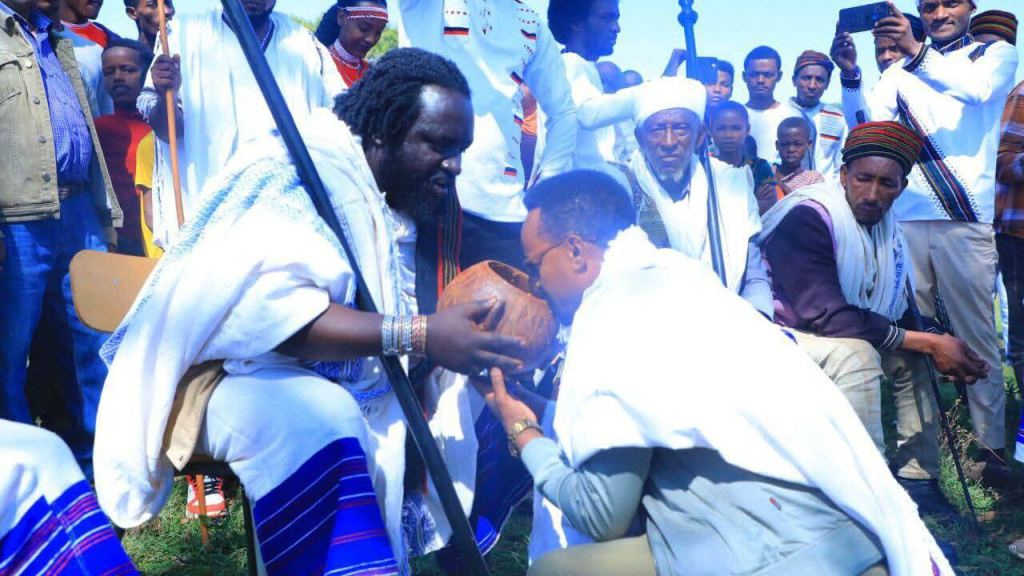
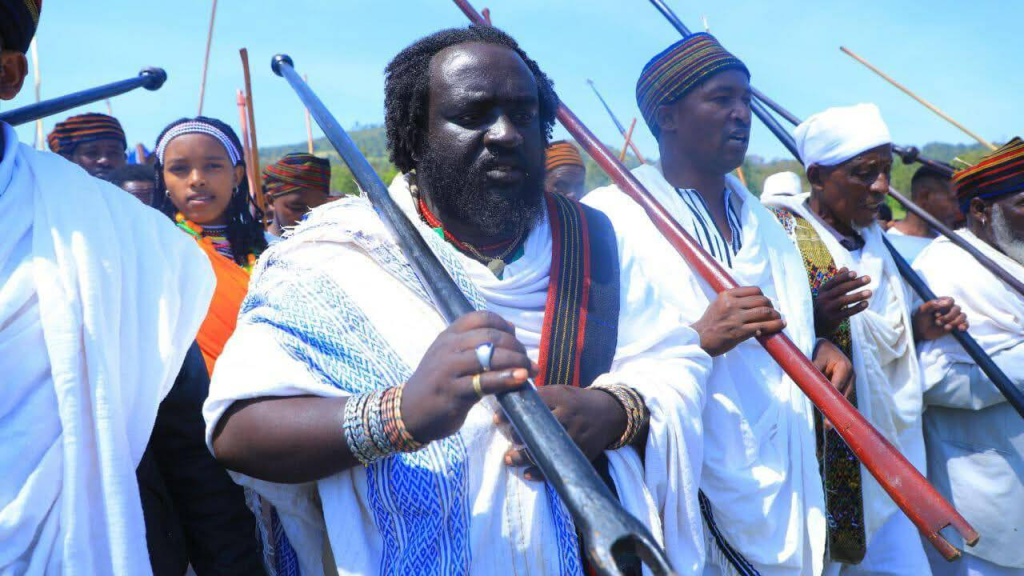
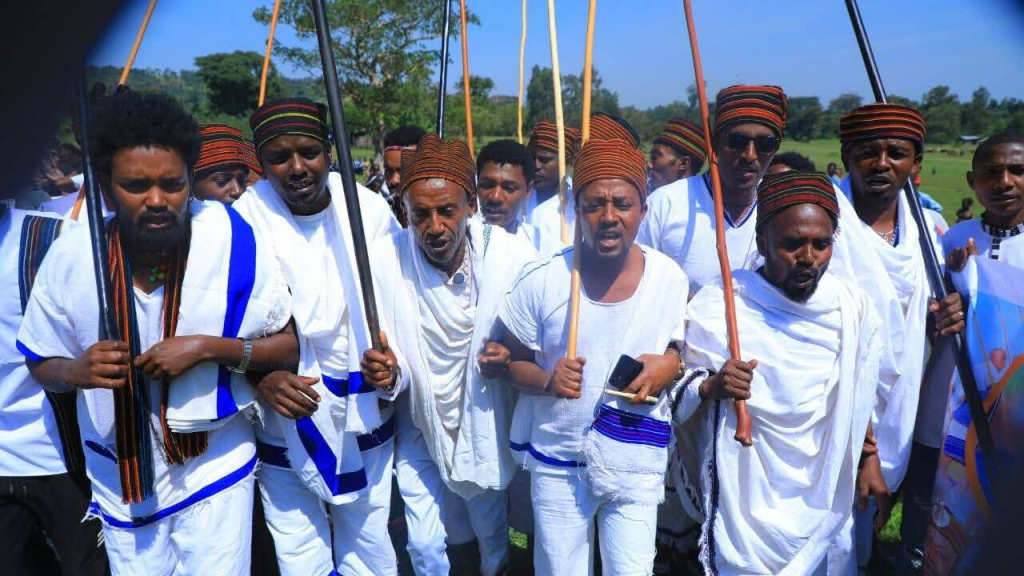
In the heart of Guji, a profound cultural transformation is underway. Abbaa Gadaa Haloo Mokkonnaa has begun the intricate sequence of sacred rituals that will culminate in the revered Qumbii-Liqimsaa ceremony at the historic Hasee Jila site.
This event represents a critical milestone in the Gadaa leadership cycle. Having already received the Baallii (the leadership baton) and entered the Gadaa system, the Abbaa Gadaa must now undertake this pivotal ritual under the guidance of the spiritual leader, the Qaalluu.
The ceremony centers on the Qumbii, a sacred herb that embodies purity, truth, and divine authority. By swallowing the Qumbii, the Abbaa Gadaa is believed to undergo a spiritual fortification. From this moment forward, tradition holds that he is bound to truth—his words carry immense power, his blessings can shape fortunes, and his curses are thought to bring grave misfortune.
In preparation for this solemn vow, Abbaa Gadaa Haloo Mokkonnaa is performing a series of foundational ceremonies, each rich with meaning:
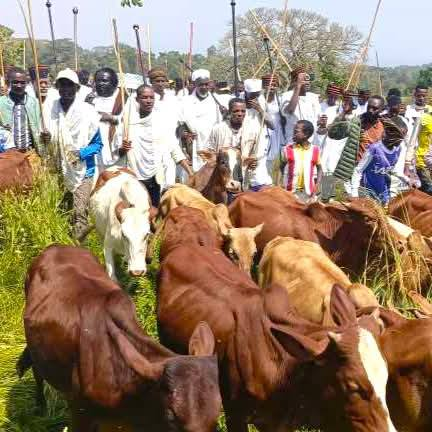
- Korma Goobaa – The ritual offering of a black bull.
- Hoolaa/Hoolee Battalaa – The offering of a sheep.
- Buna Naqaa – A traditional coffee blessing.
- Jabbii Muudaa – A ceremonial anointment.
- Daraaraa – Contributions presented to the Qaalluu.
Together, these rituals mark the final, essential steps toward fulfilling his Gadaa obligations. The air at Hasee Jila is thick with significance as community members, elders, and cultural custodians gather to witness and honor this powerful event—a vibrant testament to the enduring strength and continuity of the Oromo Gadaa tradition.
In Honoring a Giant: The Enduring Legacy of Obbo Doti Tura
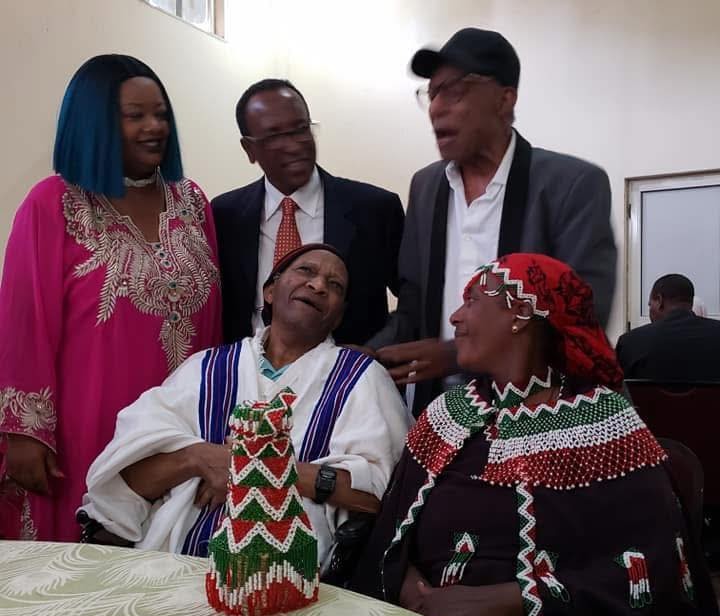
As we gather to mourn the passing of the iconic Obbo Doti Tura, we also come together to celebrate a heroic life dedicated to the upliftment of the Arsi Oromo people and beyond.
Raised near Negele Arsi, Obbo Doti was recognized early as a brilliant child. Yet, after completing just the 5th grade, he made a profound choice. Witnessing his people being deliberately denied education and progress under the Haileselassie regime for their refusal to accept marginalization, he felt a call to action. He returned to rural Oromia with his colleagues from the Arsi Basic School, determined to teach.
This team, led by a profound sense of duty, sacrificed everything to bring the light of knowledge to the most remote areas, offering their services freely. They transformed the darkness of ignorance into a beacon of hope, investing their time, energy, and youth into the soil of their community.
The fruits of their sacrifice are the opportunities my generation enjoys today. The schools they built from nothing provided a roadmap for us—a charge to pay it forward by advancing education and health in our own time. From their initial, humble efforts, thousands of schools have since blossomed across the Arsi Oromo region, evolving into high schools and colleges that produce generations ready to build upon this foundation.
Obbo Doti’s own journey in learning never ceased. He advanced his education to become an exceptional pharmacist and founded one of Addis Ababa’s most successful businesses. He strategically used his resources and influence to fuel the Oromo national movement.
His commitment was boundless. He was a key figure in the Macca & Tulama movement, the OLF, and other pivotal struggles for the rights of our people. He stood shoulder-to-shoulder with other heroic figures like Baro Tumsa and Luba Gudina, collaborating in the pursuit of justice and humanitarian causes that have shaped our society.
Our nation is better today because giants like Obbo Doti paid a heavy price—enduring imprisonment and torture—to secure freedom and progress for those who followed. We owe him and his generation an eternal debt for leading us from the darkness of oppression toward the light of advancement.
Now, Obbo Doti, you can rest in power. You may look upon your work with a well-earned smile, knowing you fulfilled your duty magnificently and moved our cause forward immeasurably.
Our responsibility is clear: we must honor your sacrifice by protecting and expanding upon the progress you achieved. We must work tirelessly and plan wisely to complete this mission, ensuring the dark era of marginalization and ignorance never returns.
We will never forget your sacrifice, your dedication, or your struggle. Your legacy is not merely in the institutions you built, but in the enlightened hearts and minds of all who walk in the light you helped to shine.
Rest in Power, Obbo Doti Tura.
With deepest respect,
Gudata Hinika, MD, FACS
Professor of Surgery
Chief of Trauma Surgery and Surgical Critical Care
Los Angeles, California
President, Negele Arsi Hospital and Medical College

Promoting Peace Through Dialogue: OLF and OFC’s Efforts in Oromia
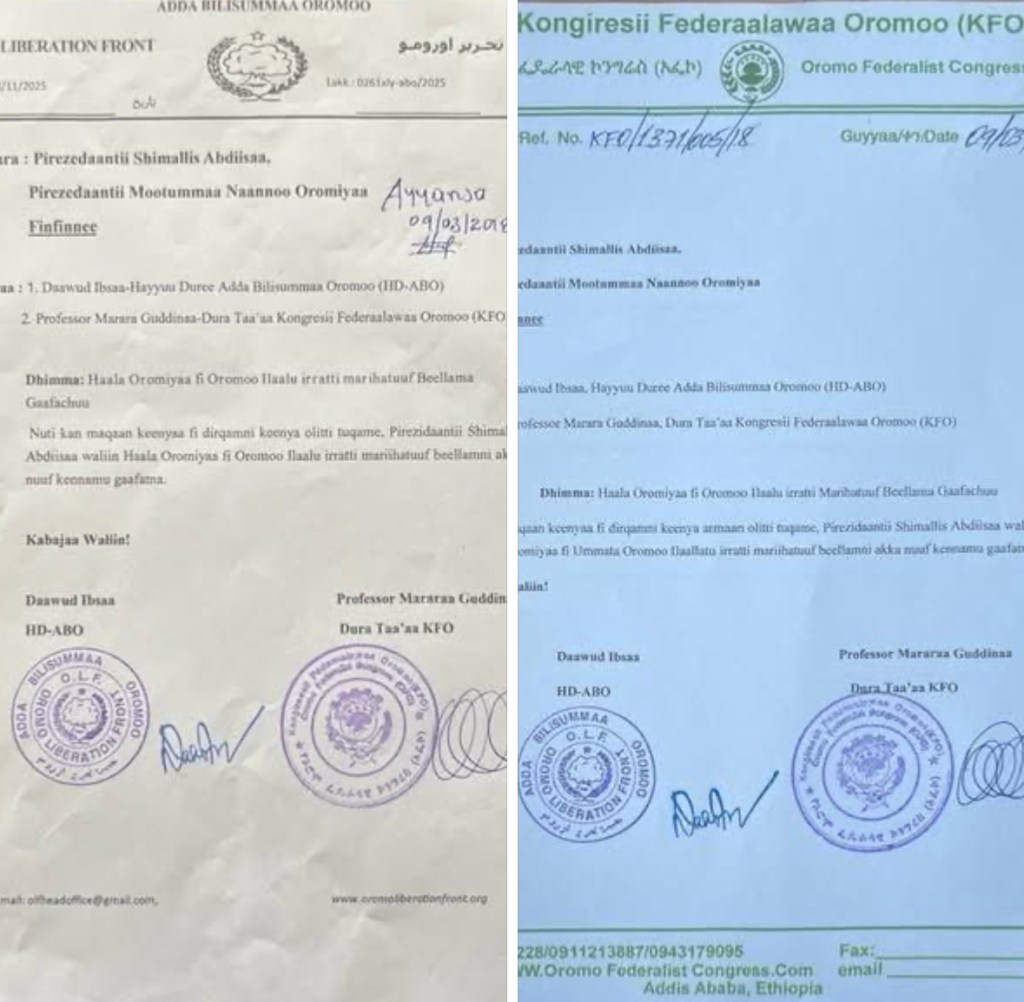
The joint call for dialogue by the OLF and OFC is a commendable and necessary move for peace in Oromia. We believe that inclusive discussion is the only viable solution to the insecurity that has plagued our region. We are hopeful that the Oromia Regional Government will respond positively and collaborate to make these critical talks a success.
Why the joint call for dialogue by the OLF and OFC is a commendable and necessary move for peace in Oromia?
The joint call for dialogue by the ABO (OLF) and KFO (OFC) is commendable and necessary because it signals rare strategic unity among major Oromo forces and opens a realistic path away from a worsening armed stalemate toward an inclusive political process in Oromia. It also answers long‑standing demands from communities and observers that only broad, principled dialogue can address structural grievances, fragmented armed actors, and cycles of repression and revenge.
Overcoming a history of failed peace efforts
Previous attempts to resolve the conflict between the Ethiopian government and Oromo armed actors, including OLF-related factions, failed largely due to the absence of a clear, formal framework, internal divisions, and weak political will on all sides. Jointly calling for dialogue starts to correct these deficits by making a public, political commitment to a negotiated path, rather than ad‑hoc, personality‑driven deals. This shift matters because sustainable peace in Oromia requires transparent agreements, monitoring, and institutions—not informal understandings that quickly unravel.
Building Oromo political unity and legitimacy
The OLF and OFC/ KFO have often represented different strands of Oromo political strategy—armed liberation versus federalist electoral politics—which has historically weakened the Oromo bargaining position and confused the wider public. A common call for dialogue shows a convergence around peaceful, negotiated solutions and reduces the perception that Oromo elites are permanently fragmented and unable to agree on a roadmap. This joint stance increases their legitimacy in the eyes of Oromo communities, other Ethiopian actors, and international partners looking for credible interlocutors for a peace process in Oromia.
Centering inclusive, people‑driven dialogue
Reports indicate the envisioned joint conference aims to involve “all sections of the community” to discuss the current situation with the people, rather than limiting talks to elites. This aligns with OFC/KFO’s broader advocacy for inclusive political dialogue and transition mechanisms in response to nationwide crises. Such an approach is crucial in Oromia, where civilians have borne the brunt of violence and displacement, and where any peace process that excludes victims, elders, women, youth, and local leaders risks reproducing the same injustices that fuelled the conflict.
Creating a framework for demilitarisation and rights
Comparative experience from other peace processes in Ethiopia shows that ceasefires and hostilities agreements need clear, institutional follow‑up—demobilisation, reintegration, restoration of services, and guarantees for rights and political participation. A unified OLF–OFC call for dialogue makes it more feasible to negotiate such concrete arrangements for Oromia: cessation of hostilities, safe humanitarian access, release of political prisoners, and credible pathways to participate in future elections or transitional mechanisms. This is essential if armed actors are to shift from a guerrilla logic to a constitutional, rules‑based political contest.
Opening space for a wider national settlement
Oromia’s instability is central to Ethiopia’s broader crisis, and both domestic and international analyses now stress the need for a comprehensive political dialogue that does not exclude key constituencies like the Oromo. By publicly embracing dialogue together, ABO and KFO signal that Oromo forces are ready to be constructive partners in any wider national process of reform, federal re‑balancing, or transitional justice. In this sense, their joint call is not only a step toward peace in Oromia, but also a necessary building block for any credible, all‑inclusive settlement for Ethiopia as a whole.

A Celebration of Motherhood: The Shanan Ceremony for Fayyinee Qaabatoo
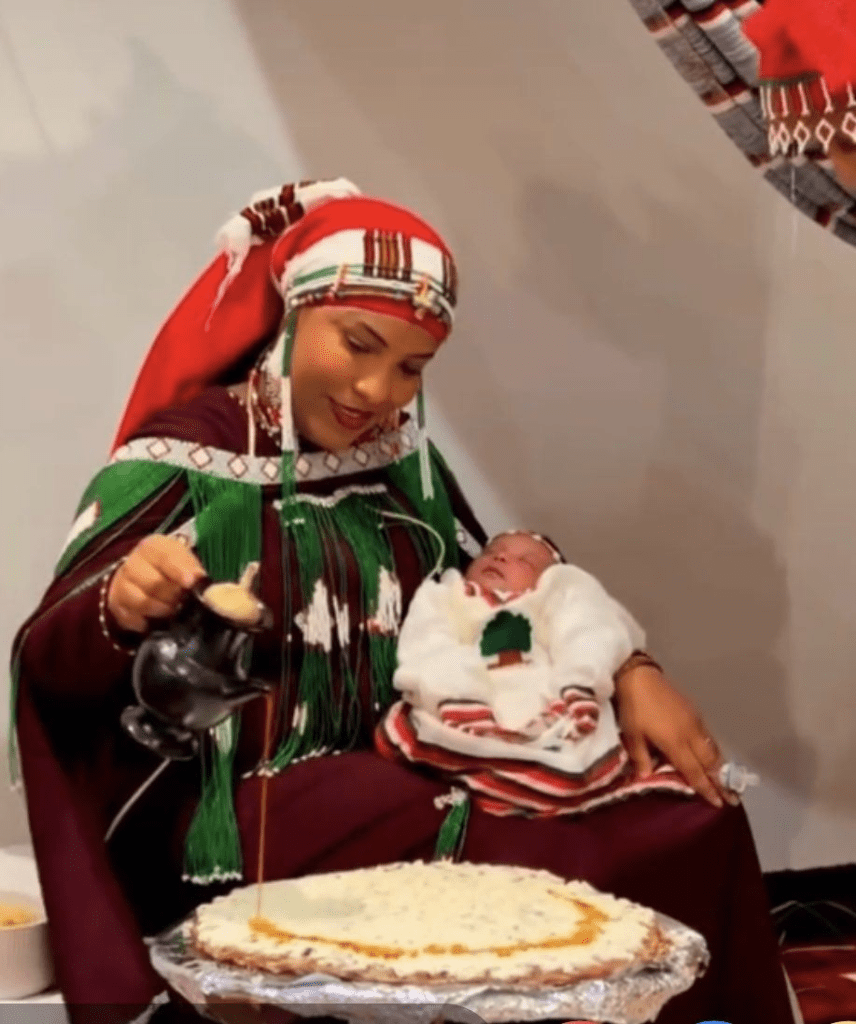
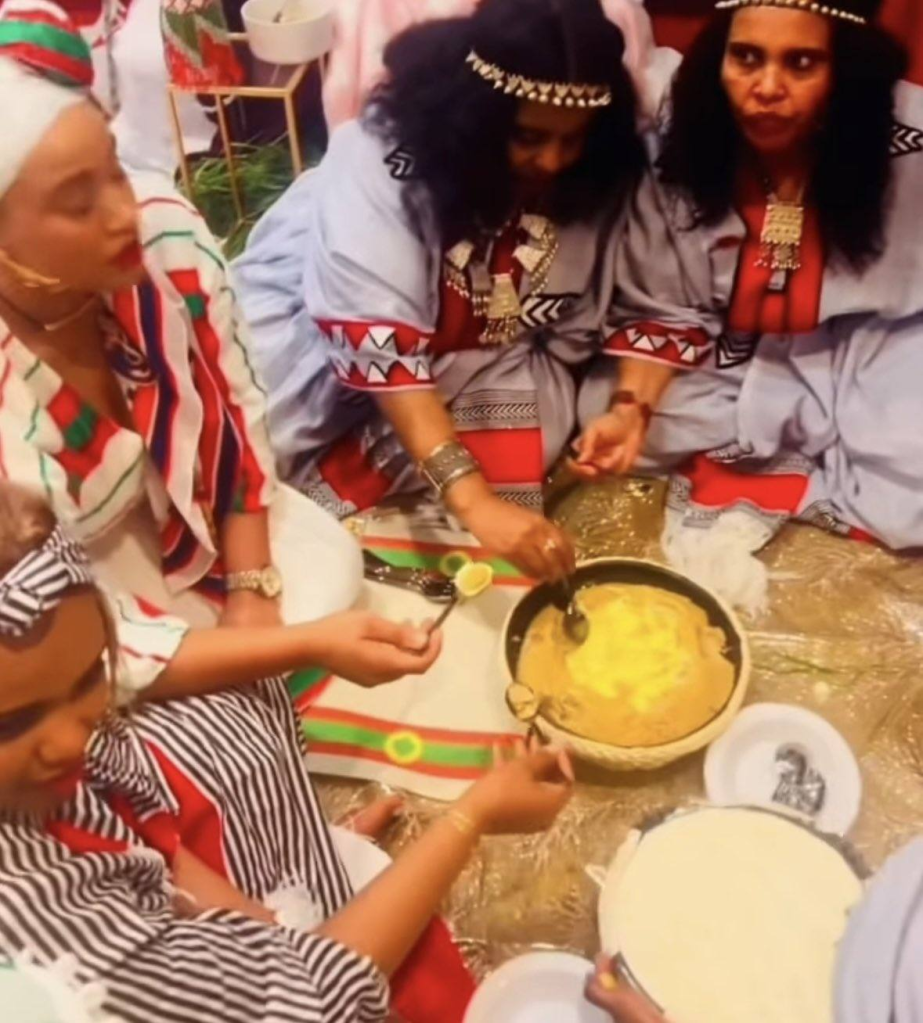
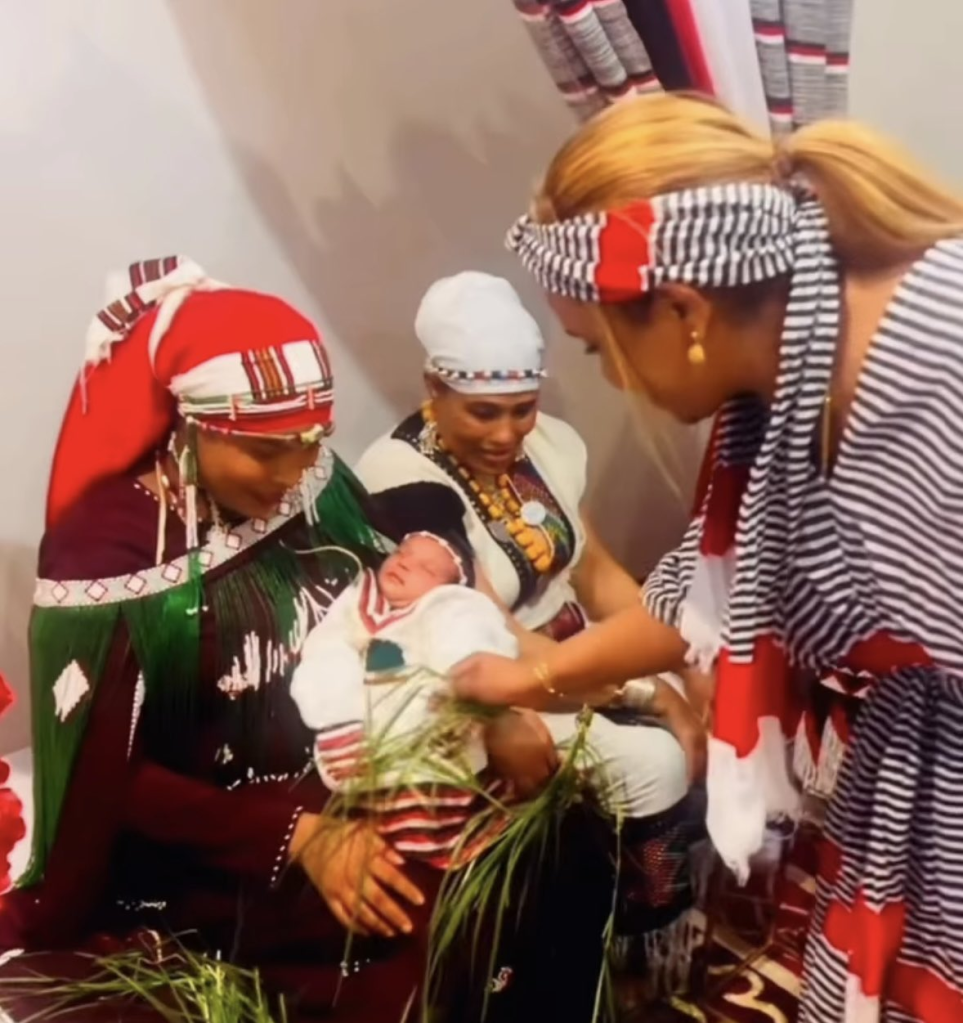
In a beautiful observance of Oromo tradition, a five-day ceremony known as Shanan was held at the home of Fayyinee Qaabatoo. This gathering, dedicated to honoring the mother and her newborn, brought together women from the community to offer their blessings and support.
During the event, the women gave thanks for Fayyinee’s safe delivery, expressing profound gratitude to the midwife for her crucial role. They shared prayers for the new mother’s swift and complete recovery from the trials of childbirth. In a key ritual of the Shanan custom, the women joined Fayyinee in partaking of the specially prepared marqaa, solidifying their communal bond.
Fayyinee was overjoyed by the gathering and expressed her profound respect and love for everyone who attended.
“Thank you for everything you did! Your kindness is beyond belief. I am so grateful for the amazing people you are, for all that you do, and for the difference you make in my life. You are all truly appreciated. I have no words to express how grateful I am to all my sisters. I love you all.”
Through their shared presence and prayers, they entrusted their collective joy to God, dedicating this sacred time as a beautiful and enduring memory for the family.
In Oromo culture, the shanan day (the fifth day after childbirth) is a deeply respected and cherished tradition. This day holds significant cultural, social, and emotional importance for the mother, the newborn, the family, and the community. It is a time of celebration, healing, and bonding, rooted in the values of care, support, and communal love.
The Shanan is an important and celebrated part of the midwife’s life. This is to the advantage of the family that a woman is safely released after carrying it in her womb for nine months. And the newborn is an addition to the family. Therefore, they do not leave a woman alone until she becomes stronger and self-reliant. Because it is said that the pit opens its mouth and waits for her. And when she goes to the bathroom, she carries an iron in her hand, and sucks it into her head.
This system plays an important role in helping the mother recover from labor pains. Family and friends who attend the Shanan will also encourage the midwife to look beautiful and earn the honor of midwifery. On this Shanan they made the midwife physically strong, socially beautiful, gracefully bright, and accustomed to the burdens of pregnancy and childbirth.
Why the Shanan Day?
In the Oromo worldview, the number five holds special importance. The Gadaa system is organized around cycles of fives and multiples of five (e.g., five Gadaa grades, eight-year terms consisting of 5+3 years). Waiting for five days is a way to honor this cultural structure and to properly prepare for the important act of naming.
Key Aspects of Shanan:
Community Support:
The core of the Shanan tradition is the communal nature of Oromo society, where the well-being of the mother and child is a shared responsibility.
Blessings and Encouragement:
Community members gather to provide emotional support, motivation, and blessings to the mother, helping her regain strength and feel connected.
Marqaa Food:
The traditional food served on this day is marqaa. The serving of marqaa, a traditional food, is a central part of the celebration, symbolizing the care, blessings, and communal solidarity being extended to the new family. The midwives washed their genitals and ate together. Traditional songs of praise to God and encouragement of the mother are sung in turn.
Cultural Identity:
The ritual reinforces Oromo cultural identity and continuity, serving as a way to preserve and pass down these traditions to younger generations. During the ceremony, mothers dressed in traditional clothes surrounded the mother and expressed their happiness; sitting around the midwife after eating the marqaa, they blessed the new mother, ‘give birth again; carry it on your shoulder and back; be strong in your knees.’
Strengthening Bonds:
Shanan strengthens social and emotional bonds within the community, as everyone participates in welcoming the new member.
The celebration of the Shanan (fifth day) after a birth is a deeply significant and cherished ritual in Oromo culture, rooted in the Gadaa system. This culture has been weakened for centuries by various religious factors and the influence of foreign regimes.
However, with the struggle of the Oromo people, the culture of encouraging childbirth is being revived and growing. Of course, many things may not be as perfect as they used to be. There is no doubt that the honor of Shanan as Sena Boka will contribute to the restoration of Shanan culture.




 Advocacy for Oromia