Significance of the Gaammee Gurguddaa in Oromo Culture
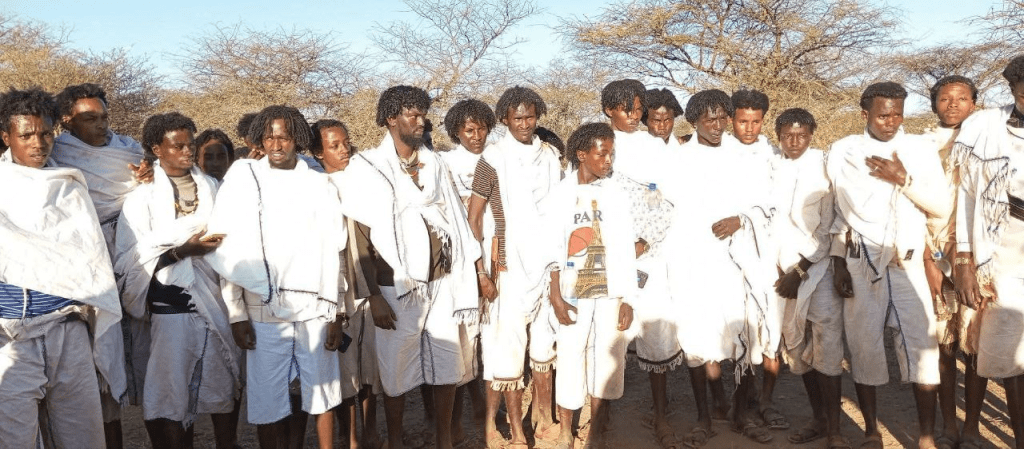
Borana Gaammee Gurguddaa Gather in Gayo Village for Traditional Rite of Passage
The Gadaa system, the foundation of Oromo culture, traditions, and governance, guides every Oromo child through distinct stages of development. This long-term process, known as Gadaa, is dedicated to acquiring, nurturing, and preparing successive generations for leadership.
A significant transition within the Borana Gadaa system is the progression from the Gaammee Gurguddaa stage to the Kuusaa. Before this advancement, children in the Gaammee Gurguddaa grade from various regions convene in a ceremony known as Walargii.
Bonayaa Diidoo, leader of the traditional Sona group at the Oromia Bureau of Culture and Tourism, explained to Fana Digital that Borana children of this age group, including those from Kenya, gather at Gumii Gaayyoo with their fathers’ support.
The primary purpose of the Walargii is for the Gaammee Gurguddaa of the same gogeessaa to meet, learn from one another, and build relationships. A further objective is to instill respect for the people’s laws, customs, and ethics, thereby strengthening communal unity. This gathering occurs once every eight years.
During the three-to-four-day ceremony, the community hosts and feeds the Gaammee Gurguddaa from the moment they begin their journey. At the Gayo Gumii, the Abbootii Gadaa and Abbootii Seeraa formally identify the children as being in the same leadership cohort and introduce them. The meeting takes place at the ancestral home of the former Abba Gadaa Guyyoo Gobba, where a ritual blessing is performed.
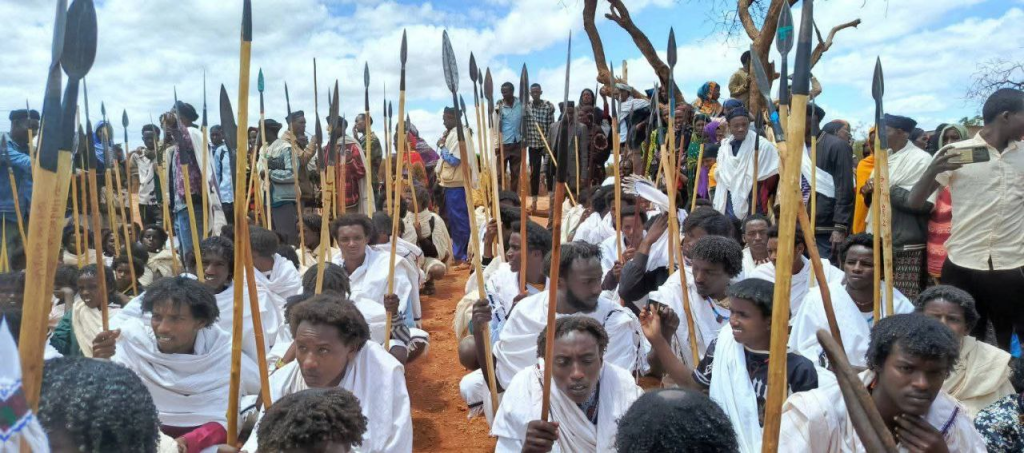
The Walargii ceremony serves as the first chapter in a major program, culminating in a second stage known as the “Feeding Ceremony” approximately ten months later.
For about five months following the Walargii, the Gaammee Gurguddaa undergo intensive training, refusing to return home. They immerse themselves in the people’s customs, traditions, and ethics. During this period, they sustain themselves solely on the meat and blood of animals, do not enter houses, and abstain from washing their bodies or clothes. They go barefoot, enduring these challenges to practice the rigors of traditional life.
When the time arrives according to the traditional calendar, the Gaammee Gurguddaa reunite with the Abbootii Gadaa, Luboota, and jaarrolee for the grand “Feeding” ceremony. While a feast is central to the event, it is also a forum for significant challenges and evaluations.
The trainees compete and are rigorously assessed on their physical strength, understanding of Gadaa rule, and public speaking skills. The most successful individual among the Gaammee Gurguddaa is selected by the elders and the public to be groomed as a future Adula Council Scholar. They are blessed and gains recognition throughout the tribe, and when he comes of age, he will become a Gadaa leader and receive the baallii (sceptre).
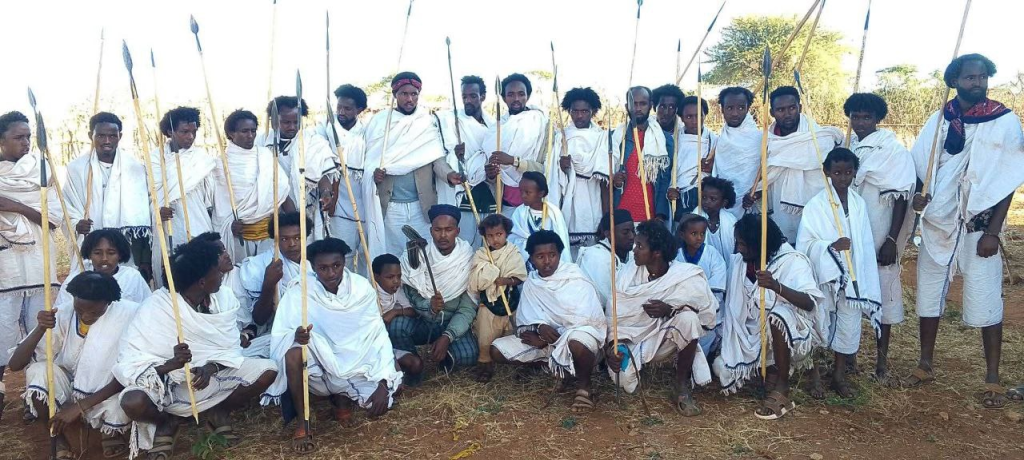
Recently, the Gaammee Gurguddaa of Borana Gayo convened for their Walargii in the Dhas District of the Eastern Borana Zone.

Posted on November 4, 2025, in Information, Oromia. Bookmark the permalink. Leave a comment.




 Advocacy for Oromia
Leave a comment
Comments 0