Daily Archives: November 9, 2025

FDG Memorial Event: Honoring 20 Years of Oromo Struggle
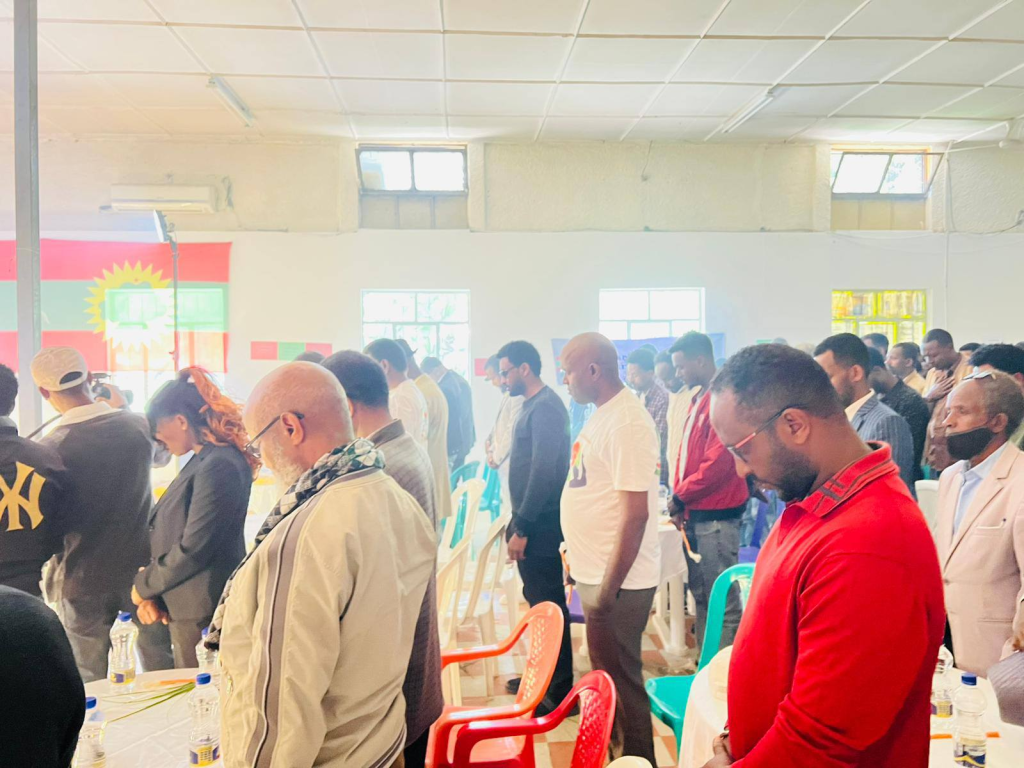
[SBO-Sadaasa 9, 2025] FDG Memorial Event Concludes with Solemn Tributes and Resolve
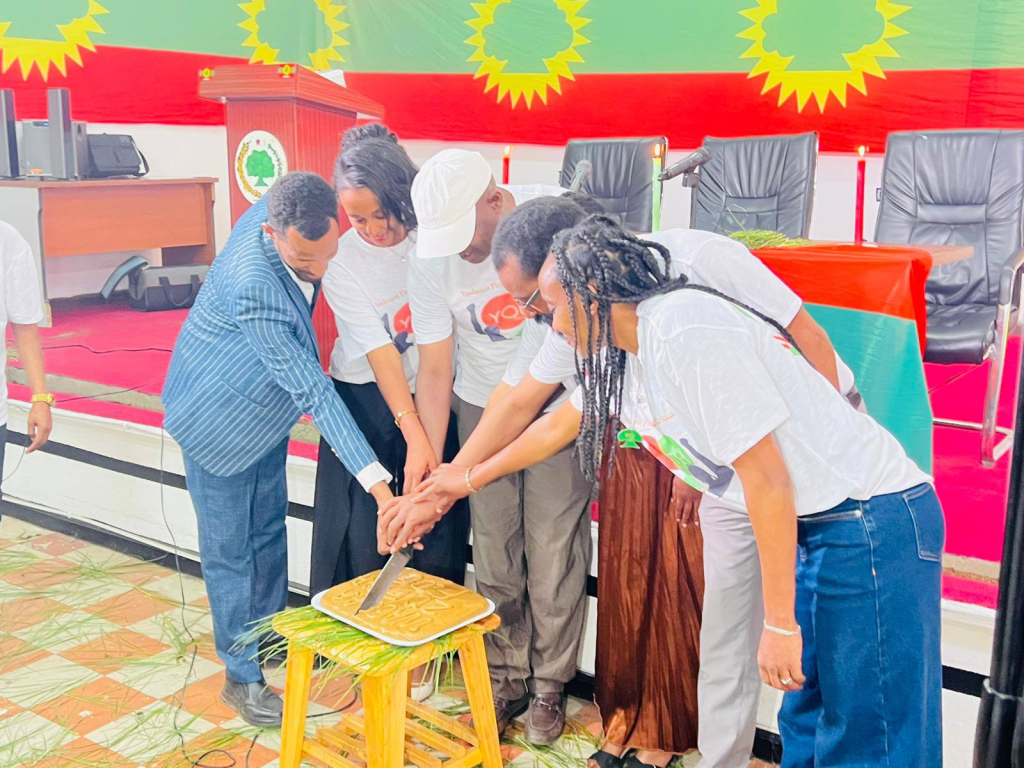
The 20th-anniversary commemoration of the Fincila Diddaa Gabrummaa (FDG) took place on Sadaasa 8, 2025, bringing together leaders, officials, members, and the families of freedom fighters.
The solemn program, which emphasized both reflection and steadfast resolve, featured several key speakers:
- Jaal Gammachiis Tolosaa, a member of the GS-ABO, opened the memorial ceremony.
- Jaal Yaasoo Kabbabaa, an OLF organizer, led the main program, honoring the sacrifices of Oromo sons and daughters in the struggle for freedom. The event followed Oromo tradition, concluding with prayers and blessings from elders.
- Jaal Girmaa Nagaasaa, one of the Qeerroo movement organizers, underscored the day’s significance, stating, “Commemorating Sadaasa 9 is not only about remembering the past, but also about continuing to work towards achieving its goals.”
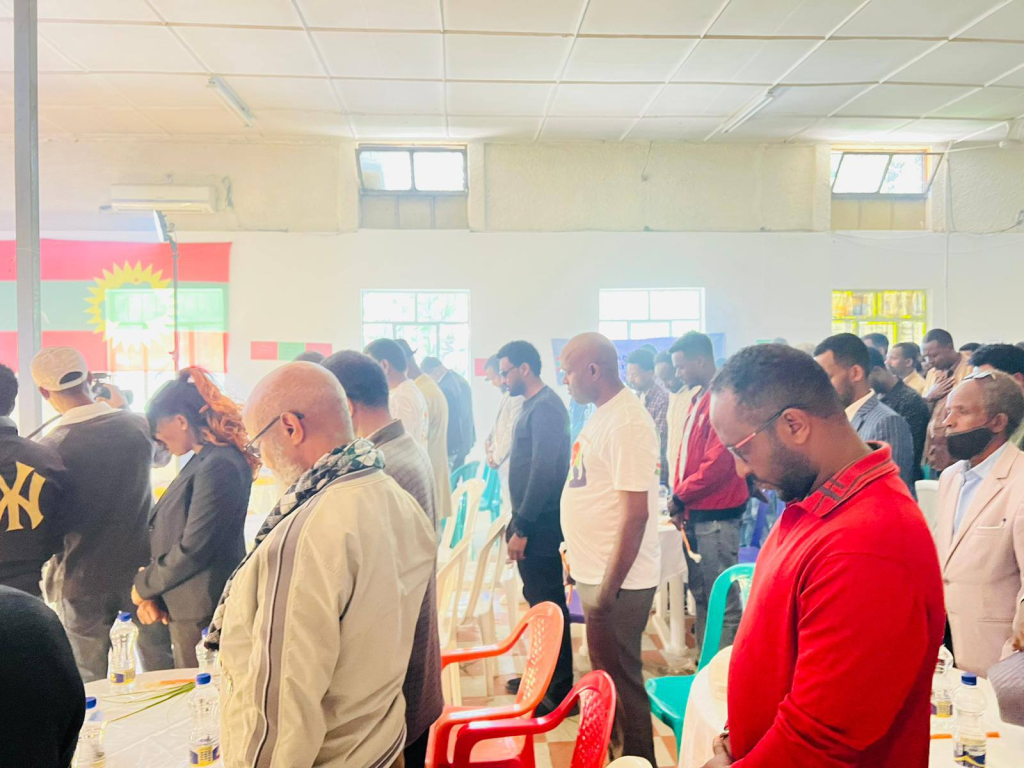
Reflections on the FDG Movement’s Journey
The ceremony featured a presentation tracing the origins and evolution of the FDG movement.
- Jaal Lammii Beenyaa, an OLF leader, presented a paper outlining the role of the OLF and the Oromo youth in the struggles from the inception of the FDG up to the political changes of 2018. He stated, “The FDG was the foundation of the Oromo youth struggle; the OLF provided leadership, and the youth continued their fight.”
Acknowledging the Role of Oromo Women
- Jaal Biyyaa Ashabbir, a member of the GS-ABO in charge of the Women’s and Children’s Affairs branch (DDD), highlighted the multifaceted contributions of Oromo women. She noted that they were not only fighters on the battlefield but also mobilized the public through poetry and song, provided medical care, and played a crucial role in organizing the FDG movement from its inception.
A Look Back and a Look Forward
Jaal Yaasoo Kabbabaa, a political leader of the OLF and a surviving organizer of the FDG, provided historical context. He recalled that the Oromo people have faced similar challenges for the past 168 years, but the FDG was unique because it was channeled through the organizational structure of the OLF.
Addressing the relationship between the people and the front, Jaal Yaasoo stated, “The OLF has shown you the enemy; it is up to you to fight. The OLF alone cannot win its freedom without the people.” He also pushed back against critics of the OLF, asserting that the organization has grown from zero to achieving over 80% of its objectives.
Attendees, including families of martyrs, those injured in the movement, and many who lost loved ones, also shared their testimonies, highlighting the profound personal costs of the struggle.
A Call for Self-Determination
In a concluding speech, Jaal Amaan Filee, a member of the GS-ABO, declared, “The Oromo people are the owners of Oromia!” He emphasized that the Oromo people must be prepared to decide their own destiny, and that any delay is due only to the patience of the Oromo people themselves. He stressed that the immense sacrifices made must be validated by concretely securing and openly affirming Oromo identity and sovereignty.
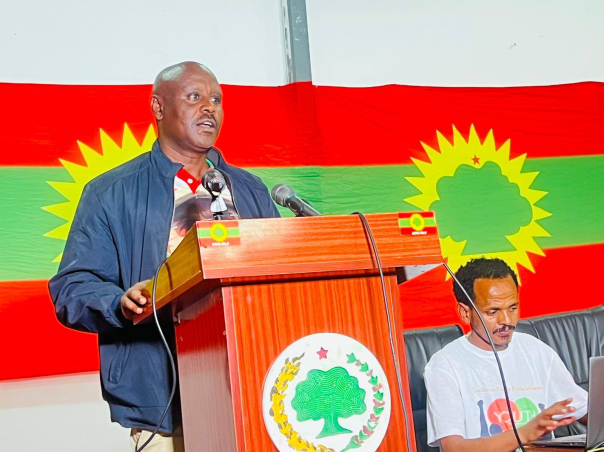
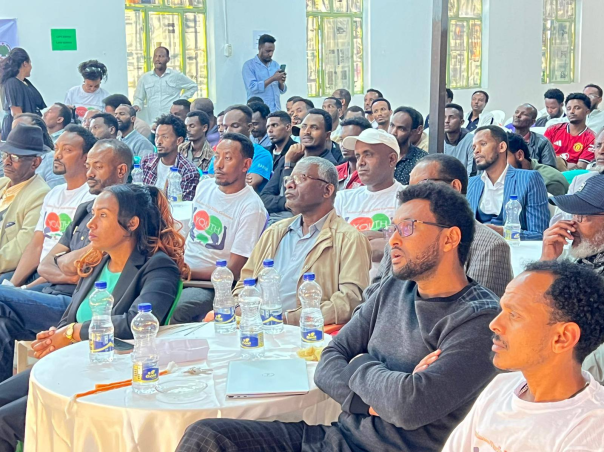
The 20th-anniversary commemoration of the Sadaasa 9 FDG concluded with prayers for unity, messages of reconciliation, and the triumphant raising of the Oromo flag, symbolizing hope and continued resolve.

Benefits of the Shanan Celebration for Mothers Abroad
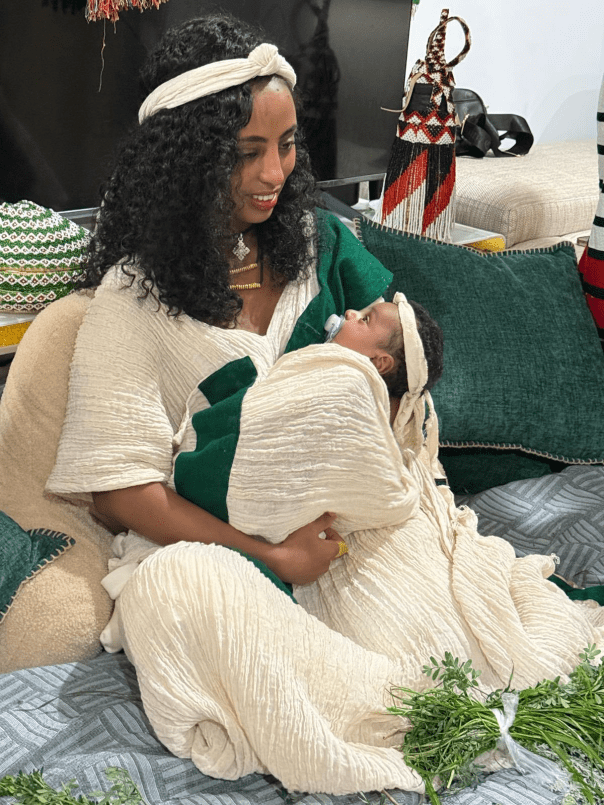
What are the benefits of the fifth day of the birthday celebration for a mother who is away from family and relatives and lives abroad?
This is a poignant question that touches on the heart of maintaining cultural identity and emotional well-being while living abroad.
The benefits of celebrating the fifth-day ceremony (often called Shanan in Oromo tradition) for a mother living far from her family and relatives are profound, albeit in a different way than if she were at home.
Here are the key benefits, framed for her unique situation:
1. Psychological and Emotional Benefits
- Combating Isolation and Loneliness: New motherhood in a foreign country can be intensely isolating. Actively observing this ritual creates a powerful psychological tether to her support system. It is a deliberate act that says, “Even though I am far, I am still connected to my people and their traditions.”
- Creating a Sense of Control and Agency: In a time when much feels new and outside of her control (new baby, new environment), performing a familiar ritual is an act of empowerment. It allows her to reclaim a piece of her identity and actively shape her experience of motherhood according to her own values.
- Marking the Sacred Transition: The fifth-day ceremony formally welcomes the newborn into the world and acknowledges the mother’s journey. By celebrating it, she honors her own strength and validates the monumental transition she is undergoing, preventing it from passing as just another day.
2. Cultural and Identity Benefits
- Instilling Cultural Identity from the Start: This is one of the most powerful benefits. By performing this ceremony, she begins the process of passing on her Oromo heritage to her child from its very first days. It is the child’s first cultural lesson and a foundational brick in building their identity.
- Being a Cultural Bridge: The celebration can be an opportunity to educate her non-Oromo friends and community about the beauty and depth of her culture. It transforms her home into a small cultural embassy, fostering understanding and pride.
- Preserving Personal and Collective Heritage: For diaspora communities, these rituals are a vital act of preservation. By keeping the tradition alive, she ensures it will be passed down, contributing to the cultural continuity of the Oromo people abroad.
3. Social and Relational Benefits
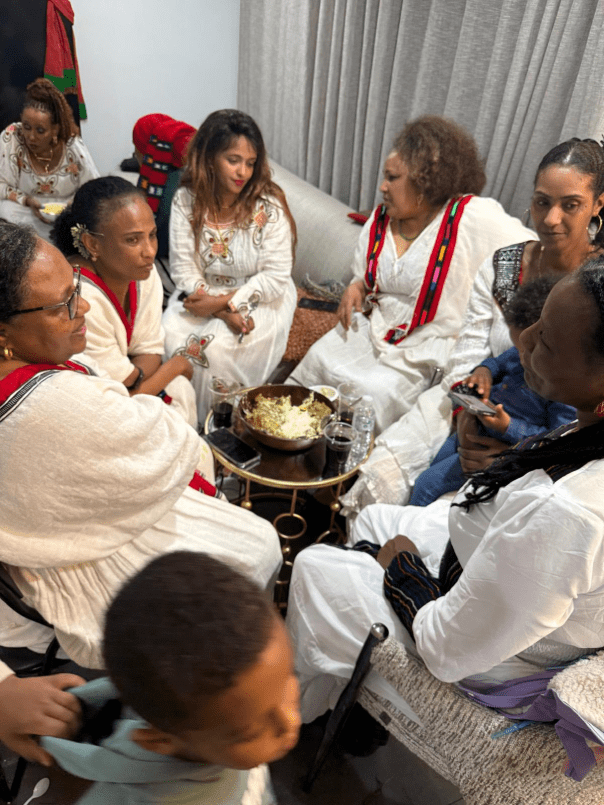
- Building a “Chosen Family”: While she cannot be with biological family, the ceremony can be adapted to include her support network abroad—close friends, neighbors, or other diaspora families. This helps forge a new, meaningful community around her and her child.
- Facilitating Long-Distance Connection: Technology can bridge the distance. She can schedule a video call with family back home during the ceremony, allowing them to participate virtually, offer blessings, and guide the rituals. This creates a shared experience despite the geography.
- Honoring the Grandparents and Ancestors: Performing the ritual is a profound act of respect for her parents and elders. It shows them that their teachings and traditions are valued and being continued, which can be a great comfort to them and strengthen those long-distance bonds.
How to Adapt the Celebration Meaningfully:
The benefit isn’t diminished by adapting the ceremony; it’s often enhanced. She can:
- Simplify the Rituals: Focus on the core elements that are most meaningful to her, such as saying the traditional prayers or blessings, preparing a significant symbolic meal, or dressing herself and the baby in traditional clothes.
- Incorporate New Elements: Blend the Oromo tradition with elements from her new environment in a way that feels respectful.
- Make it Personal: The most important benefit is the intentionality behind the act. The mere act of pausing, reflecting, and honoring this tradition infuses her journey as a new mother abroad with purpose, meaning, and a deep sense of connection.
In essence, the benefit is transforming a moment of potential loneliness into an act of profound cultural strength and personal affirmation. It is a way for her to nurture both her child and her own spirit.

Irreecha Hora Hadiyyaa Celebrated with Traditional Zeal, Affirming Oromo Culture and Unity
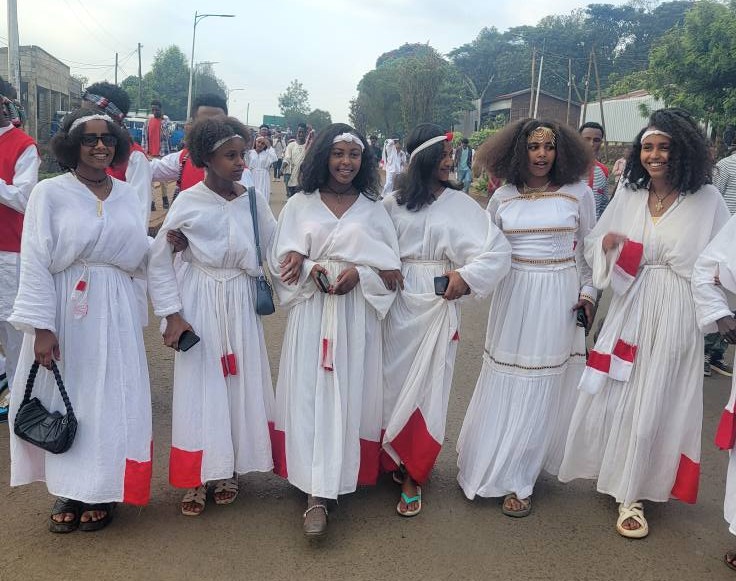
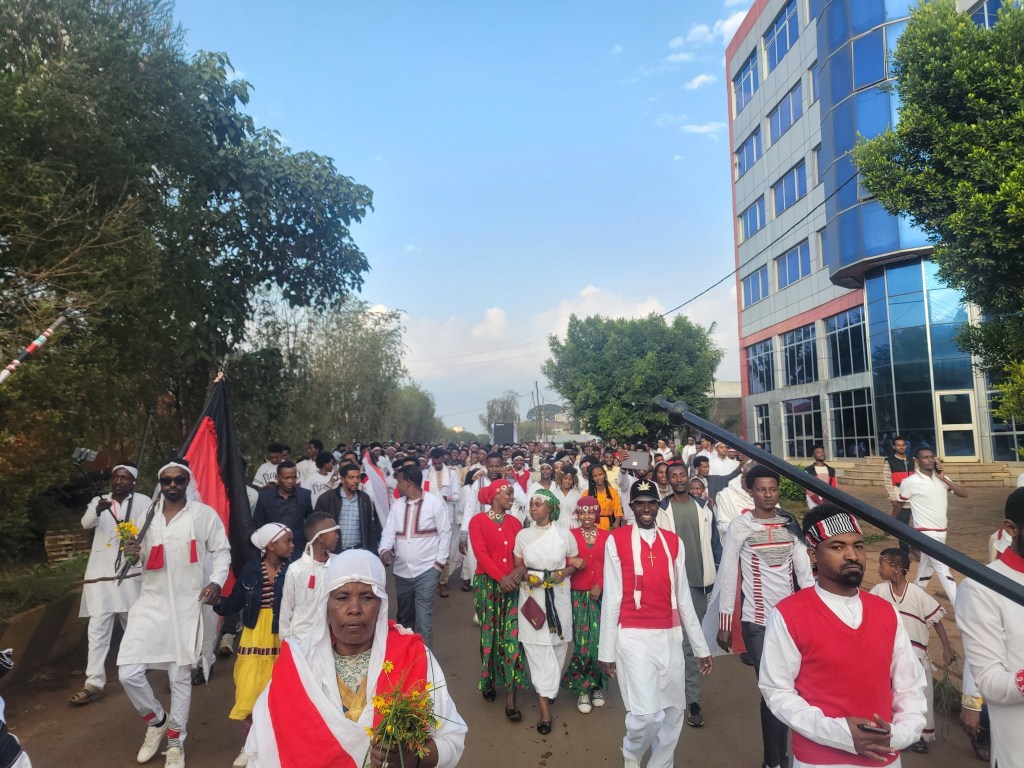
[Nagamte, Oromia] – The Irreecha Hora Hadiyyaa festival was celebrated today with great reverence and colorful ceremony, upholding its central role in Oromo cultural and spiritual life.
The event was marked by a vibrant display of community spirit, as diverse social groups adorned in traditional Oromo attire participated in remarkable numbers. The gathering embodied the festival’s core purpose: to give thanks, pray for prosperity, and strengthen social bonds.
During the ceremony, participants holding fresh grass made a symbolic journey to the river. There, they offered thanks to Waaqa (God) for the blessings of the new spring and for guiding them through the past rainy season. The festival serves as a collective prayer for peace, unity, and prosperity for the nation and society.
As the Gadaa leaders explained, Irreecha is a profound symbol of love and reconciliation, a time to mend the fabric of community life. It is a celebration that powerfully affirms Oromo identity, reinforces humanity and social ties, and expresses a shared hope for a bright and peaceful future.

Why Sadaasa 9 (November 9) holds a place of supreme importance in the history of the Oromo struggle for freedom?
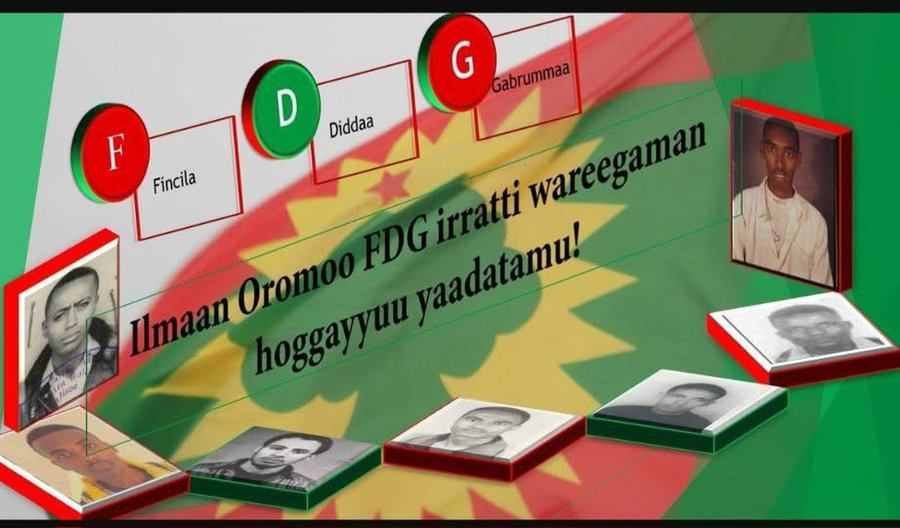
Sadaasa 9 (November 9) holds a place of supreme importance in the modern Oromo struggle for freedom because it marks the beginning of a watershed protest movement that fundamentally transformed the nature of the resistance against the Ethiopian government.
Here is a detailed breakdown of why this date is so significant and is commemorated annually.
1. The Trigger: The “Master Plan” for Addis Ababa
The immediate catalyst was the **2006 Master Plan**, a massive urban expansion scheme by the government that aimed to annex large swathes of Oromia farmland surrounding the capital, Finfinne (Addis Ababa). For the Oromo people, this was not merely a municipal boundary adjustment; it was an **existential threat**. It meant:
* Mass Dispossession: The forced eviction of Oromo farmers from their ancestral land with little to no compensation.
* Cultural Erasure: The further erosion of Oromo identity, sovereignty, and their historical connection to Finfinne.
* Economic Marginalization: The loss of livelihood for millions, turning self-sufficient farmers into a displaced underclass.
The Master Plan was seen as the ultimate symbol of garbummaa (systemic exploitation, subjugation, and denial of Oromo rights) under the Ethiopian state.
2. The Outbreak of the Oromo Protests (Fincila Diddaa Garbummaa – FDG)
In response to this plan, widespread protests erupted spontaneously, primarily led by **Oromo youth (the Qeerroo)**. While discontent had been simmering for decades, **Sadaasa 9, 2015**, marks a pivotal moment when these protests exploded into a coordinated, mass movement.
The protests that began on and around this date were characterized by:
* Mass Mobilization: It was not led by a single political party but was a genuine grassroots uprising involving students, farmers, professionals, and elders across virtually all of Oromia.
* Strategic Non-Violence: Initially, the protests were largely peaceful, involving marches, sit-ins, and the symbolic raising of the Oromo flag.
* A Clear, Unified Message: The protests unified various Oromo grievances—political marginalization, economic exploitation, cultural suppression—under the central demand to cancel the Master Plan and secure Oromo self-rule.
3. The Government’s Brutal Crackdown and Martyrdom
The Ethiopian government’s response was swift and extremely violent. Security forces used live ammunition, mass arrests, torture, and intimidation to crush the protests.
This crackdown had a profound effect:
* Creation of Martyrs: Hundreds, and eventually thousands, of unarmed protesters were killed. Sadaasa 9 became a day to remember these wareegamtoota (martyrs) who gave their lives for the cause.
* International Spotlight: The brutal suppression drew unprecedented international attention from human rights organizations like Amnesty International and Human Rights Watch, global media, and diplomats, putting the Ethiopian government under intense scrutiny.
* Radicalization of the Movement: The violence convinced many Oromos that peaceful protest was futile, further cementing their resolve and transforming the **Qeerroo** into a formidable, disciplined force for change.
4. A Historic Turning Point
The protests that began on Sadaasa 9, 2015, ignited a fire that could not be extinguished. They:
* Shattered the Climate of Fear: For the first time in a generation, the Oromo public massively and openly defied the state.
* Forged a New Generation of Leaders: The **Qeerroo** movement demonstrated immense organizational skill and strategic patience.
* Laid the Groundwork for Political Change: The sustained pressure from these protests over the next three years critically weakened the ruling party and was the primary force that led to the resignation of Prime Minister Hailemariam Desalegn and the rise of Abiy Ahmed in 2018. The **Master Plan was officially canceled** in January 2016 as a direct result of the protests.
—
Summary: Why Sadaasa 9 is Commemorated
In essence, Sadaasa 9 is commemorated because it marks the birth of the Oromo Protest Movement—a decisive, transformative moment in the struggle.
* It is a Day of Remembrance: To honor the courage and sacrifice of the wareegamtootaa (martyrs) who were killed.
* It is a Day of Resistance: It symbolizes the collective rejection of garbummaa and the reclaiming of Oromo identity and agency.
* It is a Day of Resilience: It celebrates the power of a united people to challenge a repressive state and force historic political concessions.
* It is a Foundational Date for Modern Oromo Nationalism: For the Oromo youth and the diaspora, it represents their “1776” or “Sharpeville”—a defining date where their generation took center stage in the fight for their people’s future.
Therefore, Sadaasa 9 is not just a date on the calendar; it is a powerful symbol of sacrifice, unity, and the unyielding pursuit of freedom in the face of overwhelming odds.




 Advocacy for Oromia