Benefits of the Shanan Celebration for Mothers Abroad
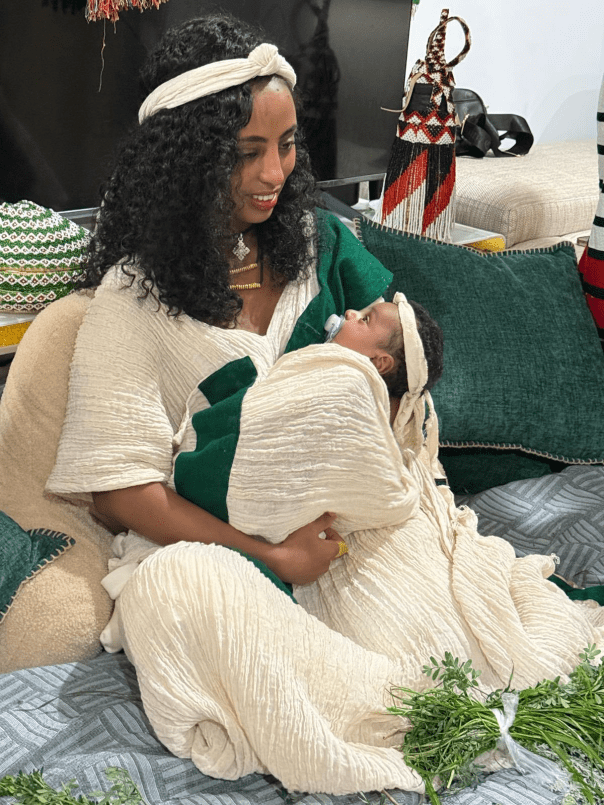
What are the benefits of the fifth day of the birthday celebration for a mother who is away from family and relatives and lives abroad?
This is a poignant question that touches on the heart of maintaining cultural identity and emotional well-being while living abroad.
The benefits of celebrating the fifth-day ceremony (often called Shanan in Oromo tradition) for a mother living far from her family and relatives are profound, albeit in a different way than if she were at home.
Here are the key benefits, framed for her unique situation:
1. Psychological and Emotional Benefits
- Combating Isolation and Loneliness: New motherhood in a foreign country can be intensely isolating. Actively observing this ritual creates a powerful psychological tether to her support system. It is a deliberate act that says, “Even though I am far, I am still connected to my people and their traditions.”
- Creating a Sense of Control and Agency: In a time when much feels new and outside of her control (new baby, new environment), performing a familiar ritual is an act of empowerment. It allows her to reclaim a piece of her identity and actively shape her experience of motherhood according to her own values.
- Marking the Sacred Transition: The fifth-day ceremony formally welcomes the newborn into the world and acknowledges the mother’s journey. By celebrating it, she honors her own strength and validates the monumental transition she is undergoing, preventing it from passing as just another day.
2. Cultural and Identity Benefits
- Instilling Cultural Identity from the Start: This is one of the most powerful benefits. By performing this ceremony, she begins the process of passing on her Oromo heritage to her child from its very first days. It is the child’s first cultural lesson and a foundational brick in building their identity.
- Being a Cultural Bridge: The celebration can be an opportunity to educate her non-Oromo friends and community about the beauty and depth of her culture. It transforms her home into a small cultural embassy, fostering understanding and pride.
- Preserving Personal and Collective Heritage: For diaspora communities, these rituals are a vital act of preservation. By keeping the tradition alive, she ensures it will be passed down, contributing to the cultural continuity of the Oromo people abroad.
3. Social and Relational Benefits
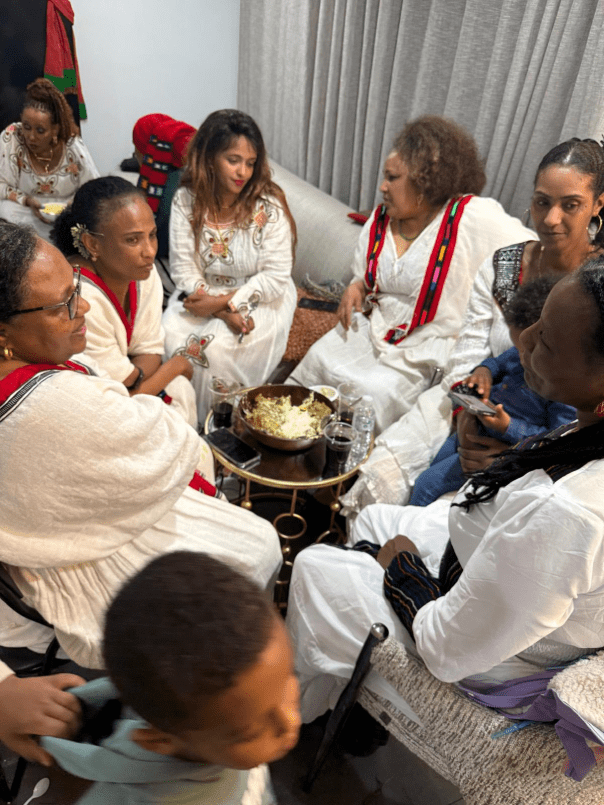
- Building a “Chosen Family”: While she cannot be with biological family, the ceremony can be adapted to include her support network abroad—close friends, neighbors, or other diaspora families. This helps forge a new, meaningful community around her and her child.
- Facilitating Long-Distance Connection: Technology can bridge the distance. She can schedule a video call with family back home during the ceremony, allowing them to participate virtually, offer blessings, and guide the rituals. This creates a shared experience despite the geography.
- Honoring the Grandparents and Ancestors: Performing the ritual is a profound act of respect for her parents and elders. It shows them that their teachings and traditions are valued and being continued, which can be a great comfort to them and strengthen those long-distance bonds.
How to Adapt the Celebration Meaningfully:
The benefit isn’t diminished by adapting the ceremony; it’s often enhanced. She can:
- Simplify the Rituals: Focus on the core elements that are most meaningful to her, such as saying the traditional prayers or blessings, preparing a significant symbolic meal, or dressing herself and the baby in traditional clothes.
- Incorporate New Elements: Blend the Oromo tradition with elements from her new environment in a way that feels respectful.
- Make it Personal: The most important benefit is the intentionality behind the act. The mere act of pausing, reflecting, and honoring this tradition infuses her journey as a new mother abroad with purpose, meaning, and a deep sense of connection.
In essence, the benefit is transforming a moment of potential loneliness into an act of profound cultural strength and personal affirmation. It is a way for her to nurture both her child and her own spirit.

Posted on November 9, 2025, in Information. Bookmark the permalink. Leave a comment.




 Advocacy for Oromia
Leave a comment
Comments 0