Me’ee Bokkoo Cultural Center: A New Era for Oromo Heritage

Construction of the “Me’ee Bokkoo” Historical Project Launched in Guji Zone
Finfinnee, Oromia – In a significant move to preserve and promote Oromo cultural heritage, the Oromia Regional Government has initiated the construction of the “Me’ee Bokkoo” Historical Project in the Guji Zone. This landmark decision addresses a long-standing public demand for a dedicated cultural center.
The project, with an allocated first-year budget of approximately One Billion Birr, was officially launched yesterday in a ceremony attended by leadership from the Oromia Culture and Tourism Bureau, the Guji Zone administration, Gadaa elders, and community members.
Project Overview and Management
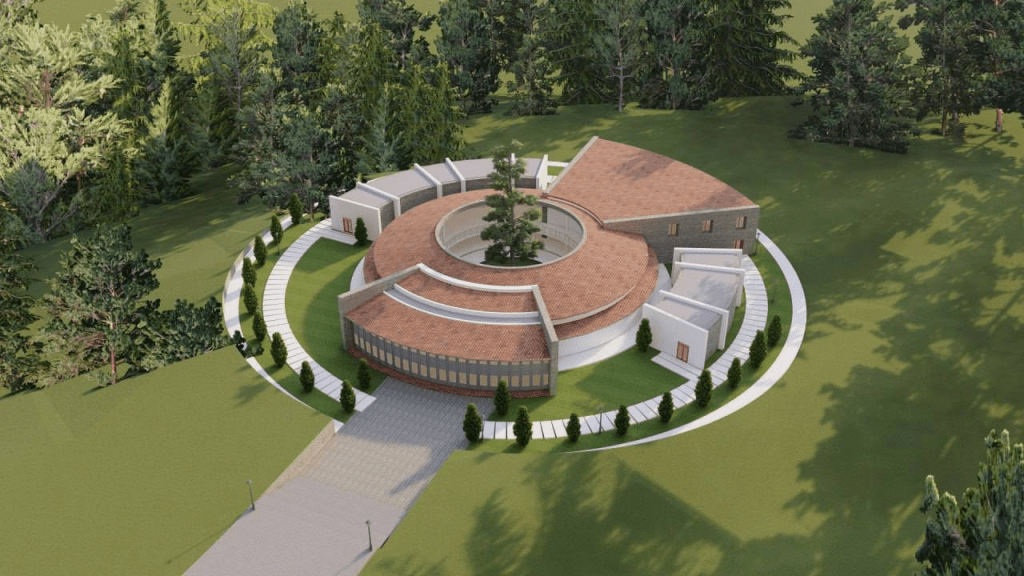
The design and construction of the Me’ee Bokkoo Cultural Center will be managed by the Oromiya Engineering Corporation. The comprehensive project will feature several key structures, including:
- Three Central Halls: Dedicated to the Abbaa Gadaa, Raabaa, and Doorii.
- A General Assembly Hall (Gumii Galma)
- A Grand Amphitheater (Ardaa Foora)
- A Multi-Purpose Complex: This main building will house a museum, administrative offices, a cafeteria, and additional assembly spaces.
A Center for Community and Justice
A distinctive feature of the project is a large “Galma Qurbiinsaa” (Public Preaching Hall). This facility is designed to be a cornerstone of community life, serving as a venue for disseminating laws and decisions to the public.
After deliberating under various shades (gaaddisa) and assemblies (gumii), legislative councils (mariin tumaa) will use this hall to announce their rulings. Crucially, every segment of society will have the right to participate in gatherings here without any barriers.
According to experts from the Oromia Culture and Tourism Bureau, this main hall will have a capacity to accommodate over 200,000 people, making it one of the largest public forums of its kind.
This project represents a major investment in the cultural infrastructure of Oromia, aiming to create a permanent home for the preservation and practice of Oromo traditions, governance, and community life for generations to come.

Posted on November 15, 2025, in News, Uncategorized. Bookmark the permalink. Leave a comment.




 Advocacy for Oromia
Leave a comment
Comments 0