Daily Archives: December 30, 2025

Gujii Adoolaa’s Reeddee Ardaa Jilaa Tournament Ignites Community Spirit

News: Gujii Adoolaa’s “Reeddee Ardaa Jilaa” Tournament Sparks Community Celebration and Competition
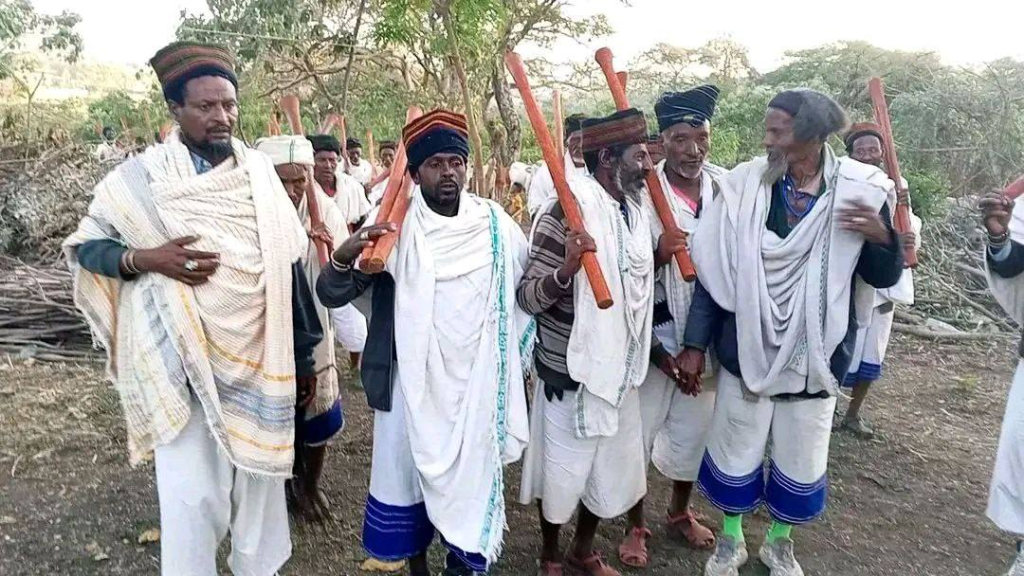
Gomboba, Oromia – In a vibrant display of community spirit and youth engagement, Gujii Adoolaa’s Reeddee Ardaa Jilaa sports tournament kicked off today in Gomboba. The event, centered around the traditional game of Hookkuu (a hockey-like sport), is drawing enthusiastic participation from across the area.
The opening ceremony was highlighted by a special match for elementary school children, adding a festive and inclusive atmosphere to the proceedings. However, the spirit of friendly competition took center stage as the tournament formally began.
The focus of the day was a decisive match officiated by Murtii Doorii Galaanaa Ciraa. In a thrilling and closely contested game, the Woddeessaa team emerged victorious, earning a commendable win on the field.
In a unique and celebratory local tradition following the match, supporters of the Daballee team, though disappointed by the loss, engaged in the customary practice of “qooxoo saaquu”—a playful and symbolic act of good-naturedly pursuing their rivals. This tradition underscores the deep-rooted cultural context of the tournament, where competition is balanced with communal bonds and customary expressions of sportsmanship.
The Reeddee Ardaa Jilaa tournament is seen as a significant event for Gomboba, promoting physical activity, preserving traditional games, and strengthening social ties within the community. The tournament is expected to continue with further matches in the coming days.


The Unfinished Symphony of the Oromo Struggle
Feature Commentary:
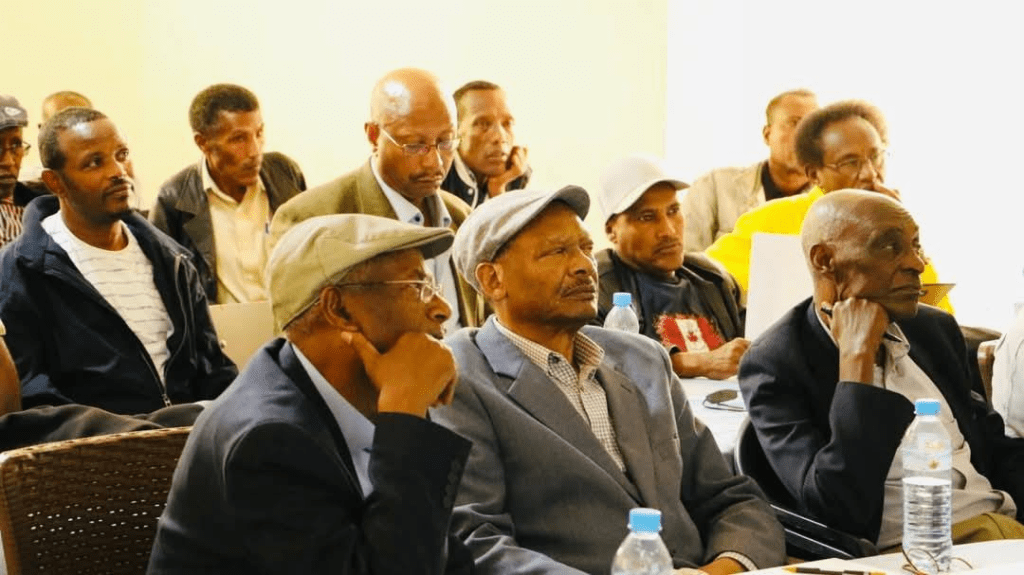
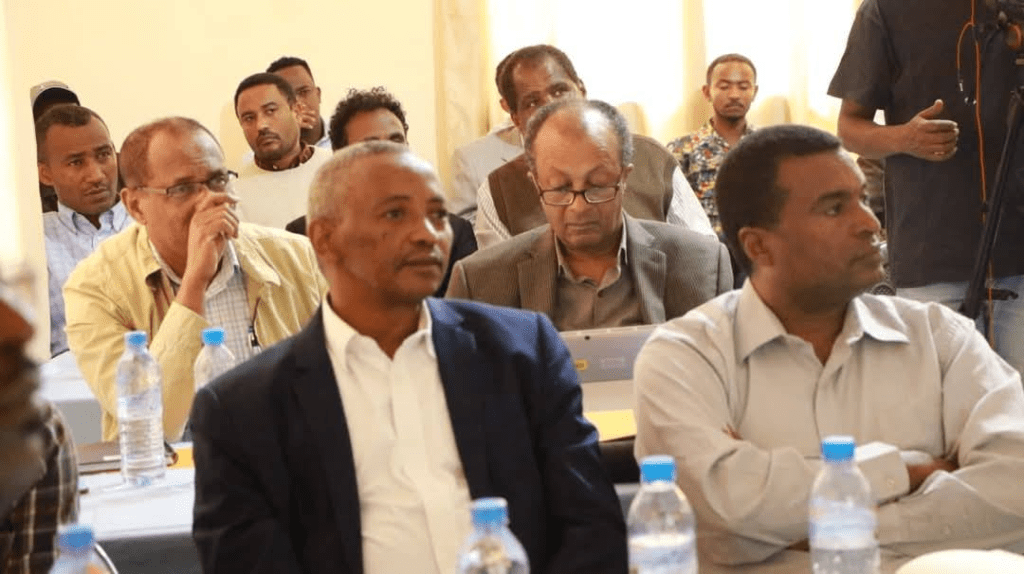
This conference was a gathering convened by the Oromo Liberation Front (OLF) in 2017 on matters of governing Oromia. Among the attendees, some have since passed on, becoming memories. Others have strayed from the cause they came for, abandoning the Oromo freedom struggle. Yet others, who entered the struggle with purpose and vision, hold firm to their commitment, sharing in both the grief and the triumphs of their people.
This is not just a recounting of a meeting; it is a stark and powerful metaphor for the very anatomy of a long and arduous liberation movement. It lays bare the divergent paths that unfold when a theoretical struggle meets the harsh, grinding reality of the fight.
The Crucible of Commitment
Every movement begins with a conference—a moment of unity, shared vision, and fiery resolve. But time is the great sifter. As the text so poignantly notes, it separates the comrades from the converts, the steadfast from the sidelined. Some, unable to bear the weight when the goal seems distant, disengage. Their exit is a quiet tragedy, a dissolution of energy.
Others pay a steeper price—the ultimate sacrifice of life or limb, a permanent scar etched into the heart of the nation they sought to free. Theirs is a sacred debt, a “guarantee” written in blood for the cause.
The True Test: When the Ground Shakes
However, the most revealing—and perhaps most painful—test comes not in the planning chamber, but “when the struggle erupts on the ground.” This is the moment of truth. Here, some who falter do not merely step back; they cross over. They become tools for the enemy, turning their knowledge and erstwhile passion against their former allies. This betrayal cuts deepest, for it weaponizes intimacy.
And then, there are those who “enter the fray.” They are the bearers of the vision. Theirs is the generational task: to grasp the core objective and ideology, to nurture it, to teach it to the next generation, and to march it, however slowly and painfully, toward its destination. They are the sustainers, the living bridge between the dream of yesterday and the reality of tomorrow.
A Legacy of Fire and the Imperative of Peace
The commentary concludes with a sobering and urgent reality check. The Oromo freedom struggle, forged through such sacrifice and complexity, has reached a critical juncture. Yet, the “security problem” raging within Oromia today is a glaring indicator that the final, sustainable peace for the Oromo people and all residents of Oromia is not yet secured.
The closing line, “May there be peace for the Oromo and the peoples of Oromia,” is therefore not a gentle benediction, but a pressing demand. It acknowledges that the symphony of struggle, with its movements of unity, betrayal, sacrifice, and resilience, is unfinished. The final movement must be one of lasting and just peace. Until that peace is composed and lived, the sacrifices of those who entered the fray—the ones who held fast, the ones who fell, and even the legacy of those who faltered—remain an unresolved echo in the heart of the nation.




 Advocacy for Oromia