Monthly Archives: January 2026

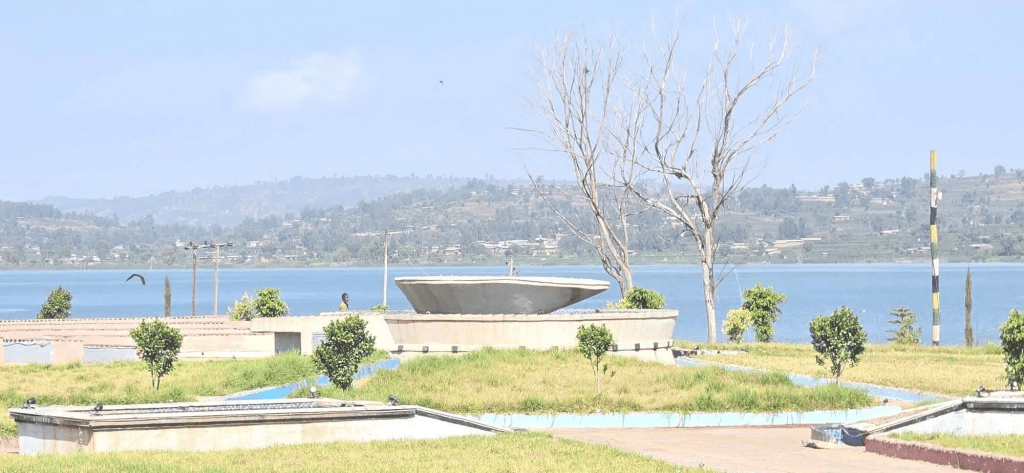
Domestic Tourism: Reviving Oromo Culture in Maya

Feature Commentary: The “Domestic Tourism” Drive – More Than Just A Sightseeing Trip
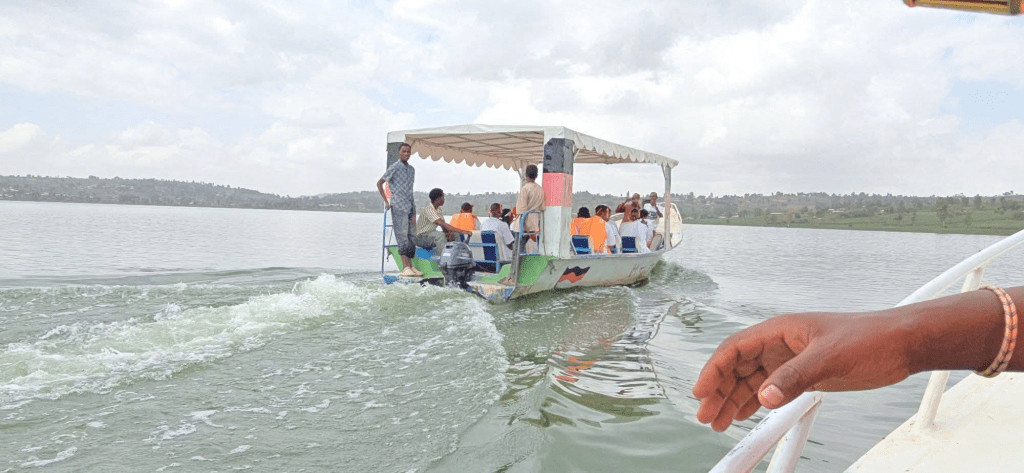
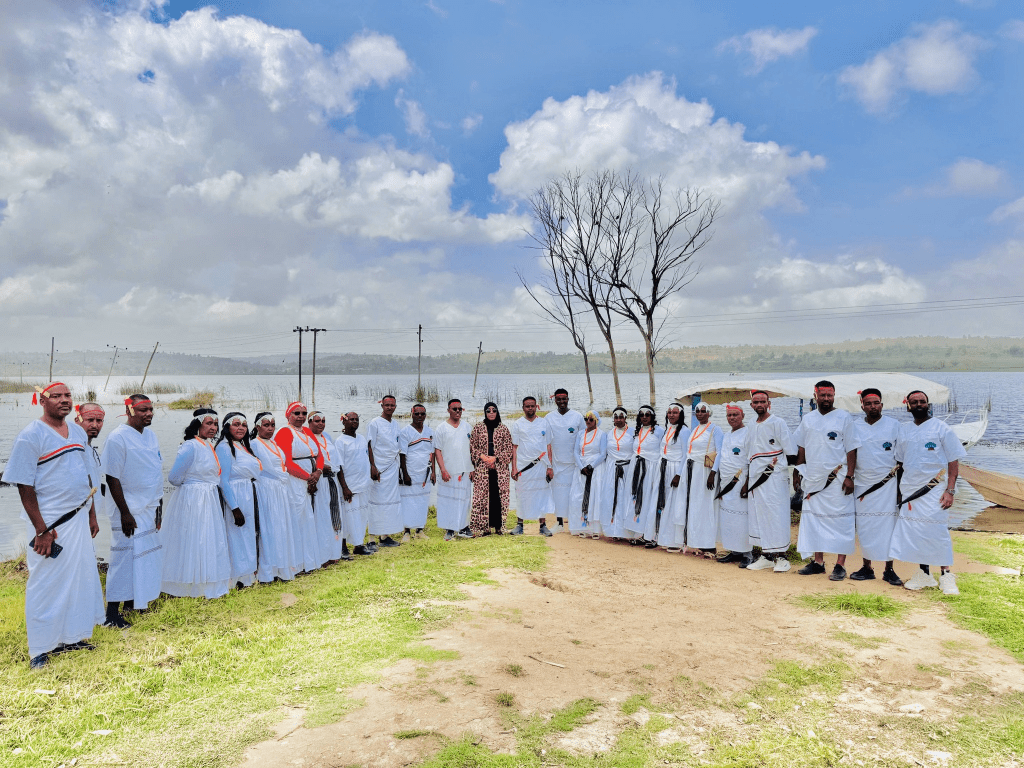
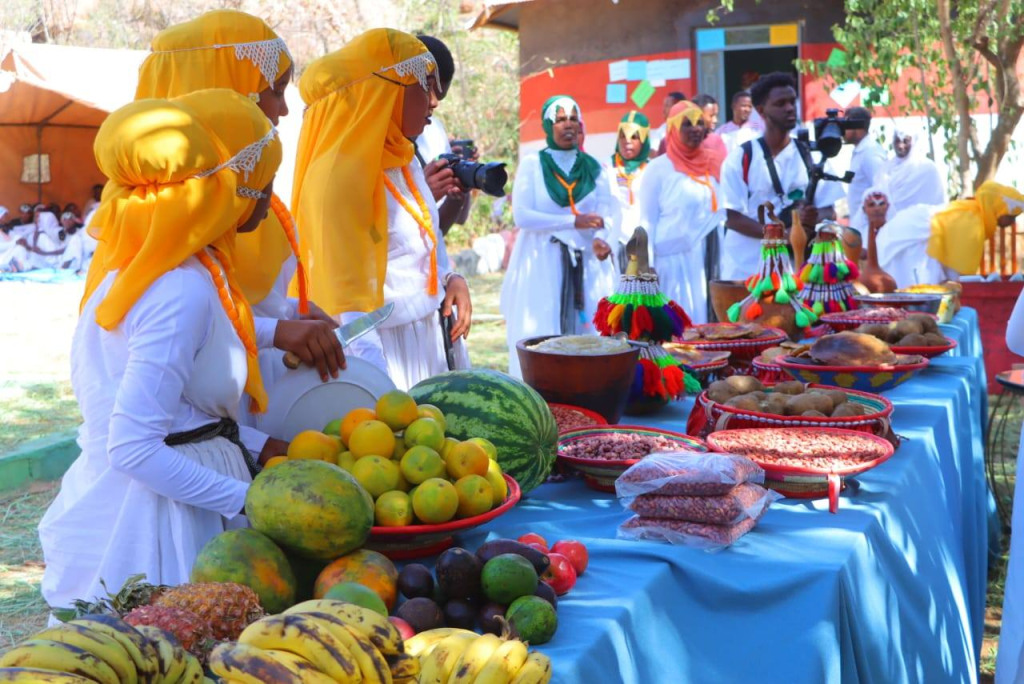
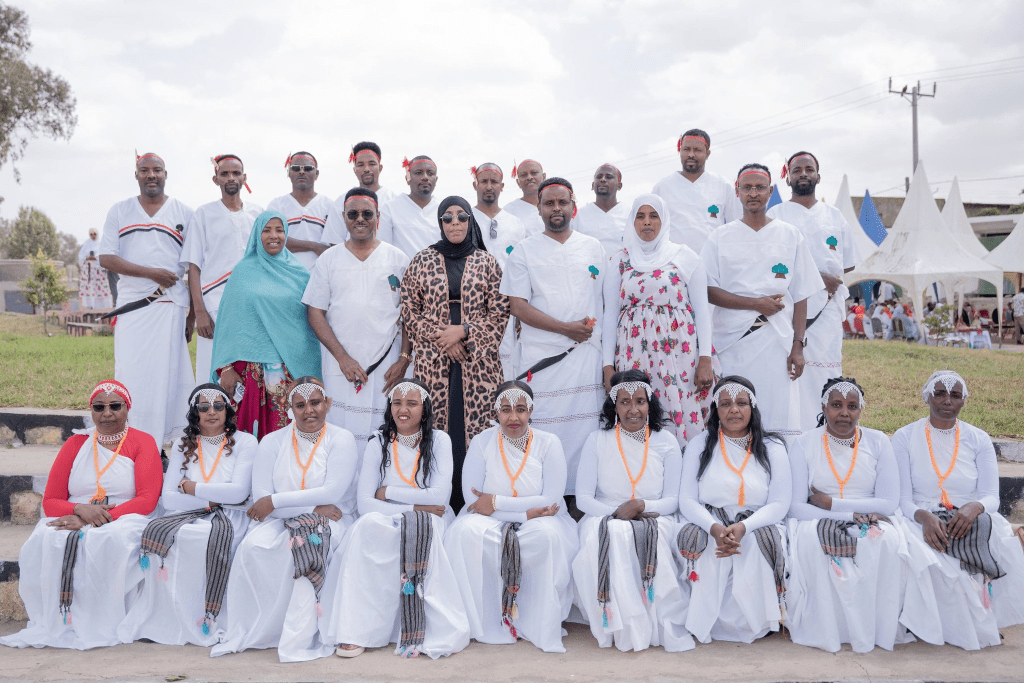
The successful conclusion of the domestic tourism promotion event in the city of Maya, East Hararghe, represents a significant and multifaceted stride for the Oromia Region. On the surface, it was a program where a delegation visited historical, cultural, and tourist sites. But to see it merely as a familiarization tour is to miss its profound cultural, economic, and social implications.
This initiative is a cornerstone of the Oromia Regional Government’s broader Cultural Renaissance policy. That term, “renaissance,” is crucial. It signifies not a static preservation under glass, but a dynamic revival—a reawakening. The goal is not simply to catalog old artifacts, but to actively safeguard, teach, and celebrate the rich and noble elements of Oromo culture. As the commentary notes, this ensures that “the younger generation knows its identity in the morning.” This metaphor is powerful: cultural knowledge is the dawn that illuminates who we are, providing direction and purpose from the very start of life’s journey.
The focus on domestic tourism is a masterstroke in this renaissance. It serves three interconnected purposes:
- Economic Activation: By extensively promoting Oromia’s tourism wealth, the program seeks to stimulate local economies. It encourages spending within the region, supports local guides, hospitality services, and artisans, and fosters community-based tourism. Strengthening domestic tourism builds a resilient internal market before even looking outward.
- Civic Participation: The program aims to “increase the involvement of relevant bodies.” This is about building a coalition for cultural stewardship—engaging local administrations, community elders, youth associations, and entrepreneurs. When communities see their heritage valued and visited, they become its most passionate curators and beneficiaries.
- Social Cohesion and Unity: Perhaps the most profound impact lies here. Visiting different areas within Oromia and Ethiopia breaks down internal barriers. It fosters a deeper understanding of the nation’s diverse tapestry from within. Shared experiences at historical sites and cultural ceremonies build a stronger sense of national unity and social solidarity. As stated, it “plays a high role in fostering the country’s socio-economic development and strengthening national unity.”
The choice of Maya and East Hararghe is itself symbolic. It directs the spotlight to the unique cultural and historical landscapes beyond the usual hubs, ensuring a more equitable and comprehensive celebration of Oromia’s heritage.
In essence, this domestic tourism drive is far more than a promotional trip. It is:
- A classroom for cultural identity.
- An engine for localized economic growth.
- A workshop for building social cohesion.
- A practical manifestation of the Cultural Renaissance in action.
The “milkaa’ina” (success) of the Maya event, therefore, is not just in its logistical execution, but in its powerful reaffirmation that understanding and exploring one’s own backyard is the first and most vital step toward sustainable development, cultural pride, and national unity. It sets a compelling precedent for other regions to follow, turning the nation into a classroom of mutual discovery for its own people.

Honoring Aadde Beernaadiit: A Legacy of Love and Resilience

A Feature Commentary: The Passing of Aadde Beernaadiit
The news of the passing of Aadde Beernaadiit, the widow of the renowned Oromo artist Dr. Hayilee Fidaa, marks the closing of a profound chapter in Ethiopian cultural and personal history. The memorial service planned in her honour is not merely a funeral; it is a testament to a life of resilience, deep love, and quiet strength that withstood the tremors of national tragedy.
Her story with Dr. Hayilee Fidaa is the stuff of a poignant romance. They met as young students in 1964 at a student event on Boulevard Jordan in Paris, a meeting of minds and hearts far from home. Their bond, formalized in marriage in 1966 in the U.S., flourished with the blessing of two daughters, Saraa and Yodit. This was the beginning of a family life built on intellectual companionship and shared dreams.
Then came the seismic event that would define the rest of her life: the assassination of Dr. Hayilee Fidaa in 1970. The commentary notes a harrowing detail: she learned of her husband’s murder while still in France, the country of the perpetrator. Yet, what did she do? She did not retreat. She embarked on a “great effort” to return to Ethiopia, to the very place where her husband’s blood was spilled. This act alone speaks volumes about her character—a determination to confront grief at its source, to be present in the land he loved, and to raise their daughters connected to his roots.
Her subsequent interviews, like one with Azeeb Warquu on Radio Fana, reveal a woman who, though devastated, framed her loss through the lens of the immense love they shared and her faith. She carried not just grief, but the weight of his legacy. Her dedication to Dr. Hayilee’s family—visiting his birthplace in East Welega, supporting his siblings and mother, educating his nieces and nephews—shows she became the living bridge between his past and their future. She didn’t just mourn an artist; she nurtured the ecosystem from which he sprang.
Her life in Addis Ababa thereafter was a powerful statement. Choosing to live in Finfinnee (Addis Ababa), the capital of her husband’s homeland, over France, demonstrated where her heart and loyalty lay. She channeled her experience into compassion, founding the “Okay” Charity to support orphans and women in distress. This was her enduring response to tragedy: not bitterness, but organized kindness.
The later years brought a familiar diaspora narrative—a daughter abroad, and the quiet life of an elder. Passing at 84, she witnessed epochs change, but her core identity remained: the guardian of a memory, a philanthropist, and a matriarch.
Therefore, this memorial service, this Yaadannoo fi Dungoo, is for so much more than a bereaved widow. It is for:
- A pillar of resilience who stood firm after an unimaginable blow.
- A keeper of the flame who diligently preserved and honored her husband’s legacy and family.
- A compassionate builder who translated personal pain into public good.
- A symbol of transnational love and loyalty, tethered between two worlds but choosing to plant her heart in Ethiopian soil.
Aadde Beernaadiit’s life reminds us that behind every great, lost figure, there are often unsung heroes of remembrance. Her strength ensured that Dr. Hayilee Fidaa’s legacy was not just a public treasure, but a lovingly tended private garden. In mourning her, we also honour the quiet, formidable power of the love that outlasts even death. May she find the peace she so steadfastly cultivated for others. #AaddeBeernaadiit #HayileeFidaa

Dr. Trevor Trueman: An Icon of Oromo Advocacy

Dr. Trevor Trueman (Galatoo): The Quiet Ally and the Unyielding Echo
Some names are woven so deeply into the narrative of a people’s struggle that they become inseparable from it, transcending geography, ethnicity, and origin. Dr. Trevor Trueman—affectionately known as Galatoo, “Thank You”—is one such name. His story is a powerful commentary on the nature of true solidarity, the enduring power of bearing witness, and the quiet, strategic work that sustains a freedom movement far from the headlines.
Dr. Trueman’s journey with the Oromo people began not in the halls of advocacy, but in the gritty, desperate reality of survival. In the late 1980s, as a family health physician, he was in Sudan, training Oromo health workers in refugee camps. When the Derg fell in 1991, he moved into Wallagga, shifting his focus to training community health workers. This foundation is crucial. His alliance was not born of abstract political theory, but of humanitarian connection—of seeing, firsthand, the people behind the cause. He didn’t arrive as an activist; he became one through service.
It was from this ground-level view that his pivotal role emerged. Starting in 1992, he began the critical, dangerous work of documenting and internationalizing the Ethiopian government’s systematic human rights violations against the Oromo people. While the OLF and others fought on the political and military fronts, Dr. Trueman opened a vital front in the global arena of information. He understood that a tyranny thrives in silence and that the world’s conscience must be awakened with evidence. His reports became the credible, external voice that the diaspora and activists within could amplify, forcing the “Oromo question” onto agendas where it was being ignored.
His strategic genius is perhaps best embodied in the Oromia Support Group (OSG), which he co-founded in 1994. The OSG was not a protest group but a clearinghouse for truth. It methodically gathered testimony, verified atrocities, and funneled this information to UN bodies, foreign governments, NGOs, and media outlets. For decades, when the Ethiopian state dismissed accusations as rebel propaganda, the OSG’s meticulously documented reports stood as unassailable counter-evidence. Dr. Trueman became a bridge of credibility, translating the suffering of a distant people into a language the international system was compelled, at least, to acknowledge.
This commentary highlights several profound truths:
- The Outsider as Essential Insider: Dr. Trueman’s identity as a “foreign national” was not a barrier but a unique asset. It lent his documentation an perceived objectivity that was desperately needed to break through global apathy. He wielded his privilege as a tool for the voiceless.
- Advocacy as a Marathon, Not a Sprint: His commitment, spanning from 1988 to the present day, defines “umurii dheeradhaa”—a long life of dedication. While political fortunes and rebel movements evolved, his channel of advocacy remained constant, providing a thread of continuity through decades of struggle.
- The Strategic “Taphat” (Preparation): The tribute rightly notes he will be remembered for his “shoora taphataniif”—his strategic preparations. His work was the essential groundwork. By ensuring the world could not plead ignorance, he created the political space and pressure that empowered all other facets of the Oromo struggle.
Dr. Trevor Trueman’s legacy is a masterclass in effective international solidarity. He did not seek to lead the Oromo struggle; he sought to amplify it. He did not fight with weapons, but with words, facts, and an unwavering moral compass. In the grand symphony of the Oromo quest for freedom, if some voices are the roaring melodies and others the steady rhythm, Dr. Trueman’s has been the crucial, clear note of the witness—persistent, truthful, and cutting through the noise to make the world listen.
For this, the name Galatoo is not merely a token of thanks, but a title of honor, earned over a lifetime. His work ensures that the crimes committed in darkness are recorded in light, and that the struggle of the Oromo people has, indeed, been given an echo the world cannot un-hear.

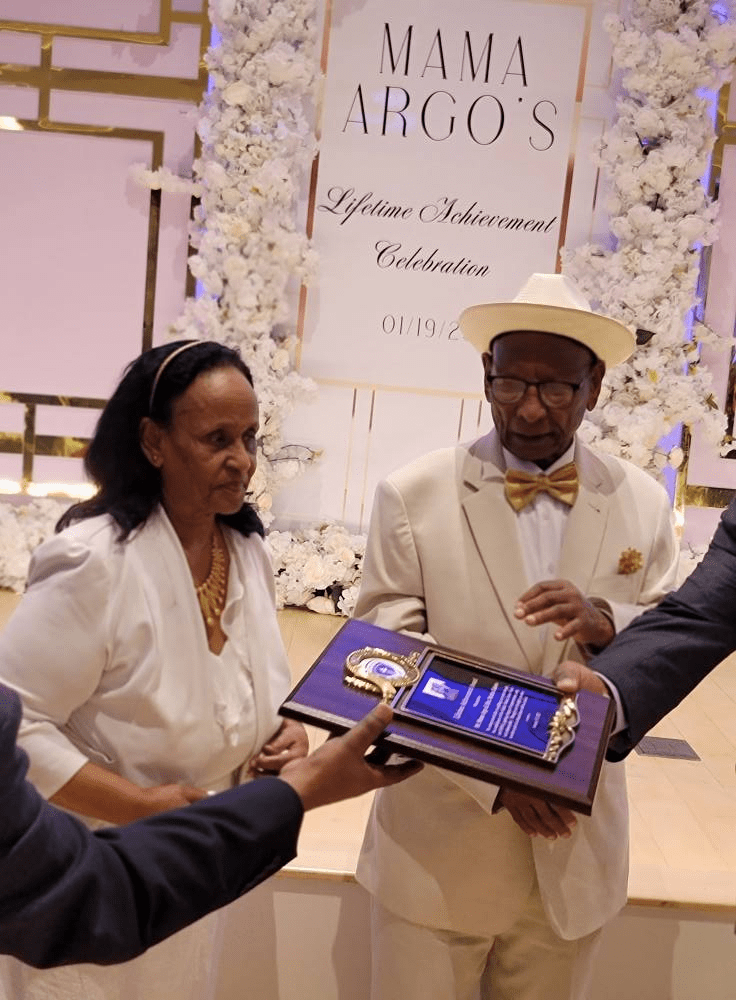
Mammaa Argoo (1946-2026): A Legacy of Service in the Oromo Struggle

A Life of Unwavering Service: Mammaa Argoo and the Enduring Spirit of the Oromo Struggle
The passing of Obbo Mammaa Argoo in Seattle, USA, is not merely the loss of an individual, but the quiet closing of a chapter written with relentless dedication. His life story, woven from threads of professional service, community building, and unwavering support for the Oromo cause, stands as a powerful commentary on the nature of true activism and the quiet architects of diaspora identity.
Obbo Mammaa’s journey defies the simplistic narrative of a revolutionary who arrives fully formed. It reveals a more profound truth: that the backbone of any long-term struggle is often built by those who work without fanfare, whose “front line” is the community meeting, the weekend language class, and the patient effort to explain a people’s plight to the outside world. From his early days in the 1960s in Shashamane, where he worked to expand educational access in rural villages, to his decades as a respected healthcare professional in Ethiopia and later in Seattle’s Harborview Medical Center, his foundational principle was service.
This ethos seamlessly translated into his life in diaspora. Upon arriving in Seattle in 1992, he didn’t retire; he re-planted his roots in service. He became a pillar of the Oromo community there, not as a distant figurehead, but as a hands-on organizer. For 27 years, he served tirelessly. The establishment and nurturing of the Oromo Sports Federation in North America (OSFNA) is a testament to his visionary understanding that cultural unity and physical well-being are vital for a dispersed people. The weekly classes he helped lead—teaching Oromo language, history, and culture to children—were an act of profound resistance against assimilation and oblivion. These were the quiet trenches where identity was fortified for the next generation.
His engagement extended far beyond the Oromo community. His service on boards like the Harborview Community House, the East African Advisory Council for Seattle Police, and One America illustrates a crucial point often missed: effective advocacy for one’s own community requires building bridges and understanding within the wider society. He knew that to advance the Oromo cause, he had to be a respected voice in the broader conversations about human rights, immigration, and civic participation. He was a connector, translating Oromo realities for American institutions and leveraging those institutions for the benefit of his people.
The commentary of his life makes several indelible arguments:
- Activism is Multifaceted: The freedom struggle is not fought only with political manifestos. It is fought in hospitals with compassionate care, in sports federations that foster pride, and in classrooms on Saturday mornings where mother tongues are kept alive. Mammaa Argoo embodied this holistic approach.
- The Diaspora as a Foundation: He demonstrated that the diaspora’s role is not just to lobby or send remittances, but to build sustainable, enlightened, and united communities abroad. These communities become enduring repositories of culture and platforms for advocacy.
- Steadfastness Over Spectacle: In an age of fleeting headlines and performative activism, his nearly three decades of consistent, granular community work—“without rest or break,” as the tribute notes—speaks of a deeper, more resilient commitment. His was a long obedience in the same direction.
- The Personal is Political, The Professional is too: His career in healthcare was not separate from his activism; it was an extension of it. Caring for the sick, whether in Bulbula, Adama, or Seattle, was congruent with caring for the health and wholeness of his nation.
Obbo Mammaa Argoo has now “left this world,” as the tribute respectfully states. But he did not leave a void; he left a blueprint. He was a man who, as his story confirms, “did not turn his back on the Oromo struggle,” but rather folded it into the very fabric of his daily life, his profession, and his civic duty. His legacy is not etched in stone monuments, but in the living institutions he helped build, in the children who can speak Afaan Oromoo, in the stronger community fabric of Seattle, and in the powerful, quiet example of a life spent entirely in the service of others.
His passing is a moment of sorrow, but more so, it is a moment for reflection on what enduring commitment truly looks like. It looks like the life of Mammaa Argoo.
The Legacy of Obbo Mama Argo: A Community’s Guiding Star
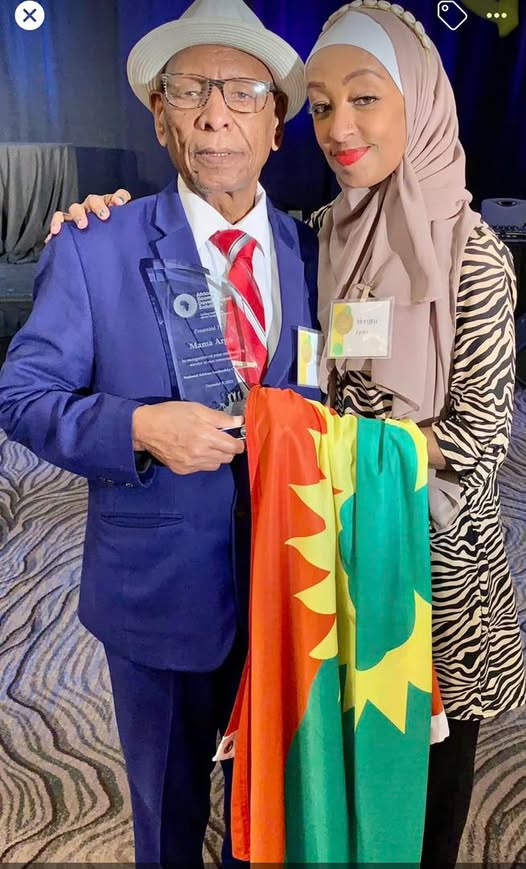
The Milk of Human Kindness: On Losing a Local Legend Like Obbo Mama Argo
By Dhabessa Wakjira
True community is rarely built in grand gestures announced with fanfare. More often, it is woven in the quiet, repeated acts of welcome that happen after dark, in the glow of a porch light, in the simple offering of a cool drink. The passing of a figure like Obbo Mama Argo of Seattle reminds us that the mightiest pillars of a diaspora are often the most humble, their legacy measured not in headlines, but in the cherished, personal memories of a generation.
News of his departure arrives, as the community member writes, with “great sorrow.” But the obituary that follows is not a formal listing of titles—though he certainly earned them as a founding pillar of the Oromo Soccer Federation and Network in North America (OSFNA) and a selfless public servant. Instead, it is something more powerful: a flood of sensory memory, a testament to a man whose impact was felt in the intimate, daily fabric of life.
“I can’t think of anyone who was more selfless or whose contributions are more undeniable,” the tribute begins, anchoring his legacy in collective agreement. For over twenty years in Seattle, the writer explains, “we grew up looking up to his guidance and the love he had for Oromos.” Here is the core of it: he was a local north star, a constant reference point for a community finding its way in a new land.
Then comes the defining anecdote, the story that paints a clearer picture than any official biography ever could. “Back in those childhood days… every evening after soccer, we would go to his house and drink milk.” From this simple, nurturing act emerged his most beloved title: “Abbaa Aannanii” – the Father of Milk.
This name is a masterpiece of community poetry. It speaks of sustenance, of care, of a home that was always open. It speaks of a man who understood that building a community isn’t just about organizing tournaments or holding meetings; it’s about feeding the youth, literally and spiritually. His house wasn’t just a residence; it was a post-game refuge, a cultural waystation where ties were strengthened not through rhetoric, but through shared cups and shared presence.
The tribute makes a profound point about gratitude: “This blessing was a great reward that the Seattle community received from him. Receiving it was timely.” Abbaa Aannanii performed his essential role precisely when it was most needed—during the formative years of a community’s establishment. His gift was his unwavering, predictable kindness.
And so, the writer issues a crucial, poignant reminder: “It is necessary to say THANK YOU to people like him while they are still alive.” We are often so good at eulogizing, at weaving beautiful galatoomaa in hindsight. But the true challenge is to offer that gratitude in real-time, to honor the living pillars before they become memories.
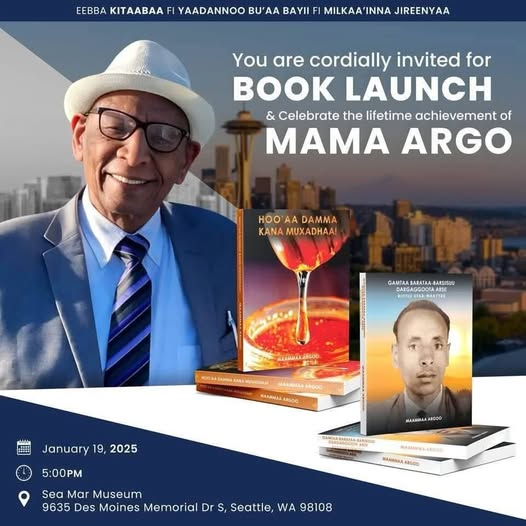
Obbo Mama Argo’s story is a universal one. Every community, every neighborhood, has its Abbaa Aannanii—the person whose door is always open, whose quiet support forms the bedrock. His passing is a deep loss precisely because his contribution was so profoundly human. He built a nation not through pronouncements, but through poured cups of milk; not just through organizing soccer, but by ensuring the children who played it were nourished, welcomed, and loved.
His legacy is the warmth of that remembered milk, the strength of the bonds forged in his living room, and the enduring model of a patriotism expressed through radical, open-hearted hospitality. We extend our deepest condolences to his family, the Seattle Oromo community, and OSFNA. In mourning him, may we all be inspired to see, appreciate, and thank the quiet pillars in our own midst, while the light on their porch is still on.
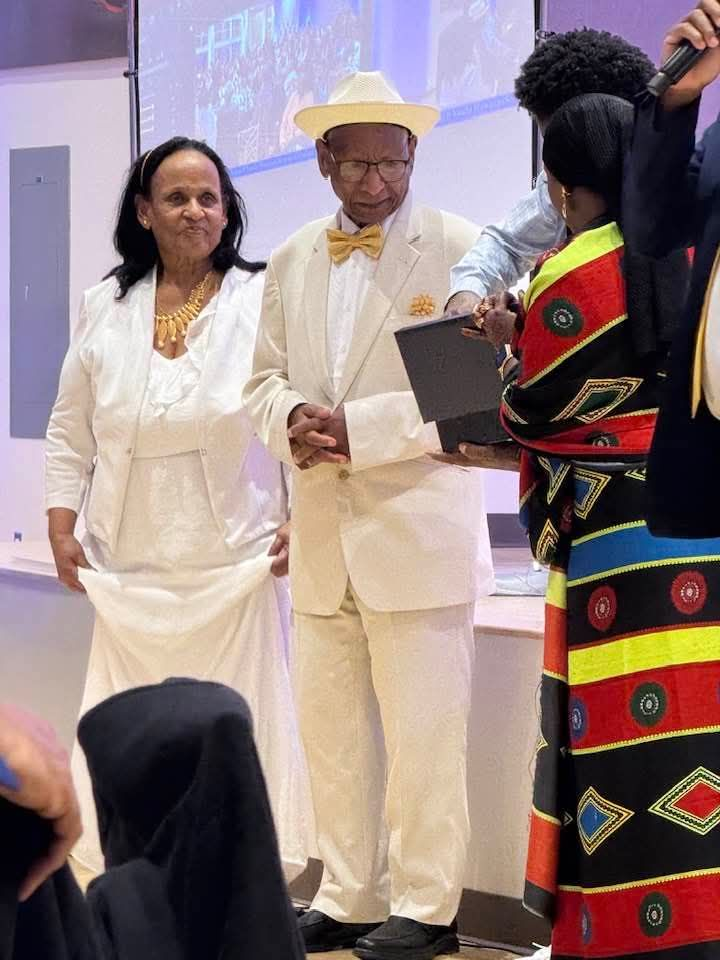

An Unseen Architecture: The Passing of a Pillar and the Foundation He Leaves Behind

An Unseen Architecture: The Passing of a Pillar and the Foundation He Leaves Behind
By Maatii Sabaa
A community, especially one woven across a diaspora, is an intricate architecture. We most easily see its public face—the vibrant festivals, the spirited tournaments, the collective statements. But the integrity of the entire structure, its ability to stand firm across distance and time, depends on a different kind of element: the hidden pillars. These are the individuals whose work is not in the spotlight, but in the scaffolding; whose legacy is not a single dramatic act, but the relentless, humble labor of holding things together.
The recent passing of Obbo Mama Argo is the quiet removal of such a pillar. The condolences flowing to his family, the Seattle Oromo community, and the Oromo Soccer Federation and Network in North America (OSFNA) speak to a loss that is deeply personal yet irreducibly public. He is remembered with the profound titles that form the bedrock of any strong society: a devoted patriot, a loving family man, a selfless public servant. But it is the specific mention of his founding role in OSFNA, and his three decades of support for it, that reveals the true nature of his contribution.
To found an organization like OSFNA is to do more than start a sports league. It is to recognize that for a dispersed people navigating the complexities of a new world, identity needs a living, breathing, communal space. A soccer tournament becomes more than a game. It is an annual pilgrimage, a temporary capital, a network of kinship and care. It is where the next generation meets the old, where news is exchanged, where culture is performed, and where a scattered nation gathers to feel whole.
For three decades, Obbo Mama Argo helped build and sustain this sacred space. This was not a ceremonial role. It is the unglamorous work of logistics, diplomacy, fundraising, and quiet encouragement. It is resolving disputes, securing fields, comforting losses, and celebrating victories that extend far beyond the final whistle. It is the work of a builder who understands that the structure—OSFNA—is not an end in itself, but a vessel for preserving something infinitely precious: a sense of belonging.
His type of patriotism is the most essential kind. It is not the patriotism of grand rhetoric, but of concrete action. It is the patriotism that shows up, year after year, to ensure the community has a place to play, to connect, to be Oromo together in a foreign land. This “selfless public service” is the very glue of diaspora survival.
In mourning him, the community confronts a poignant truth. We often celebrate the visible leaders—the speakers, the stars, the officials. But the true resilience of a people is forged by those like Obbo Mama Argo, whose life’s work was to be a reliable constant, a foundational node in the network. His absence creates a silence that is less about noise and more about stability; a space where his once-steadfast presence used to be.
The greatest tribute to such a man, therefore, is not just in the tears shed, but in the continued strength of the architecture he helped build. It is in the ongoing vibrancy of OSFNA, in the unity of the Seattle community, and in the commitment of new generations to step into the supporting roles he exemplified. To honor Obbo Mama Argo is to understand that the most enduring monuments are not made of stone, but of sustained, loving effort. His legacy is etched in every game played, every connection made, and in the enduring sense of home he helped construct for a nation far from its geographic one.
Galatoomi, Abbaa Argo. Your foundation holds.

From Struggles to Joy: Honoring Father’s Journeys
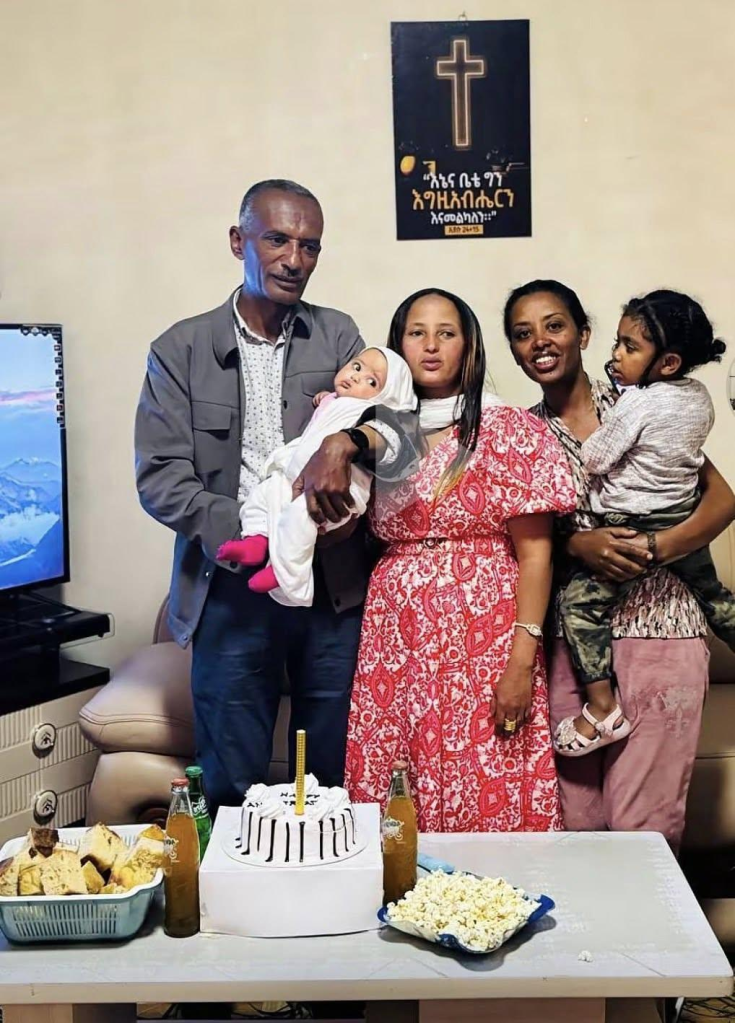
For Our Comrade:A Commentary on Triumph Through the Storm
By Dhabessa Wakjira
Sometimes, the most profound stories of triumph are not told on public stages or captured in headlines. They are whispered in quiet prayers of gratitude, wrapped in the simple, seismic words: “You made it.”
A recent, poignant social media tribute captured this essence perfectly. Dedicated to a brother named Masfin Ittaanaa on his child birthday, it read: “Haadhoo koo, Masfin Ittaanaa, baga Waaqayyo guyyaa kanaan si gahe; rakkoo fi dararaa san keessa dabartee guyyaa gammachuu kana gahuu keetti hedduun gammade. Waaqayyo haa galatoomu!”
Translated, it is a powerful ode: “My brother, Masfin Ittaanaa, thank God you have reached this day; having passed through that hardship and pain to arrive at this day of joy, I am so happy. Thank God!”
This is more than a birthday wish. It is a testimony. It is a eulogy for struggles endured and a celebration of survival won. In its brevity, it lays bare a universal truth about the lives of countless brothers and sisters, particularly those who have navigated the turbulent waters of displacement, conflict, or profound personal sacrifice.
The message does not name the “rakkoo fi dararaa” – the hardship and pain. It doesn’t need to. Their shadow is present in the brilliant light of the joy that followed. This intentional silence is respectful; it acknowledges that some battles are too sacred, too deeply carved into a person’s soul, to be itemized for public consumption. What matters is the outcome: he passed through. The imagery is not of avoiding the storm, but of walking directly through its core and emerging, scarred but standing, on the other side.
This reframes the celebration. The joy of the day is not merely the marking of another year, but the honoring of a journey. The birthday becomes a monument to resilience. Every laugh shared, every bite of cake, every gathered family member is a victory flag planted on the hard-won ground of survival.
And at the heart of it all is the child, witnessing. “Hedduun gammade” – “I am so happy.” This happiness is layered with relief, awe, and a depth of love that only comes from having seen the cost. It is the happiness of a witness who understands the price paid for the peace they now enjoy.
Finally, the closing prayer, “Waaqayyo haa galatoomu!” – “Thank God!” – roots this personal triumph in a larger frame of grace and faith. It speaks to a worldview where survival is not solely an individual’s toughness but also a manifestation of divine favor or ancestral strength, a shared burden and a shared deliverance.
In our culture of highlighting only the polished, perfect outcomes—the success without the struggle—this tribute is a necessary correction. It honors the process as much as the result. It reminds us that the most deserving celebrations are often for those who have weathered silent storms.
So, to all the Masfin’s, the brother and father who have dabarte—passed through—we offer more than birthday greetings. We offer our deepest recognition. Your joy is not a simple emotion; it is a testament. Your survival is our inheritance. And your arrival at this day, against all odds, is perhaps one of the most powerful definitions of victory we will ever know.
Galatoomaa. Waaqayyo haa galatoomu.
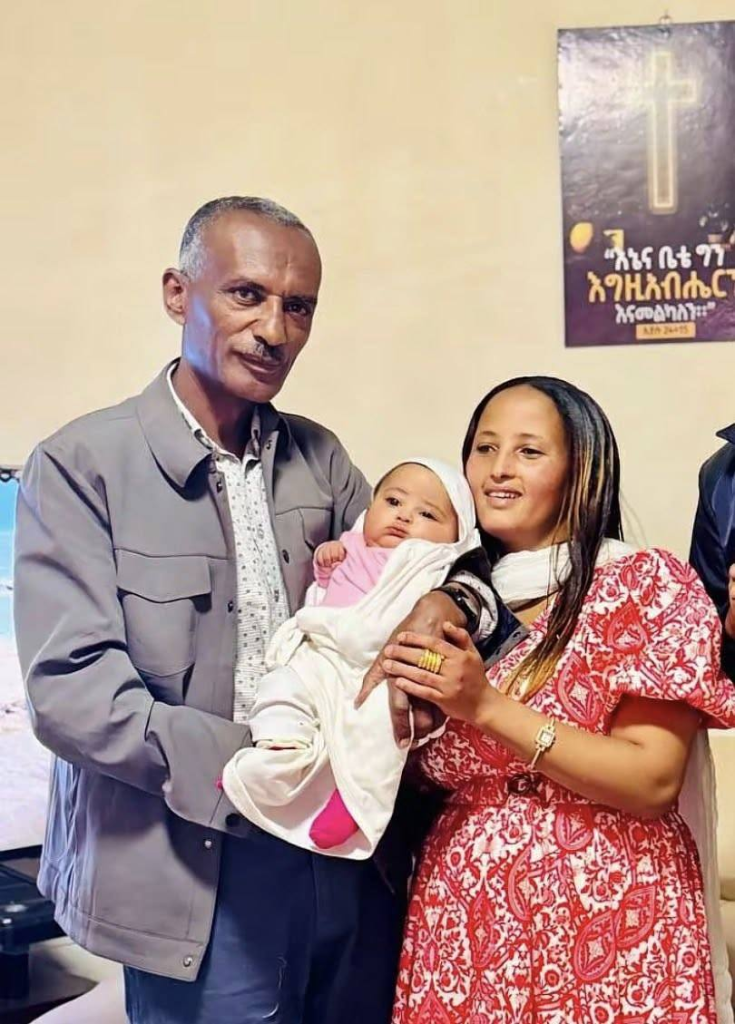

Resilience Amidst Cold: A Celebration of Community and Joy

Finding Warmth in the Cold: A Commentary on Resilience, Home, and Defiant Joy
By Maatii Sabaa
In a world saturated with curated perfection, a birthday post from Minnesota activist and community figure Najat-Sakayyee Hamza offered something more substantive: a masterclass in nuanced resilience. Her message, shared on her birthday, was not a simple scroll-past celebration. It was a layered reflection on holding personal joy and communal concern in each hand, and finding the unique strength of home in a seemingly inhospitable climate.
The opening – “Another year around the sun, alhamdulillah” – grounds the moment in gratitude, a spiritual acknowledgement of life’s journey. The tease of “exciting news” regarding personal growth is the kind of forward-looking energy that fuels us. But Hamza immediately pivots, refusing to let her personal milestone exist in a vacuum. She names the elephant in the room: “the current situation in our country and state,” a veiled but clear reference to the political tensions and divisions that grip both Minnesota and the nation. In doing so, she elevates her message from the personal to the communal.
This is where her insight deepens. “We cannot allow them to steal our joy & happiness,” she declares. This is not naïve optimism; it is a strategic, defiant act. In an age where anxiety is a default setting, choosing joy becomes a radical form of resistance. Her definition of resilience is poetic and powerful: “standing still in face of the storm and coming out of it better.” It’s not about avoiding the storm, nor being blindly battered by it. It’s about a rooted, unwavering presence that allows for transformation.
Then, she turns to her love letter to Minnesota. It’s a rebuttal to the perennial question posed to those in the Upper Midwest: “Why would you stay in such a cold place?” Her answer transcends climate. “There is a warmth to Minnesota only we know & experience,” she writes, “not even harsh winters can defeat.” This “warmth” is the secret ingredient. It’s not the temperature; it’s the tangible sense of community, the shared grit, the unspoken understanding between neighbors who shovel each other’s driveways and show up for each other in crises. It’s the #MinnesotaStrong ethos—a toughness forged in blizzards that translates into civic solidarity.
Hamza’s final note, “We know, this too shall pass & we will overcome it,” applies as much to a personal struggle, a political winter, or an actual February freeze. It’s the quiet, collective faith of a people accustomed to long winters but utterly confident in the eventual spring.
Najat-Sakayyee Hamza’s birthday reflection is more than a personal update. It’s a micro-manifesto for our times. It argues that true strength lies in the ability to acknowledge darkness while kindling a personal light, to feel the bite of the cold while cherishing the profound warmth of community. In celebrating her own journey, she inadvertently charted a map for communal perseverance: find your anchor in gratitude, defend your joy as an act of will, and draw your warmth from the people around you. That’s a wisdom worth celebrating, in any season.

Celebrating Oromo Identity: A Grand Wedding Ceremony

Headline: “Ayyaana!”: Oromia Celebrates a Grand Wedding, Reaffirming Identity, Culture, and the Gadaa Spirit
Sub-headline: A vibrant ceremony blends ancient wisdom, modern success, and a powerful message to the youth to carry the torch forward.
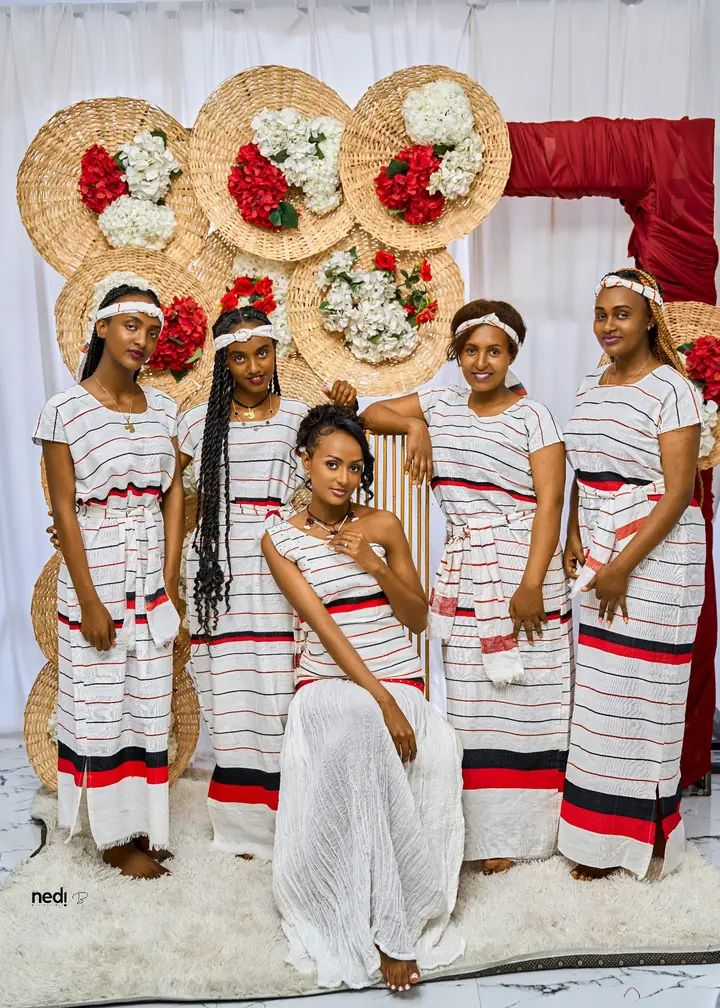
[Finfinne/Oromia, Ethiopia] – In a resplendent celebration that echoed the profound wisdom of Oromo tradition, a recent grand wedding ceremony became more than a union of two individuals; it was a vibrant declaration of cultural identity, generational continuity, and communal strength. Underpinning the festivities was the timeless Oromo proverb, “Ilmi gahee haafuudhu, intalli geesse haa heerumtu” (Let the son who brings the inheritance flourish, let the daughter who carries forward the lineage be married), a core tenet of the Gadaa system.
The ceremony honored this wisdom twofold. The bride, celebrated for safeguarding and embodying Oromo customs and heritage, was heralded for bringing the “Ayyaana”—the blessing, fortune, and sacred celebration—to her family and community. “Our daughter held fast to our culture and presented us with this ‘Ayyaana.’ We are grateful,” expressed family elders, their words reflecting deep cultural pride.
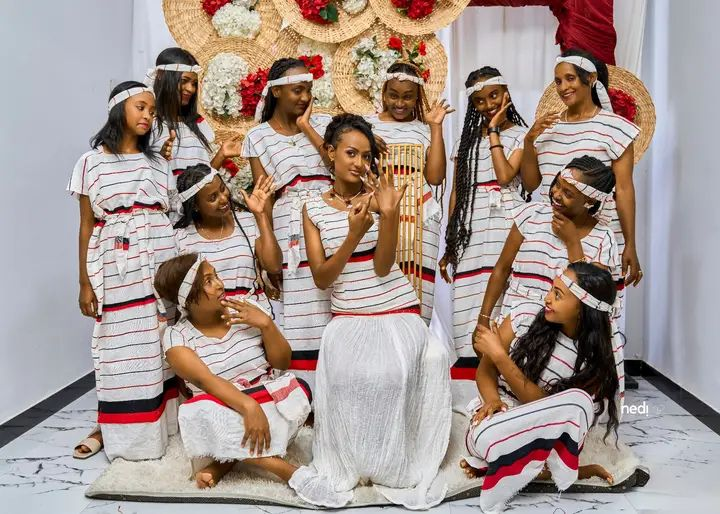
Similarly, the groom was praised not only for his personal achievements but for embracing the “Heera ayyoo”—the laws and wisdom of the fathers—and winning the heart of the community. He stood as an example of one who has honored his own family and now enriches the family of his bride.
The event was a masterful tapestry of Oromo Aadaa (culture) and Duudhaa (tradition). Guests adorned in traditional attire, the rhythmic beat of keerroo (drums), and the melodic flow of geerarsa (praise songs) transformed the venue into a living canvas of Oromo heritage. The message to the younger generation was clear and powerful: “Strengthen this beautiful and beloved system. Carry it forward together,” a call for unity in preserving their unique way of life.
The celebration extended heartfelt gratitude to all attendees—family, friends, respected community members, and leaders—whose presence amplified the joy. A special acknowledgment was made to those who supported from afar, with wishes for their blessings in the future.
The joyous atmosphere was captured in a closing benediction: “Waaqni Uumaa Uumamaa haa galatoomu!” (May the Creator of all creation be thanked!). The sentiment of shared happiness was encapsulated in the words, “Martinuu akkuma keenya gammadaa” (Let the bride and groom rejoice as we do).
The ceremony was officiated and blessed by Abbaa Sabboontuu Brs. Inkoosaa Namoo alongside harmee Sabboontuu Barsistu. Geexee Fiixaa, signifying a blessing rooted in both spiritual and communal authority.
This wedding stands as a powerful testament to the resilience and dynamism of Oromo culture. It demonstrates that far from being a relic of the past, the wisdom of the Gadaa system provides a living framework for celebrating life, fostering strong communities, and guiding future generations with pride.

Evaluating Current Conditions: OLF Leadership Addresses Crisis Points

Headline: OLF Leadership in Capital Region Holds Urgent Summit to Assess “Current Conditions”
Sub-headline: Closed-door meeting in Gullalle evaluates domestic turmoil, Oromo national issues, and volatile Horn of Africa politics.
Finfinne, Oromia – [AMAJJII 26, 2026] The Political and Organizational Wing of the Oromo Liberation Front (OLF) has convened a critical summit for its leadership cadres operating within the Addis Ababa (Finfinnee) and Sheger City administration. The meeting, framed as an assessment under “current conditions,” was called to deliberate on a pressing array of national and regional challenges.
The high-level gathering took place on AMAJJII 24, 2026, at the OLF’s Gullalle Branch Office. It brought together OLF officials who hold organizational duties in the capital region, a key political and symbolic center for Oromo political activity.
According to sources close to the proceedings, the closed-door deliberations focused on three interconnected crisis points:
- The Prevailing Political and Security Situation in Ethiopia: Leaders analyzed the nation’s deepening instability and its implications for political strategy.
- The Condition of the Oromo People and Oromia: A central, urgent topic was the assessment of the socio-political and security circumstances facing the Oromo population within Oromia regional state, a longstanding core issue for the OLF.
- The Current Political Climate in the Horn of Africa: Discussions also covered the rapidly shifting regional geopolitics and its impact on the Ethiopian and Oromo political landscape.
The meeting was chaired by senior figures from the OLF’s Central Committee and its political wing, identified as Jaal Amaan Filee and Jaal Gammachiis Tolasaa. These officials presented detailed briefings on the summit’s core agenda items, framing the discussions for attending members.
Participants actively engaged, presenting analyses and raising strategic questions, leading the organizers to declare the summit “successful and productive.” The convening of such a focused meeting highlights the OLF’s attempt to consolidate its internal position and refine its response to a period of intense national uncertainty.
The holding of this summit in the capital is particularly significant, indicating an effort by the party’s leadership core to coordinate strategy from a central locus of power and information. While no public statement or resolution has been issued following the meeting, political observers note that such consultations often precede major strategic decisions or public declarations by the party.




 Advocacy for Oromia