Oromo Diaspora’s New Year Affirmation: ‘We Are Here!’
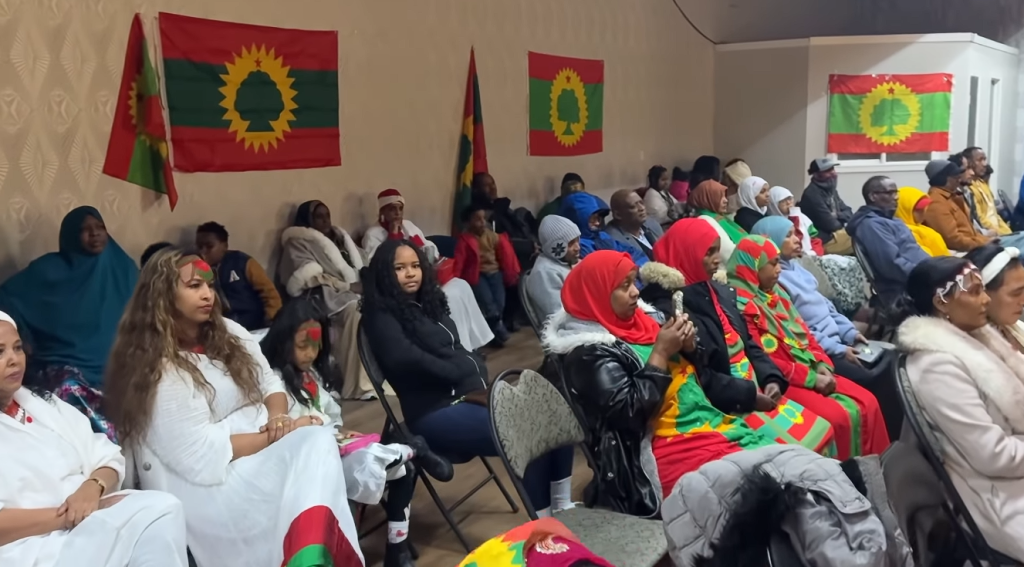
Feature Commentary: “Ni Jirra!” – The New Year’s Covenant in Edmonton
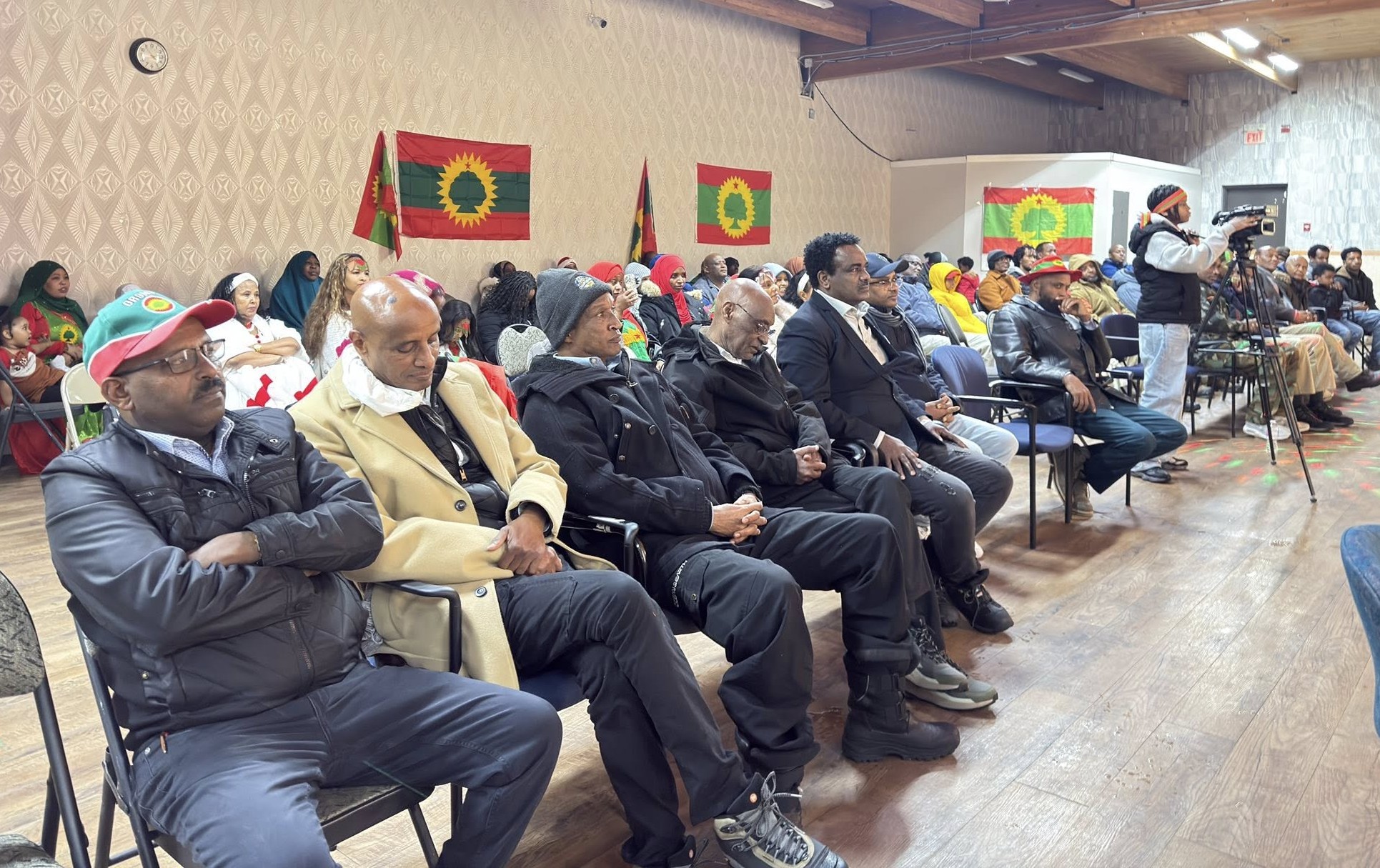
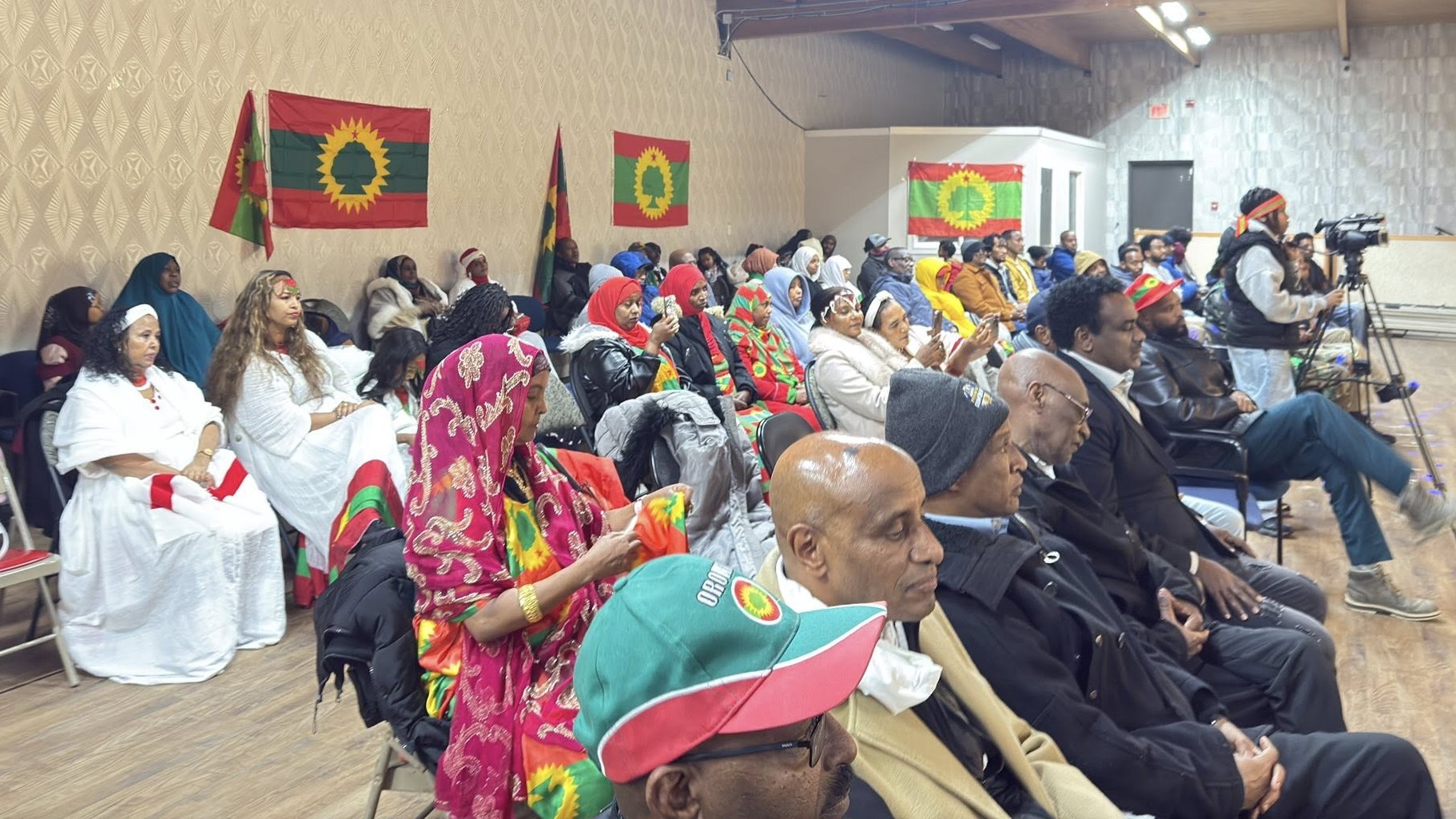
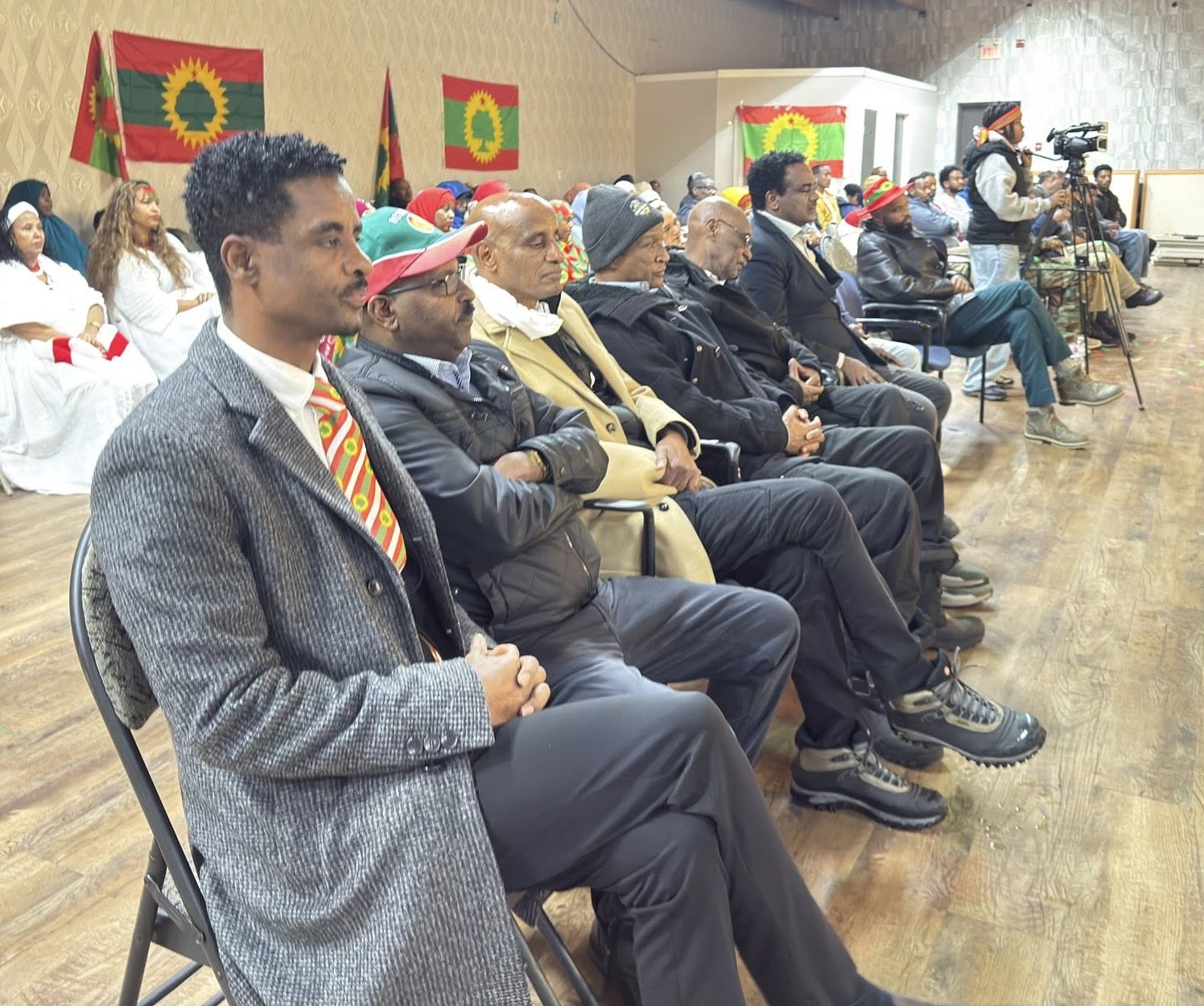
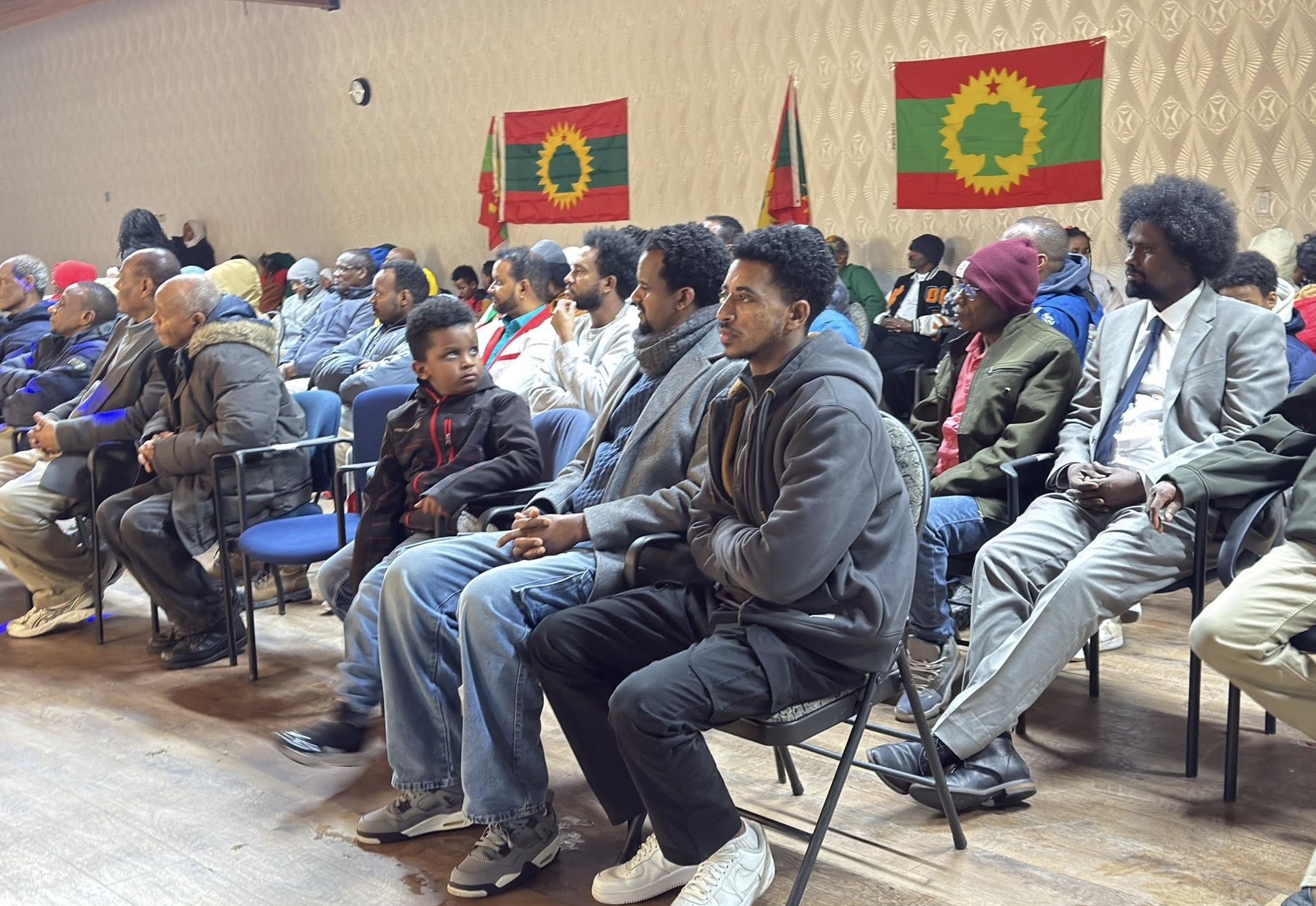
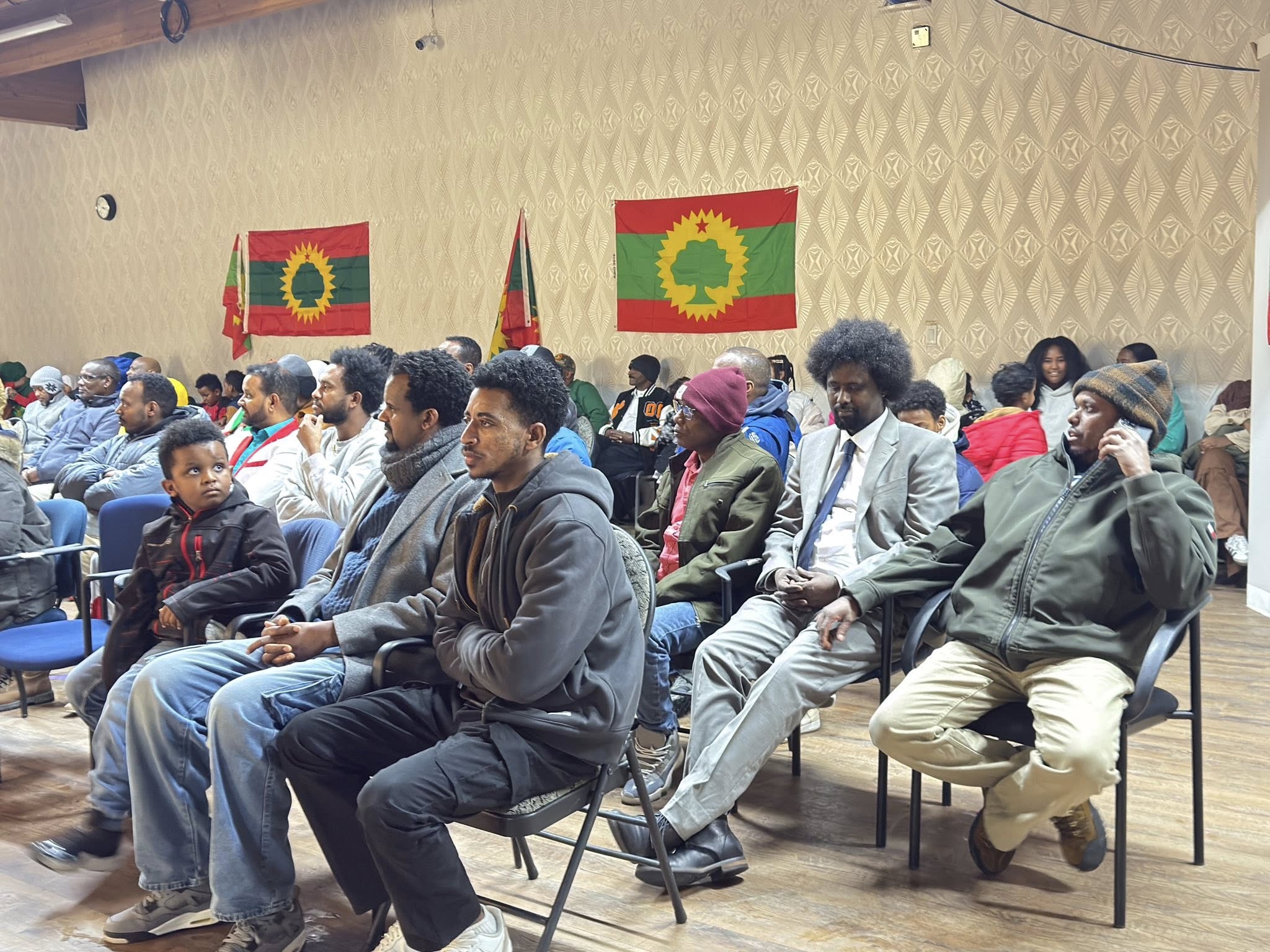
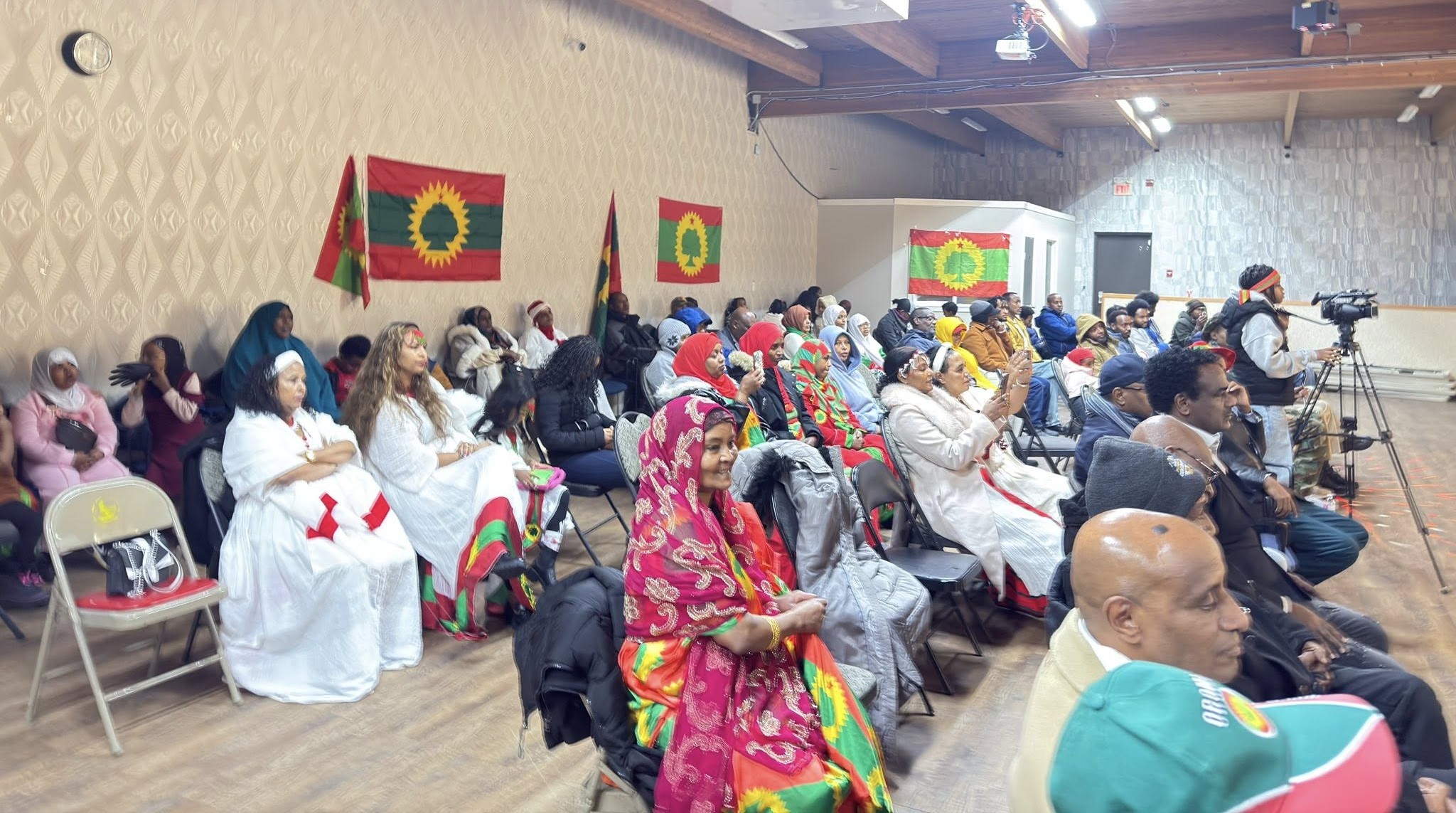
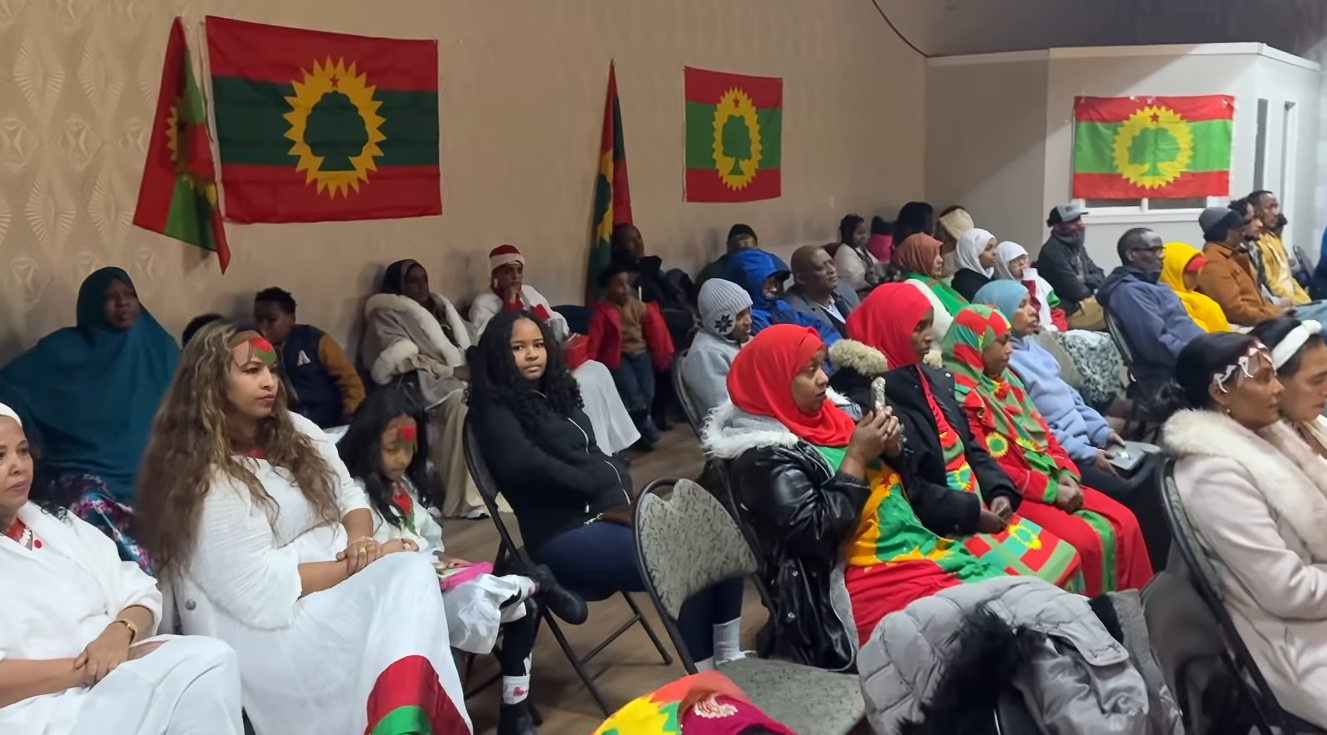
EDMONTON, ALBERTA — In a community hall thousands of miles from the Oromian highlands, a simple, powerful declaration resonated among the gathered Oromo diaspora this past week: “Ni jirra!” “We are here!”
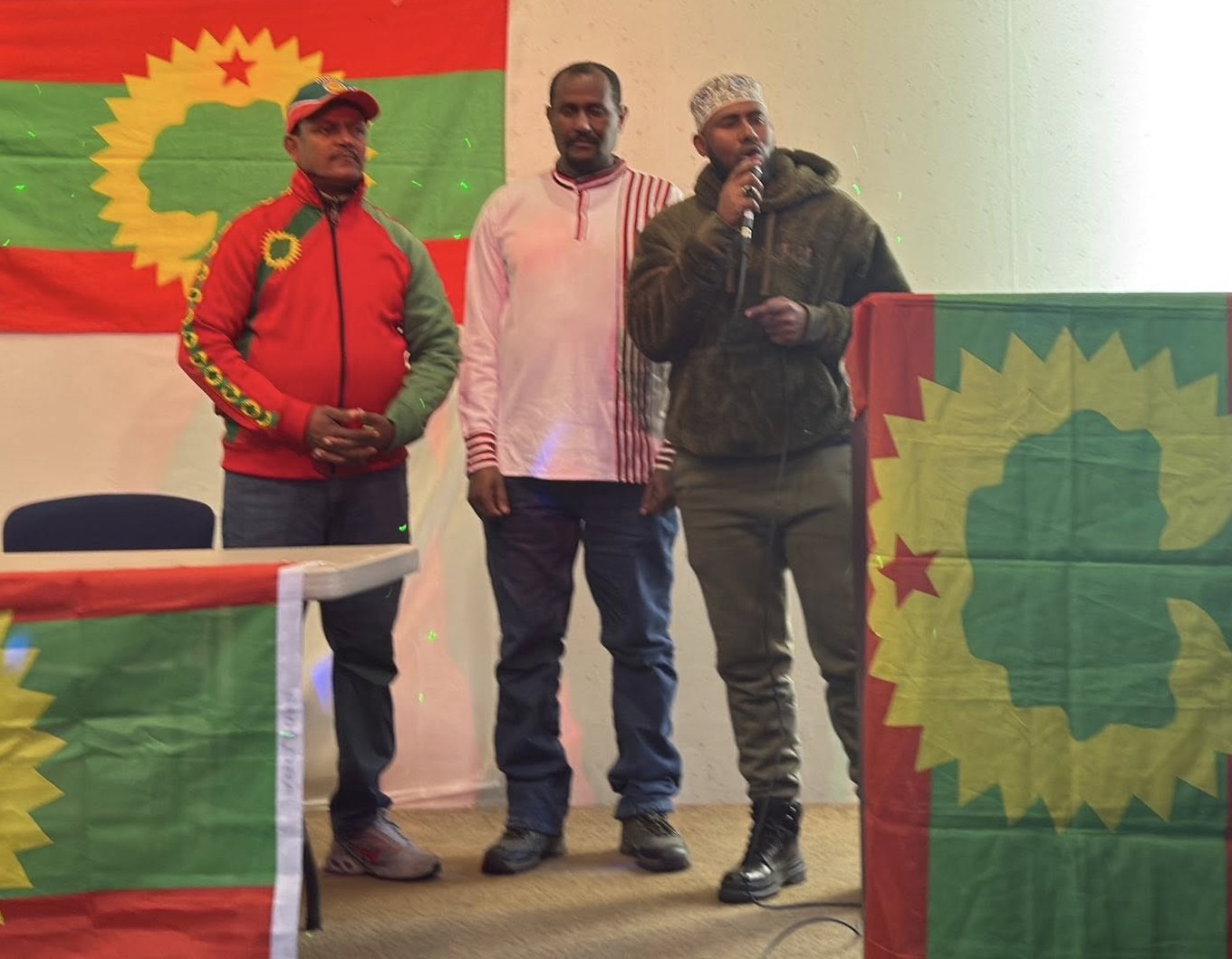
The occasion was the celebration of the Oromo New Year, Amajjii 1, 2026, and World Brotherhood Day (WBO), organized by the Oromo Liberation Front (OLF) chapter in Edmonton. But this was far more than a cultural festival. It was a strategic affirmation, a renewal of vows, and a conscious act of political endurance in the long winter of exile.
The ceremony’s significance was amplified by the distinguished presence of Jaal Dhugaasaa Bakakkoo, a senior OLF leader and a foundational figure in the WBO movement. His attendance was not merely ceremonial; it was a symbolic bridging of generations and geographies. It connected the grassroots organizational work in the diaspora directly to the historical leadership of the struggle, reminding attendees that their gatherings in Edmonton are not isolated events, but nodes in a global network of resistance.
The core of the event, however, transcended any single individual. As the commentary notes, the celebration focused intensely on “jabeenya jaarmiyaa”—the strength of the institution. This is a critical, mature evolution in diaspora political consciousness. The discussions and shared reflections (yaada ijaaraa waliif qooduu) were not just about grievances or nostalgia, but about organizational resilience, strategic continuity, and the mechanisms required to sustain a liberation movement across decades and continents.
The meticulous preparation of the program itself was framed as a direct, tangible contribution to the struggle. Organizers were thanked explicitly for ensuring that “deeggarsii fi tumsi qabsoo bilisummaa akka itti fufiinsa argatu”—that “support and sustenance for the freedom struggle continues to receive continuity.” Every detail, from the logistics to the speeches, was thus imbued with political purpose. It transformed community work from social activity into a vital supply line for a distant war of liberation.
This context makes the attendees’ declaration—“Qophii akkanaa qopheessuun ‘ni jirra!’ jechuun hojii boonsaa fi itti fufuu qabuu dha”—so profoundly meaningful. They stated: “By organizing such programs, saying ‘we are here!’ is a duty and a task that must continue.”
Here, “Ni jirra!” operates on three levels:
- Existential: We, as a people and a national project, persist. We have not been erased.
- Geopolitical: We are present and active in this Canadian city, maintaining our identity and mission.
- Institutional: The OLF, as the vehicle of our aspirations, is alive, functioning, and organizing here.
In the vastness of the Canadian prairie, this declaration is a defiant act of presence. It counters the forces of assimilation, the fatigue of a long struggle, and the sheer physical distance from the homeland. The Edmonton celebration demonstrated that for the Oromo diaspora, cultural preservation and political mobilization are inseparable. Celebrating Amajjii is an act of memory; organizing it under the OLF banner is an act of future-making.
The message from Edmonton is clear: The new year is not just a change in calendar, but a renewal of contract. The diaspora’s role is not passive waiting, but active institutional maintenance. Their prayer is not just for a good year, but for a stronger organization. Their declaration, “We are here,” is the essential, unwavering foundation upon which the dream of “being there”—in a free Oromia—ultimately depends.

Posted on January 4, 2026, in News. Bookmark the permalink. Leave a comment.




 Advocacy for Oromia
Leave a comment
Comments 0