Daily Archives: January 5, 2026

Karrayyu Jila: A Cultural Ceremony of Continuity
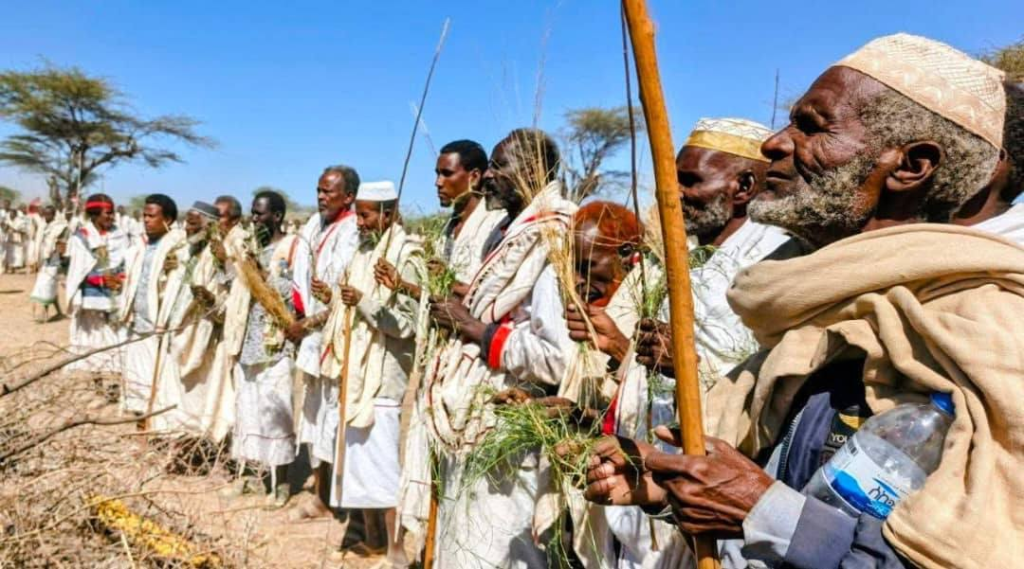
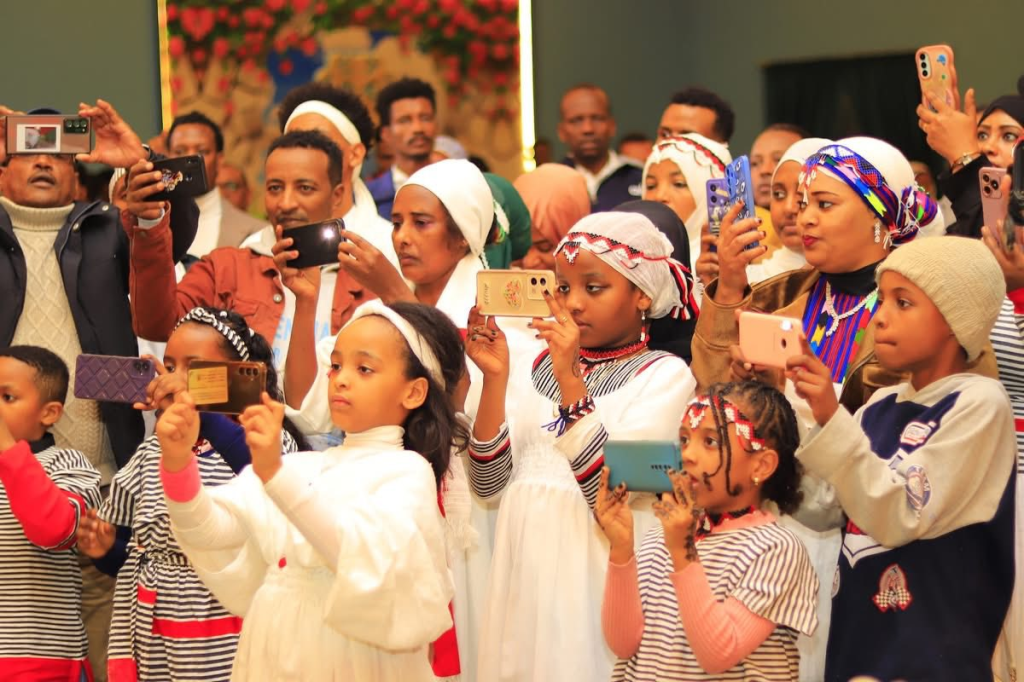
A Window into Continuity: The Karrayyu “Jila” Ceremony and the Passing of a Sacred Covenant
The report from the Karrayyu community offers a profound glimpse into a living tradition, where the ancient and the contemporary intersect in a ceremony of deep cultural and spiritual significance. At its heart, this is a story of covenant, continuity, and the careful orchestration of communal responsibility.
The Central Act: A Sacred Transfer of Responsibility
The core event is the “Jila,” a cornerstone Gadaa ceremony for the Karrayyu. The focal point is the transfer of the sacred “Baallii” (often a wristband or a strip of leather) from Abdoo Gobbee to a young boy, Arbooyyee. This is not a simple gift; it is the symbolic passing of a sacred duty. The Baallii represents a covenant—a promise and a responsibility that is now entrusted to the next generation. The fact that it is given to a 10-year-old boy, with the instruction to prepare for a ceremony two years hence, illustrates the Gadaa system’s precise, long-term pedagogy. Leadership and spiritual stewardship are cultivated from childhood.
The Community in Concert: A Symphony of Roles
Perhaps the most powerful aspect of the report is its detailed depiction of communal mobilization. The ceremony is not just about the principal actors (Abdoo Gobbee and Arbooyyee) or the political leaders (Warri Aangoo). It is a societal undertaking:
- The Elders (Jaarsi Hawaas): They are the temporal custodians. Their role in passing the Baallii after six years and overseeing the final covenant (waadaa) is crucial. They bridge the human and the divine, ensuring protocols are followed.
- The Administrators (Bulchiinsa): They handle logistics and governance, ensuring the event’s structure aligns with both tradition and practical necessity.
- The Families and Community Members: Their duties are vividly enumerated: purchasing finery (fiinoo/fiingee), building temporary structures (mana godhata), preparing sacred food and drink (nyaataafi dhugaatii ayyaanaa), and contributing livestock (bokkuu murata). This list transforms the ceremony from an abstract ritual into a tangible, collective project.
The Ultimate Purpose: Peace, Blessing, and Stability
The final goals of this immense effort are unequivocally stated: to ensure peace (nagaan), blessing (araaraan), good governance (bulchu), and national stability (biyya tasgabbeeffachuu). The Jila is, therefore, not a retrospective festival but a proactive, spiritual investment in the future. The community, through prescribed roles and shared labor, participates in a ritual act intended to generate cosmic and social harmony. The “irreessa fuudha” (taking of the covenant) is the solemn moment where these collective efforts are sanctified.
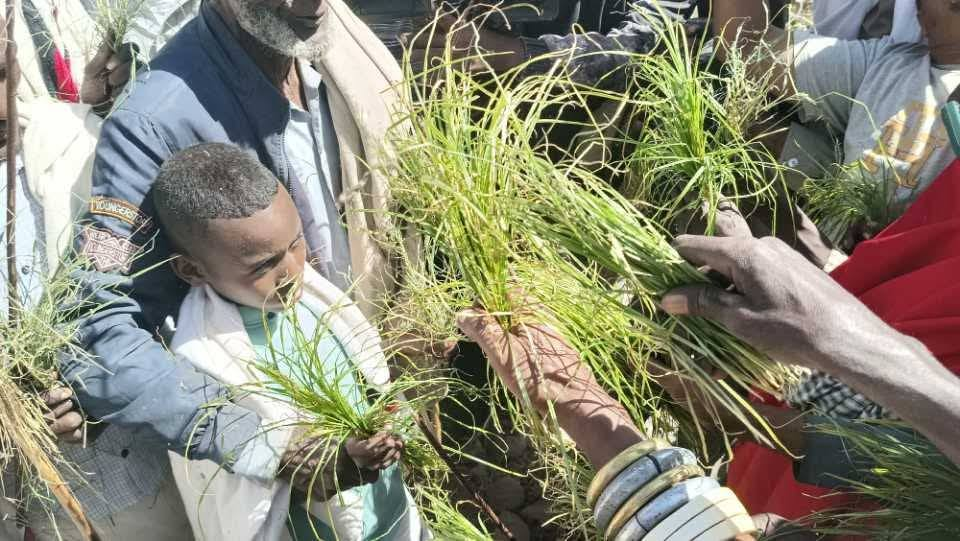
A Living System in a Modern World
The text, signed by [Abba Ebba] (a Gadaa title), stands as a testament to the resilience of the Gadaa system. It functions as both a sacred script and a community bulletin. In one frame, it records a timeless ritual transfer; in another, it actively coordinates modern logistics—from shopping for clothes to managing resources. This duality is its strength. The Karrayyu are not merely performing a relic; they are dynamically applying their constitutional system to administer a ceremony designed to secure their wellbeing for another cycle.
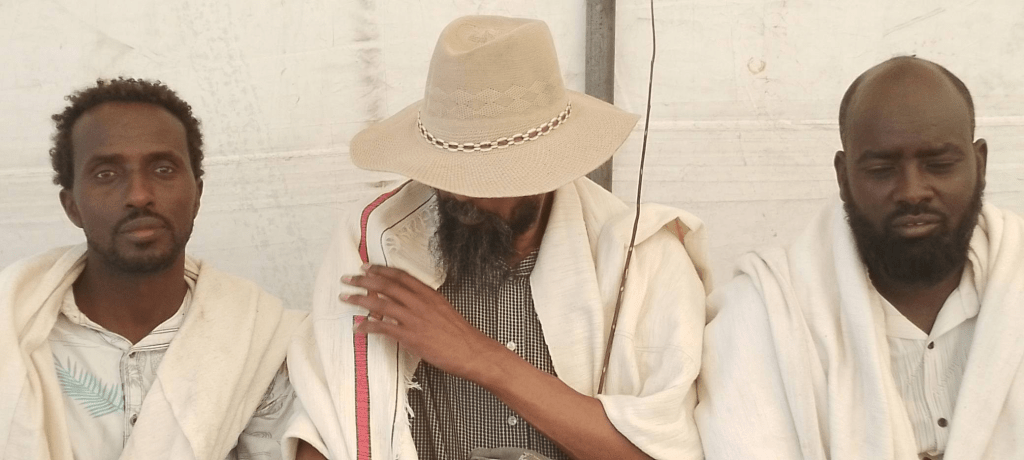
In conclusion, this brief report opens a window onto a world where governance, spirituality, social duty, and art are inseparable. The passing of the Baallii from an elder to a child is the seed; the meticulously organized labor of the entire community is the soil that allows the ancient tree of Gadaa to bear fruit once more—fruit intended to be peace, blessing, and stability for all.
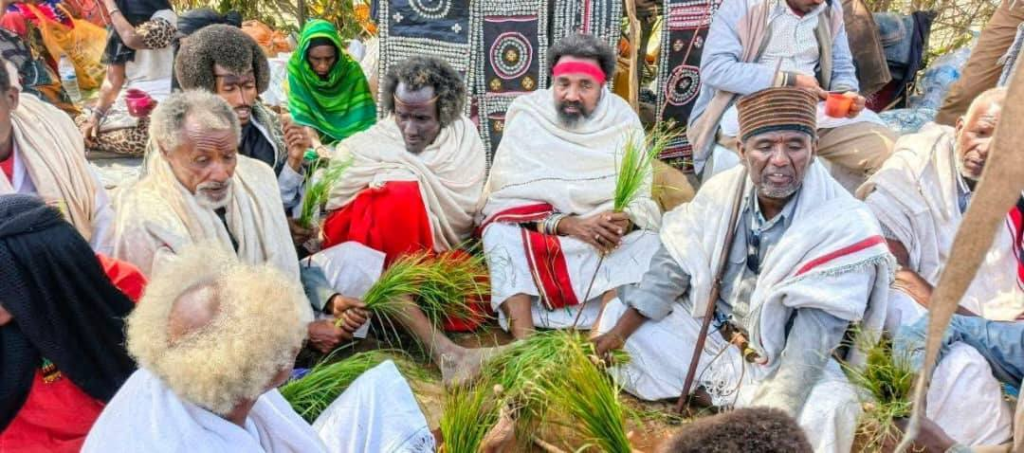

New Year’s Message: Oromo Youth Demand Freedom
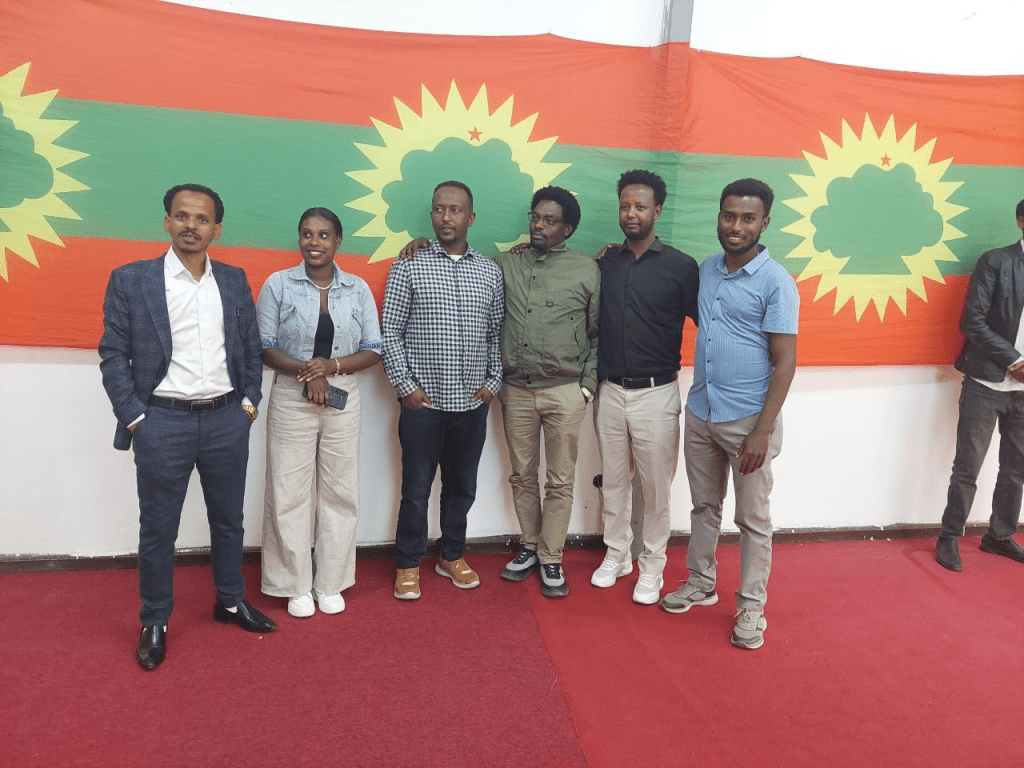
Feature News: A New Year’s Covenant – Oromo Youth Pledge Action to Fulfill “The Price of Freedom”
As the Oromo community worldwide celebrated the dawn of a new year, a powerful and solemn pledge emerged from its youth vanguard, framing the occasion not just as a celebration, but as a moment of collective accounting and renewed commitment.
In a statement reflecting the spirit of the season, representatives of the Oromo youth movement affirmed their core aspirations: “Our hope is for the freedom, dignity, peace, and security of our people.” This declaration, however, was immediately coupled with a stark acknowledgment of responsibility. They stated they stand firmly “under the vanguard of the Qeerroo Bilisummaa Oromoo (QBO), which is led by the OLF,” ready to shoulder the burden required to make that hope a reality.
The most striking element of their message was the concept of a debt to be paid. “To fulfill that hope… we have paid and will continue to pay the necessary price,” the statement read. This “price” is understood as the immense sacrifices—lives lost, freedoms curtailed, and years of struggle—endured by the Oromo people throughout generations of what they term “the darkness of subjugation.”
The message transforms New Year’s optimism into a blueprint for action. It positions the coming year not as a passive waiting period, but as an active campaign to “lead our people from the darkness of subjugation into the light of freedom.” This imagery powerfully defines their political struggle as a journey toward enlightenment and liberation.
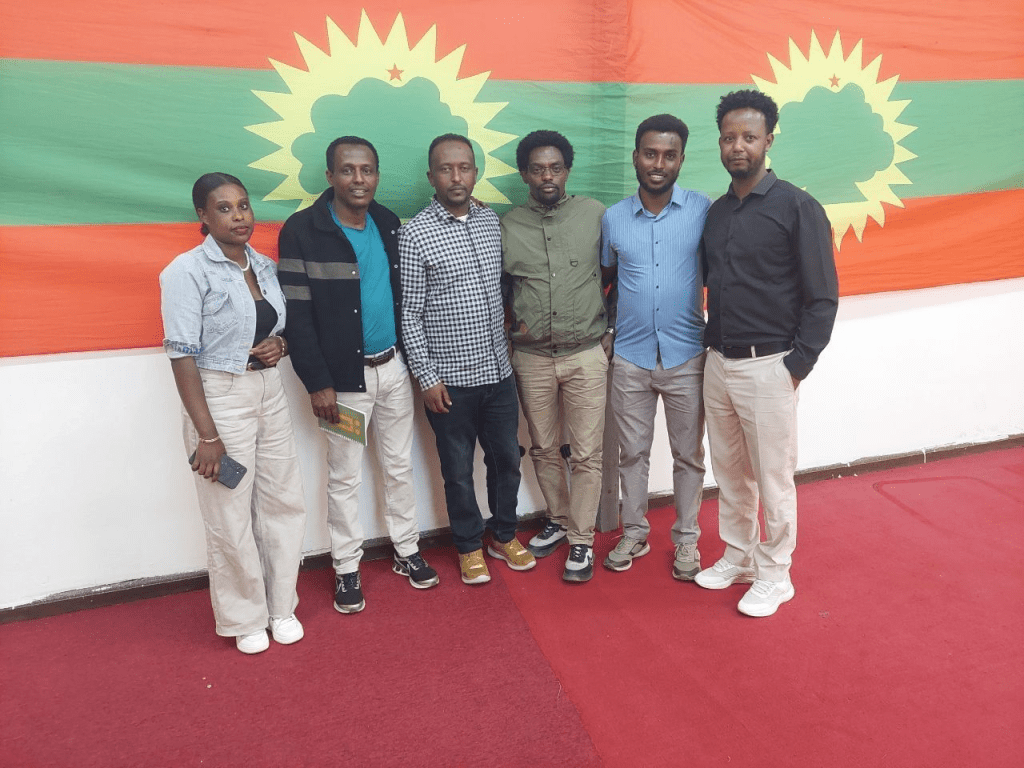
The closing acclamations—“Long live the OLF! Victory is for our people!”—root this forward-looking energy in the existing political structure and collective identity. It confirms the QBO’s alignment with the Oromo Liberation Front’s historical mission while placing the agency for the final push squarely on the shoulders of the mobilized youth.
Analysts see this statement as a significant articulation of the movement’s current phase. It moves beyond protest and resistance toward a language of fulfillment and debt settlement. The youth are not just asking for freedom; they are announcing their intention to actively “pay for it” through continued struggle and sacrifice, seeing themselves as the executors of a long-held national promise.
The feature of this news is its encapsulation of a pivotal mindset: the Oromo New Year has become a time to audit the balance sheet of the struggle. The hopes are the credit; the sacrifices are the debit. The message from the youth is clear—they are committed to closing the ledger, whatever the cost, until the account of freedom is settled. The journey from darkness to light, they assert, is a bill they are prepared to pay in full.

Celebrating Oromo Resilience: Lessons from Washington D.C.

Feature Commentary: The Covenant Renewed – How a Washington D.C. Celebration Forged a Blueprint for Continuity
On the surface, the gathering by the Washington D.C. chapter of the Oromo Liberation Front (OLF-Konyaa) was a familiar ritual: the commemoration of Oromo Liberation Army (WBO) Day and the celebration of Amajjii, the Oromo New Year. Yet, within the traditional prayers (eebba), speeches, and shared resolve, a powerful and sophisticated blueprint for the struggle’s future was being articulated—one that skillfully wove together gratitude, clear-eyed assessment, intergenerational blessing, and a philosophy of endurance.
The ceremony, opened by the spiritual invocation of veteran leader Jaal Qaxalee Waaqjiraa, immediately grounded the political in the spiritual. His thanksgiving prayer, “We thank God who, after years of wandering, has brought us here,” was profoundly layered. It acknowledged a journey—a long, arduous “wandering” of exile, displacement, and conflict—while celebrating the “here”: a community intact, organized, and capable of gathering in defiance of that very displacement. It framed the present not as an endpoint, but as a providentially granted platform, creating a sense of both debt and opportunity.
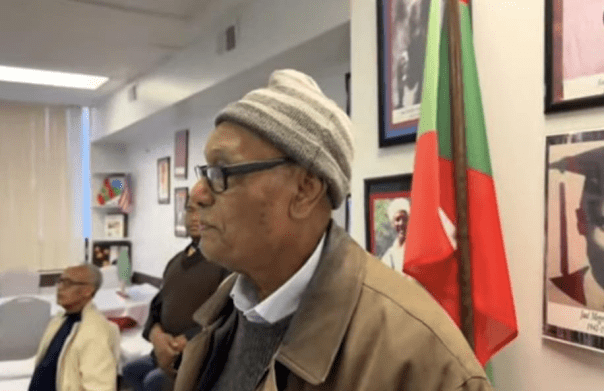
This spiritual framing set the stage for a starkly realistic assessment from chapter chairperson Jaal Bilisummaa Tasgara. By openly detailing “the current situation of the struggle,” he performed a crucial act of transparency. There was no empty triumphalism. Instead, there was a communal acknowledgment of the “complex and difficult” (ulfaataa) reality. This honesty is the bedrock of trust and mature mobilization. It prevents disillusionment and transforms collective understanding from a source of despair into a foundation for strategic perseverance. As he noted, the day was both a “day of mourning and celebration,” a duality that honestly captures the Oromo condition—grieving the fallen while celebrating the unbroken spirit.
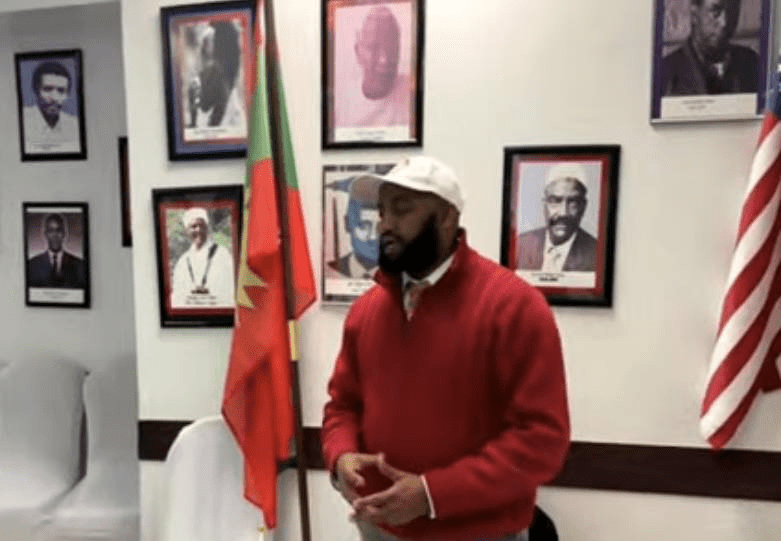
From this realistic ground sprang the core directive: “Our people must become stronger and more resilient.” This was not a vague wish but a clear, operational imperative. The call for jabeenya (strength) and ijaarsa (building/construction) shifts the focus from merely reacting to oppression to proactively building communal, institutional, and personal fortitude. It answers the “how” of continuing in a difficult phase.
The most poignant moment of strategic continuity was the virtual participation of legendary elder Jaal Dhugaasaa Bakakkoo. His Zoom presence was a powerful technological bridge across time. By thanking him for his “guidance and perseverance,” the assembly did more than honor a hero; it ritually drew a line of legitimacy and tactical wisdom from the founding generation directly into the present. It signaled that the current path is not a divergence but an inheritance, blessed by those who laid the first stones.
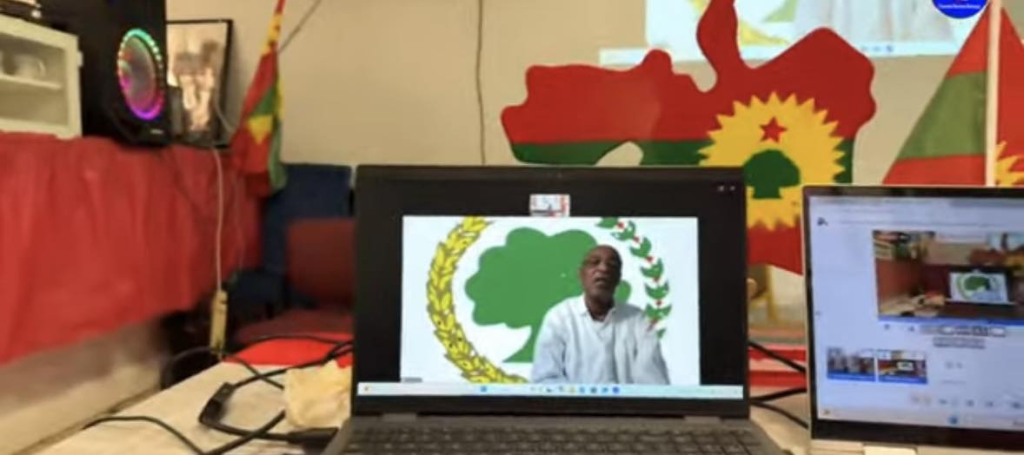
This synthesis of elements reveals a sophisticated political culture. The event masterfully connected:
- Spiritual Legitimacy (Eebba) with Political Analysis.
- Honest Acknowledgment of Hardship with a Call for Proactive Strength.
- Reverence for the Past with a Practical Roadmap for the Future.
The closing reflection, “Our struggle is alive and will continue to be remembered as one with a clear direction and sustainable objective,” is thus not a hopeful slogan but a conclusion drawn from the evening’s architecture. They have defined “alive” not as mere existence, but as the state of being guided, united, building strength, and connected to one’s source.
The Washington D.C. celebration, therefore, was a masterclass in sustaining a liberation movement in the long haul. It moved beyond mere remembrance into the realm of active stewardship. It showed that the covenant of struggle is renewed not by ignoring the present cost, but by confronting it with faith, honesty, unity, and an unwavering commitment to building the resilience needed to see the journey through. The message was clear: the wandering has brought us to this point of clarity. Now, we build, we endure, and we march, strengthened by the very weight of the journey itself.

Strengthening the Oromo Struggle: A Generational Charge

FEATURE NEWS: “Steadfastness Is Our Leaders’ Mark” – A Legacy Charge from Veteran Oromo Fighter Jaal Dhugaasaa Bakakkoo
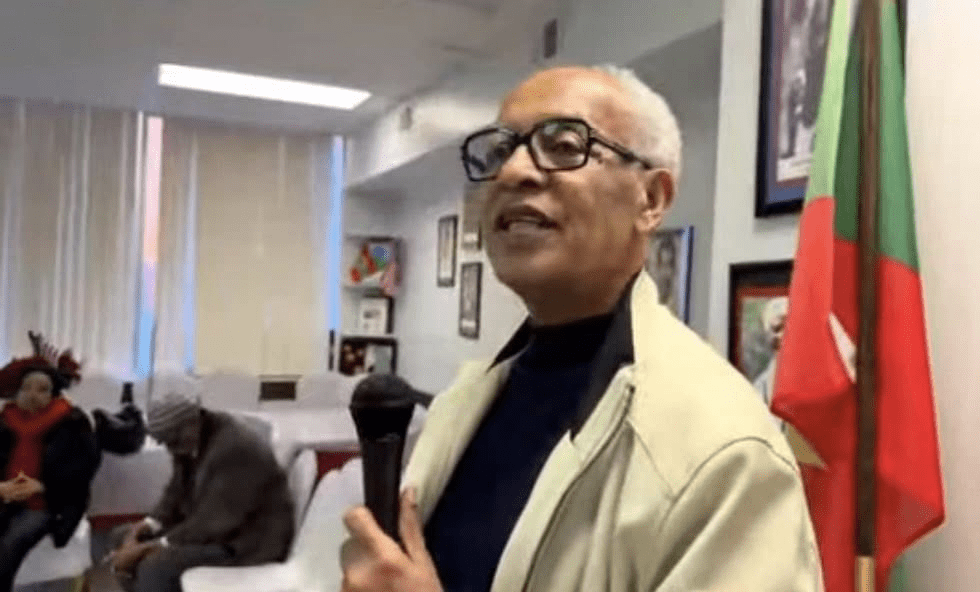
A powerful and symbolic passing of the torch was highlighted this week as activist Raajii Gudeta Geleta shared a personal charge received from revered Oromo elder and liberation stalwart, Jaal Dhugaasaa Bakakkoo. The message, simple yet profound, cuts to the core of the movement’s enduring philosophy: “Strengthen yourself for the goal you stand for. Do not let this trust (amaanaa) wither.”
The directive, shared by the activist, transcends mere encouragement. It is framed as a sacred covenant between the generations of the struggle. Jaal Dhugaasaa, a former senior executive of the Oromo Liberation Army (WBO/OLA) and a foundational figure in the Oromo Liberation Front (OLF), is seen as a living repository of the movement’s history and its original kaayyoo (objective). His words are therefore treated not as casual advice but as a veteran’s strategic and moral bequeathal.
“This trust (amaanaa) is the entire struggle itself,” explained Raajii Gudeta in contextualizing the message. “It is the sacrifice of those who came before us, the dream of freedom they carried, and the responsibility they placed in our hands. When Jaal Dhugaasaa says ‘do not let it wither,’ he is speaking to every Oromo, especially the youth, to guard the purity and focus of our objective.”
The activist’s commentary elaborated further, emphasizing the non-negotiable direction of the journey. “The starting point and destination of the Oromo struggle—sovereign statehood—is not something that turns back until it is realized.” This statement reinforces the movement’s foundational claim to self-determination and dismisses any notion of tactical retreat from its ultimate goal.
Most striking was the framing of resilience itself as a defining leadership trait. “Steadfastness (cephoominni) of the Objective is the hallmark of our leaders,” Raajii Gudeta stated. In a political landscape often marked by fragmentation and shifting allegiances, this highlights an internal metric for legitimacy within the community. True leadership, by this measure, is defined not by fleeting popularity but by unwavering fidelity to the kaayyoo, even under immense pressure.
The event underscores a recurring theme in Oromo political discourse: the vital link between historical memory and contemporary action. Figures like Jaal Dhugaasaa Bakakkoo serve as both inspiration and accountability mechanisms. Their public presence and private exhortations are constant reminders that today’s political calculations are judged against the backdrop of decades of sacrifice and a clearly stated destination.
This reported exchange is more than a personal anecdote; it is a microcosm of the movement’s ongoing dialogue with its own soul. It reaffirms that the Oromo struggle views itself as a generational relay race, where the sacred amaanaa of sovereignty is the baton, and cephoominni—unyielding steadfastness—is the only acceptable posture for those who dare to carry it. The message from the elder is clear: the path is set, the trust is given. Now, guard it, strengthen yourselves, and do not waver.

Andualem Gosaye’s Plea: Social Media’s Role in Crisis Aid

FEATURE NEWS: Artist’s Viral Plea Sparks Debate on Aid, Ethics, and the Limits of Social Media
A recent social media post by prominent Ethiopian artist Andualem Gosaye has ignited a firestorm of empathy, introspection, and difficult questions about crisis response, the ethics of public appeals, and the role of online communities.
In a post detailing an unspecified but severe personal hardship, Andualem laid bare a struggle that has resonated with painful familiarity for many. The raw vulnerability of the appeal, which many describe as “heart-wrenching” (hedduu garaa nama nyaata), has gone viral, drawing thousands of reactions and shares.
However, beyond the initial wave of sympathy, a more complex conversation is emerging from the comment sections and private discussions. The core of the debate centers on two poignant issues Andualem himself alluded to: the helplessness of lacking the specific skills or resources to help (gargaarsi ogummaa dhabamuun), and the profound difficulty of finding solutions for deeply entrenched problems (rakkoota akkanaa nama mudatan akkamiin akka furatan).
“This situation shows us our own limitations,” commented one social media user, echoing a sentiment felt by many. “We see the pain, we feel the urge to help, but the problem is complex. Simply sending money might not be the solution, yet doing nothing feels wrong. It puts us all in a difficult position.”
https://www.facebook.com/share/v/14SqvDrKmA7
The public nature of the plea has also sparked a meta-discussion about the mechanisms of aid. While many commend Andualem for speaking out and see crowdfunding as a valid modern tool, others express unease. They question whether social media, with its algorithms optimized for engagement over resolution, is the appropriate venue for resolving sensitive, multi-faceted personal crises. Concerns have been raised about privacy, the pressure of public scrutiny on the individual in need, and the potential for exploitation.
Amidst this, Andualem’s concluding remarks are being highlighted as a crucial guiding principle. He advocated for “seeking a fair, consensus-based solution” (murtii ariifannaa kennuu irra furmaata waloo) and emphasized that “the desire to help someone is good; thinking together is the better way” (nama gargaaru barbaaduun gaarii dha; waliif yaaduun karaa gaarii dha).
This has shifted the focus from a simple call for donations to a broader call for collective problem-solving. Followers and public figures are now asking: What structures exist—or should exist—within the artistic community and society at large to provide discreet, effective, and sustainable support for members facing extreme difficulties? How can goodwill be channeled into intelligent, respectful assistance?
The incident has become a mirror, reflecting a society grappling with how to care for its own in the digital age. It underscores the gap between immediate viral empathy and the slower, more complicated work of constructing lasting support networks. Andualem Gosaye’s personal struggle has, perhaps unintentionally, launched a public audit of communal responsibility, pushing a conversation about moving from reactive sympathy to proactive, thoughtful solidarity.
As the discussion continues, one thing is clear: the artist’s post has done more than share a hardship. It has issued a challenge to his audience and his community to evolve in how they respond when one of their own is in crisis. The path forward, as he suggested, lies not in a single transaction, but in waliif yaaduu—thinking together.


Ilfinesh Qannoo: The Artist of Resistance and Liberation

Feature Commentary: Beyond the “Cichoominaa” – The Unbreakable Symphony of Ilfinesh Qannoo
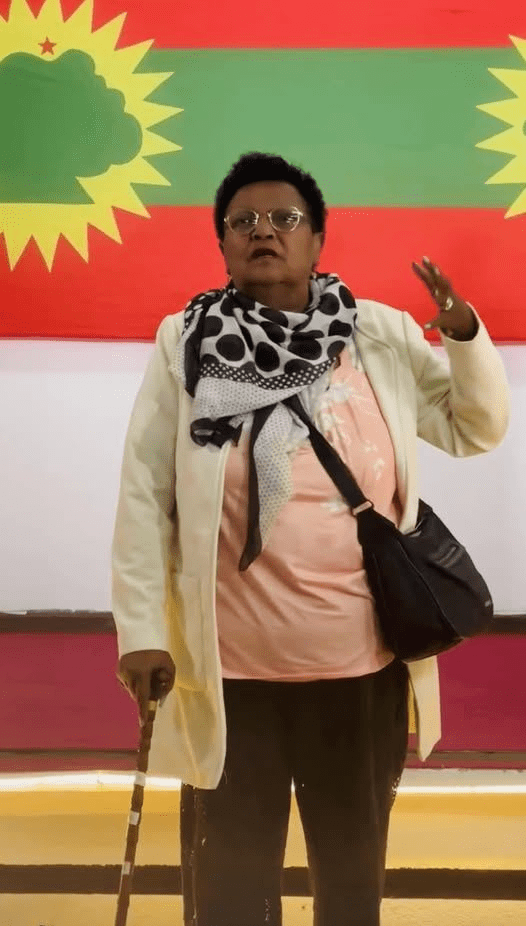
There is a word in Oromiffa that falls painfully short in describing the life of artist Ilfinesh Qannoo: cichoominaa. It translates roughly to “perseverance” or “steadfastness,” but like a thimble trying to hold an ocean, it cannot contain the vast, roaring symphony of her existence. To speak of Ilfinesh Qannoo is not to speak of merely enduring. It is to speak of a life as a deliberate, unbroken act of revolutionary art, where every strand of hair, every whispered verse, and every labored breath is a note in the grand composition of the Oromo struggle.
The call from the global Oromo community is correct and profound: she must be honored not with a single, simplistic label, but with a full-throated acknowledgment of her multi-dimensional defiance. Her life is a triptych of resistance, each panel inseparable from the others.
The First Panel: The Body as Battleground and Banner. “From the hair on her head shaved by prison guards to the fields of struggle where she stood with the WBO…” This is not merely a chronological note; it is a map of sacred scars. The shaved head was an attempt by oppressors to strip her of dignity, to reduce her to anonymity. Yet, this very act transformed her body into a public testament to state brutality. She wore that violation not as a mark of shame, but as a badge of a battle endured. Her physical presence, later frail yet carried to podiums, became a living flag—a testament that the spirit they tried to break only grew more visible, more potent.
The Second Panel: The Art as Weapon and Compass. Ilfinesh Qannoo was not an artist who occasionally addressed politics. She was a freedom fighter whose medium was verse and song. Her art was never decorative; it was directional. She took the ancient proverbs of the Oromo, like “Ilkaan socho’e buqqa’uun isaa hin oolamu” (A seed that moves does not rot), and charged them with urgent, contemporary meaning. She didn’t just write poetry; she crafted mantras for the movement, spiritual fuel for the weary, and ideological compasses for the young. Her voice, whether thundering from a stage or trembling from a frail body, did not entertain—it awakened and oriented.
The Third Panel: The Bridge Between Fronts. Her legacy dismantles artificial barriers. She stood with the Oromo Liberation Army (WBO) in spirit and solidarity, strengthening their resolve, while also being the soulful voice that reached diaspora halls, university students, and international audiences. She connected the armed vanguard to the cultural heartland, proving that the struggle is fought with both the gun and the weeduu (hymn), in both the forest and the concert hall. She was the human synapse between the political and the poetic, the military and the moral.
To call this cichoominaa is to call a hurricane a breeze. Hers is a story of alchemical resistance. She transformed personal suffering into collective strength. She translated historical oppression into timeless art. She converted the malice of her jailers into an unquenchable love for her people.
The Oromo community worldwide is right to insist on a fuller recognition. Honoring Ilfinesh Qannoo requires a vocabulary of reverence fit for a prophet-artist of liberation. She is the embodiment of Safuu (moral balance) under fire, the living Weeduu of resistance, the unyielding Odaa (sacred sycamore tree) providing shade and shelter for the movement’s spirit.
Her life proclaims that true revolution is not just a political project but an artistic and spiritual one. To honor her is to understand that the fight for bilisummaa (freedom) must also be a fight to preserve and elevate the culture, the language, and the artistic soul that she so fiercely represented. The seed she planted, through her art and her agony, is in perpetual motion. It will not rot. And for that, our gratitude must be as deep, as complex, and as enduring as her monumental life.

The Untold Heroes of Qeerroo: Jaal Abdii and Jaal Gaashuu

Feature Commentary: The Architects of Awakening – Recovering the Forgotten Genesis of Qeerroo
In the grand, often simplified narrative of the Oromo struggle, certain chapters risk fading into the footnotes of history. We speak in broad strokes: “The Qeerroo movement,” “The 2014-2018 protests,” “The youth uprising.” But movements are not spontaneous eruptions; they are meticulously seeded, nurtured, and ignited by individuals whose names deserve to be more than whispers in the wind. The story of Jaal Abdii Raggaasaa and Jaal Gaashuu Lammeessaa is one such pivotal, yet under-sung, genesis story.
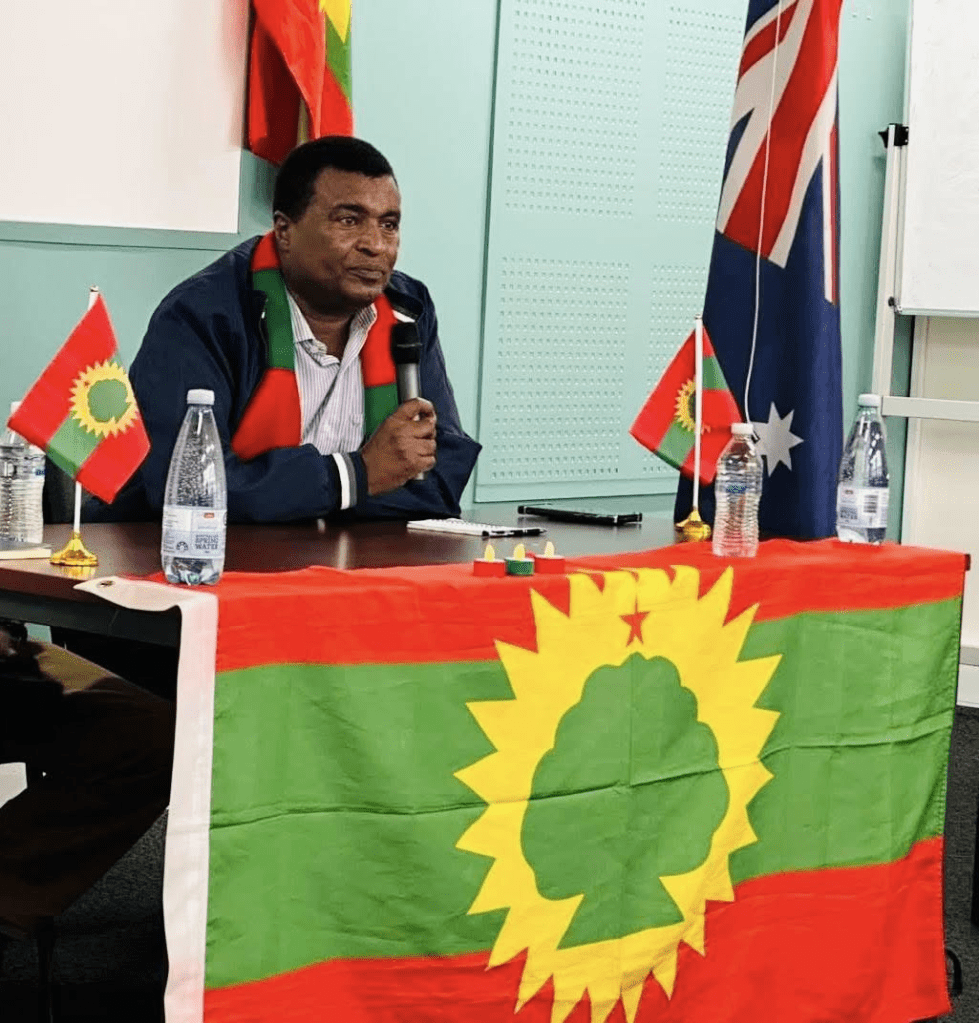
The year was 2010. As the embers of the Arab Spring began to glow in Tunisia, a parallel spark was being carefully struck in the heart of Oromia. The narrative, often repeated, is that the Qeerroo Bilisummaa Oromoo (QBO) formally announced itself on April 15, 2011. But what happened in the crucible of 2010? This is where our architects enter.
Jaal Gaashuu Lammeessaa, then a key organizational figure, performed a crucial act of political translation. He looked at the revolts cascading across North Africa—Tunisia, Egypt, Libya—and posed a radical, mobilizing question to Oromo students in universities and secondary schools: “If this can happen there, why not in Oromia?” This was not mere rhetoric; it was a strategic incitement, a deliberate framing of possibility. He channeled a global moment of youth defiance into a specific, localized call to action, providing the intellectual and motivational catalyst for a generation to organize.
But a spark needs structure to become a sustained fire. This is where the senior vanguard, Jaal Abdii Raggaasaa of the Oromo Liberation Army (WBO), provided the essential scaffolding. The formal launch of the QBO on April 15, 2011, was not a rogue student act. Testimony confirms it was discussed, planned, and ratified in conjunction with Jaal Abdii Raggaasaa. This was a strategic, top-down and bottom-up alliance. The WBO, the seasoned armed wing, provided political sanction, strategic direction, and a sense of historic continuity, blessing the nascent youth movement as a legitimate front in the broader struggle.
This partnership reveals the true, hybrid nature of the movement’s birth. It dismantles the simplistic binary of “armed struggle” versus “civil protest.” Instead, it shows a calculated synergy: the WBO offering veteran legitimacy and strategic depth, and the Qeerroo injecting massive, youthful energy, digital savvy, and a broad-based civil resistance front. As noted, Jaal Abdii Raggaasaa’s enduring vision was to “integrate the Qeerroo movement and the WBO,” seeing them not as separate entities but as interlocking forces of the same liberation engine.
Yet, herein lies the poignant thrust of this recovered history: “We must acknowledge their contribution while they are still with us, not only when they are gone.” In the rush of events and the elevation of newer faces, the foundational work of such architects can be obscured. The commentary is a corrective—a call for historical accountability and gratitude within the community itself. It insists that every member, from the highest leader to the grassroots organizer, played a part, but we must be diligent in naming those who laid specific, catalytic cornerstones.
The story of Abdii Raggaasaa and Gaashuu Lammeessaa is more than a tribute; it is a lesson in movement-building. It teaches that revolutions are born at the intersection of inspiration (Gaashuu’s translational mobilizing) and institutional sanction (Abdii’s strategic integration). It reminds us that before the hashtags and the mass marches, there were quiet meetings, risky conversations, and deliberate plans.
To remember them is to understand that the “Qeerroo spirit” was not an accident of history but a deliberate construction. It is to honor the blueprint alongside the building. As the closing refrain, “Oromiyaan Biyya!” echoes, it does so with the recognition that the path to that homeland was charted by both the soldier in the field and the strategist in the shadows, by the veteran’s resolve and the organizer’s spark. Their combined legacy is the unbreakable chain that links the struggle’s past to its restless, enduring present.

Honoring Jaal Dhugaasaa: A Symbol of Oromo Liberation

FEATURE NEWS: A Salute to the Steadfast – Honoring Veteran Oromo Freedom Fighter Jaal Dhugaasaa Bakakkoo on Oromo Liberation Army Day
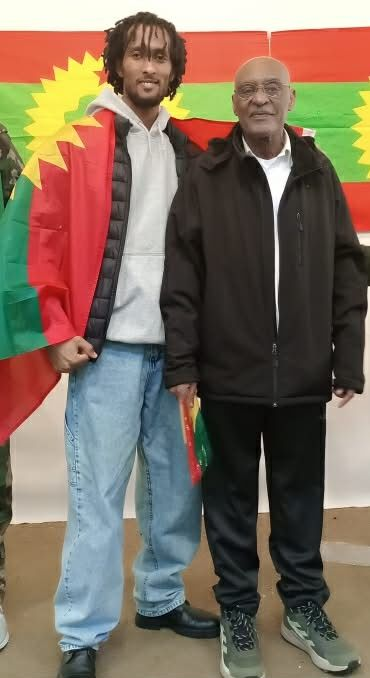
In a moment that bridged generations of struggle, the presence of revered Oromo elder and veteran freedom fighter Jaal Dhugaasaa Bakakkoo became the defining symbol of this year’s Oromo Liberation Army (OLA) Day commemorations.
Attendees at the ceremony were deeply moved as the elder, a foundational figure from the very inception of the Oromo Liberation Struggle, was honored. His physical presence served as a powerful, living connection to the movement’s roots and sacrifices.
“To see with my own eyes pioneers of the Oromo struggle like Jaal Dhugaasaa, who were among the first to take up the mantle of our liberation, has filled me with immense honor,” shared one emotional attendee. “It is a profound blessing.”
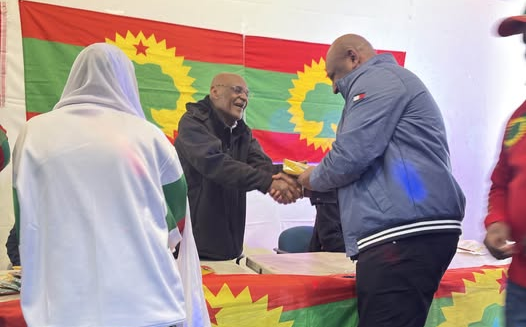
The honor was made tangible with the presentation of a symbolic Alaabaa Oromoo—a ceremonial scarf of love and respect in the Oromo flag’s colors of red, green, and red. “Receiving this Alaabaa Oromoo from his hands filled me with great joy,” the recipient added. “My heartfelt thanks. You have set a supreme example for us.”
The celebration was not just a political remembrance but a heartfelt communal wish for the elder’s wellbeing. Attendees expressed their prayers for his long life, continued health, and prosperity, alongside the hope that he remains with his people for years to come. “May you live a long, healthy, and fulfilled life among your people,” was the collective sentiment, acknowledging his irreplaceable role as a living archive of the struggle’s history and values.
Jaal Dhugaasaa Bakakkoo is widely recognized as a senior figure within the Oromo Liberation Front (OLF) and a former executive member of its armed wing, the OLA (WBO). His life’s journey maps the evolution of the modern Oromo quest for self-determination, making his participation in contemporary commemorations a potent act of continuity.
The event underscored a central theme resonating across the diaspora this year: the unbroken chain of commitment. Honoring figures like Jaal Dhugaasaa reinforces the understanding that today’s political space and determination are built upon the sacrifices of yesterday’s pioneers. It served as both a thanksgiving to the past and a solemn passing of responsibility to ensure the “support and sustenance for the freedom struggle continues to receive continuity.”
As one participant powerfully noted, the very act of organizing such gatherings is a declaration: “By doing this, saying ‘we are here!’ is a duty that must continue.” The presence of Jaal Dhugaasaa Bakakkoo at its center was a vivid reminder of where “here” began, and why the journey must persist.

Dawn Ceremony Marks New Era for Oromo Governance

Feature News: Dawn Reclamation – Oromo Gadaa Assembly Ushers in New Era at Historic Tarree Leedii Site
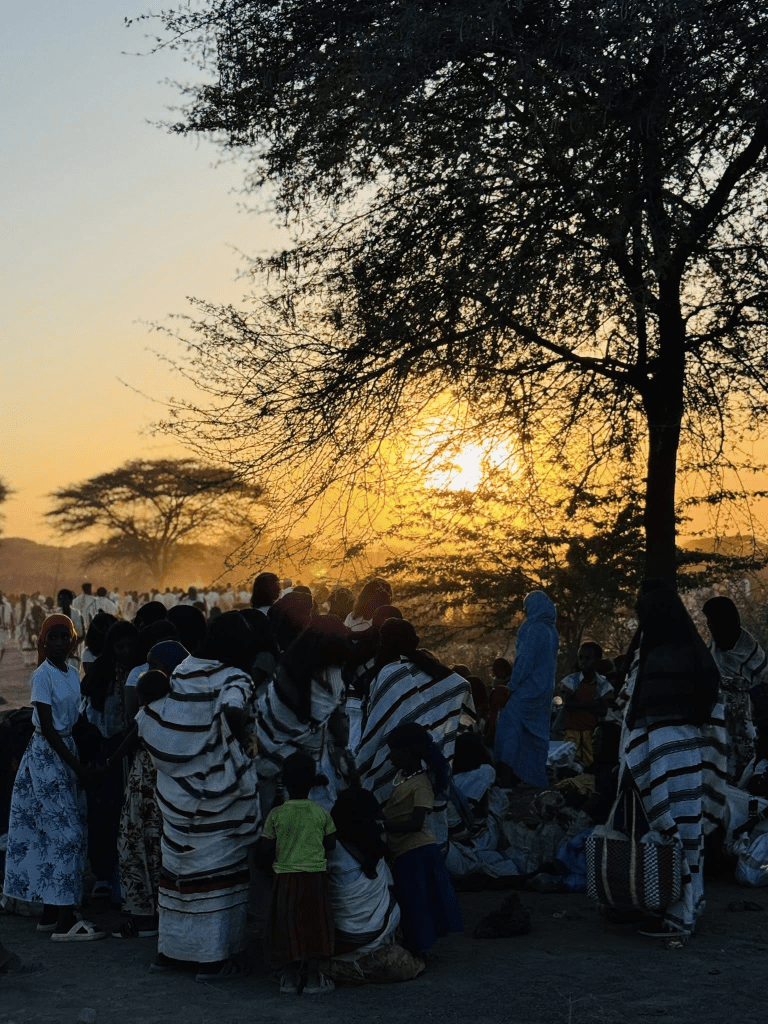
FANTAALLEE, SHAWA BAHAA, OROMIA – In a powerful act of cultural restoration and communal resolve, the Oromo Gadaa system of the Karrayyuu region has formally reinstated its traditional assembly, the Sirna Goobaa, at the sacred grounds of Ardaa Jilaa, Tarree Leedii. This landmark gathering, conducted at dawn on Saturday according to sacred custom, marks not just a meeting, but the revival of an ancient democratic and spiritual heartbeat in Eastern Shawa.
The ceremony, led by Abbaa Gadaas, elders, and community representatives, began in the pre-dawn hours, adhering strictly to the profound rituals and aesthetics of Oromo tradition. Participants gathered under the ancient trees of Ardaa Jilaa, a site long held as a seat of ancestral wisdom and collective decision-making, to reignite the principles of the Sirna Goobaa—the assembly of law, justice, and social order.
“This is not a symbolic gesture; it is a homecoming,” declared one senior elder, his voice echoing in the crisp morning air. “We are reclaiming our space, our process, and our responsibility to govern ourselves according to the laws of our forefathers and the balance of nature. The Goobaa is where our society heals, deliberates, and progresses.”
The choice of location and time is deeply significant. Tarree Leedii is historically a cornerstone of socio-political life for the Karrayyuu. By convening at dawn (ganamaa), the assembly honors the Oromo cosmological view that links the freshness of the morning with clarity, purity, and the blessing of Waaqaa (the Supreme Creator). The meticulous observance of rituals involving sacred items, chants (weeduu), and the pouring of libations underscores a commitment to authenticity and spiritual sanction.
Community members, young and old, observed in reverent silence as the protocols unfolded. For many youth, it was a first-time witnessing of the full, unbroken ceremony. “To see our governance system in action, here on this land, is transformative,” said a young university student in attendance. “It connects the history we read about directly to our future. It shows our systems are alive.”
The reinstatement of the Sirna Goobaa at Ardaa Jilaa sends a resonant message beyond the borders of Fantuallee District. It represents a grassroots-driven renaissance of indigenous Oromo governance, asserting its relevance and authority in contemporary community life. It serves as a forum to address local disputes, environmental concerns, and social cohesion through the framework of Gadaa principles—Mooraa (council), Raqaa (law), and Seera (covenant).
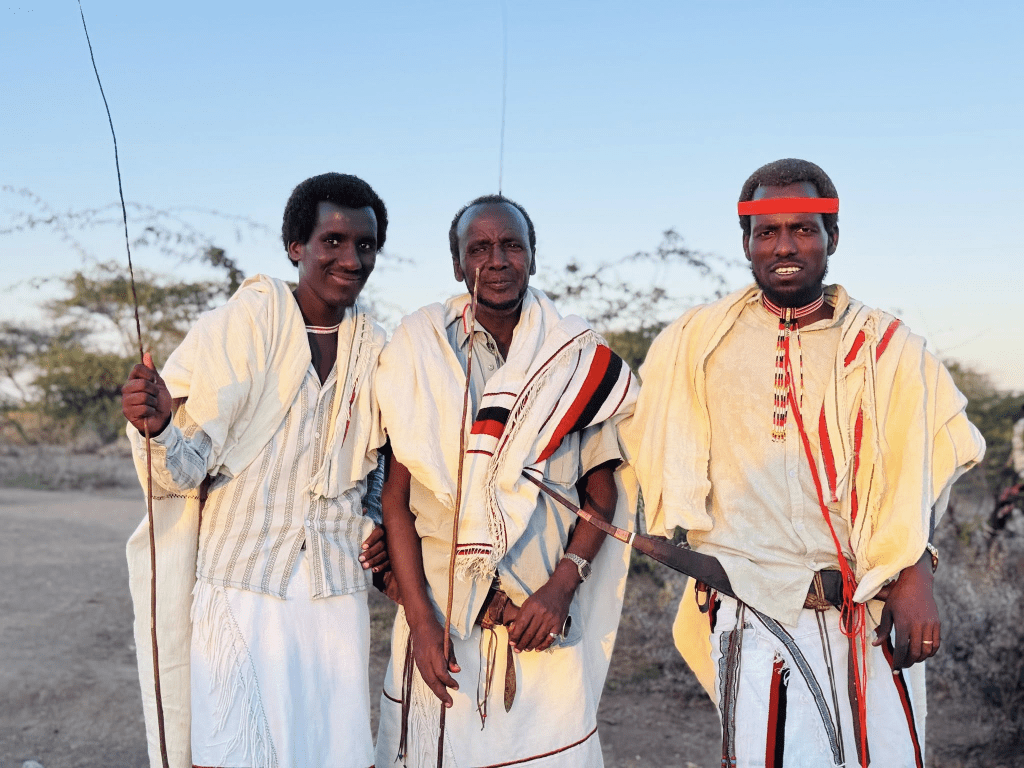
Analysts view this move as part of a broader movement across Oromia where communities are actively revitalizing Gadaa and Waaqeffannaa institutions as pillars of cultural identity and self-determination. The successful convening at Tarree Leedii demonstrates local agency and the enduring power of these systems to mobilize and inspire.
As the sun rose over the assembly, illuminating the faces of the gathered, the event concluded with a collective affirmation for peace, justice, and unity. The revival of the Sirna Goobaa at this historic site is a dawn in every sense—a new beginning for community-led governance, a reconnection with ancestral wisdom, and a bold statement that the Gadaa of the Karrayyuu is once again in session, ready to guide its people forward.


Honoring Oromo Warriors: Cairo’s Annual OLA Day

In Cairo, a Distant Diaspora Keeps the Flame Alive: Commemorating the Oromo Liberation Struggle
CAIRO – In a gathering marked by solemn reflection and resilient spirit, the Oromo community in Cairo recently commemorated Oromo Liberation Army (OLA) Day on April 1, 2026. The event was more than a calendar observance; it was a powerful act of collective memory, a reaffirmation of identity, and a declaration of unwavering commitment to a cause that spans decades and continents.
The atmosphere was charged with the weight of history. As noted by Mr. Nasralla Abdu, Chairman of the Association, the day serves a dual purpose: to honor the souls of fallen freedom fighters and to fortify the resolve of those who continue the struggle. This is not mere ritual; it is the lifeblood of a diaspora movement, a vital mechanism to ensure that distance does not dilute purpose nor time erode sacrifice.
The historical anchor of the commemoration, as recounted, is crucial. The reference to the OLA’s reconstitution in 1980, following the severe challenges of the late 1970s, transforms April 1st from a simple date into a symbol of regeneration and stubborn endurance. It marks a moment when the struggle, against formidable odds, chose to persist. Celebrating this anniversary yearly, as the chairman explained, is to ritually reaffirm that same choice to persist, generation after generation.
The testimonies from attendees cut to the heart of the matter. For them, this was an “anniversary of covenant”—a renewal of the sacred promise to the struggle—and a moment of remembrance for those who paid the “ultimate price.” This language transcends politics; it enters the realm of collective oath and sacred duty. Furthermore, their powerful statement linking the ongoing sacrifice of Oromo people inside the homeland—for their identity, culture, history, and land—to the diaspora’s obligation to “stand in solidarity and fight for our people’s rights” creates a potent bridge. It connects the internal resistance with external advocacy, framing a unified struggle on two fronts.
This event in Cairo is a microcosm of a global phenomenon. It demonstrates how diasporas function as custodians of history and amplifiers of voice when direct expression at home is constrained. The careful observance in Egypt underscores that the Oromo quest for recognition, justice, and self-determination is not confined by geography. It is nurtured in community halls abroad as much as it is in the hearts of people within Oromia.
Ultimately, the commemoration was a tapestry woven with threads of grief, pride, and ironclad resolution. It acknowledged a painful past of loss and “severe circumstances,” celebrated the resilience that emerged from it, and boldly projected that spirit into an uncertain future. As long as such gatherings occur—where names are remembered, covenants renewed, and solidarity declared—the narrative of the Oromo struggle remains alive, authored not just by fighters on the ground but by communities in exile holding vigil for the dawn they believe must come.




 Advocacy for Oromia