Honoring Oromo Warriors: Cairo’s Annual OLA Day

In Cairo, a Distant Diaspora Keeps the Flame Alive: Commemorating the Oromo Liberation Struggle
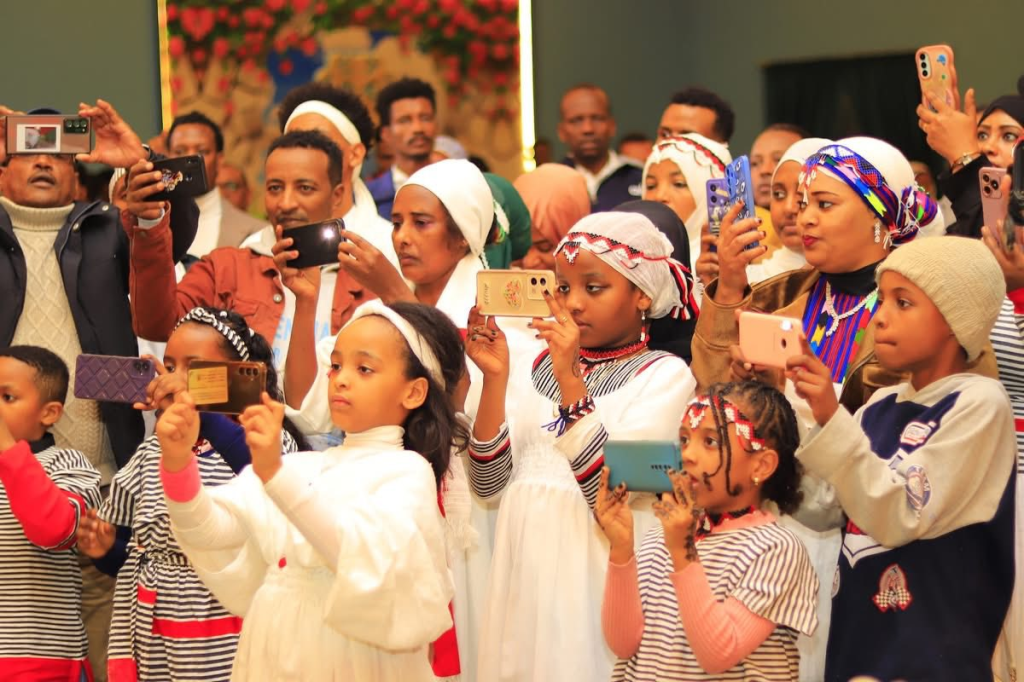
CAIRO – In a gathering marked by solemn reflection and resilient spirit, the Oromo community in Cairo recently commemorated Oromo Liberation Army (OLA) Day on April 1, 2026. The event was more than a calendar observance; it was a powerful act of collective memory, a reaffirmation of identity, and a declaration of unwavering commitment to a cause that spans decades and continents.
The atmosphere was charged with the weight of history. As noted by Mr. Nasralla Abdu, Chairman of the Association, the day serves a dual purpose: to honor the souls of fallen freedom fighters and to fortify the resolve of those who continue the struggle. This is not mere ritual; it is the lifeblood of a diaspora movement, a vital mechanism to ensure that distance does not dilute purpose nor time erode sacrifice.
The historical anchor of the commemoration, as recounted, is crucial. The reference to the OLA’s reconstitution in 1980, following the severe challenges of the late 1970s, transforms April 1st from a simple date into a symbol of regeneration and stubborn endurance. It marks a moment when the struggle, against formidable odds, chose to persist. Celebrating this anniversary yearly, as the chairman explained, is to ritually reaffirm that same choice to persist, generation after generation.
The testimonies from attendees cut to the heart of the matter. For them, this was an “anniversary of covenant”—a renewal of the sacred promise to the struggle—and a moment of remembrance for those who paid the “ultimate price.” This language transcends politics; it enters the realm of collective oath and sacred duty. Furthermore, their powerful statement linking the ongoing sacrifice of Oromo people inside the homeland—for their identity, culture, history, and land—to the diaspora’s obligation to “stand in solidarity and fight for our people’s rights” creates a potent bridge. It connects the internal resistance with external advocacy, framing a unified struggle on two fronts.
This event in Cairo is a microcosm of a global phenomenon. It demonstrates how diasporas function as custodians of history and amplifiers of voice when direct expression at home is constrained. The careful observance in Egypt underscores that the Oromo quest for recognition, justice, and self-determination is not confined by geography. It is nurtured in community halls abroad as much as it is in the hearts of people within Oromia.
Ultimately, the commemoration was a tapestry woven with threads of grief, pride, and ironclad resolution. It acknowledged a painful past of loss and “severe circumstances,” celebrated the resilience that emerged from it, and boldly projected that spirit into an uncertain future. As long as such gatherings occur—where names are remembered, covenants renewed, and solidarity declared—the narrative of the Oromo struggle remains alive, authored not just by fighters on the ground but by communities in exile holding vigil for the dawn they believe must come.

Posted on January 5, 2026, in News. Bookmark the permalink. Leave a comment.




 Advocacy for Oromia
Leave a comment
Comments 0