Karrayyu Jila: A Cultural Ceremony of Continuity
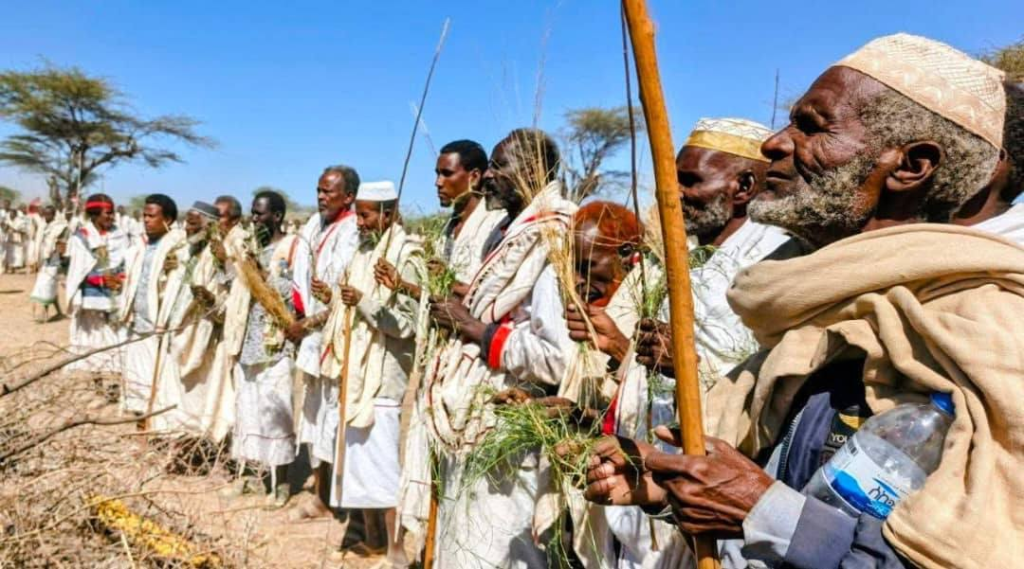
A Window into Continuity: The Karrayyu “Jila” Ceremony and the Passing of a Sacred Covenant
The report from the Karrayyu community offers a profound glimpse into a living tradition, where the ancient and the contemporary intersect in a ceremony of deep cultural and spiritual significance. At its heart, this is a story of covenant, continuity, and the careful orchestration of communal responsibility.
The Central Act: A Sacred Transfer of Responsibility
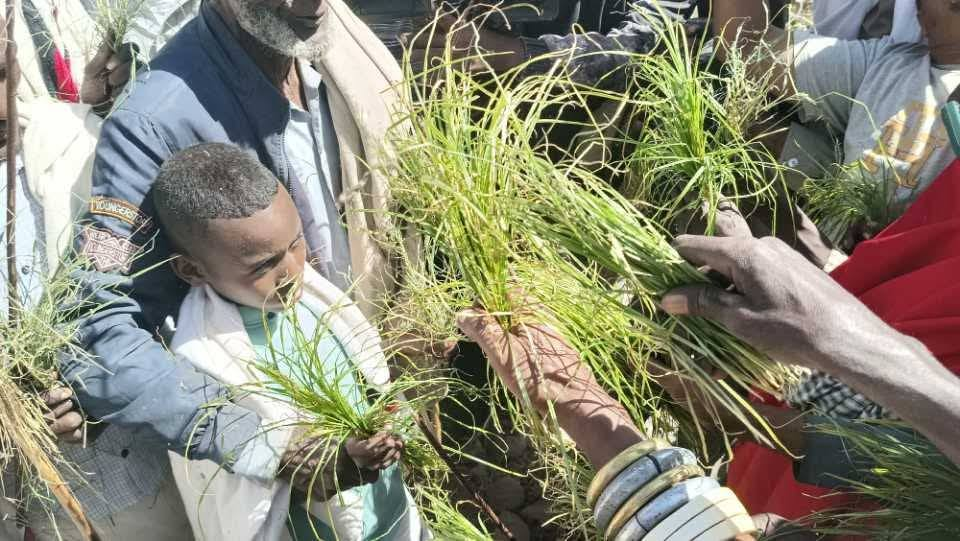
The core event is the “Jila,” a cornerstone Gadaa ceremony for the Karrayyu. The focal point is the transfer of the sacred “Baallii” (often a wristband or a strip of leather) from Abdoo Gobbee to a young boy, Arbooyyee. This is not a simple gift; it is the symbolic passing of a sacred duty. The Baallii represents a covenant—a promise and a responsibility that is now entrusted to the next generation. The fact that it is given to a 10-year-old boy, with the instruction to prepare for a ceremony two years hence, illustrates the Gadaa system’s precise, long-term pedagogy. Leadership and spiritual stewardship are cultivated from childhood.
The Community in Concert: A Symphony of Roles
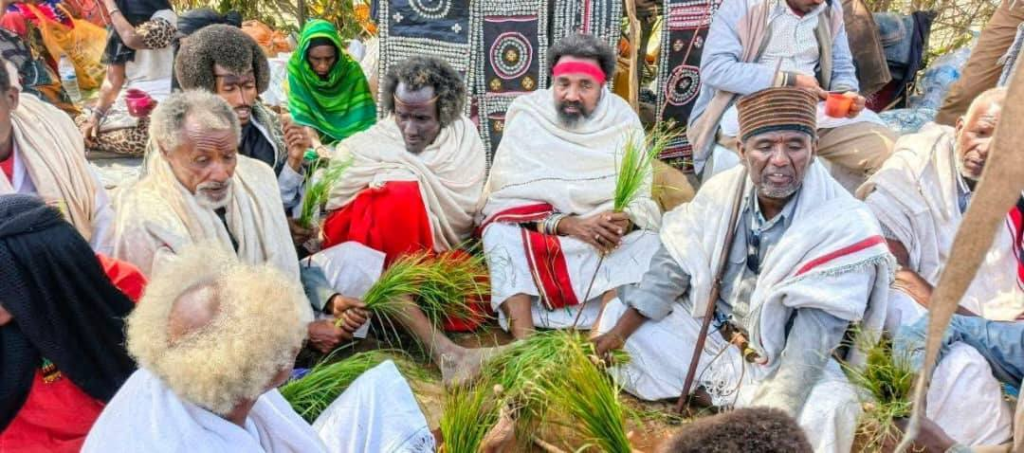
Perhaps the most powerful aspect of the report is its detailed depiction of communal mobilization. The ceremony is not just about the principal actors (Abdoo Gobbee and Arbooyyee) or the political leaders (Warri Aangoo). It is a societal undertaking:
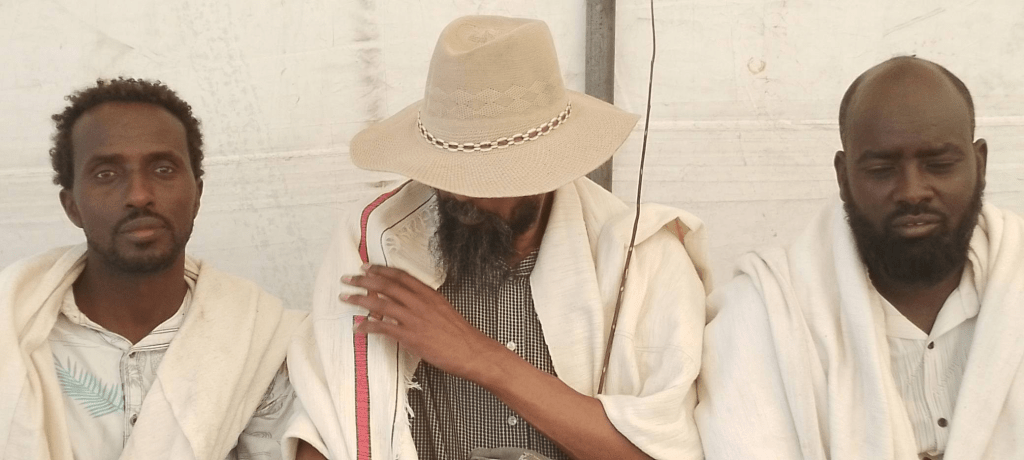
- The Elders (Jaarsi Hawaas): They are the temporal custodians. Their role in passing the Baallii after six years and overseeing the final covenant (waadaa) is crucial. They bridge the human and the divine, ensuring protocols are followed.
- The Administrators (Bulchiinsa): They handle logistics and governance, ensuring the event’s structure aligns with both tradition and practical necessity.
- The Families and Community Members: Their duties are vividly enumerated: purchasing finery (fiinoo/fiingee), building temporary structures (mana godhata), preparing sacred food and drink (nyaataafi dhugaatii ayyaanaa), and contributing livestock (bokkuu murata). This list transforms the ceremony from an abstract ritual into a tangible, collective project.
The Ultimate Purpose: Peace, Blessing, and Stability
The final goals of this immense effort are unequivocally stated: to ensure peace (nagaan), blessing (araaraan), good governance (bulchu), and national stability (biyya tasgabbeeffachuu). The Jila is, therefore, not a retrospective festival but a proactive, spiritual investment in the future. The community, through prescribed roles and shared labor, participates in a ritual act intended to generate cosmic and social harmony. The “irreessa fuudha” (taking of the covenant) is the solemn moment where these collective efforts are sanctified.
A Living System in a Modern World
The text, signed by [Abba Ebba] (a Gadaa title), stands as a testament to the resilience of the Gadaa system. It functions as both a sacred script and a community bulletin. In one frame, it records a timeless ritual transfer; in another, it actively coordinates modern logistics—from shopping for clothes to managing resources. This duality is its strength. The Karrayyu are not merely performing a relic; they are dynamically applying their constitutional system to administer a ceremony designed to secure their wellbeing for another cycle.
In conclusion, this brief report opens a window onto a world where governance, spirituality, social duty, and art are inseparable. The passing of the Baallii from an elder to a child is the seed; the meticulously organized labor of the entire community is the soil that allows the ancient tree of Gadaa to bear fruit once more—fruit intended to be peace, blessing, and stability for all.

Posted on January 5, 2026, in News. Bookmark the permalink. Leave a comment.




 Advocacy for Oromia
Leave a comment
Comments 0