Daily Archives: January 7, 2026

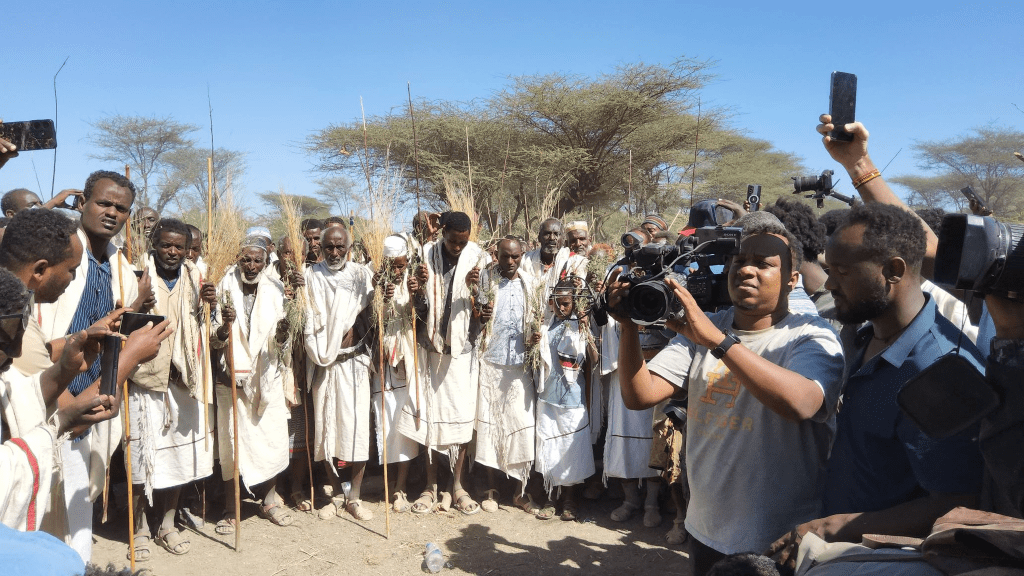
Reviving Oromo Identity: Sikkoo Mandoo Gadaa Assembly 2026
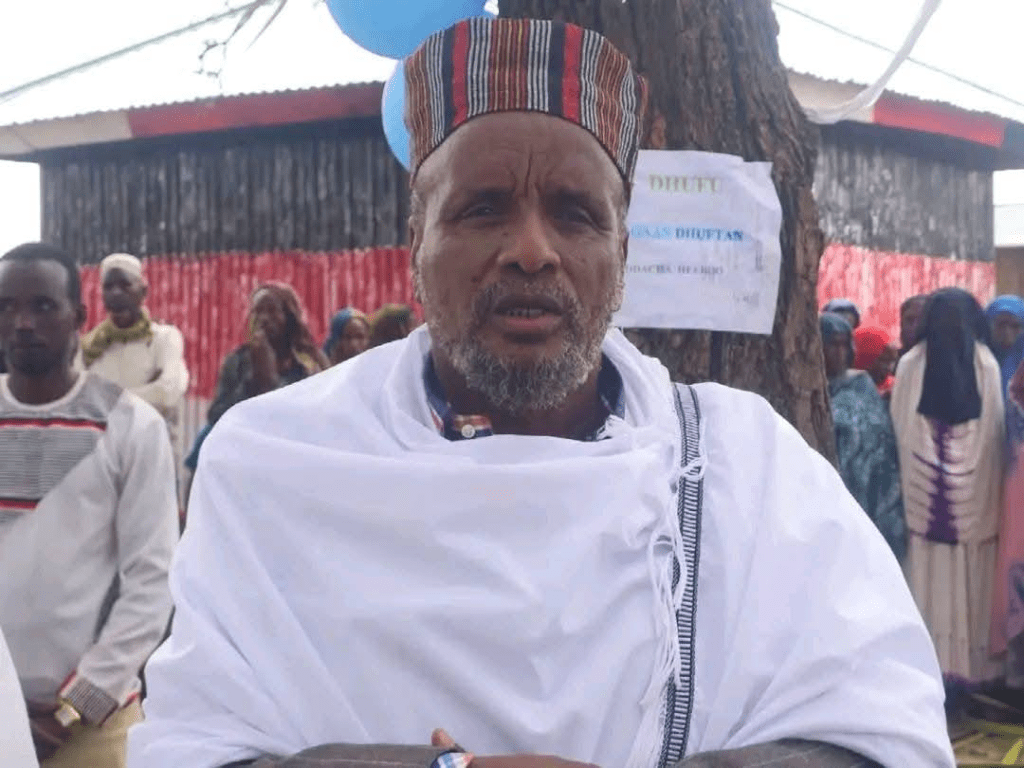
A Call to Heritage: The Sikkoo Mandoo Gadaa Assembly Convenes in Baalee Bahaa
LAGA HIDHAA DHAADDACHOO, OROMIA, ETHIOPIA – In a significant cultural and political event, the Sikkoo Mandoo Gadaa generation is set to hold its major assembly, the Ya’a Dhaddacha Guutaa (Grand Assembly of the Dhaddacha), from April 9th to 11th, 2026. The gathering will take place on the historic lands of the Dhaddacha Heeroo in Laga Hidhaa Dhaddacha, Baalee Bahaa Zone, marking a powerful moment of revival and continuity for the Oromo people’s indigenous governance system.
The assembly follows a pivotal decision made during a previous meeting, where twenty Dhaddachas (Gadaa class leaders or representatives) of the Sikkoo Mandoo generation resolved to formally return to their positions. The 21st Dhaddacha is located in Hosaana.
This convocation is more than a ceremonial gathering; it is a deliberate act of cultural reclamation. “The Oromo people are in a critical and necessary time to reclaim their identity under the Gadaa System from the places where it was taken from them in the past,” the announcement states. The event is positioned as distinct and vital, especially during a period of political transition in Ethiopia, where the Oromo are placing great emphasis on recovering their historical identity and autonomous systems.
A Gathering of National Significance
The Baalee Bahaa Zone Administration Communications Office, which released the call, emphasized the national importance of the event. “This assembly belongs to all Oromos,” the announcement declares, extending a special invitation to the children of Arsii, particularly the Ilmaan Arsii Sikkoo Mandoo, the specific lineage of this Gadaa generation.
The message is a communal summons: “We share this call together so that we may restore our system in its rightful place.” The statement underscores a collective responsibility to witness and participate in this act of restoration, urging Oromos from near and far to attend. Reports indicate that participants are already beginning their journeys from distant areas to converge on the historic site.
Context: The Gadaa System in Modern Ethiopia
The Gadaa system is a millennia-old, complex socio-political system of the Oromo people, based on democratic principles, generational classes, and cyclic leadership. It was historically suppressed by successive Ethiopian states. Its contemporary revival is deeply intertwined with the Oromo political awakening and struggle for self-determination over the past decades.
The convening of such a formal, large-scale Gadaa assembly in 2026 occurred against a backdrop of major political change in Ethiopia. It reflected a grassroots-driven movement to assert cultural sovereignty and provide a framework for governance and social organization rooted in Oromo tradition, parallel to the modern state structures.
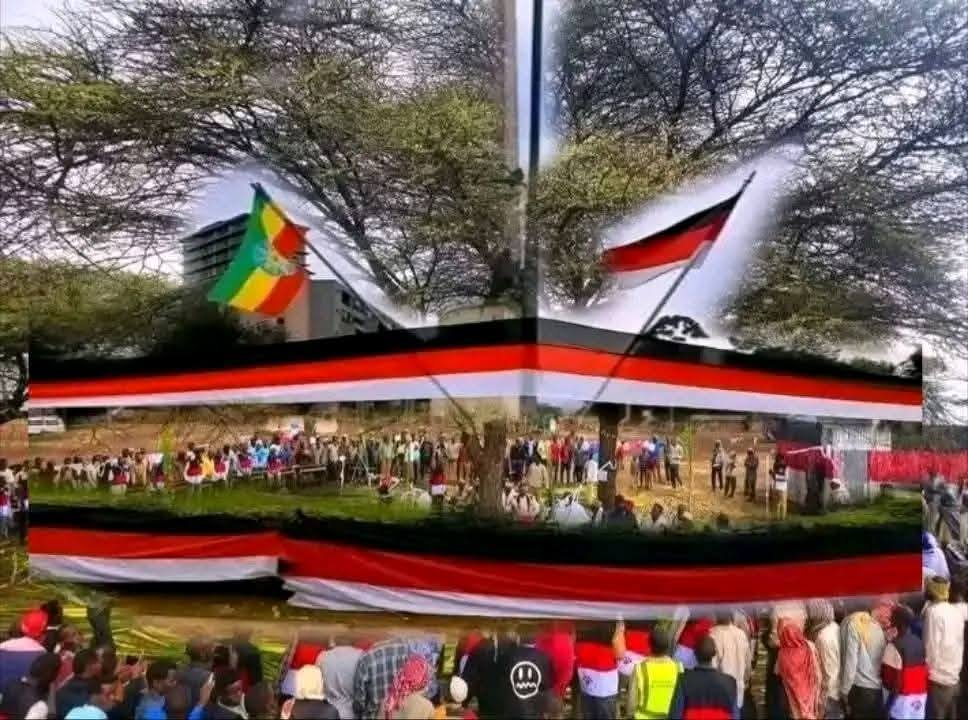
The Site: Dhaddacha Heeroo
The choice of location is deeply symbolic. Dhaddacha Heeroo is not a random field but a site laden with historical memory for the Arsii Oromo and the Sikkoo Mandoo generation. Holding the assembly there represents a physical and spiritual return to a source of authority and law, anchoring the future of the Gadaa system in the sacred geography of the past.
As final preparations are completed, the Ya’a Dhaddacha Guutaa stands as a testament to the resilience of the Gadaa system. It is a vivid demonstration of a people actively piecing together the fragments of their heritage, not as a museum exhibit, but as a living, breathing framework for identity and governance in the 21st century.
240 Australian Groups Unite Against Antisemitism: A Strong Solidarity Statement

A Unified Front Against Hate: 240 Australian Civil Society Groups Declare Solidarity with Jewish Community
SYDNEY, NSW – In a powerful and unprecedented display of national unity, a coalition of 240 Australian civil society organisations has issued a resolute statement of solidarity with the Australian Jewish community following the horrific antisemitic terror attack in Bondi last week.
The joint declaration, titled “Civil society statement of solidarity with the Australian Jewish community,” comes in the wake of a deadly assault targeting a peaceful Hanukkah celebration. It represents a broad, cross-sectoral commitment to stand against hatred and defend the fundamental rights of all Australians.
A Collective Pledge of Support and Shared Grief
The statement opens with an unequivocal message of support: “We stand in unwavering support of the Australian Jewish community… Our deepest sympathy and love goes out to the bereaved families, the victims, first responders, and all those impacted.” This sentiment forms the bedrock of the declaration, moving beyond formal condolences to a promise of enduring partnership.
Emphasising a core Australian value, the signatories assert that “Antisemitism (anti-Jewish racism) should have no place in Australia.” They affirm the universal right for everyone to “feel and be safe in our identities – free to practice our faiths, live our cultures, celebrate with family, and be in community with one another.”
Rejecting Division, Upholding Shared Humanity
The coalition directly confronts the dangerous dynamics of scapegoating and division. “We have seen what happens when a community is singled out,” the statement reads, rejecting efforts to exploit fear, polarisation, and disinformation. Instead, it champions the response of unity and compassion witnessed across the country in recent days.
Echoing the NSW Faith Affairs Council, the groups vow, “We will not let hatred and violence divide us. Across all our cultures and faiths, we will stand united in sympathy, compassion and solidarity.“
A Commitment to Action and Deeper Understanding
Moving beyond words, the statement outlines a proactive, two-fold commitment from civil society. First, it is a pledge to actively defend everyone’s rights to safety, culture, and faith. Second, and crucially, it is a promise to engage in deeper education: “We commit to deepening our understanding of how anti-Jewish racism arises, in order to better identify and prevent it.”
This commitment to learning signifies a recognition that lasting safety requires not just solidarity in a moment of crisis, but a sustained, informed effort to combat the roots of prejudice.
A Broad Coalition for a Peaceful Society
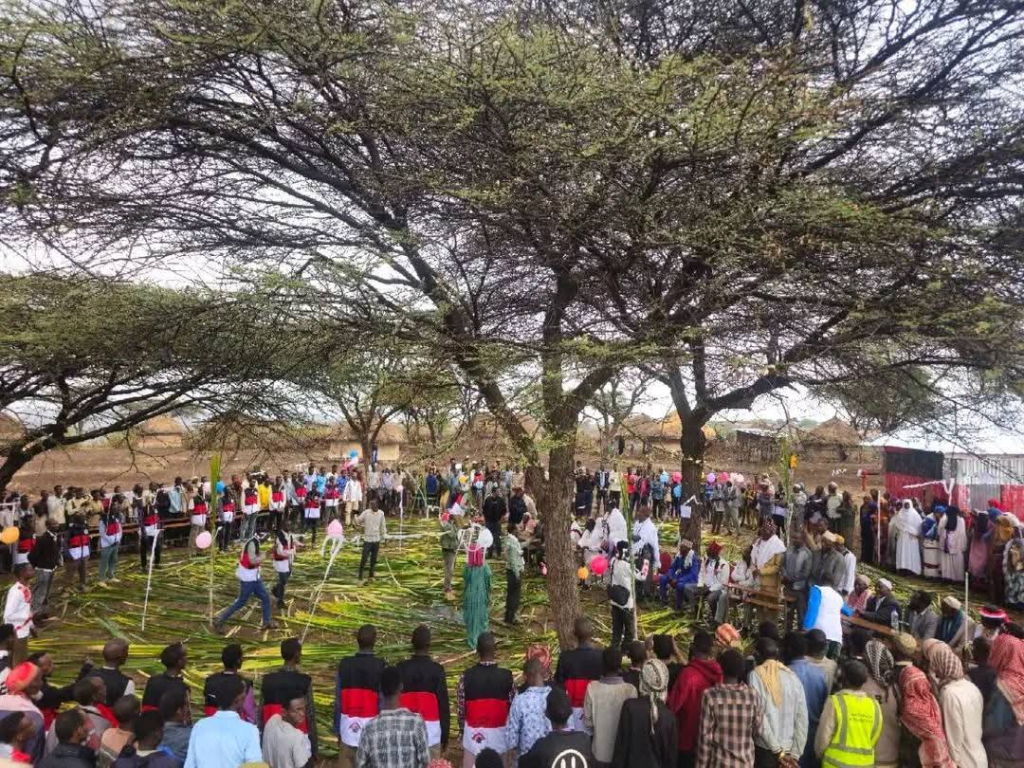
The list of 240 signatories, hosted on the Australia Democracy website, includes a diverse array of organisations representing multicultural, faith-based, human rights, migrant and refugee, community legal, and social service sectors from every state and territory. This wide-ranging coalition underscores that the threat of antisemitism is not a Jewish community issue alone, but a challenge to the very fabric of Australia’s multicultural democracy.
The statement concludes with a simple, powerful final line, repeated by all signatories: “We stand with the Australian Jewish community, in love and solidarity.”
This collective stand serves as a defining national response, demonstrating that in the face of targeted hatred, Australian civil society chooses unity, courage, and a reinforced commitment to a peaceful and inclusive society for all.
https://australiandemocracy.org.au/solidarity-with-jewish-community
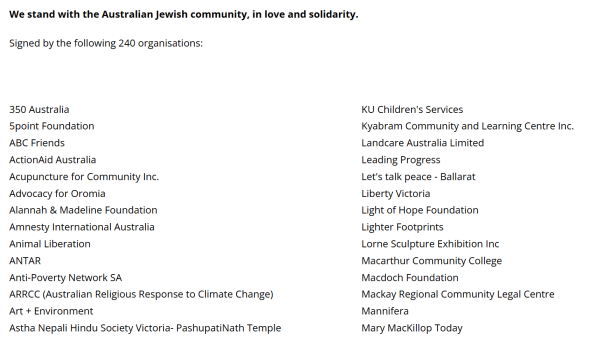

The 75th Goba Ceremony: A Legacy of Democracy in Oromia

FEATURE: 75th Goba System Ceremony in Oromia Showcases Living Gadaa Legacy for Modern Development
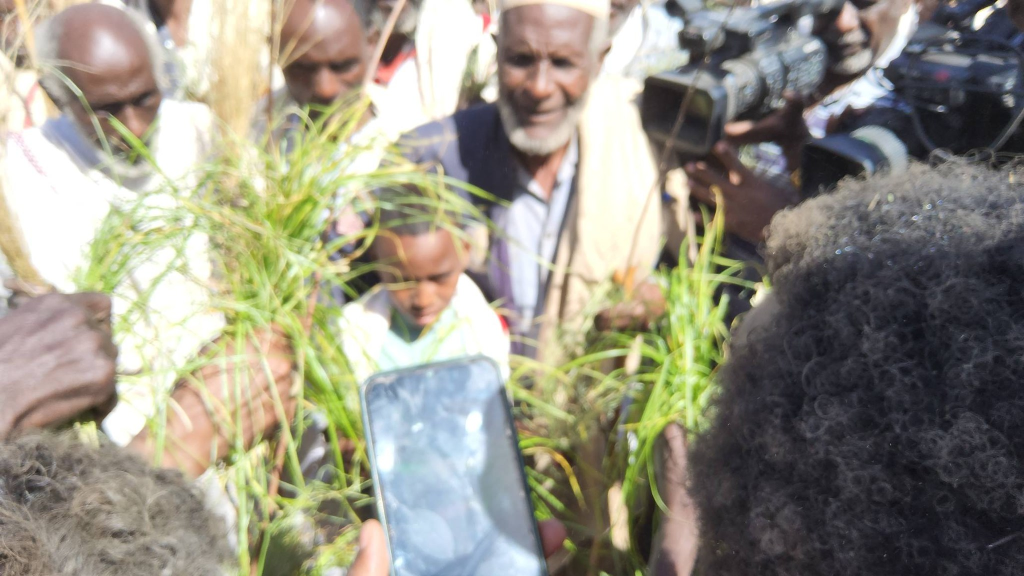
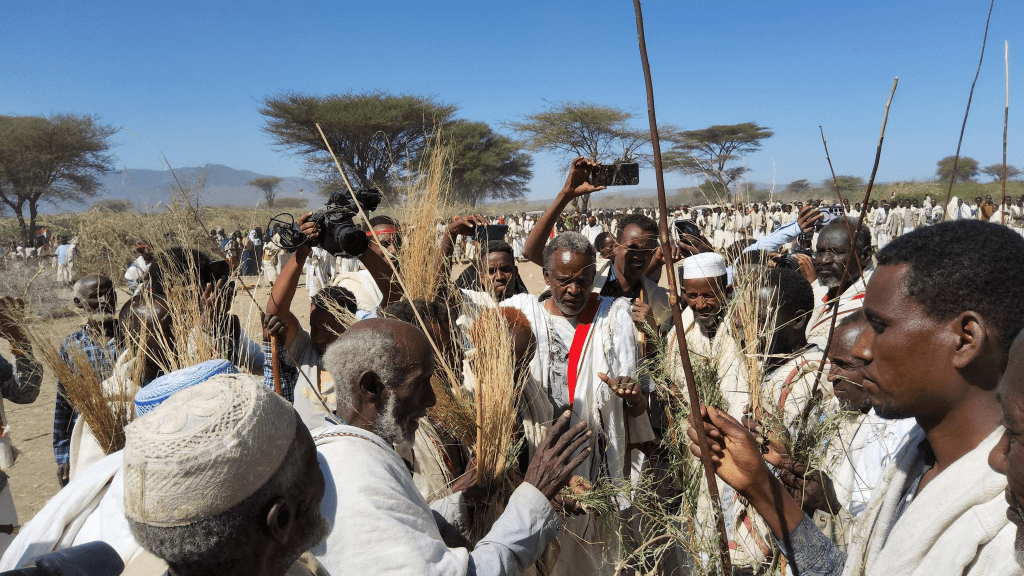
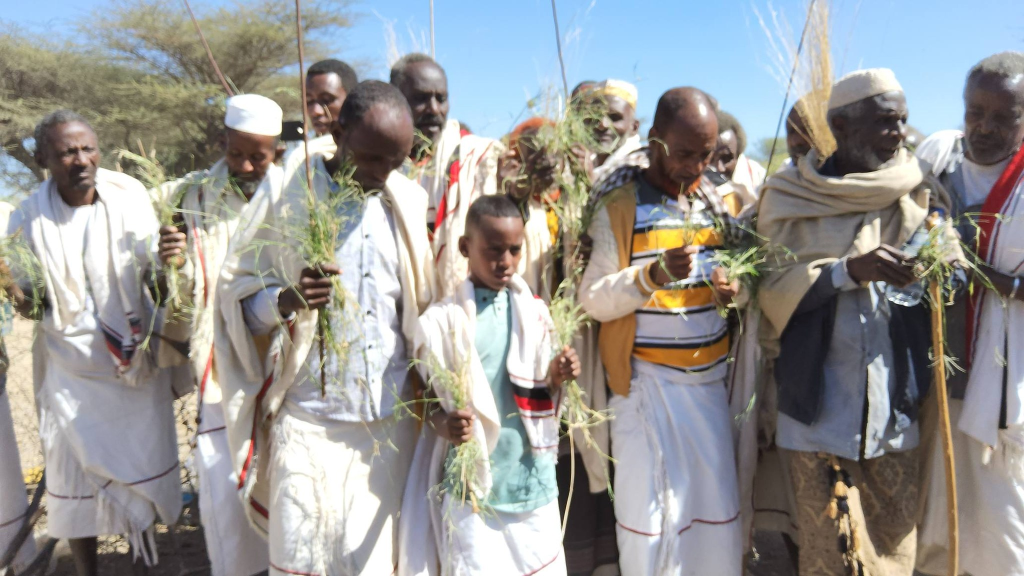
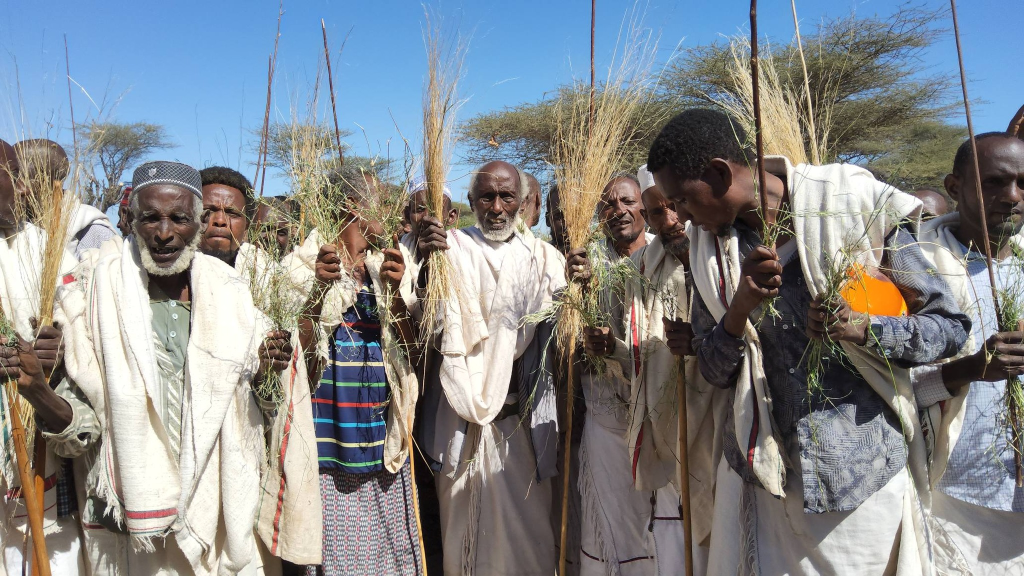
ARDHA JILA TARE LEDI, Fantale District, East Shewa, Oromia – In a vibrant display of living heritage, the 75th Gadaa System handover ceremony, known as Goba, was successfully held last week, transferring leadership from the outgoing Gadaa Michile (age-set in power) to the incoming Gadaa Halchisa. The ceremony, meticulously observed in Ardha Jila Tare Ledi, underscores a determined revival of a system once under pressure, now being actively harnessed for contemporary social and economic progress.
The Gadaa system, the indigenous democratic socio-political governance system of the Oromo people, is more than a cultural ritual. As emphasized by speakers at the event, it is a repository of values increasingly seen as crucial for national development.
From Ritual to Resource: Gadaa Values for Modern Development
Gobenya Hola, Secretary of the Union of Tulema Abba Gadaas and Oromo Abba Gadaas, articulated this forward-looking vision. “The Gadaa system possesses values useful for the country’s development and growth,” Hola stated. He highlighted ongoing efforts to make these values serve economic and social development, pointing to the Busa Gonofa—a traditional conflict resolution and reconciliation method—as a prime example now being implemented at the regional state level.
Furthermore, Hola detailed structural initiatives to integrate Gadaa into governance, noting the establishment of traditional courts (Sirnaa Seeraa) down to the smallest administrative unit (Kebele) to ensure justice is accessible through the system’s principles.
A System Reclaimed and Institutionalized
Abba Gadaa Gobenya also outlined the remarkable institutional comeback of Gadaa. “The Gadaa system and its value, which had weakened due to various reasons, is being restored,” he declared. This revival is now formalized within the education system, with curricula developed for schools to teach the principles of Gadaa, actively guiding the public.
“The focus now transcends just strengthening and preserving Gadaa,” he continued. “We are working intently to apply it to the nation’s landscape development, and to make it serve social and economic progress.”
Ensuring Democratic Continuity
The Union of Oromo Abba Gadaas is also leveraging the system’s inherent democratic checks and balances. Through the union, efforts are underway to ensure the Baallii (term of power) is not extended and that the transfer of power is timely and orderly—a principle at the very heart of the Gadaa cycle’s eight-year leadership transition.
Preparations are already in motion for the next major transition in the upcoming Ethiopian year (2018 E.C.), where the 70th Tulema Oromo Abba Gadaa will formally hand over authority to the 71st.
A Testament to Enduring Democracy
Other participants echoed the system’s contemporary relevance. Abba Gadaa Sabu Godana noted that the Goba ceremony itself is a testament to how profoundly democratic the Gadaa system is. He explained the ceremony’s symbolism, marking the transfer of leadership from the Karrayyu clan to members of the Dulecha clan, a rotation predetermined by the system’s generational classes.
Abba Gadaa Qumbi Waqeyo, organizer for the Boset District Abba Gadaa Committee, framed the system in national terms. “The Gadaa system, founded on democratic principles, is one under which peace and development continue, and a nation and generation is built,” he said. He issued a collective call to action, urging the current generation to work together to safeguard the system’s values, support its structures, and ensure its implementation for a resilient future.
The successful ceremony in Fantale stands as a powerful symbol: a millennia-old system is not only being preserved but is being actively studied, structured, and promoted as a viable framework for governance, justice, and sustainable development in modern Ethiopia.

Strengthening Multicultural Services: SSI’s Mission in WA

Forging Connections in the West: SSI Leads Cross-State Mission to Strengthen Multicultural Services and Combat Family Violence
PERTH, WA – In a significant push to expand national collaboration on migrant integration and social support, a delegation of senior leaders from Settlement Services International (SSI) recently concluded a strategic multi-day mission to Western Australia. The visit, centered on relationship-building and knowledge exchange, highlighted a shared commitment to enhancing services for multicultural communities across state lines.
The delegation, which included SSI CEO Violet Roumeliotis AM, alongside senior colleagues Brad Chilcott AM, Gulnara Abbasova, and the author, traveled to Perth to support their newest WA-based colleague, Tharanga De Silva, and engage directly with key stakeholders on the ground.
“This was a mission of listening, learning, and laying the groundwork for stronger partnerships,” the delegation noted. “The insights gained from stakeholders in Western Australia are invaluable as we work to tailor and improve national service delivery.”
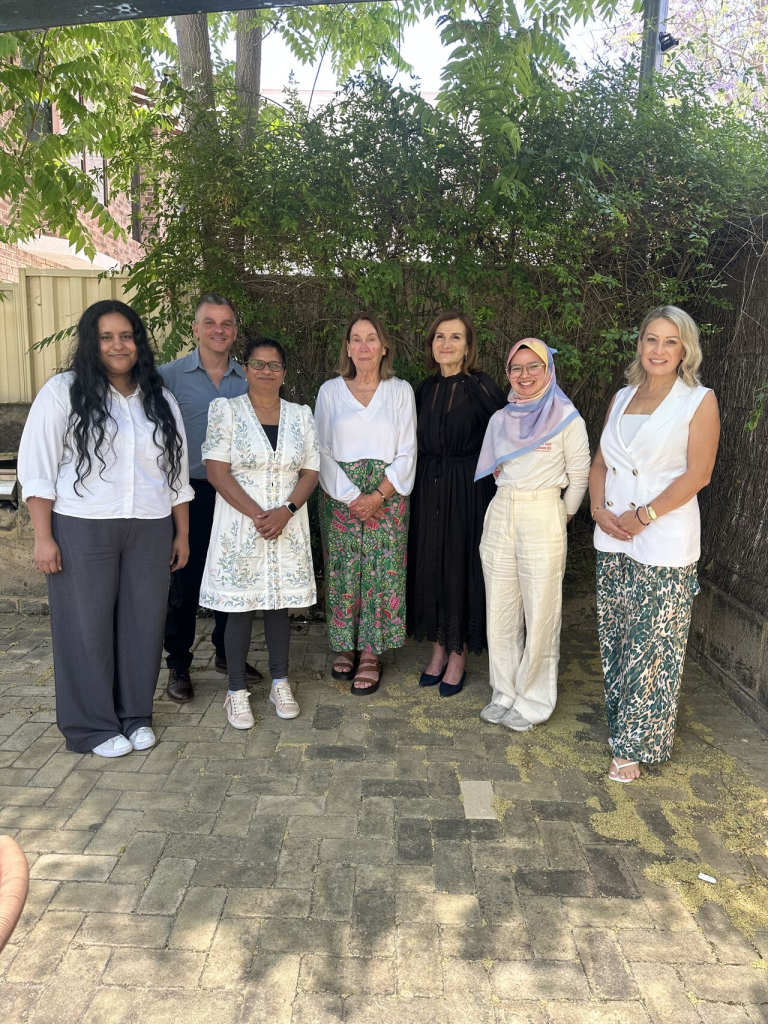
The itinerary underscored the trip’s high-level strategic nature. A major highlight was being hosted at WA’s Parliament House by the Hon Klara Andric MLC. The delegation also held productive meetings with federal and state parliamentarians, including Senator the Hon Sue Lines, Sook Yee Lai MLA, and Tania Lawrence MP, Member for Hasluck, appreciating their openness and commitment to community-focused policy.
Moving from government to grassroots, the week featured a series of impactful meetings:
- With the City of Stirling, where officials including Janeice Carrascalao and Elizabeth Richard exchanged vital program knowledge and local government perspectives.
- With the Western Australia Multicultural Association (WAMA), engaging with Mr. Simon Lee and Mrs. Helen Job to understand the local multicultural landscape.
- With Ramdas Sankaran, CEO of the Multicultural Services Centre of WA (MSCWA), and Louise Giolitto, CEO of the Western Australian Council of Social Service (WACOSS), discussing systemic support and collaboration.
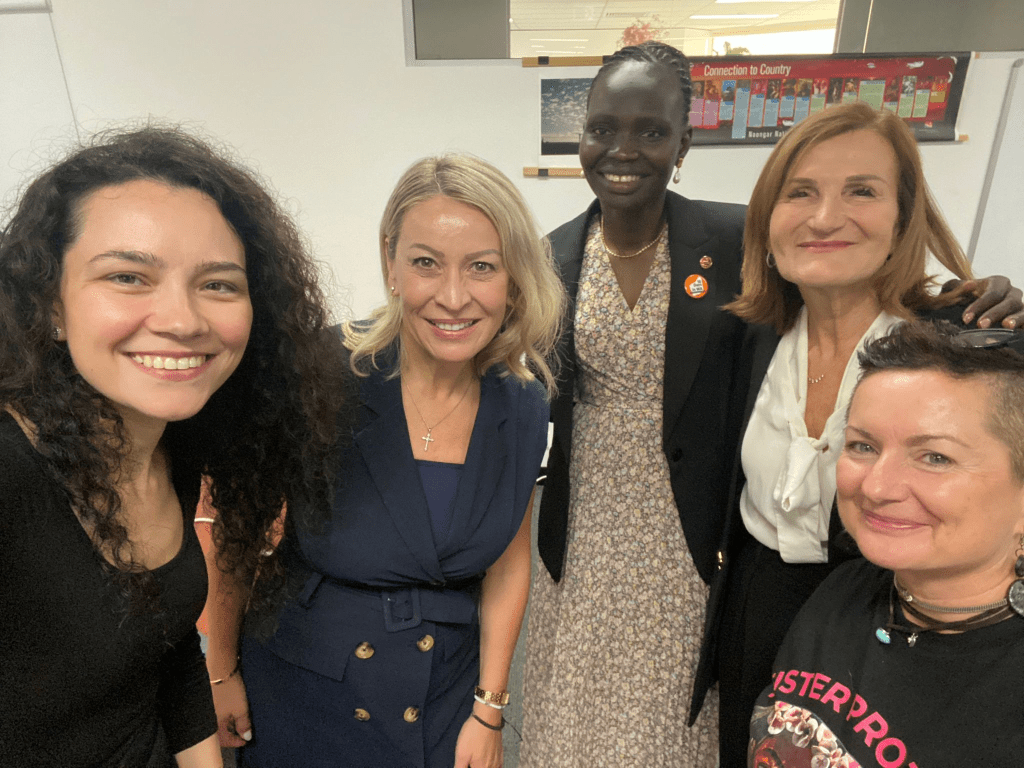
A key focus of the visit was SSI’s innovative work in combating Family and Domestic Sexual Violence (FDSV) within multicultural communities. This culminated in a Community & Faith Leaders Forum, generously hosted by the Hon Ayor Chuot MLC. The forum, attended by over 18 leaders, showcased a new e-learning module developed by SSI in partnership with the Federation of Ethnic Communities’ Councils of Australia (FECCA). The module is designed to equip community leaders with the tools to identify signs of FDSV and respond appropriately, a critical step in early intervention.
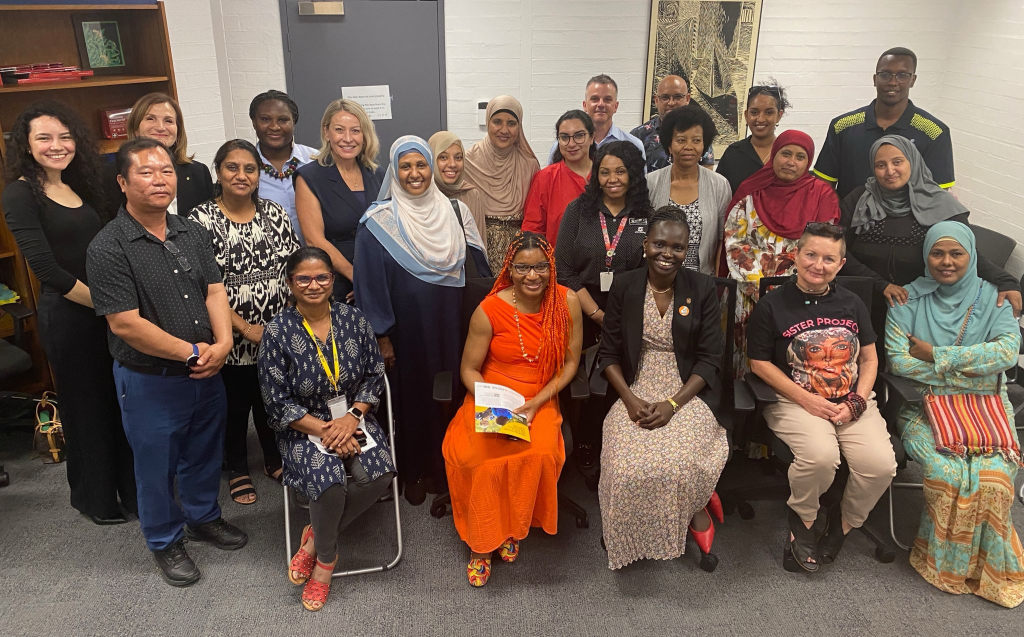
“We were particularly grateful for the opportunity to present our FDSV prevention tools,” the delegation shared. “Empowering community leaders with this knowledge is essential to creating safer environments for all.”
The visit also served to highlight SSI’s specific service offerings, such as a productive discussion with Caroline Speirs, Director of Community Engagement Projects at the Department of Communities, regarding SSI’s Multicultural Foster Care services.
The SSI delegation expressed profound gratitude to all stakeholders for their warm welcome and candid discussions. The trip has firmly established a foundation for future collaboration, with a shared goal of strengthening support systems and fostering more inclusive, resilient communities across Australia.

Ongoing Fight Against Family Violence in Dandenong

Beyond 16 Days: Dandenong Advocate Champions Sustained Action Against Family Violence
DANDENONG, VIC — While the global campaigns of the 16 Days of Activism against Gender-Based Violence and International Human Rights Day have concluded for another year, a clarion call for continuous, localised action echoes through one of Victoria’s most diverse communities. Local advocate and member of the Victoria Police Multicultural Reference Advisory Board is urging residents to make the fight against family violence a daily commitment.
“The calendar may have moved on, but our work cannot stop,” the advocate stated. “We must continue to raise Family Law awareness and call out behaviours that encourage violence every single day. This is how we build a truly safe environment for everyone in our multicultural community.”
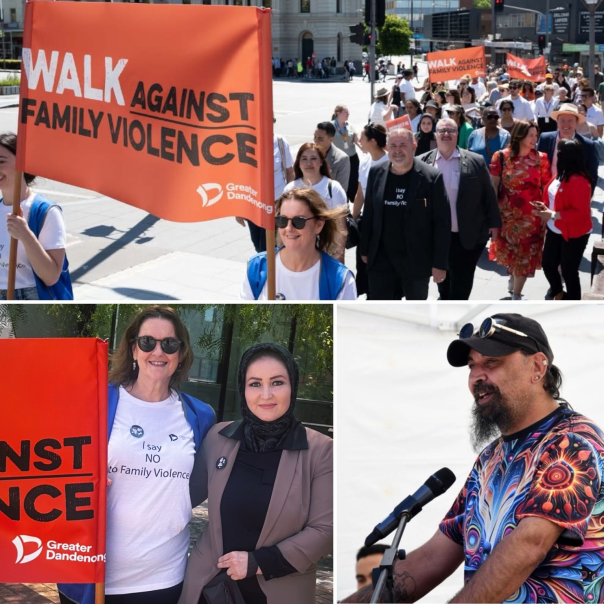
The call to action follows powerful local demonstrations of solidarity. Last month, the advocate joined over 1,000 community members in the City of Greater Dandenong’s annual Walk Against Family Violence—a visible testament to the growing collective resolve to address this critical issue.
The event was highlighted by a stirring address from keynote speaker Elvis Martin, whose personal insights resonated deeply with the diverse audience. “Hearing from voices like Elvis is powerful,” the advocate noted. “It connects the issue to real experiences and inspires others to speak up and seek change.”
The advocate directly linked the path to safer communities with two key pillars: the adoption of Australian family law and the promotion of healthy lifestyles. This dual approach, they argue, is essential for protecting the most vulnerable and shaping future generations.
“Understanding and adopting Australian law is non-negotiable for safety and justice,” they explained. “Coupling this with a healthy, respectful lifestyle creates the foundation we need. Together, they allow us to lead our younger generation toward a better, violence-free future.”
This perspective underscores a crucial mission within multicultural advocacy: navigating the complex intersection of cultural practices, legal rights, and community safety. As a bridge between Victoria Police and diverse communities, the advocate’s work focuses on ensuring all residents, regardless of background, know their rights, understand the law, and can access support without fear.
The message from Greater Dandenong is clear: ending gender-based and family violence is not a seasonal campaign. It is a sustained, community-wide effort that demands ongoing education, unwavering courage to challenge harmful norms, and a united front dedicated to safety for all.
The community is encouraged to seek information on family law and support services through local councils, legal aid, and family violence hotlines.

A Night of Light: Victorian Communities Stand in Solidarity Against Hate
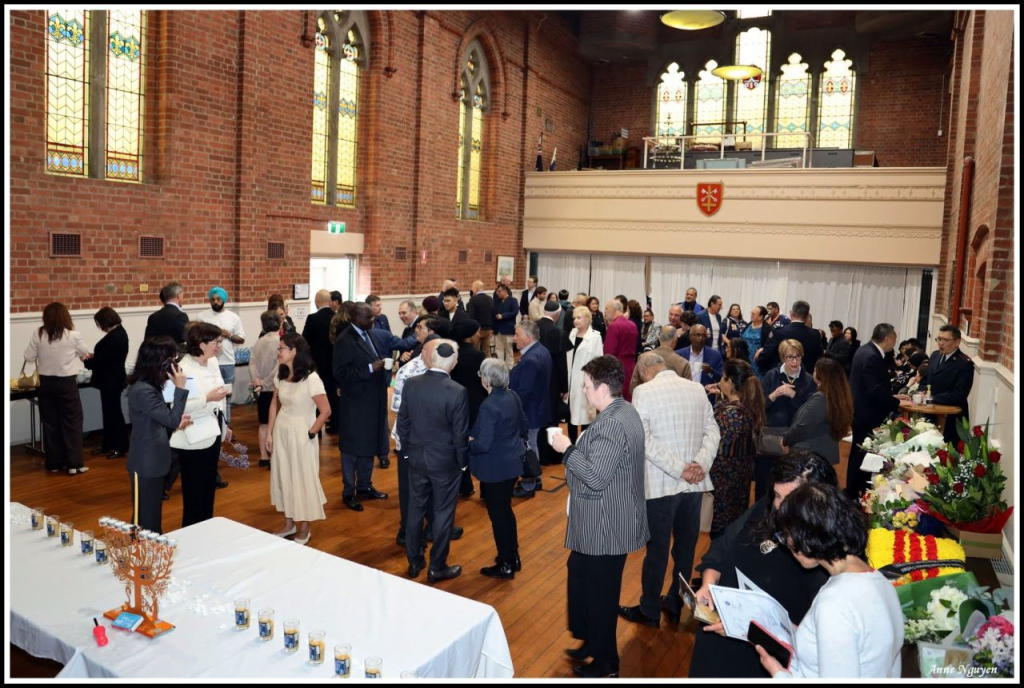
In a powerful display of unity, a coalition of Victoria’s diverse multicultural and multifaith communities gathered last night for a solemn vigil, offering a collective embrace to the Jewish community following the devastating antisemitic terror attack in Sydney.
Held at St Peter’s Eastern Hill Hall and convened by the Victorian Multicultural Commission (VMC), the event marked one week since the tragedy at Bondi Beach that claimed fifteen innocent lives. The vigil served as a profound reaffirmation of the state’s shared commitment to respect, compassion, and the unbreakable bonds of social cohesion.
“Antisemitism has no place in our society,” stated the VMC, a sentiment that echoed throughout the evening. “Together, we stand united against hate and violence, committed to building a Victoria where every community feels safe, respected and supported.”
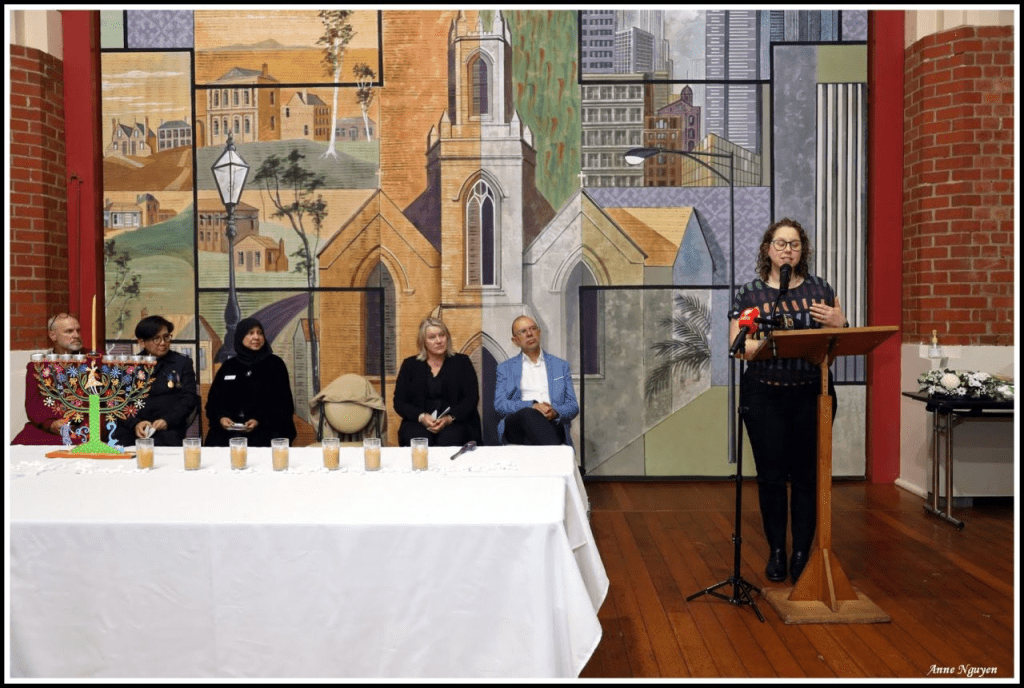
The ceremony saw leaders from across Victoria’s social fabric standing shoulder-to-shoulder. The Minister for Multicultural Affairs, Ingrid Stitt MP, joined the gathering, underscoring the government’s solidarity. The atmosphere was one of shared grief and unwavering support.
Naomi Levin, CEO of the Jewish Community Council of Victoria, delivered a heartfelt address, giving voice to the profound pain and anxiety reverberating through the Jewish community. “The trauma of such a targeted attack is deep and personal,” she shared with the assembled crowd, her words met with a respectful and empathetic silence.
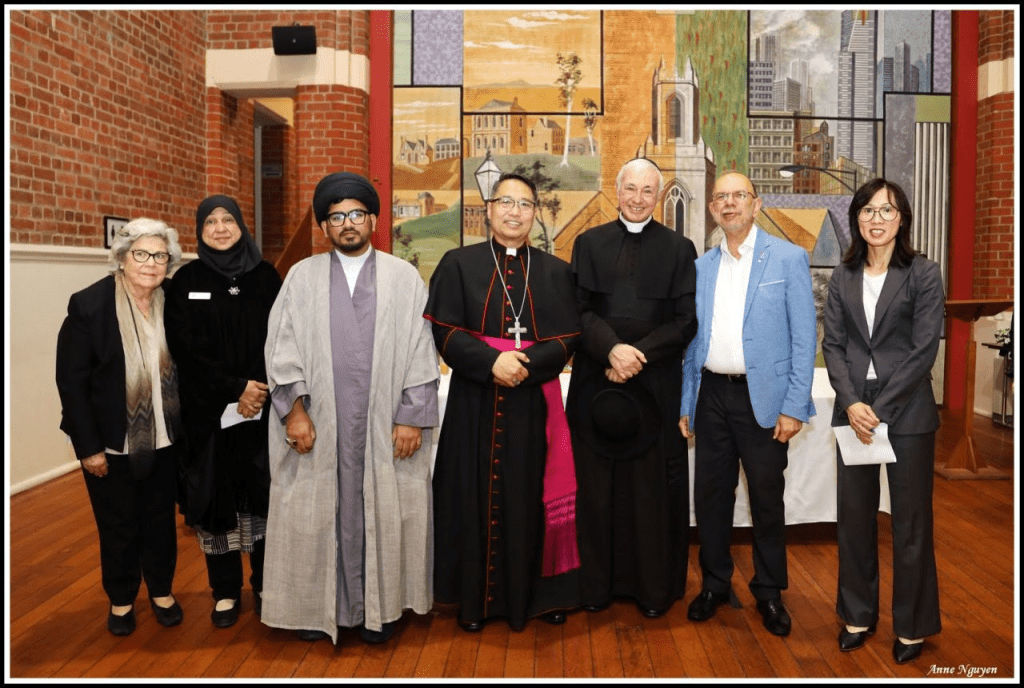
This theme of shared humanity was amplified by faith leaders. Archbishop Ric Thorpe, Phong Nguyen, and Batul Gulani each offered condolences and emphasised the critical importance of maintaining harmony and mutual understanding among all Victorians.
In one of the vigil’s most poignant moments, fifteen candles—provided by the Jewish Museum of Victoria—were lit by multicultural community leaders. Each flame represented a life lost in Sydney, a silent, glowing tribute to the victims. Following the lighting, Rabbi Ralph Genende OAM offered a moving memorial prayer, filling the hall with a spirit of remembrance and solace.
The evening culminated in a symbolic act of communal care. Together, the diverse assembly walked the candles and bouquets of flowers from the hall to the nearby East Melbourne Synagogue. This quiet procession through the streets was a visible testament to a simple, powerful truth: in Victoria, no community mourns alone.
The vigil, marked by the hashtags #UnityandSolidarity, #VMC, and #MulticulturalVictoria, stands as a clear counterpoint to the language of division. It demonstrated that the collective response to hatred is not fear, but a stronger, more determined fellowship—a promise etched in candlelight to protect the inclusive heart of the state.

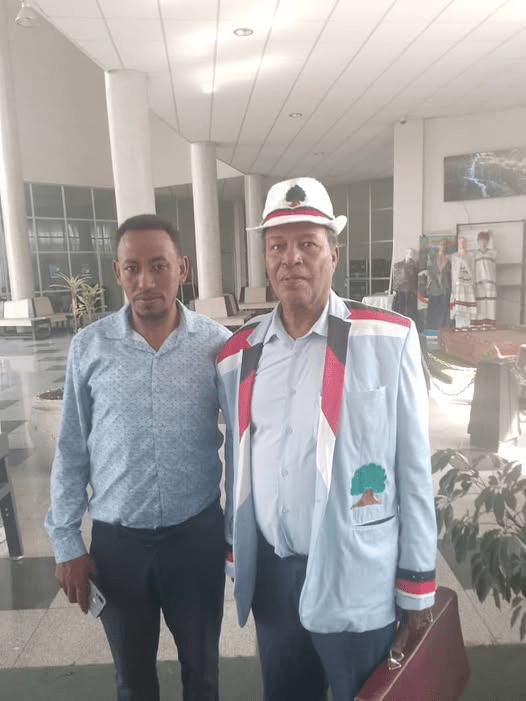
Oromo Solidarity: Struggles for Unity and Ownership

FEATURE NEWS
“WE ARE NOT FREE FROM FEAR”: A COMMUNITY LEADER’S SOBERING ASSESSMENT ON THE STATE OF OROMO SOLIDARITY
By Maatii Sabaa
Date: December 11, 2023
In a poignant and critical address that has resonated across the Oromo diaspora and within Ethiopia, Obbo Dirribi Damusee, the former Chairman of the influential Maccaa and Tuulamaa Association (MTA), has delivered a stark analysis of the current condition of the Oromo people. His message, steeped in the gravity of lived experience and historical awareness, cuts to the heart of contemporary struggles.
“The Oromo people today are not free from fear; they live in a state of fragmentation and internal division,” Dirribi stated, articulating a concern shared by many observers. “The community has awakened, yes, but it has not yet unified itself. It still lacks genuine ownership of its own cause.”
These words, shared during a recent community forum, transcend mere opinion. They represent a sobering diagnosis from a figure deeply embedded in the long history of Oromo organizational and intellectual resistance. The MTA, which Dirribi once led, is historically recognized as a crucial incubator for Oromo national consciousness, making his critique particularly significant.
Awakening Without Unity: The Core Dilemma
Dirribi’s statement draws a critical distinction between awakening and ownership. The Oromo people, especially following the watershed protests of 2014-2018, have undergone a profound political and cultural awakening. A new generation has fiercely challenged historical narratives and demanded rights, visibility, and self-determination.
However, Dirribi suggests this awakening has not yet crystallized into a sustained, unified, and self-directed movement. The term “of-birratee jira” (fragmented, divided) points to the internal fractures—political, ideological, and regional—that continue to hamper collective action. The “sodaarraa bilisa miti” (not free from fear) acknowledges the persistent climate of political repression, violence, and insecurity that prevents the full and free expression of Oromo political will.
The Challenge of “Ownership” (Keessummaa)
The most profound part of his message lies in the concept of “keessummaa” – ownership, agency, or authentic stewardship. Dirribi contends that for the Oromo struggle to transcend reaction and achieve its objectives, the community must move beyond being merely awakened to external stimuli. It must cultivate an internal, collective ownership of its institutions, its political projects, and its future direction.
This implies building resilient, accountable, and transparent structures that are truly of the people, by the people, and for the people. It is a call to move from protest to sustained institution-building, from fragmented reactions to a cohesive, long-term strategy owned by the community itself.
A Veteran’s Voice in a Critical Time
Obbo Dirribi Damusee’s intervention comes at a critical juncture. The Oromo people, and Ethiopia at large, face immense uncertainty. His words serve as both a caution and a guide:
- A Caution: Against the dangers of division and the illusion that awakening alone is sufficient. Fear and fragmentation remain formidable adversaries.
- A Guide: Toward the harder, more meticulous work of building internal unity, fostering genuine leadership accountable to the people, and claiming full ownership of the struggle’s direction and destiny.
The message is clear: the path to true freedom requires conquering internal divisions as surely as it requires confronting external obstacles. The awakening was the first, essential step. The challenge now, as framed by this elder statesman, is to transform that awakening into an unshakeable, self-determined unity. The question left to the community is how to answer this call.




 Advocacy for Oromia