The 75th Goba Ceremony: A Legacy of Democracy in Oromia

FEATURE: 75th Goba System Ceremony in Oromia Showcases Living Gadaa Legacy for Modern Development
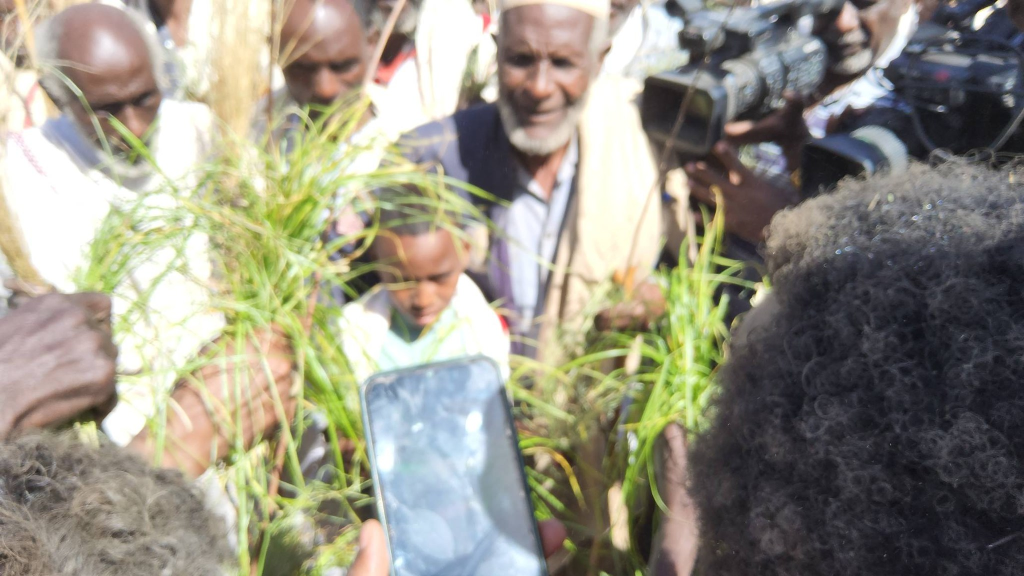
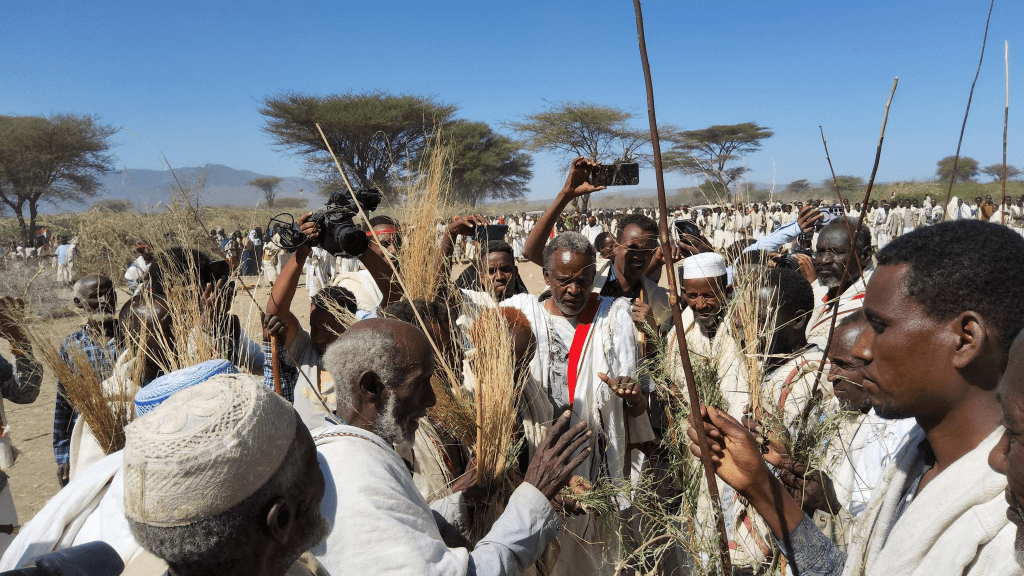
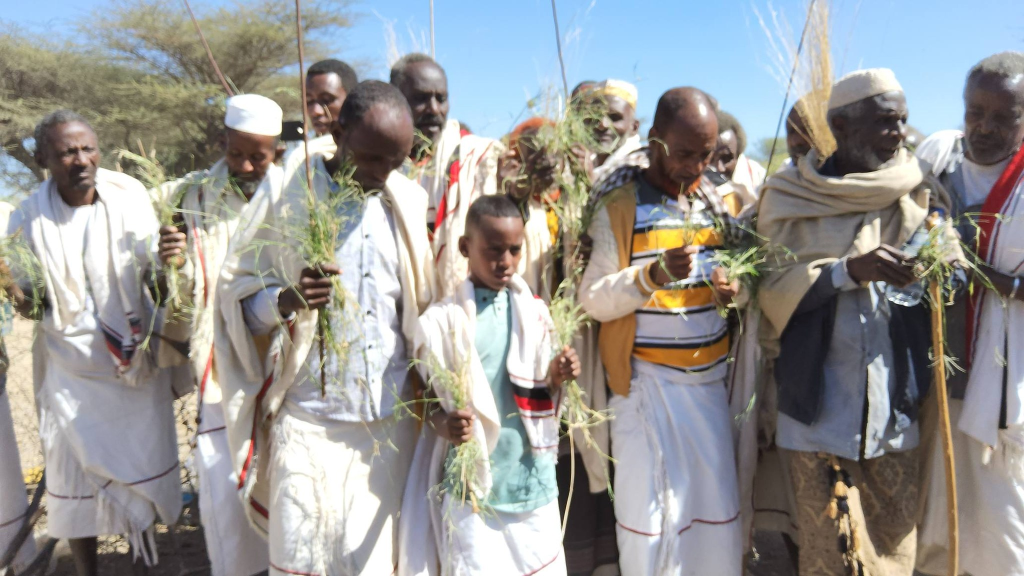
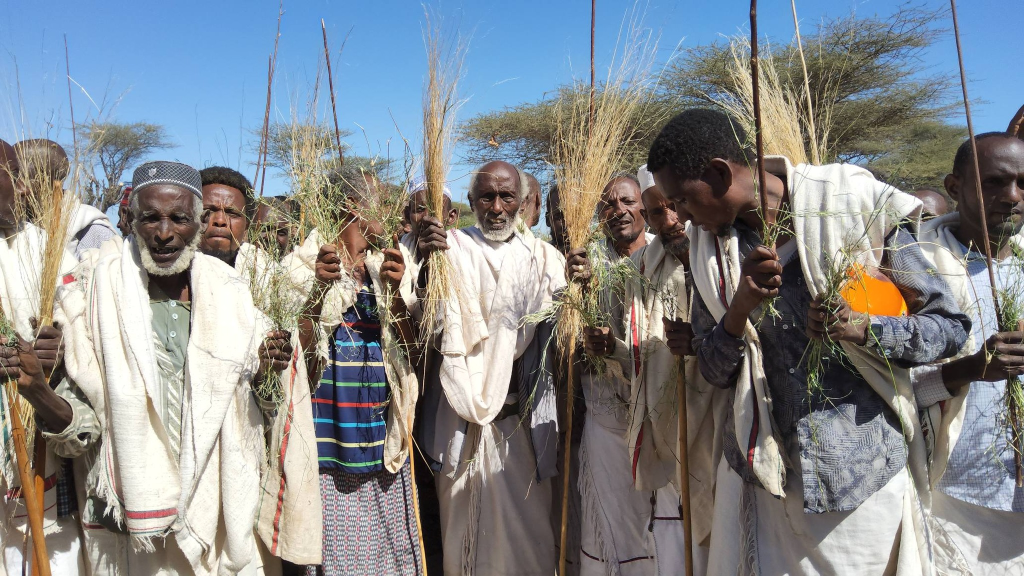
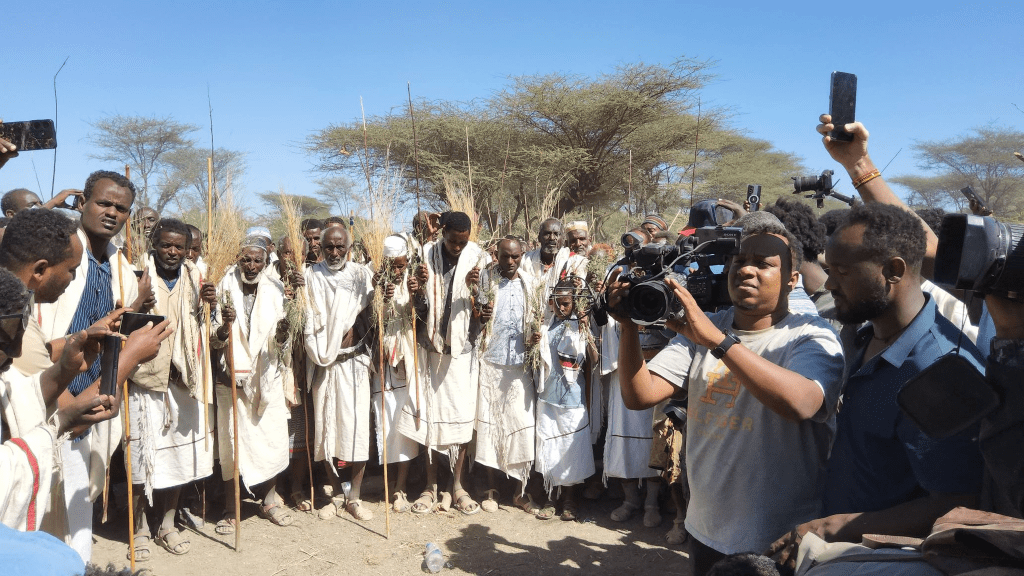
ARDHA JILA TARE LEDI, Fantale District, East Shewa, Oromia – In a vibrant display of living heritage, the 75th Gadaa System handover ceremony, known as Goba, was successfully held last week, transferring leadership from the outgoing Gadaa Michile (age-set in power) to the incoming Gadaa Halchisa. The ceremony, meticulously observed in Ardha Jila Tare Ledi, underscores a determined revival of a system once under pressure, now being actively harnessed for contemporary social and economic progress.
The Gadaa system, the indigenous democratic socio-political governance system of the Oromo people, is more than a cultural ritual. As emphasized by speakers at the event, it is a repository of values increasingly seen as crucial for national development.
From Ritual to Resource: Gadaa Values for Modern Development
Gobenya Hola, Secretary of the Union of Tulema Abba Gadaas and Oromo Abba Gadaas, articulated this forward-looking vision. “The Gadaa system possesses values useful for the country’s development and growth,” Hola stated. He highlighted ongoing efforts to make these values serve economic and social development, pointing to the Busa Gonofa—a traditional conflict resolution and reconciliation method—as a prime example now being implemented at the regional state level.
Furthermore, Hola detailed structural initiatives to integrate Gadaa into governance, noting the establishment of traditional courts (Sirnaa Seeraa) down to the smallest administrative unit (Kebele) to ensure justice is accessible through the system’s principles.
A System Reclaimed and Institutionalized
Abba Gadaa Gobenya also outlined the remarkable institutional comeback of Gadaa. “The Gadaa system and its value, which had weakened due to various reasons, is being restored,” he declared. This revival is now formalized within the education system, with curricula developed for schools to teach the principles of Gadaa, actively guiding the public.
“The focus now transcends just strengthening and preserving Gadaa,” he continued. “We are working intently to apply it to the nation’s landscape development, and to make it serve social and economic progress.”
Ensuring Democratic Continuity
The Union of Oromo Abba Gadaas is also leveraging the system’s inherent democratic checks and balances. Through the union, efforts are underway to ensure the Baallii (term of power) is not extended and that the transfer of power is timely and orderly—a principle at the very heart of the Gadaa cycle’s eight-year leadership transition.
Preparations are already in motion for the next major transition in the upcoming Ethiopian year (2018 E.C.), where the 70th Tulema Oromo Abba Gadaa will formally hand over authority to the 71st.
A Testament to Enduring Democracy
Other participants echoed the system’s contemporary relevance. Abba Gadaa Sabu Godana noted that the Goba ceremony itself is a testament to how profoundly democratic the Gadaa system is. He explained the ceremony’s symbolism, marking the transfer of leadership from the Karrayyu clan to members of the Dulecha clan, a rotation predetermined by the system’s generational classes.
Abba Gadaa Qumbi Waqeyo, organizer for the Boset District Abba Gadaa Committee, framed the system in national terms. “The Gadaa system, founded on democratic principles, is one under which peace and development continue, and a nation and generation is built,” he said. He issued a collective call to action, urging the current generation to work together to safeguard the system’s values, support its structures, and ensure its implementation for a resilient future.
The successful ceremony in Fantale stands as a powerful symbol: a millennia-old system is not only being preserved but is being actively studied, structured, and promoted as a viable framework for governance, justice, and sustainable development in modern Ethiopia.

Posted on January 7, 2026, in News. Bookmark the permalink. Leave a comment.




 Advocacy for Oromia
Leave a comment
Comments 0