Daily Archives: January 8, 2026
The Legacy of Ilfinash Qannoo: Music and Resilience
FEATURE NEWS
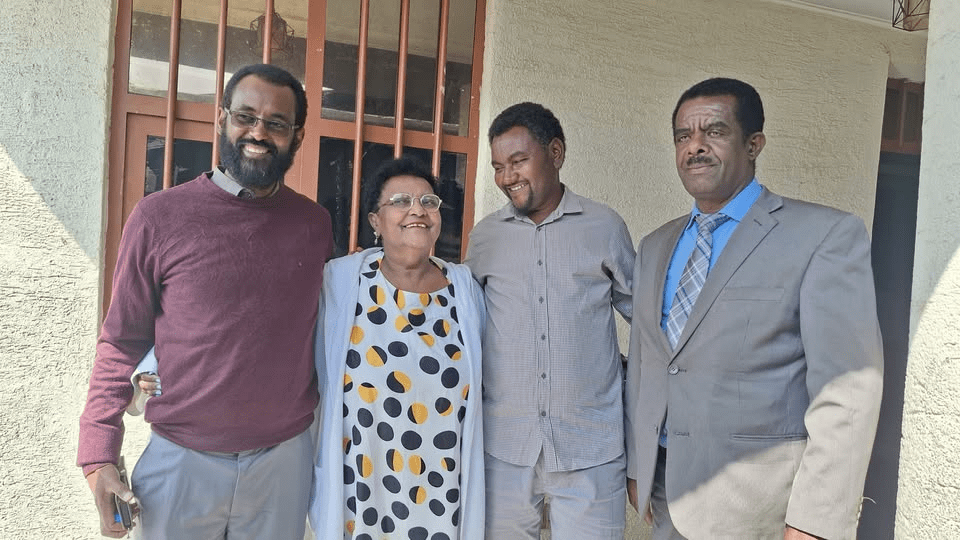
In Memory and Celebration: Ilfinash Qannoo — A Mother, an Icon, a Struggle’s Melody
Finfinnee, Oromia — In homes, on stages, and in the quiet moments of remembrance, a name is being spoken with a blend of reverence, love, and profound loss: Ilfinash Qannoo. More than an artist, she was a Kabajamtuu (honored one), a Haadha (mother), and a Qabsooftuu (one who struggles). Her life and voice became intertwined with the identity and aspirations of a people, making her passing not just the loss of a person, but the silencing of a powerful symbol of resilience and love.
Ilfinash Qannoo’s artistry transcended mere performance. Her songs, often imbued with the deep cultural motifs and the subtle yearnings of the Oromo people, served as a soundtrack to both everyday life and collective struggle. She did not simply sing songs; she gave voice to a history, to joys, to sorrows, and to an enduring hope. In this, she became a “mallattoo cichoominaati” — a symbol of identity. Her music was a vessel carrying the language, the pain, and the beauty of her community, affirming its existence and its right to be heard.
Yet, perhaps the most universally resonant title bestowed upon her is “Haadha Jaalalaa” — a Mother of Love. This speaks to the nurturing quality of her presence, both personal and public. For her biological family, she was the center of love and care. For her wider community, she offered a maternal embrace through her art, providing comfort, strength, and a sense of belonging. She mothered a cultural spirit, tending to it with her voice and her unwavering presence.
The brief, poignant tribute now circulating—”Umrii nuuf haa dheerattu”—carries a world of meaning. “May she live long for us” is not merely a wish, but a declaration. It acknowledges that while her physical journey has ended, the essence of Ilfinash Qannoo—her music, her symbolism, her love—is a permanent inheritance. Her life will continue to resonate, to inspire, and to fortify those who hold her memory.
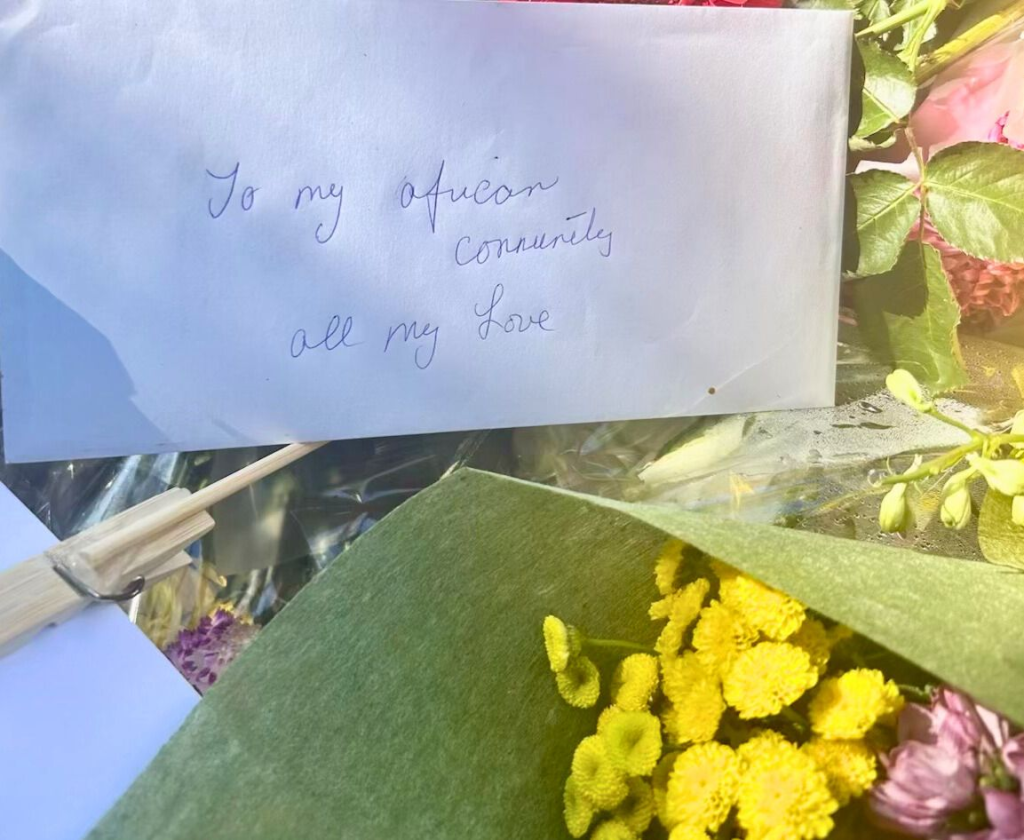
Her legacy exists at a powerful intersection: the intimate space of family mourning a beloved matriarch, and the public sphere honoring an artist who channeled a people’s soul. As flowers are laid and her songs are played anew, the community is not just saying goodbye. They are affirming that the struggle she gave voice to continues, the identity she symbolized remains unbroken, and the love she embodied is eternal.
Ilfinash Qannoo: Haadha, Qabsooftuu, Artistii. Her melody is now a memory, but its rhythm beats on in the heart of a people.
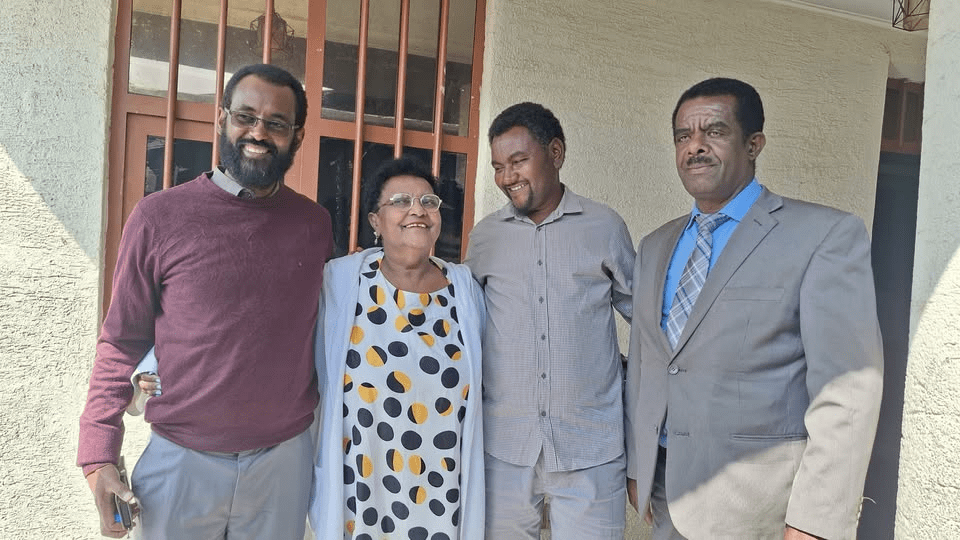

Community Mourns Loss of Melbourne Teenager, Calls for Action to Prevent Further Tragedies

Melbourne, VIC – The Ethnic Communities’ Council of Victoria (ECCV) has extended its deepest sympathies to the family and friends of 16-year-old Ater Good, who was killed near his home on a Fitzroy street in the early hours of Saturday morning.
The tragic death has sent waves of grief through the local community, particularly impacting Victoria’s South Sudanese community, who are mourning yet another young life lost.
“We are deeply aware of the impact this tragic event has had on Victoria’s wider South Sudanese community,” an ECCV spokesperson said. “Too many young lives have already been lost over the past year, and community leaders are right to ask why.”
Ater has been described by his family as a deeply loved and cherished son and friend. Victoria Police are investigating the circumstances surrounding his death.
In a statement, the ECCV expressed solidarity with South Sudanese families and community members who are rallying to support one another during this painful time. The council also acknowledged the community’s urgent calls for answers and concrete measures to improve safety.
“ECCV stands with South Sudanese families and communities who are supporting one another at this time,” the spokesperson added. “We also acknowledge their urgent calls for safety, answers, and practical action, so that no more families have to experience such loss.”
The loss of Ater Good has amplified concerns about youth safety and community violence, with many urging greater support for young people and stronger intervention strategies to prevent future tragedies.
Funeral arrangements and community-led vigils are being organized, as friends, family, and community leaders come together to mourn and seek a way forward.

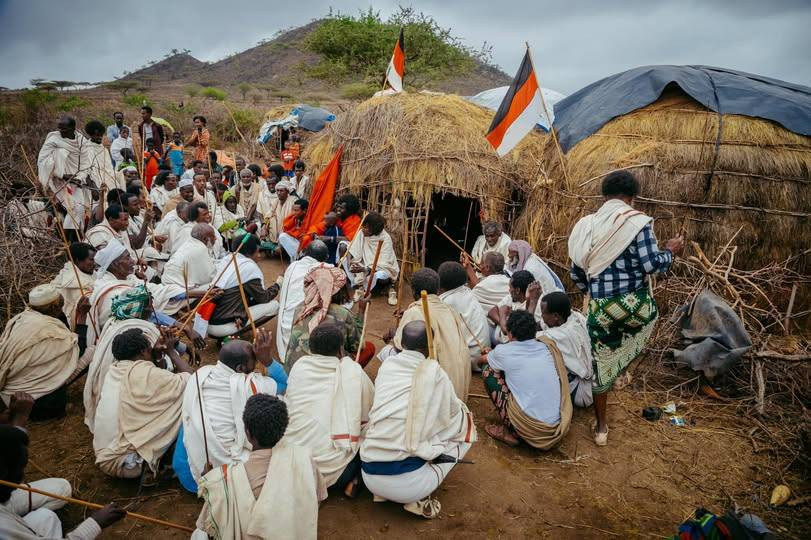
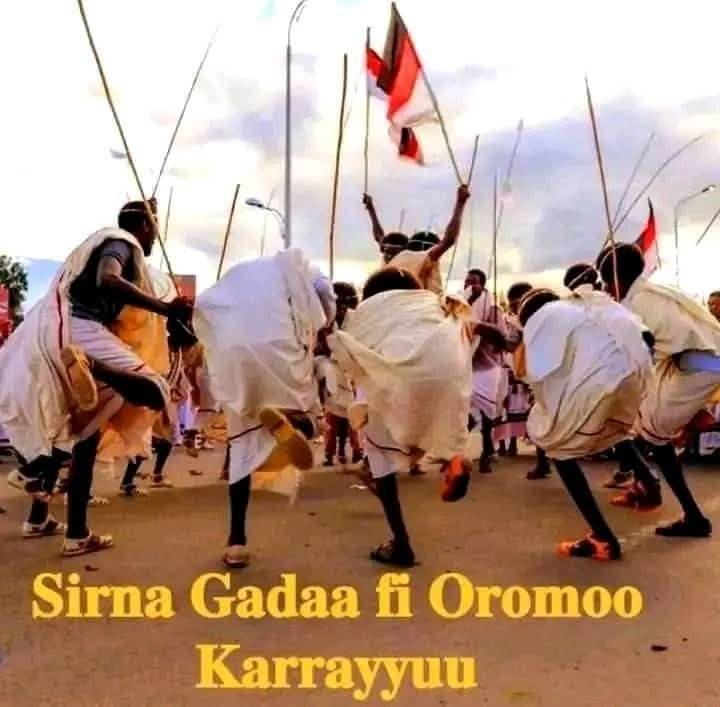
Understanding the Karrayyu’s Role in Buttaa Qaluu
FEATURE COMMENTARY
Buttaa Qaluu: The Gadaa Ceremony of Consecration and the Sacred Bond of Karrayyu Stewardship
In the heart of Oromia, among the intricate pillars of Gadaa governance and ritual, there exists a sacred ceremony known as Buttaa Qaluu. Often referred to poetically as “Irreecha goobaa kennuu” — the giving of the festival of Irreecha — this ritual transcends mere celebration. It is a profound act of spiritual and political consecration, a moment when cyclical authority is solemnized, and the land itself is entrusted to its guardians.
The ceremony is anchored in a specific and revered geography: the plains of Tarree Reeddii, within the territory of the Warra Baasoo in the Ardaa Jilaa district. This is not a random location. Tarree Reeddii is more than land; it is a historical and ritual fulcrum, a site where the cosmic order reflected in the Gadaa system touches the earth.
The text reveals a crucial dimension of this ritual: “Tarree Reeddii ardaa jilaa Karrayyuun itti baallii waliif dabarsee kennuu dha.”
(It is at Tarree Reeddii in Ardaa Jilaa that the Karrayyu mutually confer and bestow the Baallii [authority/term of power].)
This single line unravels deep layers of meaning:
- The Karrayyu as Custodians of the Ritual: The ceremony is intrinsically tied to the Karrayyu clan, a major Oromo lineage known as stalwart guardians of Gadaa traditions. Their role here is not passive; they are the active conduits and mediators of power. The act of “mutually conferring” the Baallii suggests a collective, deliberative process rooted in consensus, a core democratic principle of Gadaa.
- Baallii: More Than Just Power: The Baallii is the Gadaa grade of leadership, an eight-year term of political, military, and ritual authority. Its conferral is the climax of the Buttaa Qaluu. The use of “kennuu” (to bestow/give) frames this not as a seizure of power, but as a sacred offering and a heavy responsibility being passed from the outgoing Gadaa class to the incoming one, under the auspices of the Karrayyu and witnessed by the community and the divine (Waaqa).
- Irreecha Goobaa Kennuu – A Metaphor of Renewal: Linking this ceremony to Irreecha (the Oromo thanksgiving festival) is deeply symbolic. Irreecha celebrates the end of the dark rainy season and the blossoming of spring; it is a festival of gratitude, cleansing, and renewal. To call Buttaa Qaluu the “giving of Irreecha” implies it is the source of that renewal, the ritual moment that ensures the cyclical rebirth of the natural and social order. The new leadership (Baallii) is thus bestowed as a gift to the people, meant to usher in a season of peace, fertility, and justice.
The Larger Significance
The Buttaa Qaluu at Tarree Reeddii is therefore a linchpin in the Gadaa universe. It is:
- A Transfer of Mandate: The peaceful, ritualized transfer of supreme authority.
- A Covenant with the Land: The ceremony ties the new leaders’ legitimacy to a specific, sacred geography, grounding their rule in the soil and history of their people.
- A Clan’s Sacred Duty: It highlights the essential, non-competitive role of specific clans like the Karrayyu as upholders of the system’s integrity.
- A Living Democracy: It demonstrates Gadaa as a living system where power is not taken but received, not owned but held in trust, and always linked to the well-being of the community and the environment.
In an era where political transitions are often marked by conflict, the image of the Karrayyu at Tarree Reeddii, overseeing the mutual and solemn bestowal of the Baallii, stands as a powerful testament to an indigenous African model of democratic renewal, sacred stewardship, and enduring peace.
This ceremony reminds us that true authority is a gift given by the people, through tradition, for the renewal of all life.




 Advocacy for Oromia