Daily Archives: January 12, 2026

Condemnation of Islamophobia in Melbourne: A Call for Unity

FOR IMMEDIATE RELEASE
Community Leaders Unite in Condemnation Following Islamophobic Attack in Melbourne’s South-East
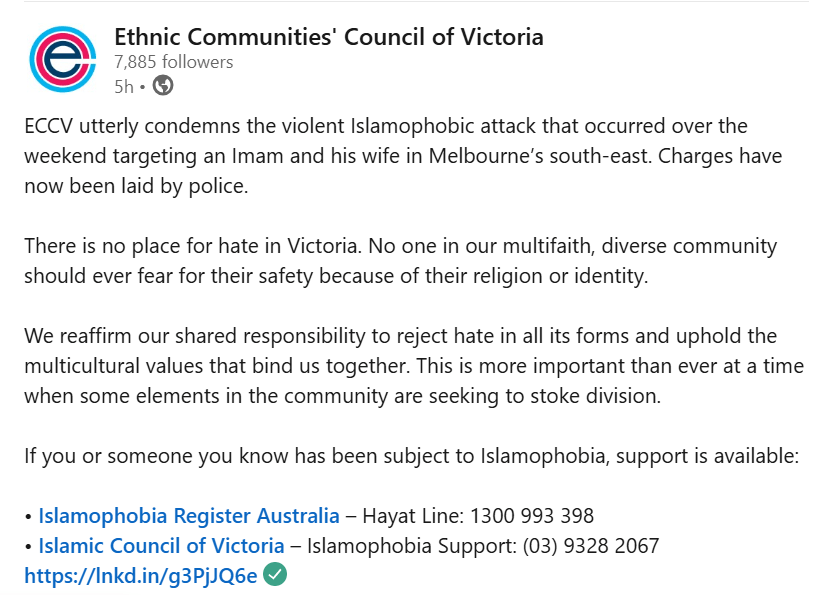
MELBOURNE, VIC – The Ethnic Communities’ Council of Victoria (ECCV) has issued a strong condemnation following a violent Islamophobic attack over the weekend that targeted an Imam and his wife in Melbourne’s south-eastern suburbs. Victoria Police have confirmed that charges have now been laid in connection with the incident.
In a firm statement, the ECCV declared, “There is no place for hate in Victoria.” The council emphasized that in the state’s multifaith and diverse community, no one should ever fear for their safety because of their religion or identity.
“We utterly condemn this attack,” an ECCV spokesperson said. “We reaffirm our shared responsibility to reject hate in all its forms and uphold the multicultural values that bind us together. This is more important than ever at a time when some elements in the community are seeking to stoke division.”
The attack has sent shockwaves through Victoria’s Muslim communities and drawn widespread concern from interfaith and multicultural leaders. It underscores a worrying trend of rising religious intolerance and highlights the urgent need for community solidarity.
Support Available for Victims
The ECCV has directed those affected by Islamophobia to crucial support services, reiterating that no one should suffer in silence.
Available resources include:
- Islamophobia Register Australia – Hayat Line: 1300 993 398
- Islamic Council of Victoria – Islamophobia Support: (03) 9328 2067
- Online reporting and support via the Islamic Council of Victoria’s website.
A Call for Unity and Vigilance
The incident has prompted a renewed call from community leaders for Victorians to stand together against bigotry. Leaders are urging the public to actively support their Muslim neighbours, report incidents of hate, and foster dialogues that reinforce mutual respect and understanding.
“An attack on one faith leader is an attack on the fabric of our entire multicultural society,” the ECCV statement concluded. “We stand in solidarity with the victims and with all Victorian Muslims, and we call on every member of our community to join us in loudly and clearly rejecting hatred and violence.”
The ECCV and other peak bodies are expected to work closely with faith groups and authorities in the coming days to address community safety concerns and promote cohesion.

Exploring ‘Daaniyaa’: A Journey of Resistance and Identity

The Unbroken Pen: “Daaniyaa” and the Price of Truth in Captivity
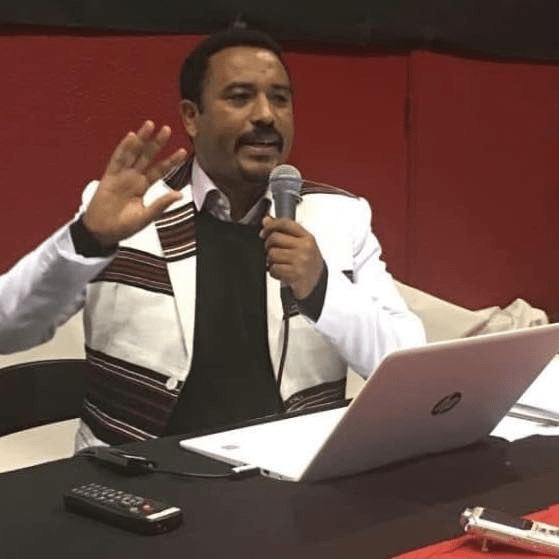
In a quiet but profound literary offering, a book titled “Daaniyaa” has emerged from a place of enforced silence, carrying a message that resonates far beyond its pages. “A person who reads this book, Daaniyaa,” it is said, “will not lose their faith, but will find their identity within it.” This is more than a tagline; it is a declaration of the book’s purpose and the defiant spirit of its author, Dhaabassa Waaqjiraa, who wrote it from within a prison cell.
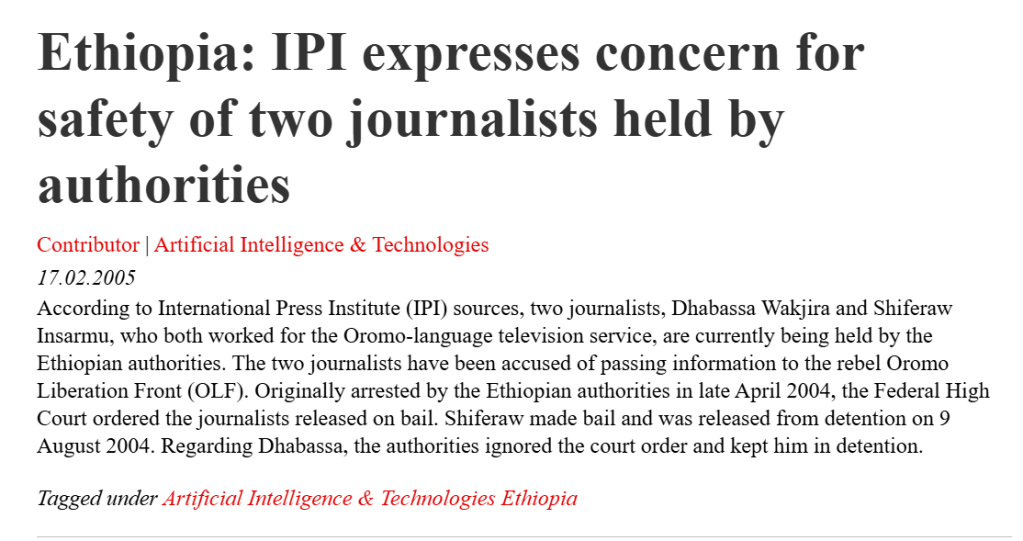
The story of Daaniyaa is inextricably linked to the story of its creator, a narrative that reveals the high cost of integrity within a repressive system. Dhaabassa was not an anonymous activist in the shadows but a professional within the system itself—a producer for the Afaan Oromoo program at the Ethiopian Television (ETV). His colleagues from that time attest to his diligence and strength, calling him a “hard worker.” Yet, it was precisely this platform that became the stage for his principled stand, which would ultimately lead to his downfall.
His crime, as framed by the then-ruling EPRDF and its security apparatus (IHADIG), was a classic example of how truth-telling is criminalized. During a period when the city of Adama (Nazareth) was controversially designated as the “capital of Oromia,” Dhaabassa did what any responsible journalist and Oromo citizen might do: he challenged the official narrative on air. He presented evidence, arguing that Adama could not functionally serve as the regional capital, citing its history as a site of recurring conflict and displacement, particularly referencing the turbulent period of 1994/95.
This act of professional and civic duty was not received as such. It was twisted into an act of subversion. The state’s machinery swung into action: he was accused of having “ties with the enemy” for opposing the capital designation, and other pretexts were fabricated. Along with a colleague, Shifarra, he was arrested and imprisoned. His career was not just ended; it was used to paint him as a traitor.
Courtesy: https://www.pambazuka.org/categories/media-freedom-expression?page=150
But here lies the remarkable turn in this story: captivity became a crucible for creation. It was from within this very prison that Dhaabassa Waaqjiraa, alongside fellow inmates, gathered testimonies and composed Daaniyaa. The book is therefore a physical artifact of resistance—a testament that the walls meant to silence him only focused his voice. It embodies a powerful truth: “People who give themselves for their nation want to do something. To accomplish what they have envisioned, no circumstance or time is a limit to them. Their work is not measured by personal gain.” Dhaabassa himself is living proof.
The publication of Daaniyaa prompts a challenging reflection for the reader and the wider Oromo intelligentsia: “If you were in his place, could you have written this book? It doesn’t seem so to me.” This is not a challenge of capability, but of courage and commitment. It asks us to measure our own resolve against the standard set by those who write history from their shackles.
The final call is both an invitation and a charge: “Let the generation buy and read this book. You become for your nation what you are for yourself. You will find yourself in Daaniyaa.”
Daaniyaa is more than a memoir or a historical account. It is a mirror held up to the Oromo struggle, reflecting the enduring battle for narrative sovereignty, the persecution faced by those who speak inconvenient truths, and the indomitable will to create identity and history even from the darkest of places. It is a story of how a prison sentence was transformed into a sentence of liberation, written one word at a time.

Historic Odaa Roobaa Gathering: Heero Council Unites Arsii

Historic Gathering at Odaa Roobaa: The Heero Council Ascends, Uniting the Five Branches of Arsii
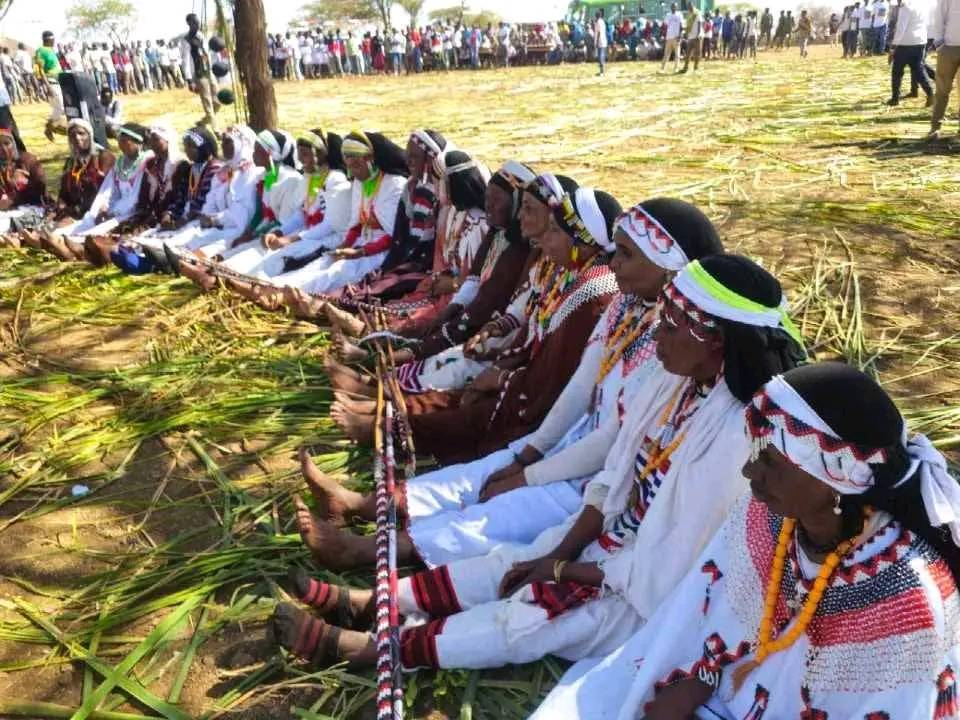
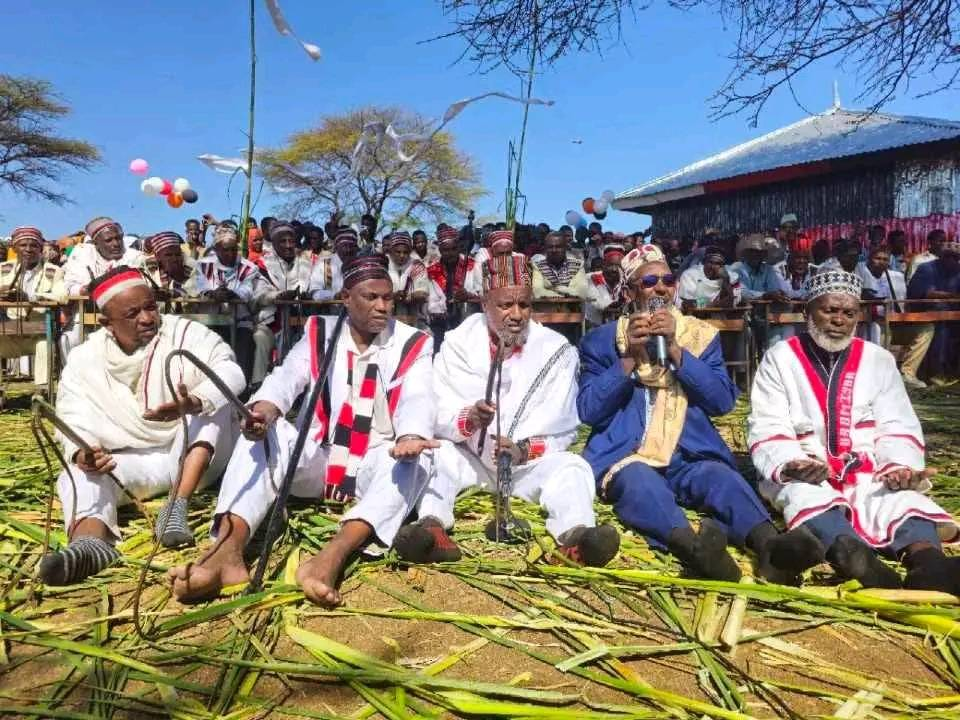
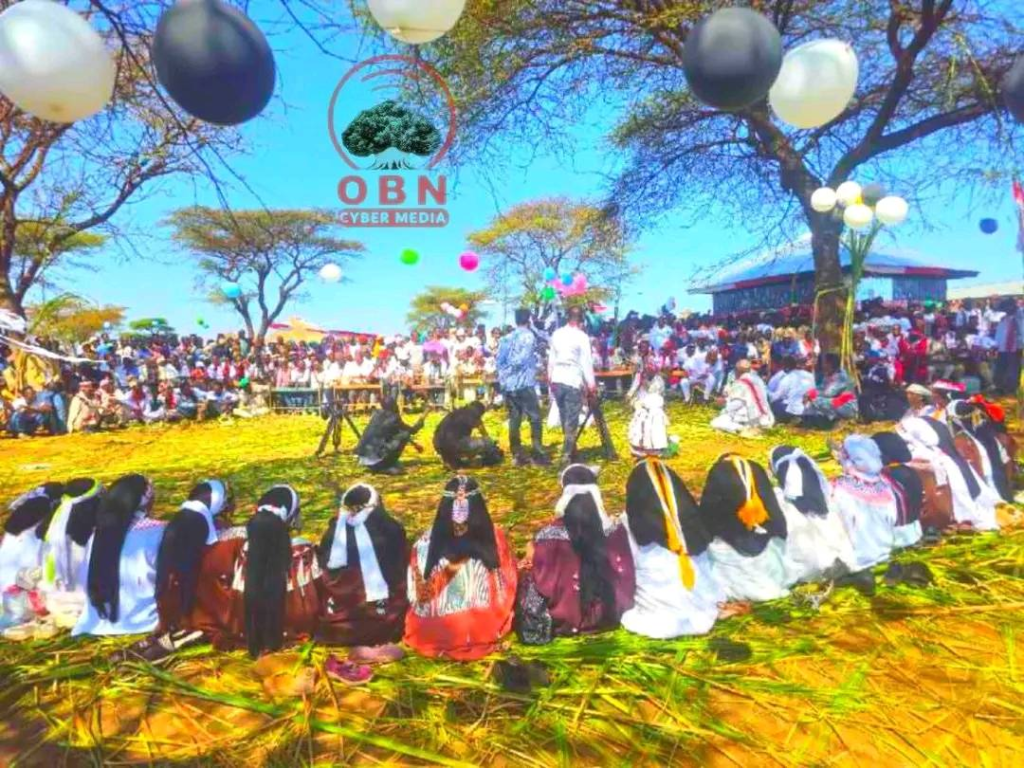
In a landmark ceremony resonating with deep historical significance, the 20 Dhaddachas (Gadaa class leaders) of the Arsii Sikkoo Mandoo generation gathered under the sacred Odaa Roobaa sycamore. From this assembly, the most senior and pivotal leader, the Dhaddacha Heeroo, has formally risen, marking a decisive moment in the restoration and unity of the Arsii Gadaa system.
The ascension of the Dhaddacha Heeroo is the culmination of a major decree passed during the recent Dhaddacha Guutaa (Grand Assembly). This decree, rooted in a call made by the Abbaa Gadaa of all Arsii, Aliyyii Muhaammad-Suruur, mandated the reconstitution of this supreme council. Its purpose is to reunite the five historic branches (Baalli) of the Arsii nation—Birmajii, Bultuma, Bahara, Horata, and Roobalee—whose people are spread across the lands of Baale, Diida’a, Gadab, Albaso, Laangannoo, and Dambal.
A Unifying Vision for a Dispersed People
Abbaa Gadaa Aliyyii Muhaammad-Suruur, during his term of office, has spearheaded efforts to bring the dispersed children of Sikkoo Mandoo back to their rightful place within the Gadaa structure. Strengthening this mission, the recent decrees are a high-level strategy designed to foster unity among the five branches. The plan specifically allocates a dedicated week for the branches to meet, allowing communities separated by distance to see each other, share ideas, and discuss their collective concerns.
A Community’s Determined Effort
The successful execution of this profound ceremony is credited to the exceptional effort and organization of the broader community, particularly the people of Baalee Bahaa and the residents of the historic Laga Hidhaa district. Their deep commitment to the success of this Gadaa event underscores the living, community-driven nature of the institution.
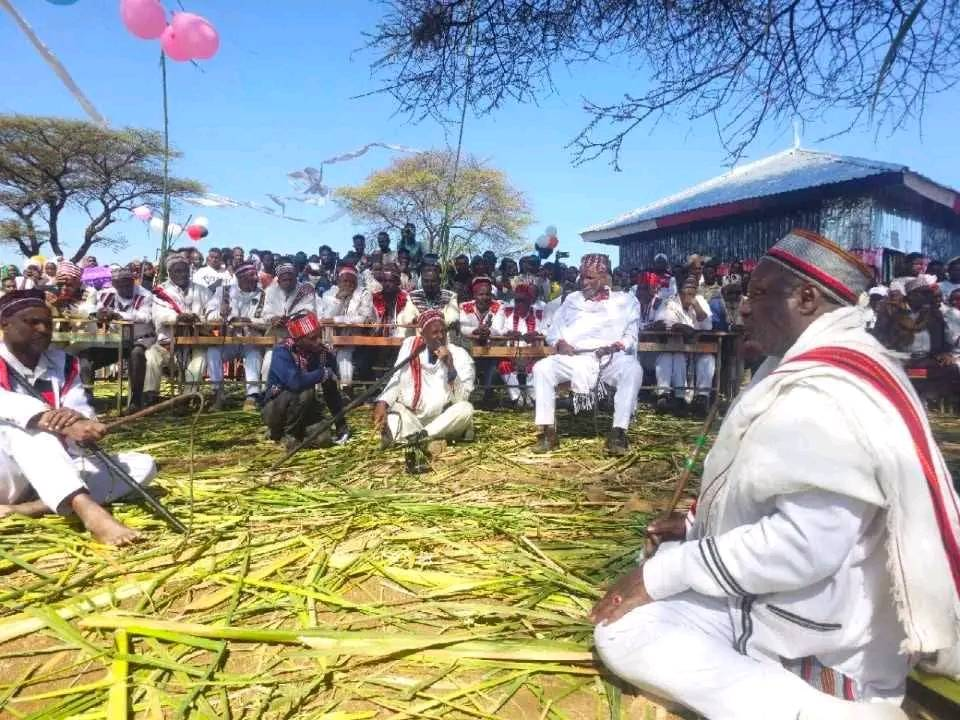
This gathering at Odaa Roobaa transcends ritual. It is a powerful act of political and cultural revitalization, signaling the Arsii Sikkoo Mandoo’s intent to reclaim the cohesion and governance envisioned by their forefathers. As the Heero council takes its place, it reaffirms the core Gadaa principle: “Gadaan ta misaaf mirgaati” — “Gadaa is both a duty and a right.”
The rise of the Heero is not just a return to formality; it is the reassembly of a people’s parliament under their sacred tree, ready to guide their future through the ancient, yet ever-relevant, laws of balance, justice, and collective responsibility.




 Advocacy for Oromia