Daily Archives: January 27, 2026

From Struggles to Joy: Honoring Father’s Journeys
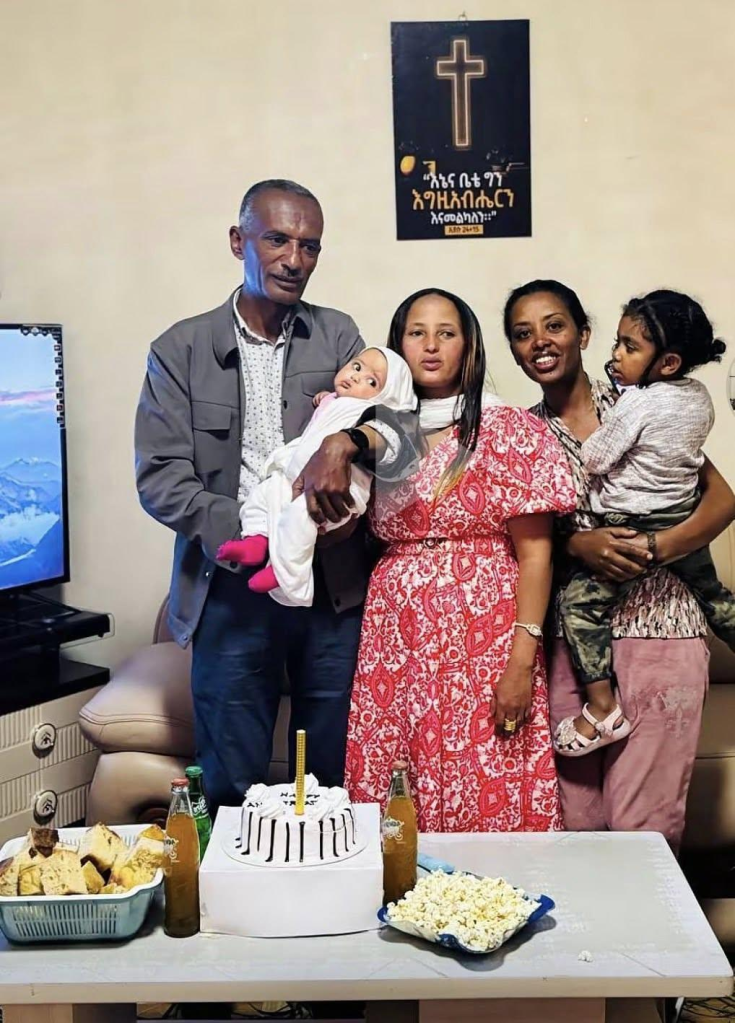
For Our Comrade:A Commentary on Triumph Through the Storm
By Dhabessa Wakjira
Sometimes, the most profound stories of triumph are not told on public stages or captured in headlines. They are whispered in quiet prayers of gratitude, wrapped in the simple, seismic words: “You made it.”
A recent, poignant social media tribute captured this essence perfectly. Dedicated to a brother named Masfin Ittaanaa on his child birthday, it read: “Haadhoo koo, Masfin Ittaanaa, baga Waaqayyo guyyaa kanaan si gahe; rakkoo fi dararaa san keessa dabartee guyyaa gammachuu kana gahuu keetti hedduun gammade. Waaqayyo haa galatoomu!”
Translated, it is a powerful ode: “My brother, Masfin Ittaanaa, thank God you have reached this day; having passed through that hardship and pain to arrive at this day of joy, I am so happy. Thank God!”
This is more than a birthday wish. It is a testimony. It is a eulogy for struggles endured and a celebration of survival won. In its brevity, it lays bare a universal truth about the lives of countless brothers and sisters, particularly those who have navigated the turbulent waters of displacement, conflict, or profound personal sacrifice.
The message does not name the “rakkoo fi dararaa” – the hardship and pain. It doesn’t need to. Their shadow is present in the brilliant light of the joy that followed. This intentional silence is respectful; it acknowledges that some battles are too sacred, too deeply carved into a person’s soul, to be itemized for public consumption. What matters is the outcome: he passed through. The imagery is not of avoiding the storm, but of walking directly through its core and emerging, scarred but standing, on the other side.
This reframes the celebration. The joy of the day is not merely the marking of another year, but the honoring of a journey. The birthday becomes a monument to resilience. Every laugh shared, every bite of cake, every gathered family member is a victory flag planted on the hard-won ground of survival.
And at the heart of it all is the child, witnessing. “Hedduun gammade” – “I am so happy.” This happiness is layered with relief, awe, and a depth of love that only comes from having seen the cost. It is the happiness of a witness who understands the price paid for the peace they now enjoy.
Finally, the closing prayer, “Waaqayyo haa galatoomu!” – “Thank God!” – roots this personal triumph in a larger frame of grace and faith. It speaks to a worldview where survival is not solely an individual’s toughness but also a manifestation of divine favor or ancestral strength, a shared burden and a shared deliverance.
In our culture of highlighting only the polished, perfect outcomes—the success without the struggle—this tribute is a necessary correction. It honors the process as much as the result. It reminds us that the most deserving celebrations are often for those who have weathered silent storms.
So, to all the Masfin’s, the brother and father who have dabarte—passed through—we offer more than birthday greetings. We offer our deepest recognition. Your joy is not a simple emotion; it is a testament. Your survival is our inheritance. And your arrival at this day, against all odds, is perhaps one of the most powerful definitions of victory we will ever know.
Galatoomaa. Waaqayyo haa galatoomu.
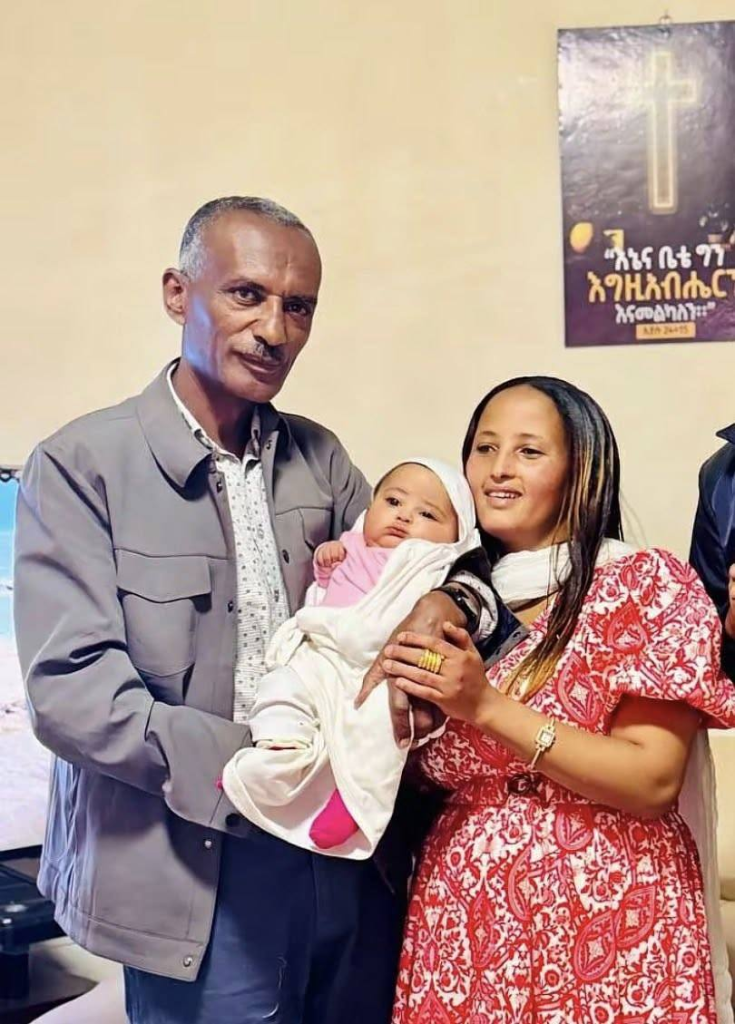

Resilience Amidst Cold: A Celebration of Community and Joy

Finding Warmth in the Cold: A Commentary on Resilience, Home, and Defiant Joy
By Maatii Sabaa
In a world saturated with curated perfection, a birthday post from Minnesota activist and community figure Najat-Sakayyee Hamza offered something more substantive: a masterclass in nuanced resilience. Her message, shared on her birthday, was not a simple scroll-past celebration. It was a layered reflection on holding personal joy and communal concern in each hand, and finding the unique strength of home in a seemingly inhospitable climate.
The opening – “Another year around the sun, alhamdulillah” – grounds the moment in gratitude, a spiritual acknowledgement of life’s journey. The tease of “exciting news” regarding personal growth is the kind of forward-looking energy that fuels us. But Hamza immediately pivots, refusing to let her personal milestone exist in a vacuum. She names the elephant in the room: “the current situation in our country and state,” a veiled but clear reference to the political tensions and divisions that grip both Minnesota and the nation. In doing so, she elevates her message from the personal to the communal.
This is where her insight deepens. “We cannot allow them to steal our joy & happiness,” she declares. This is not naïve optimism; it is a strategic, defiant act. In an age where anxiety is a default setting, choosing joy becomes a radical form of resistance. Her definition of resilience is poetic and powerful: “standing still in face of the storm and coming out of it better.” It’s not about avoiding the storm, nor being blindly battered by it. It’s about a rooted, unwavering presence that allows for transformation.
Then, she turns to her love letter to Minnesota. It’s a rebuttal to the perennial question posed to those in the Upper Midwest: “Why would you stay in such a cold place?” Her answer transcends climate. “There is a warmth to Minnesota only we know & experience,” she writes, “not even harsh winters can defeat.” This “warmth” is the secret ingredient. It’s not the temperature; it’s the tangible sense of community, the shared grit, the unspoken understanding between neighbors who shovel each other’s driveways and show up for each other in crises. It’s the #MinnesotaStrong ethos—a toughness forged in blizzards that translates into civic solidarity.
Hamza’s final note, “We know, this too shall pass & we will overcome it,” applies as much to a personal struggle, a political winter, or an actual February freeze. It’s the quiet, collective faith of a people accustomed to long winters but utterly confident in the eventual spring.
Najat-Sakayyee Hamza’s birthday reflection is more than a personal update. It’s a micro-manifesto for our times. It argues that true strength lies in the ability to acknowledge darkness while kindling a personal light, to feel the bite of the cold while cherishing the profound warmth of community. In celebrating her own journey, she inadvertently charted a map for communal perseverance: find your anchor in gratitude, defend your joy as an act of will, and draw your warmth from the people around you. That’s a wisdom worth celebrating, in any season.

Celebrating Oromo Identity: A Grand Wedding Ceremony

Headline: “Ayyaana!”: Oromia Celebrates a Grand Wedding, Reaffirming Identity, Culture, and the Gadaa Spirit
Sub-headline: A vibrant ceremony blends ancient wisdom, modern success, and a powerful message to the youth to carry the torch forward.
[Finfinne/Oromia, Ethiopia] – In a resplendent celebration that echoed the profound wisdom of Oromo tradition, a recent grand wedding ceremony became more than a union of two individuals; it was a vibrant declaration of cultural identity, generational continuity, and communal strength. Underpinning the festivities was the timeless Oromo proverb, “Ilmi gahee haafuudhu, intalli geesse haa heerumtu” (Let the son who brings the inheritance flourish, let the daughter who carries forward the lineage be married), a core tenet of the Gadaa system.
The ceremony honored this wisdom twofold. The bride, celebrated for safeguarding and embodying Oromo customs and heritage, was heralded for bringing the “Ayyaana”—the blessing, fortune, and sacred celebration—to her family and community. “Our daughter held fast to our culture and presented us with this ‘Ayyaana.’ We are grateful,” expressed family elders, their words reflecting deep cultural pride.
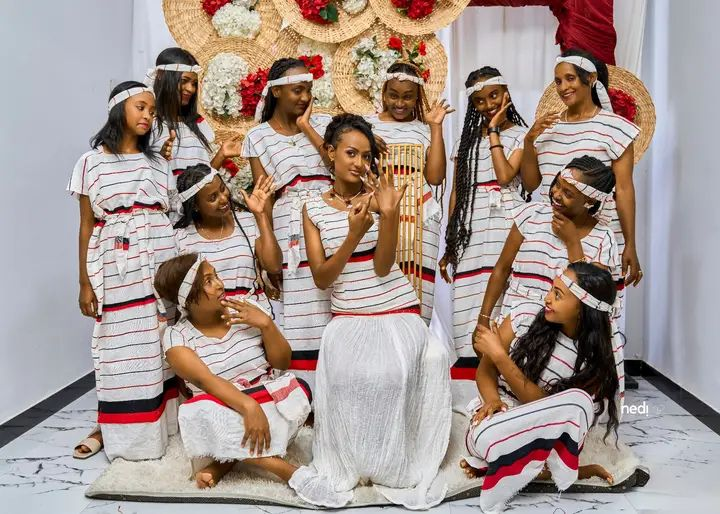
Similarly, the groom was praised not only for his personal achievements but for embracing the “Heera ayyoo”—the laws and wisdom of the fathers—and winning the heart of the community. He stood as an example of one who has honored his own family and now enriches the family of his bride.
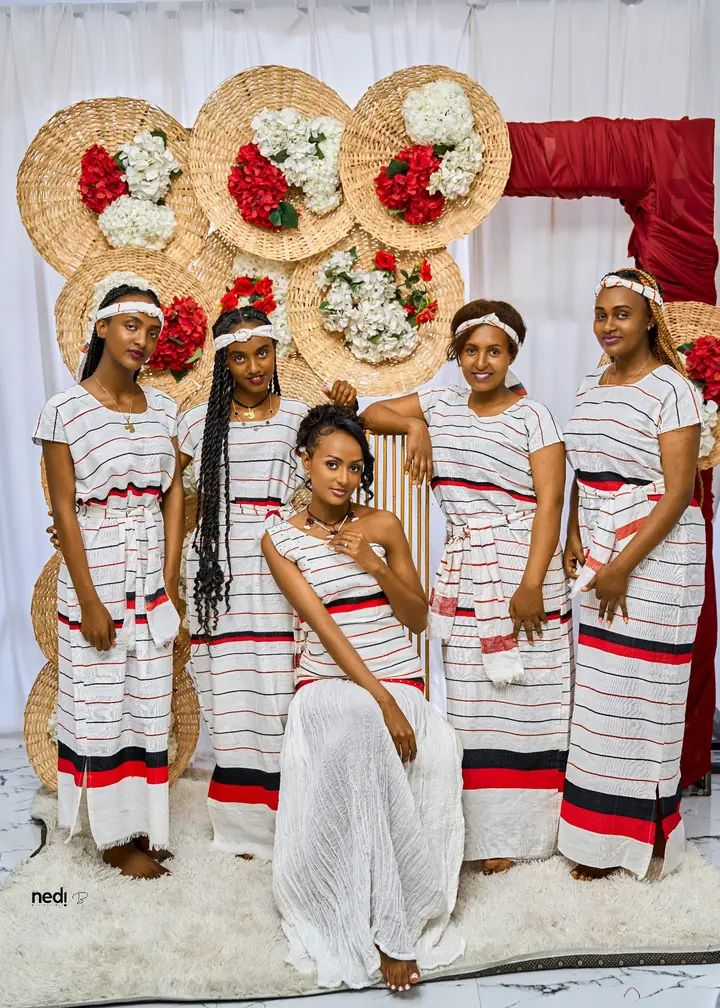
The event was a masterful tapestry of Oromo Aadaa (culture) and Duudhaa (tradition). Guests adorned in traditional attire, the rhythmic beat of keerroo (drums), and the melodic flow of geerarsa (praise songs) transformed the venue into a living canvas of Oromo heritage. The message to the younger generation was clear and powerful: “Strengthen this beautiful and beloved system. Carry it forward together,” a call for unity in preserving their unique way of life.
The celebration extended heartfelt gratitude to all attendees—family, friends, respected community members, and leaders—whose presence amplified the joy. A special acknowledgment was made to those who supported from afar, with wishes for their blessings in the future.
The joyous atmosphere was captured in a closing benediction: “Waaqni Uumaa Uumamaa haa galatoomu!” (May the Creator of all creation be thanked!). The sentiment of shared happiness was encapsulated in the words, “Martinuu akkuma keenya gammadaa” (Let the bride and groom rejoice as we do).
The ceremony was officiated and blessed by Abbaa Sabboontuu Brs. Inkoosaa Namoo alongside harmee Sabboontuu Barsistu. Geexee Fiixaa, signifying a blessing rooted in both spiritual and communal authority.
This wedding stands as a powerful testament to the resilience and dynamism of Oromo culture. It demonstrates that far from being a relic of the past, the wisdom of the Gadaa system provides a living framework for celebrating life, fostering strong communities, and guiding future generations with pride.

Evaluating Current Conditions: OLF Leadership Addresses Crisis Points

Headline: OLF Leadership in Capital Region Holds Urgent Summit to Assess “Current Conditions”
Sub-headline: Closed-door meeting in Gullalle evaluates domestic turmoil, Oromo national issues, and volatile Horn of Africa politics.
Finfinne, Oromia – [AMAJJII 26, 2026] The Political and Organizational Wing of the Oromo Liberation Front (OLF) has convened a critical summit for its leadership cadres operating within the Addis Ababa (Finfinnee) and Sheger City administration. The meeting, framed as an assessment under “current conditions,” was called to deliberate on a pressing array of national and regional challenges.
The high-level gathering took place on AMAJJII 24, 2026, at the OLF’s Gullalle Branch Office. It brought together OLF officials who hold organizational duties in the capital region, a key political and symbolic center for Oromo political activity.
According to sources close to the proceedings, the closed-door deliberations focused on three interconnected crisis points:
- The Prevailing Political and Security Situation in Ethiopia: Leaders analyzed the nation’s deepening instability and its implications for political strategy.
- The Condition of the Oromo People and Oromia: A central, urgent topic was the assessment of the socio-political and security circumstances facing the Oromo population within Oromia regional state, a longstanding core issue for the OLF.
- The Current Political Climate in the Horn of Africa: Discussions also covered the rapidly shifting regional geopolitics and its impact on the Ethiopian and Oromo political landscape.
The meeting was chaired by senior figures from the OLF’s Central Committee and its political wing, identified as Jaal Amaan Filee and Jaal Gammachiis Tolasaa. These officials presented detailed briefings on the summit’s core agenda items, framing the discussions for attending members.
Participants actively engaged, presenting analyses and raising strategic questions, leading the organizers to declare the summit “successful and productive.” The convening of such a focused meeting highlights the OLF’s attempt to consolidate its internal position and refine its response to a period of intense national uncertainty.
The holding of this summit in the capital is particularly significant, indicating an effort by the party’s leadership core to coordinate strategy from a central locus of power and information. While no public statement or resolution has been issued following the meeting, political observers note that such consultations often precede major strategic decisions or public declarations by the party.




 Advocacy for Oromia