Daily Archives: January 31, 2026

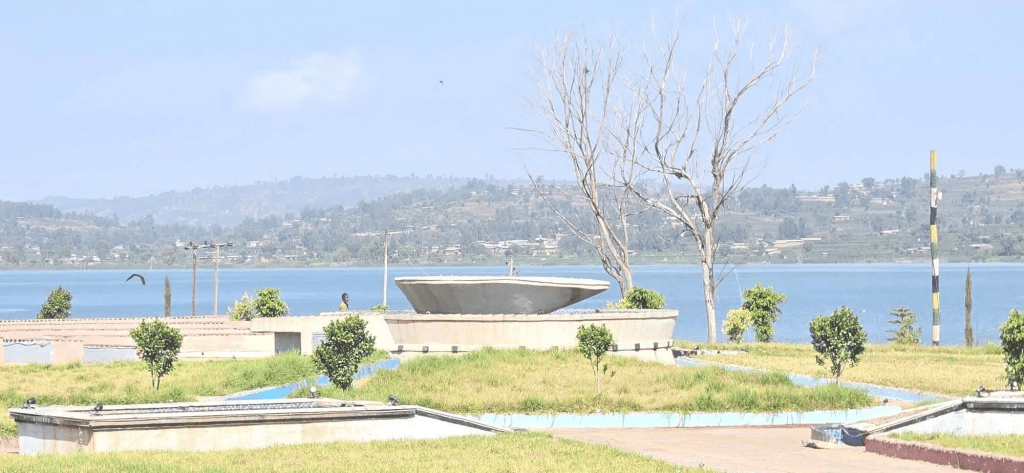
Domestic Tourism: Reviving Oromo Culture in Maya

Feature Commentary: The “Domestic Tourism” Drive – More Than Just A Sightseeing Trip
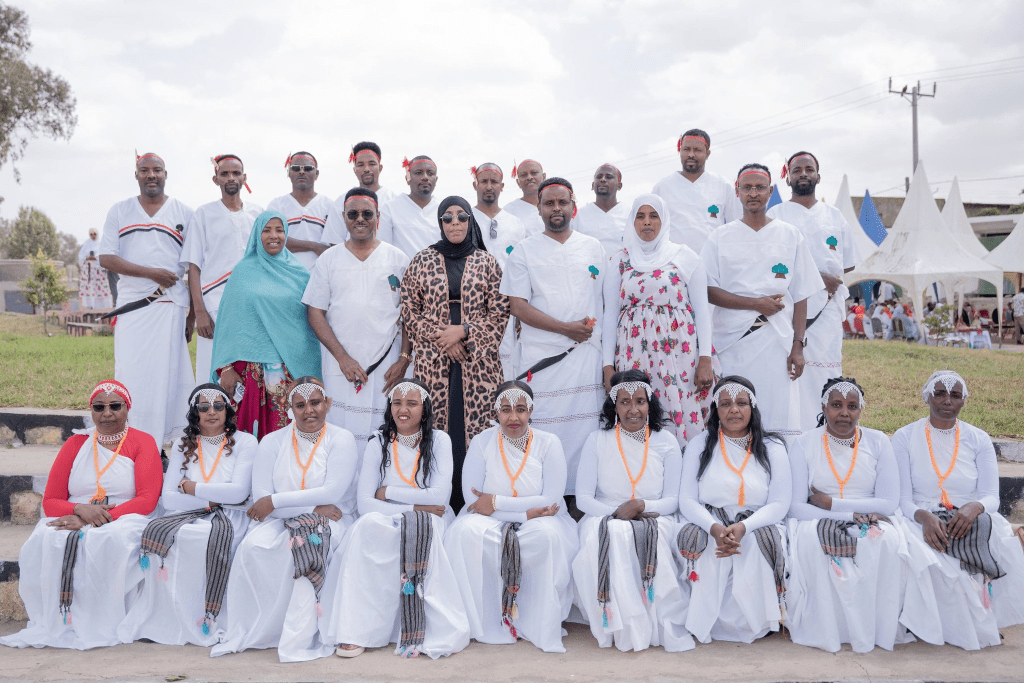
The successful conclusion of the domestic tourism promotion event in the city of Maya, East Hararghe, represents a significant and multifaceted stride for the Oromia Region. On the surface, it was a program where a delegation visited historical, cultural, and tourist sites. But to see it merely as a familiarization tour is to miss its profound cultural, economic, and social implications.
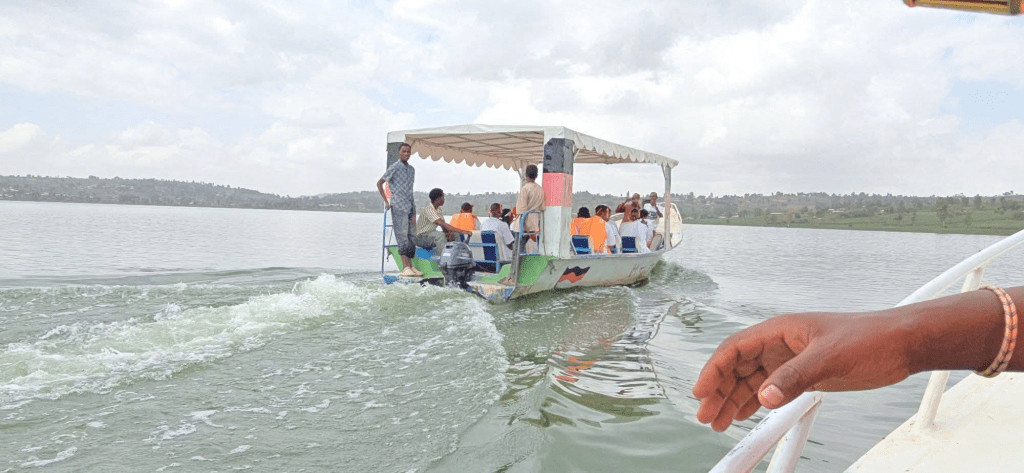
This initiative is a cornerstone of the Oromia Regional Government’s broader Cultural Renaissance policy. That term, “renaissance,” is crucial. It signifies not a static preservation under glass, but a dynamic revival—a reawakening. The goal is not simply to catalog old artifacts, but to actively safeguard, teach, and celebrate the rich and noble elements of Oromo culture. As the commentary notes, this ensures that “the younger generation knows its identity in the morning.” This metaphor is powerful: cultural knowledge is the dawn that illuminates who we are, providing direction and purpose from the very start of life’s journey.
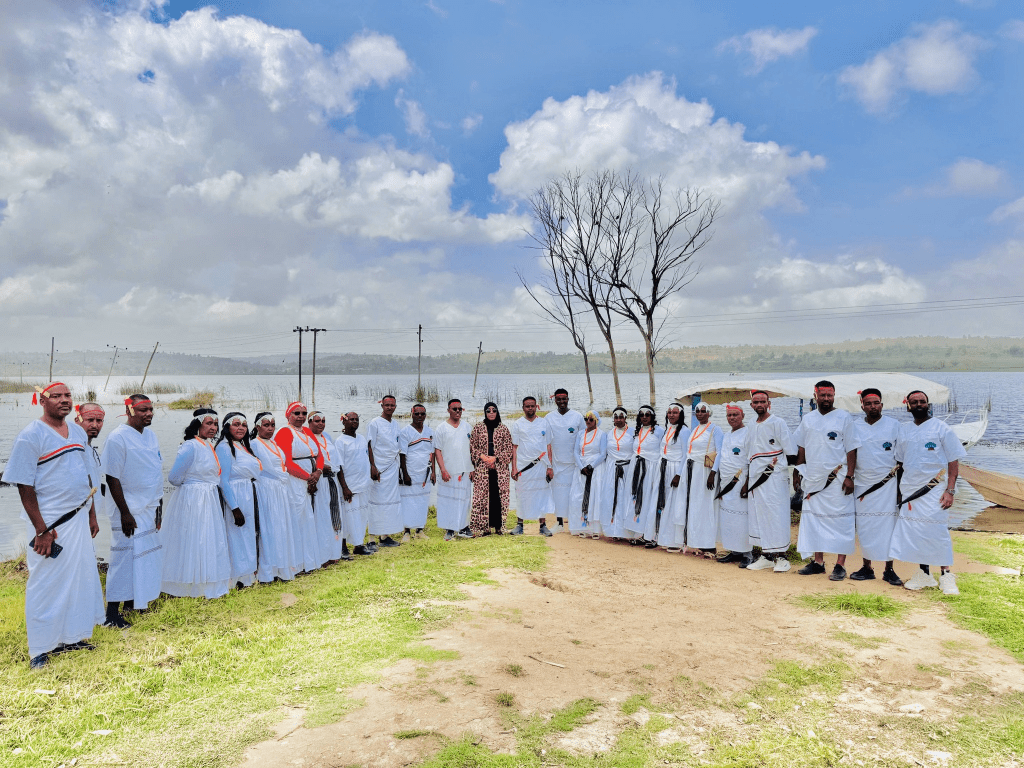
The focus on domestic tourism is a masterstroke in this renaissance. It serves three interconnected purposes:
- Economic Activation: By extensively promoting Oromia’s tourism wealth, the program seeks to stimulate local economies. It encourages spending within the region, supports local guides, hospitality services, and artisans, and fosters community-based tourism. Strengthening domestic tourism builds a resilient internal market before even looking outward.
- Civic Participation: The program aims to “increase the involvement of relevant bodies.” This is about building a coalition for cultural stewardship—engaging local administrations, community elders, youth associations, and entrepreneurs. When communities see their heritage valued and visited, they become its most passionate curators and beneficiaries.
- Social Cohesion and Unity: Perhaps the most profound impact lies here. Visiting different areas within Oromia and Ethiopia breaks down internal barriers. It fosters a deeper understanding of the nation’s diverse tapestry from within. Shared experiences at historical sites and cultural ceremonies build a stronger sense of national unity and social solidarity. As stated, it “plays a high role in fostering the country’s socio-economic development and strengthening national unity.”
The choice of Maya and East Hararghe is itself symbolic. It directs the spotlight to the unique cultural and historical landscapes beyond the usual hubs, ensuring a more equitable and comprehensive celebration of Oromia’s heritage.
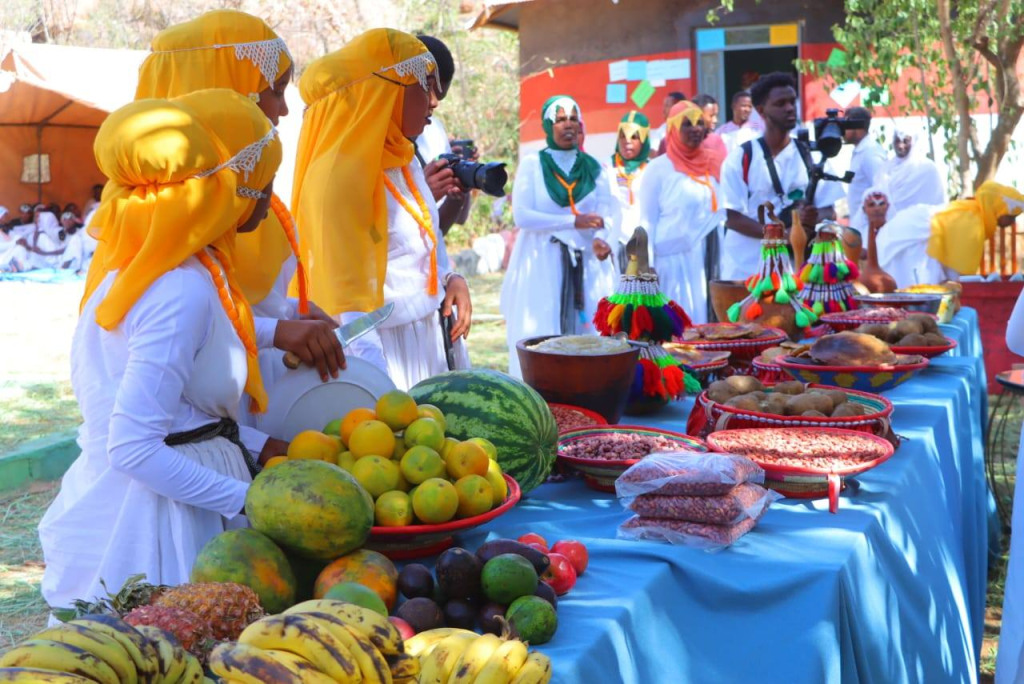
In essence, this domestic tourism drive is far more than a promotional trip. It is:
- A classroom for cultural identity.
- An engine for localized economic growth.
- A workshop for building social cohesion.
- A practical manifestation of the Cultural Renaissance in action.
The “milkaa’ina” (success) of the Maya event, therefore, is not just in its logistical execution, but in its powerful reaffirmation that understanding and exploring one’s own backyard is the first and most vital step toward sustainable development, cultural pride, and national unity. It sets a compelling precedent for other regions to follow, turning the nation into a classroom of mutual discovery for its own people.

Honoring Aadde Beernaadiit: A Legacy of Love and Resilience

A Feature Commentary: The Passing of Aadde Beernaadiit
The news of the passing of Aadde Beernaadiit, the widow of the renowned Oromo artist Dr. Hayilee Fidaa, marks the closing of a profound chapter in Ethiopian cultural and personal history. The memorial service planned in her honour is not merely a funeral; it is a testament to a life of resilience, deep love, and quiet strength that withstood the tremors of national tragedy.
Her story with Dr. Hayilee Fidaa is the stuff of a poignant romance. They met as young students in 1964 at a student event on Boulevard Jordan in Paris, a meeting of minds and hearts far from home. Their bond, formalized in marriage in 1966 in the U.S., flourished with the blessing of two daughters, Saraa and Yodit. This was the beginning of a family life built on intellectual companionship and shared dreams.
Then came the seismic event that would define the rest of her life: the assassination of Dr. Hayilee Fidaa in 1970. The commentary notes a harrowing detail: she learned of her husband’s murder while still in France, the country of the perpetrator. Yet, what did she do? She did not retreat. She embarked on a “great effort” to return to Ethiopia, to the very place where her husband’s blood was spilled. This act alone speaks volumes about her character—a determination to confront grief at its source, to be present in the land he loved, and to raise their daughters connected to his roots.
Her subsequent interviews, like one with Azeeb Warquu on Radio Fana, reveal a woman who, though devastated, framed her loss through the lens of the immense love they shared and her faith. She carried not just grief, but the weight of his legacy. Her dedication to Dr. Hayilee’s family—visiting his birthplace in East Welega, supporting his siblings and mother, educating his nieces and nephews—shows she became the living bridge between his past and their future. She didn’t just mourn an artist; she nurtured the ecosystem from which he sprang.
Her life in Addis Ababa thereafter was a powerful statement. Choosing to live in Finfinnee (Addis Ababa), the capital of her husband’s homeland, over France, demonstrated where her heart and loyalty lay. She channeled her experience into compassion, founding the “Okay” Charity to support orphans and women in distress. This was her enduring response to tragedy: not bitterness, but organized kindness.
The later years brought a familiar diaspora narrative—a daughter abroad, and the quiet life of an elder. Passing at 84, she witnessed epochs change, but her core identity remained: the guardian of a memory, a philanthropist, and a matriarch.
Therefore, this memorial service, this Yaadannoo fi Dungoo, is for so much more than a bereaved widow. It is for:
- A pillar of resilience who stood firm after an unimaginable blow.
- A keeper of the flame who diligently preserved and honored her husband’s legacy and family.
- A compassionate builder who translated personal pain into public good.
- A symbol of transnational love and loyalty, tethered between two worlds but choosing to plant her heart in Ethiopian soil.
Aadde Beernaadiit’s life reminds us that behind every great, lost figure, there are often unsung heroes of remembrance. Her strength ensured that Dr. Hayilee Fidaa’s legacy was not just a public treasure, but a lovingly tended private garden. In mourning her, we also honour the quiet, formidable power of the love that outlasts even death. May she find the peace she so steadfastly cultivated for others. #AaddeBeernaadiit #HayileeFidaa




 Advocacy for Oromia