Domestic Tourism: Reviving Oromo Culture in Maya

Feature Commentary: The “Domestic Tourism” Drive – More Than Just A Sightseeing Trip
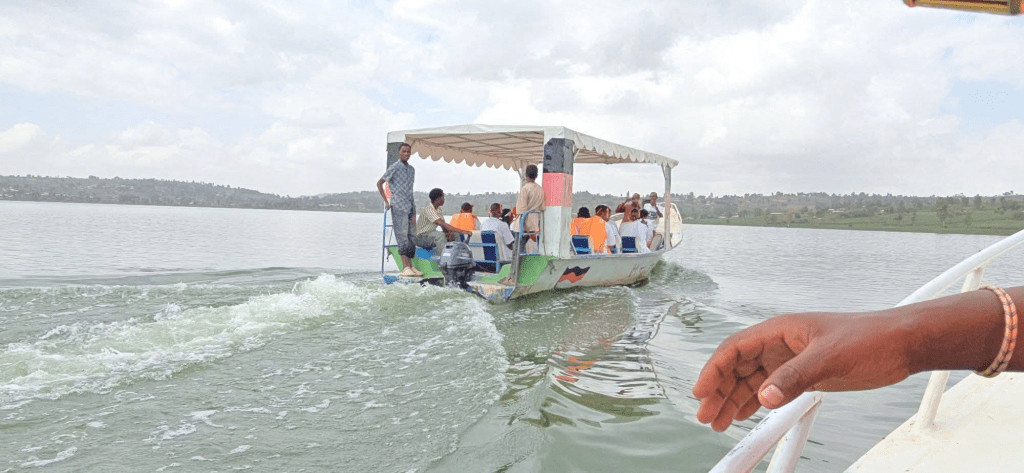
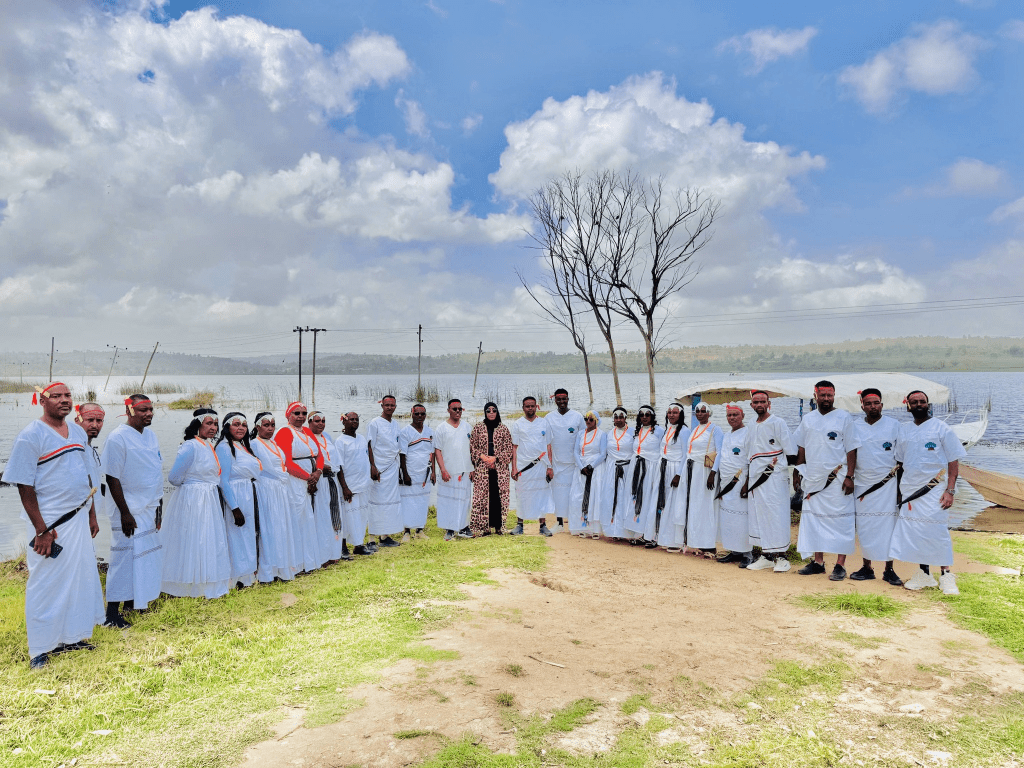
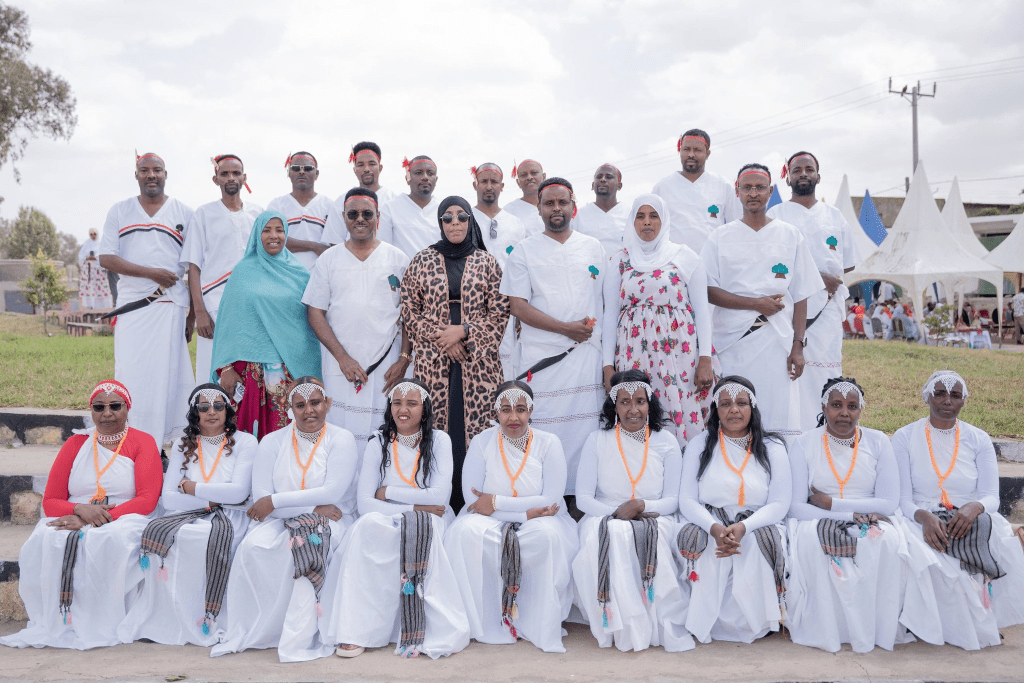
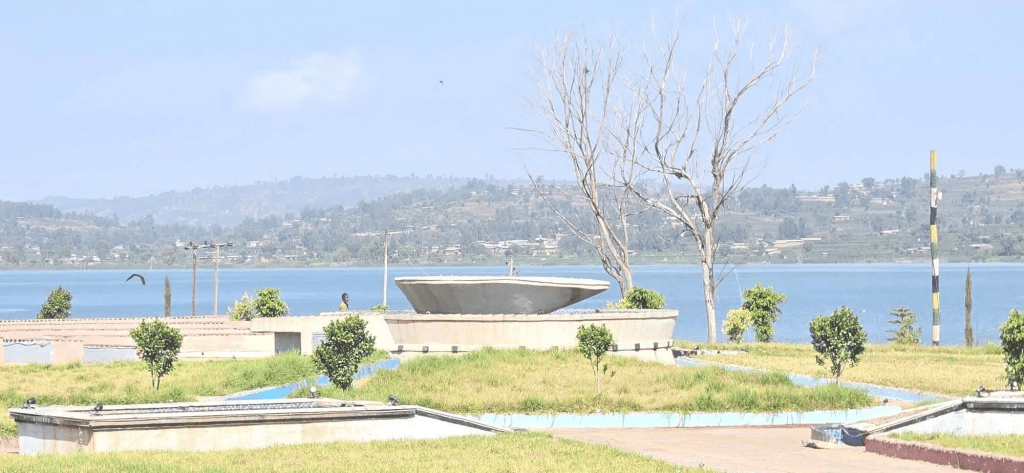
The successful conclusion of the domestic tourism promotion event in the city of Maya, East Hararghe, represents a significant and multifaceted stride for the Oromia Region. On the surface, it was a program where a delegation visited historical, cultural, and tourist sites. But to see it merely as a familiarization tour is to miss its profound cultural, economic, and social implications.
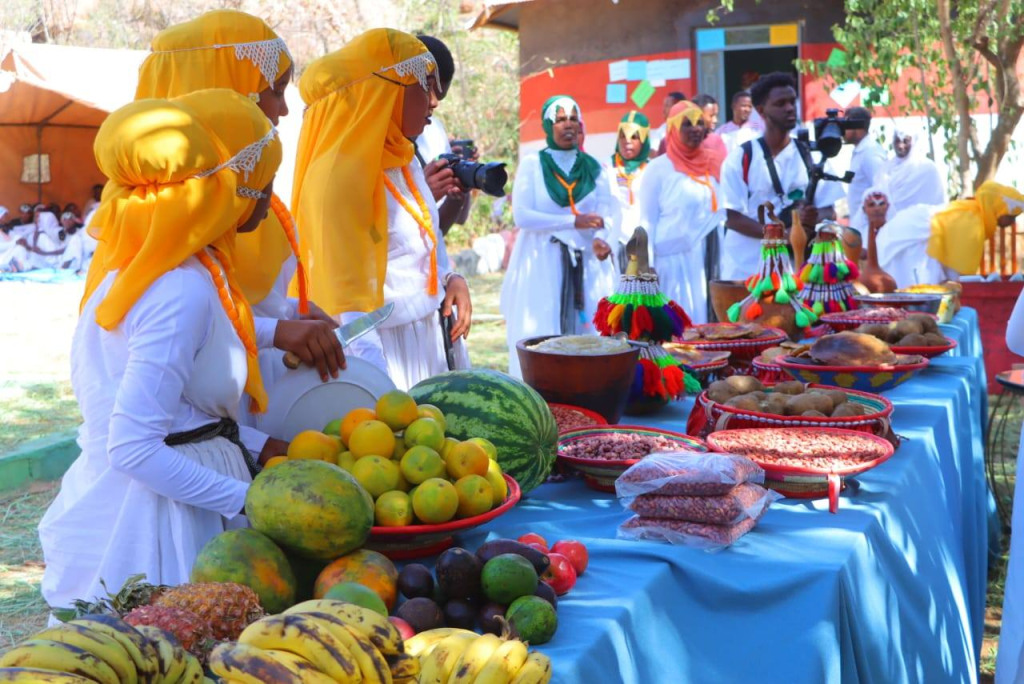
This initiative is a cornerstone of the Oromia Regional Government’s broader Cultural Renaissance policy. That term, “renaissance,” is crucial. It signifies not a static preservation under glass, but a dynamic revival—a reawakening. The goal is not simply to catalog old artifacts, but to actively safeguard, teach, and celebrate the rich and noble elements of Oromo culture. As the commentary notes, this ensures that “the younger generation knows its identity in the morning.” This metaphor is powerful: cultural knowledge is the dawn that illuminates who we are, providing direction and purpose from the very start of life’s journey.
The focus on domestic tourism is a masterstroke in this renaissance. It serves three interconnected purposes:
- Economic Activation: By extensively promoting Oromia’s tourism wealth, the program seeks to stimulate local economies. It encourages spending within the region, supports local guides, hospitality services, and artisans, and fosters community-based tourism. Strengthening domestic tourism builds a resilient internal market before even looking outward.
- Civic Participation: The program aims to “increase the involvement of relevant bodies.” This is about building a coalition for cultural stewardship—engaging local administrations, community elders, youth associations, and entrepreneurs. When communities see their heritage valued and visited, they become its most passionate curators and beneficiaries.
- Social Cohesion and Unity: Perhaps the most profound impact lies here. Visiting different areas within Oromia and Ethiopia breaks down internal barriers. It fosters a deeper understanding of the nation’s diverse tapestry from within. Shared experiences at historical sites and cultural ceremonies build a stronger sense of national unity and social solidarity. As stated, it “plays a high role in fostering the country’s socio-economic development and strengthening national unity.”
The choice of Maya and East Hararghe is itself symbolic. It directs the spotlight to the unique cultural and historical landscapes beyond the usual hubs, ensuring a more equitable and comprehensive celebration of Oromia’s heritage.
In essence, this domestic tourism drive is far more than a promotional trip. It is:
- A classroom for cultural identity.
- An engine for localized economic growth.
- A workshop for building social cohesion.
- A practical manifestation of the Cultural Renaissance in action.
The “milkaa’ina” (success) of the Maya event, therefore, is not just in its logistical execution, but in its powerful reaffirmation that understanding and exploring one’s own backyard is the first and most vital step toward sustainable development, cultural pride, and national unity. It sets a compelling precedent for other regions to follow, turning the nation into a classroom of mutual discovery for its own people.

Posted on January 31, 2026, in News. Bookmark the permalink. Leave a comment.




 Advocacy for Oromia
Leave a comment
Comments 0