Oromo Diaspora: Celebrating the Legacy of the Maccaa-Tuulamaa Association

From Cairo to the Heart of Oromia: The Maccaa-Tuulamaa Association’s Enduring Flame
Cairo, Egypt – In a vibrant hall far from the verdant highlands of Oromia, the air was thick not with desert dust, but with the palpable weight of memory and the steady pulse of resilience. Last week, the Oromo community in Egypt gathered not for a simple social event, but for a profound act of collective remembrance: the 7th anniversary celebration of the founding of their chapter of the Maccaa-Tuulamaa Association (MTA).
This was more than a milestone marked on a calendar. It was a deliberate and powerful reaffirmation of an identity that refuses to be fragmented by geography. The speeches given were not mere formalities; they were carefully woven threads in the ongoing tapestry of Oromo history, reminding all present that the story of the Maccaa-Tuulamaa Association is inextricable from the modern narrative of the Oromo struggle itself.
For the uninitiated, the significance of such a gathering in a place like Cairo might be lost. But to understand the MTA is to understand a cornerstone of 20th-century Oromo political consciousness. Founded in 1963, the association emerged not as a militant front, but as a critical socio-cultural and intellectual awakening. At a time when the very fabric of Oromo identity was under systemic pressure, the MTA provided a legitimate, organized platform. It championed education, preserved language and history, and most importantly, fostered a sense of unified nationhood (sabboonummaa) among the Oromo people. It was the seed from which more overt political movements would later grow, making its founders not just community organizers, but architects of a modern political identity.
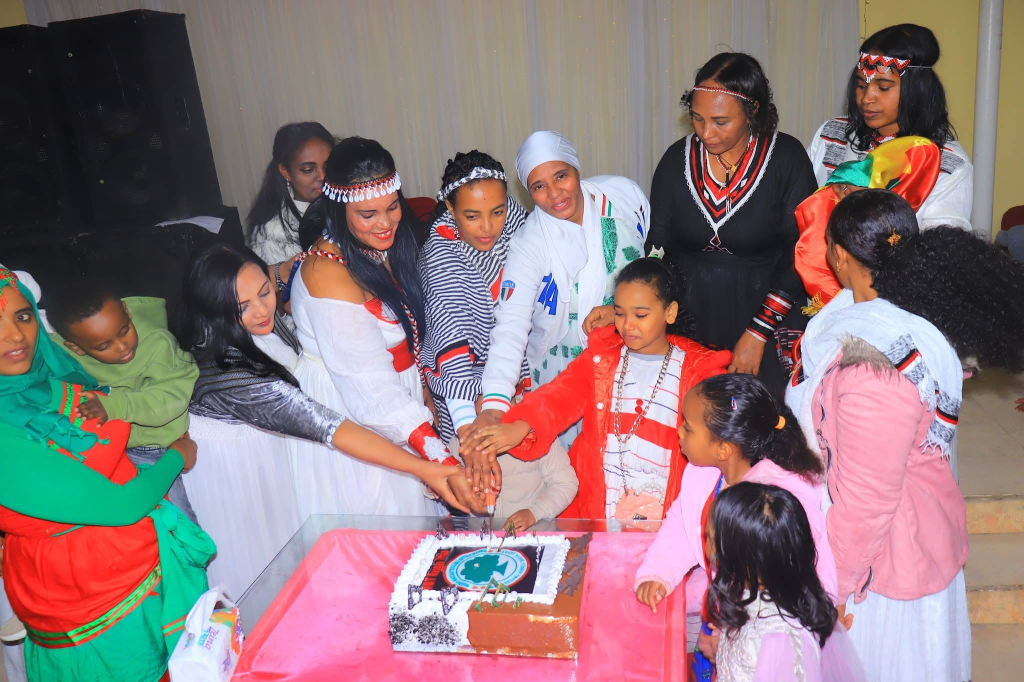
Therefore, the anniversary in Cairo transcends a chapter meeting. It represents a vital dialectic of diaspora existence: the act of building a future in one land while being steadfast custodians of a past from another. The community in Egypt, like Oromo diasporas worldwide, lives this duality. They build careers, raise families, and navigate life in Egypt, all while tending a flame ignited generations ago in the heart of Oromia. The detailed recounting of the MTA’s history at the event was a sacred ritual of passing this torch, ensuring that younger generations born on the Nile understand their roots in the Gibe River valley.
The calls for unity (tokkummaa) issued from the podium in Cairo resonate with a particular urgency today. They speak to challenges both internal and external. The diaspora, while a source of immense strength and resources, is not immune to the political and social fissures that affect any global community. The anniversary serves as an annual calibration—a reminder that the foundational principles of the MTA were unity, self-reliance, and the uplifting of the Oromo people as a whole. It is a call to look beyond differences and focus on the foundational hundee (root) that connects them all.
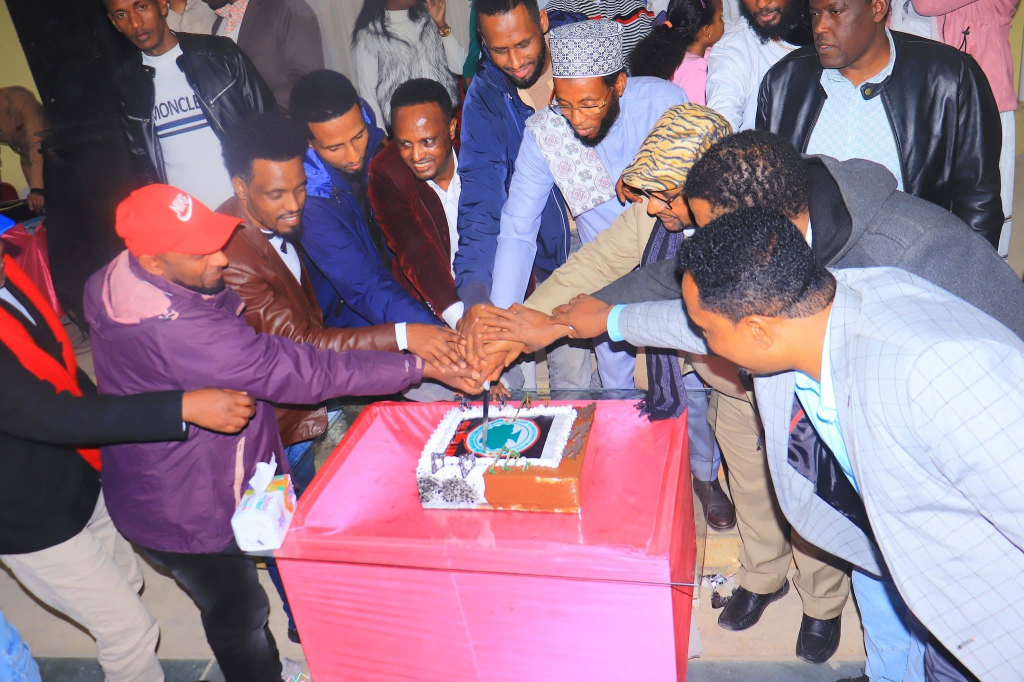
Furthermore, this gathering is a subtle but clear statement of unbroken continuity. It signals that the spirit of the MTA, the spirit of organized, dignified, and persistent advocacy for Oromo rights and identity, is not confined by borders or diminished by time. Whether in Cairo, Minneapolis, or Melbourne, the association’s legacy provides a framework for community cohesion and purpose. It answers the poignant question of how to remain meaningfully connected to a homeland many cannot safely return to. The answer lies in being living archives, active advocates, and unwavering supporters.
As the celebrations concluded, the message was clear: the Maccaa-Tuulamaa Association is far more than a historical relic. It is a living institution, its meaning continually renewed by diasporas like the one in Egypt. Their anniversary was a declaration that the seeds planted by the founders in the 1960s have borne fruit that now grows in global soil. It affirmed that the duty of the present generation is not just to remember the past, but to nurture this resilient tree, ensuring its branches—spread across the world—remain strong, interconnected, and forever reaching toward the light of justice and self-determination for Oromia.

Posted on February 2, 2026, in News. Bookmark the permalink. Leave a comment.




 Advocacy for Oromia
Leave a comment
Comments 0