Daily Archives: February 4, 2026

In Grief and Defiance: Remembering Obbo Buunkarii Badhaasoo Muunessaa, Victim of a 2026 State Execution
FOR IMMEDIATE RELEASE
In Grief and Defiance: Remembering Obbo Buunkarii Badhaasoo Muunessaa, Victim of a 2026 State Execution
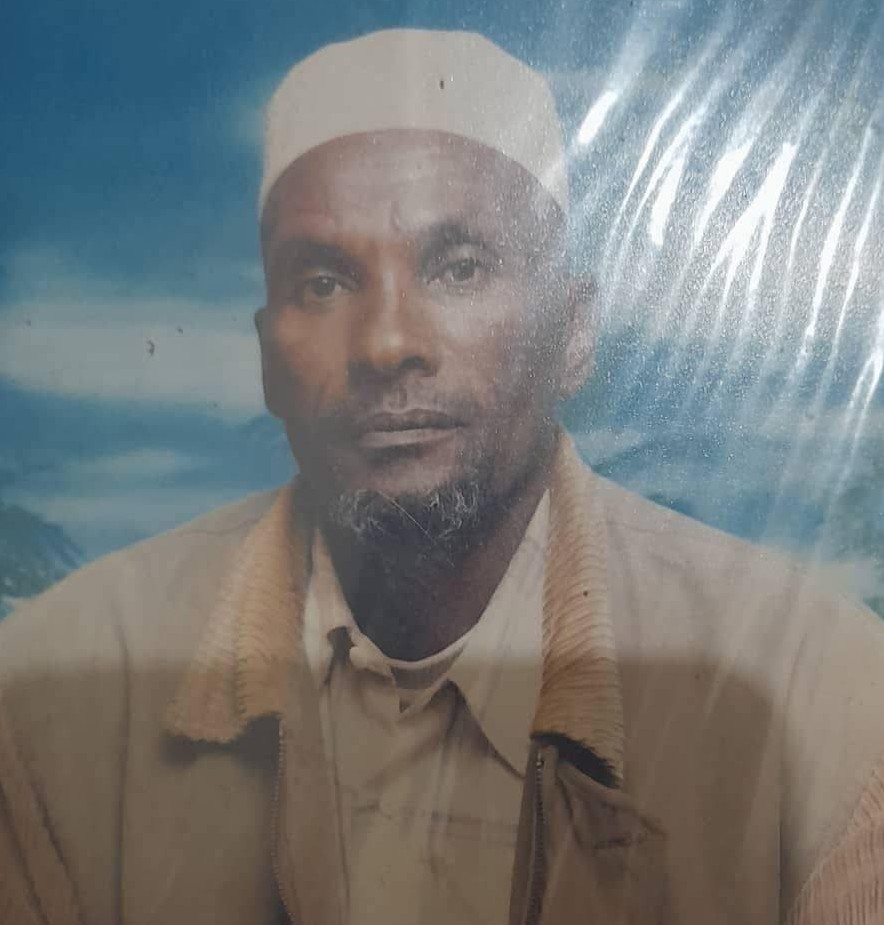
(Date: February 3, 2026) – With a heart shattered by a grief that time has not healed, we share the devastating news of the political assassination of our father, Obbo Buunkarii Badhaasoo Muunessaa. On Monday, February 3, 2026, he was executed by the state, a victim of the brutal and relentless campaign of terror waged against the Oromo people for daring to dream of freedom and self-determination.
He was not killed in battle. He was not a casualty of war. He was a son of Oromia, arrested, detained, and then executed in cold blood. The official pretext was as flimsy as it was cruel: accused of being a “Shane,” a label weaponized to justify the extermination of Oromo political consciousness. When the mighty fear the words of the just, they reach for the gun. Our father, a man of peace, was murdered for a thought, for a hope, for his identity.
This is not an obituary from 2026; it is a scream of anguish that echoes into 2026. It is a testament to the open wound that will not close, the justice that has been relentlessly denied, and the truth that refuses to be silenced. We release this statement today because the calendar may change, but the tyranny continues. The system that murdered him then persists now, and our mourning is inextricably linked to our ongoing resistance.
Obbo Buunkarii was more than a name on a casualty list. He was Abbaa Keenya—our father. He was a pillar of his family, a member of his community, and a man whose life was stolen to instill fear. His execution was a message to all Oromos: dissent is death, aspiration is a crime, and your lives are forfeit to the preservation of a repressive order.
We, his broken family, extend our deepest, most sorrowful condolences to every Oromo family that has borne this same unimaginable pain. Our private grief is a public testament. We mourn with the Hirmii Tufaas, the dheedaa cinaachii (the extended family), and every clan and community that has lost a son, a daughter, a father, or a mother to this machinery of death. Your loss is our loss. Our shared tears water the roots of our collective struggle.
To the world, we say: See this. See the Oromo people not as a statistic of conflict, but as a nation mourning in perpetuity. See the specific, individual lives—like that of our father, Buunkarii—extinguished for believing in the “Mootummaa Oromoo,” the governance and dignity of his own people.
We have no power to bring him back. We have no court to grant us justice. All we have is our voice and the unshakable conviction that Rabbi argi—God is watching. The cries of the Oromo people, scattered like leaves in a storm, are heard by a higher power. The blood spilled on the land of Oromia bears witness.
We say to you, Father: Nagaan Boqodhu. Rest in Peace. Your sacrifice is seared into our memory, and your dream is the fire that fuels our resolve. We will mourn you today, tomorrow, and every day until the day of accountability dawns.
The struggle for justice for Buunkarii Badhaasoo Muunessaa, and for all Oromo martyrs, continues.

A Guardian of Heritage: Advocacy for Oromia Mourns the Passing of Professor Asmerom Legesse (1937-2026)

FOR IMMEDIATE RELEASE
A Guardian of Heritage: Advocacy for Oromia Mourns the Passing of Professor Asmerom Legesse (1937-2026)
(Melbourne, Victoria) – February 4, 2026 – Advocacy for Oromia, with profound respect and deep sorrow, announces the passing of the world-renowned scholar, Professor Asmerom Legesse. We extend our most heartfelt condolences to his family, his colleagues in academia, and to the entire Oromo people, for whom his work held monumental significance.
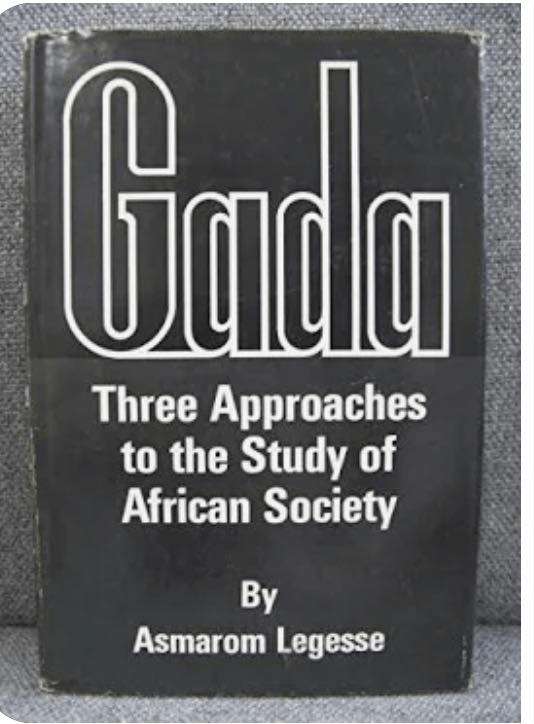
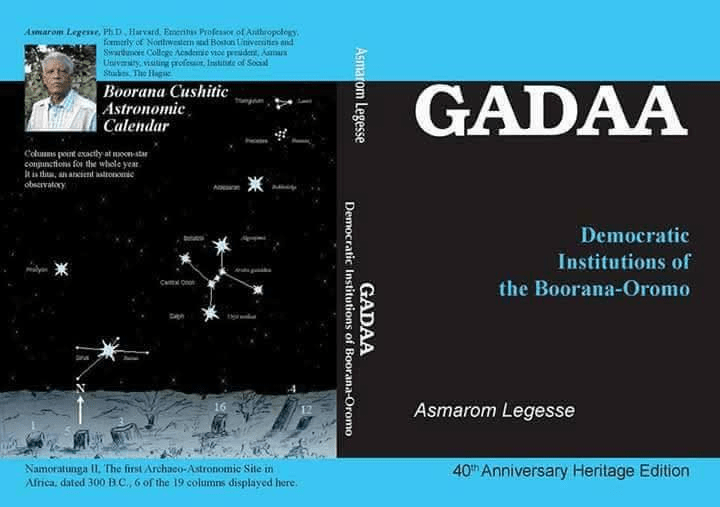
Professor Legesse was not simply an academic; he was a steadfast guardian and a preeminent global ambassador for the ancient Gadaa system, the sophisticated democratic and socio-political foundation of Oromo society. For more than forty years, he dedicated his intellect and passion to meticulously studying, documenting, and advocating for this profound indigenous system of governance, justice, and balanced social order.
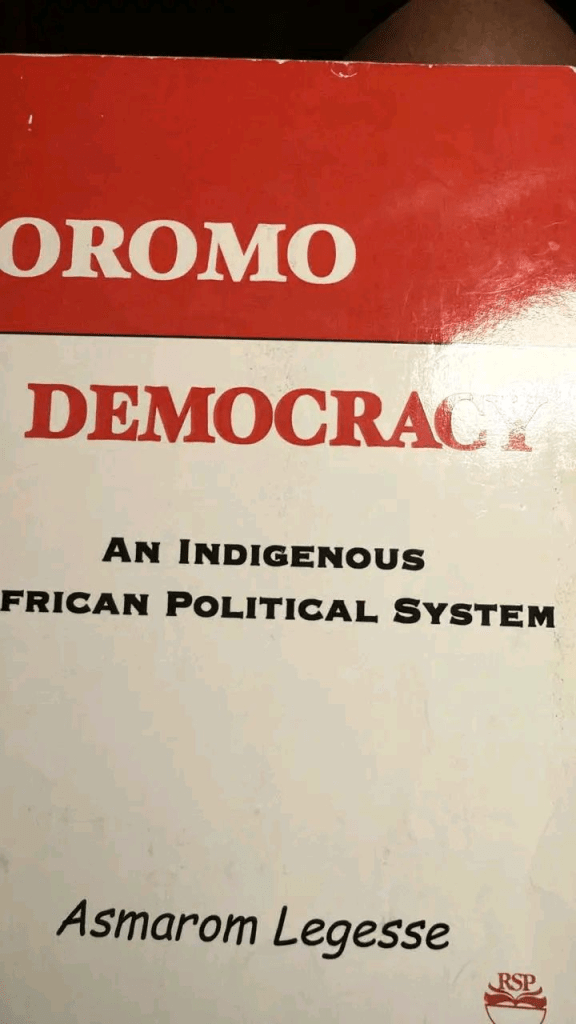
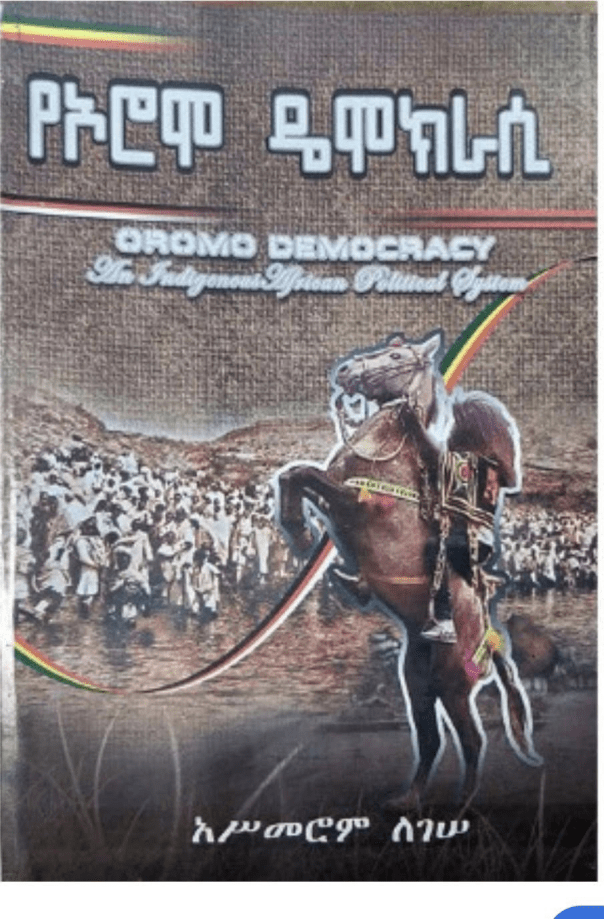
His seminal work, including the definitive text Oromo Democracy: An Indigenous African Political System, transcended mere historical analysis. Professor Legesse’s scholarship performed a vital act of cultural reclamation and global education. It restored dignity to a marginalized history, affirmed the cultural identity of millions, and presented to the international community a powerful, self-originating model of African democracy that predated and paralleled Western constructs.
Born in Asmara in 1937, Professor Legesse’s intellectual journey—from political science at the University of Wisconsin to a doctorate in anthropology from Harvard University, where he later taught—was always directed by a profound sense of purpose. His research provided the rigorous, academic foundation for understanding indigenous African political philosophy.
His passing is felt as a deeply personal loss within our community, reminding us of the interconnected threads of Oromo history and resilience. On a recent visit to Asmara, a delegation from Advocacy for Oromia visited a site of immense historical importance: the church where Abbaa Gammachis and Aster Ganno, giants of faith and resistance, resided while translating the Bible into Afaan Oromo. It was there we learned that the family home of Professor Asmerom Legesse stood adjacent.
This physical proximity stands as a powerful metaphor. It connects the spiritual and linguistic preservation embodied by Abbaa Gammachis with the intellectual and political excavation led by Professor Legesse. They were neighbors not only in geography but in sacred purpose: both dedicated their lives to protecting, promoting, and elucidating the core pillars of Oromo identity against historical forces of erasure.
Professor Legesse’s lifetime of contributions has endowed current and future generations with the intellectual tools to claim their rightful place in global narratives of democracy and governance. For this invaluable and enduring gift, we offer our eternal gratitude.
While we mourn the silence of a towering intellect, we choose to celebrate the immortal legacy he leaves behind—a legacy of knowledge, pride, and empowerment that will continue to guide and inspire.
May his soul rest in eternal peace. May his groundbreaking work continue to illuminate the path toward understanding, justice, and self-determination.
Rest in Power, Professor Asmerom Legesse.
About Advocacy for Oromia:
Advocacy for Oromia is a global network dedicated to promoting awareness, justice, and the rights of the Oromo people. We work to uphold the principles of democracy, human rights, and cultural preservation central to Oromo identity and heritage.
Media Contact:
Advocacy for Oromia
https://advocacy4oromia.org/

Legacy of Professor Asmarom Legesse: Guardian of Oromo Heritage

Academic Giant and Guardian of African Democratic Heritage, Professor Asmarom Legesse, Passes Away (1937-2026)
4 February 2026 – It is with profound sorrow and a deep sense of loss that we announce the passing of Professor Asmarom Legesse, a visionary scholar, anthropologist, and the preeminent global authority on the Oromo Gadaa system. His death is an irreplaceable loss to the world of academia, to the preservation of indigenous knowledge, and to the Oromo people, whose history and democratic heritage he so meticulously illuminated for the world.
Born in 1937 in Asmara, Professor Legesse was a scholar of immense intellectual breadth. He earned a degree in political science from the University of Wisconsin and a doctorate in anthropology from Harvard University, where he later served as a professor. His pioneering, decades-long research transcended mere academic study; it was an act of cultural reclamation and global education.
Through his groundbreaking work, he meticulously documented and analyzed the Gadaa system, revealing to an international audience the sophisticated architecture of an African democratic tradition. He proved definitively that principles of equality, rotational leadership, checks and balances, and the rule of law were not foreign imports to the continent, but were deeply embedded, living traditions practiced for centuries by the Oromo people. His scholarship stood as a powerful testament to Africa’s intrinsic contributions to democratic thought.
Beyond political structure, his work preserved the holistic wisdom of the Oromo worldview. His studies of the Oromo calendar safeguarded far more than a system of timekeeping; they protected a complex philosophy interlinking human life, ecological cycles, and cosmic harmony. He was a guardian of knowledge at risk of being lost, returning dignity and global recognition to a history that had been long marginalized.
Professor Legesse’s seminal work, Oromo Democracy: An Indigenous African Political System, remains the definitive text on the subject, a testament to his rigorous methodology and profound respect for his subject matter. He was more than an observer; he was a bridge between worlds, transforming the Gadaa system from a subject of local practice into a globally recognized model of indigenous governance.
Tributes are pouring in from scholars, cultural leaders, and institutions worldwide. His passing leaves a monumental legacy: a vast archive of understanding, a restored sense of pride for millions, and an intellectual framework that will inform studies of democracy, anthropology, and African history for generations.
He rests now, but his light endures. Our deepest condolences are with his family, his colleagues, and all who were touched by his wisdom.
Rest in Power, Professor. Your legacy is immortal.
About Professor Asmarom Legesse:
Professor Asmarom Legesse was a renowned Eritrean anthropologist best known for his authoritative research on the Oromo Gadaa system. His work provided a critical scholarly foundation for understanding indigenous African democratic governance and philosophy, earning him global recognition and respect.




 Advocacy for Oromia