Daily Archives: February 8, 2026

Gullallee: The Land That Speaks Truth, The People Who Bear History
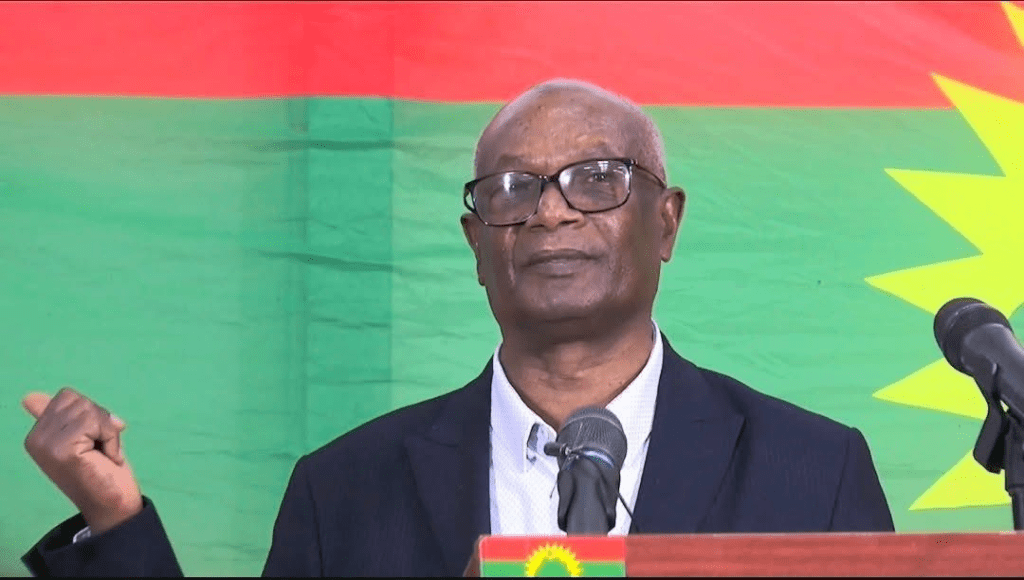
In the heart of Oromia, there exists more than a place. There exists a testament. Gullallee is not merely a location on a map; it is a platform, a sacred ground where the truth and rights of the Oromo people are voiced and affirmed. It is a stage where history is not just remembered but actively performed, and where the echoes of those who were silenced for speaking Oromo truth are amplified and heard. Their stories emerge here. Their legacy is made visible here.
Gullallee stands as a powerful symbol of resilience. It is where voices rise to declare dhugaa (truth) and haqa (justice), confronting oblivion and demanding recognition. It is also hallowed ground that commemorates the fallen—the thinkers, poets, activists, and ordinary people who boqotan (rest) because they dared to speak that truth. Their names, their struggles, and their principles are not buried with them; they are resurrected in the collective memory and determination of those who gather. At Gullallee, history is not a closed book but an open gathering, a living conversation between the past and the present.
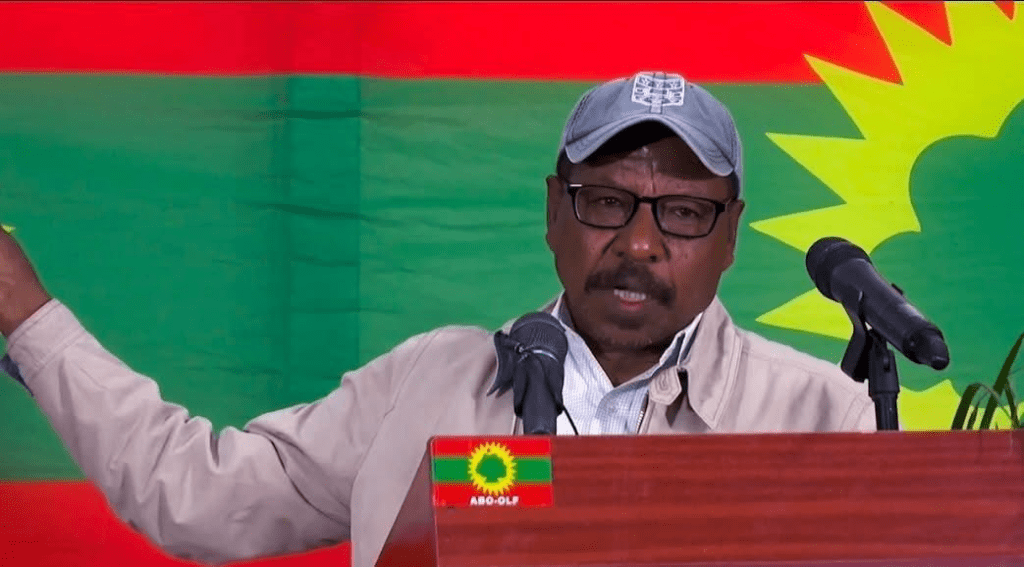
The profound statement that “Gullallee is a land of history, but not only its land—it is the people who stood there, who reside there, who are the ones that possess and know history,” captures its essence perfectly. This insight shifts the focus from geography to humanity. The power of Gullallee does not emanate solely from its soil, but from the feet that have stood upon it, the voices that have resonated across it, and the communities that embody its spirit. The land becomes historical because of the people who have consecrated it with their purpose, their courage, and their unwavering commitment.
These are the people who qabu (possess) history—not as a passive inheritance, but as a living, breathing responsibility. They are the ones who beeku (know) history—not as mere facts, but as a narrative of identity, struggle, and aspiration that must be carried forward. They are both the custodians and the continuators.
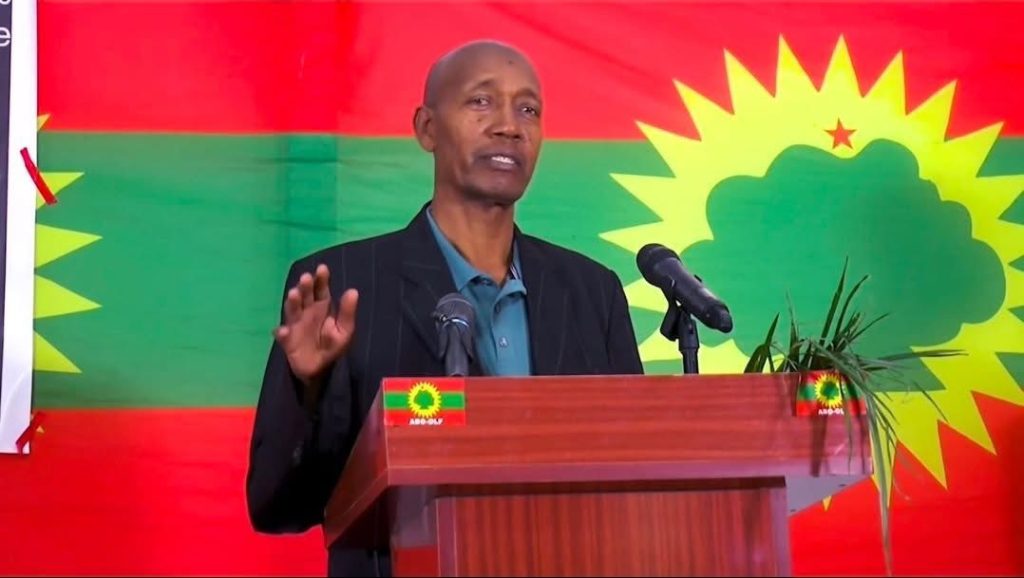
Thus, Gullallee transforms into more than a site. It is an idea. A promise. A continuous assembly where the Oromo nation asserts its rightful place, honors its martyrs, and reaffirms its journey toward justice. It is where the land and its people become one—a unified, undeniable force declaring that truth cannot be silenced, and history cannot be erased.
In every gathering, in every utterance of truth, Gullallee lives on. It is the eternal meeting ground where the past speaks, the present listens, and the future is shaped.
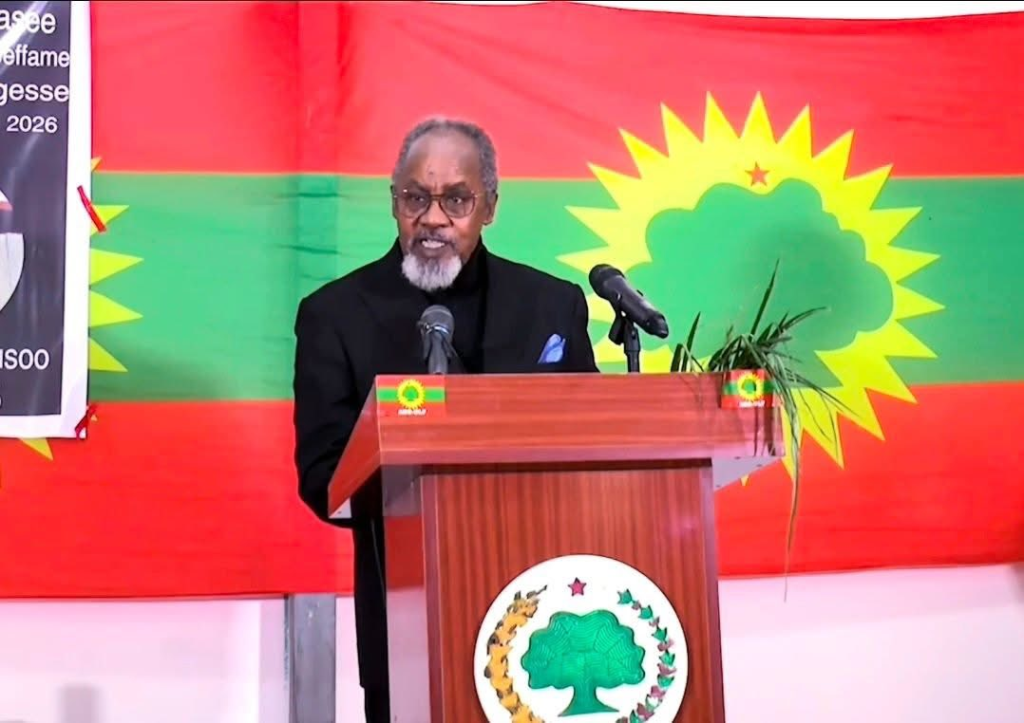
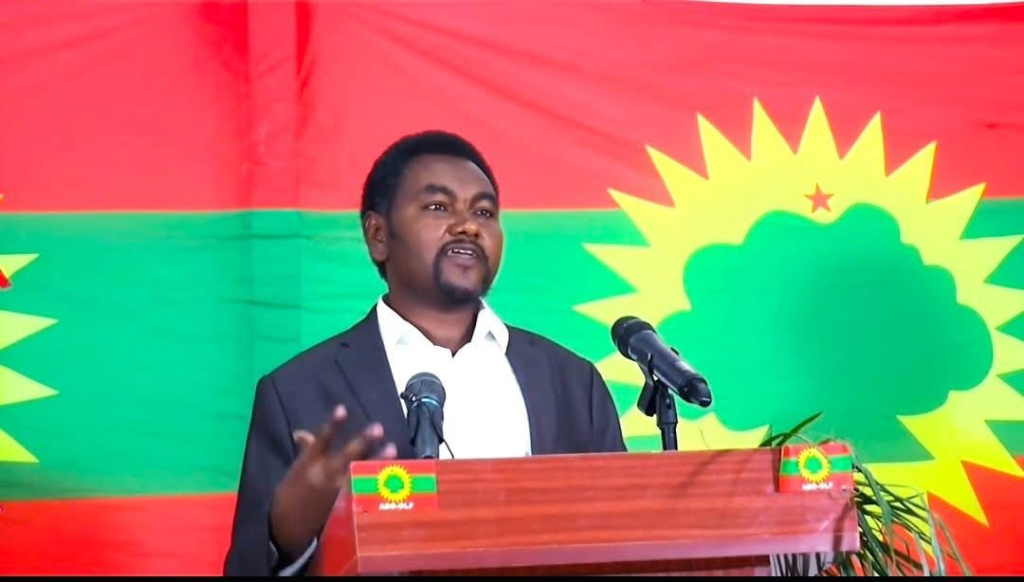
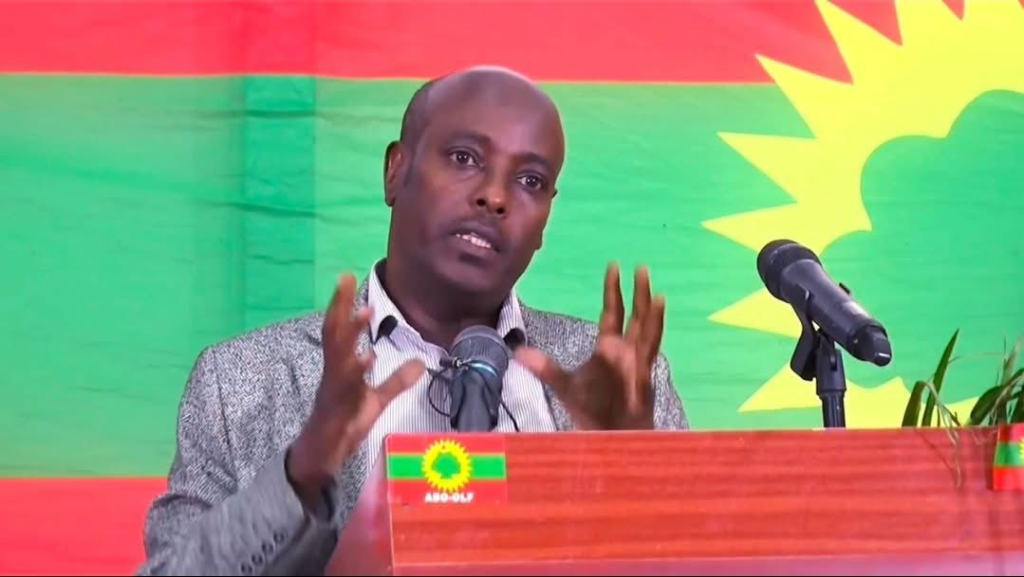

Korri Lammii Buundhaa: Cimsannaa Aadaa Oromoo
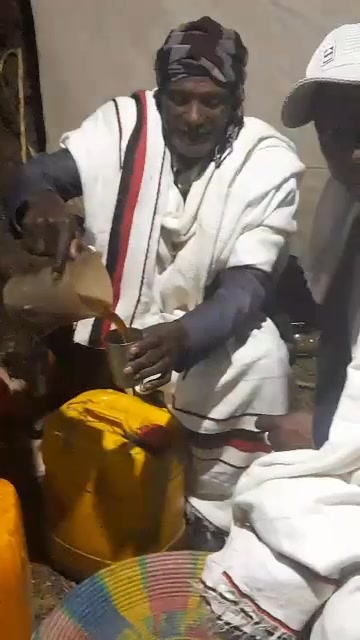
Kora Lammii akka Dirree Sabaatti: Akkamitti Korri Lammii Buundhaa Hundee Tokkummaa Aadaa Oromoof Mootora Ta’e
Amboo Ejersaatti Korri Lammii Buundhaa ardaalee Jaha jiraniif Aadaa fi Safuu Cimsuuf Ta’e
AMBO EJERSA, OROMIA — Dirree aduudhaan jiidhe naannoo Boojii irratti, sagaleen sirba kora lammii Buundhaa waa’ee eenyummaa fi duudhaalee callisaa, gadi fagoo ta’e waliin walsimsiisaa jira. Wanti akka jalqabbiilammii keessaatti jalqabe gara taatee hawaasaa guddaatti guddateera, korri lammii haaromsa aadaa wajjin haala wal hin tuqneen wal makaa jira.
Dorgommiin Kora Lammii Amboo Ejersaa dargaggoota Oromoo ardaalee adda addaa ja’a: Itayyaa, Amboo, Meexxii, Maatiii, Waddeessaa, fi Shanan irraa walitti fiduun milkaa’inaan walitti fiduun isaa ni yaadatama. Walga’iin isaanii walgahii caalaa; itti yaadanii gocha hawaasummaa deebi’anii walitti hidhamuudha. Kaayyoon giddu-galeessaa, akkuma hirmaattotaa fi qindeessitoonni walqixa ibsaman, waancaa bira darbee kan babal’atudha: Korri lammii aadaa aadaa (aadaa) fi safuu (seera naamusaa fi naamusaa) Oromoo cimsuuf akkamitti humna cimaa ta’uu akka danda’u qorachuuf yaalii walooti.
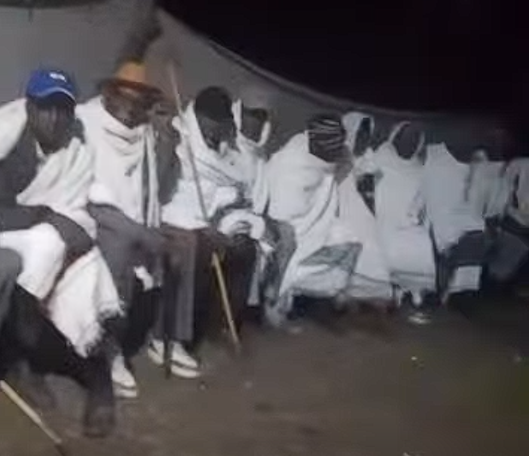
“Kaayyoon waltajjii marii uumuu ture,” jechuun qindeessaan korichaa ibseera. “Goolii fi qusannaa qofaaf osoo hin taane, haasa’uuf, dhaggeeffachuu fi eenyu akka taane yaadachuuf. Humna korichaa fayyadamuun waa’ee bu’uuraalee keenyaa marii boba’aa jirra.”
Mul’ata kanaaf dhugaa ta’ee, cinaa fi iddoowwan hawaasaa naannoo dirree jiran gara waltajjii marii boonsaatti jijjiiramaniiru-marii hawaasaa bal’aa, gadi fageenya qabu. Maanguddoonni, daawwattoonnis hojiirra oolmaa qabatamaa safuu jireenya ammayyaa keessatti, kunuunsa afaanii fi seenaa afaaniin dubbatamu, akkasumas gahee dargaggoonni akka guca aadaatti qaban irratti ofumaan marii irratti bobba’aa jiru.
”Korri Lammii kun maagneetiidha, garuu haasofni kun qabeenya dhugaati,” jedhan jaarsi buleeyyiin yeroo akeeka isaa ibsan. “Miseensi Kora Lammii Waddeessaa akaakayyuu Itaayyaa irraa dhufe tokko waliin taa’ee waa’ee kabajaa fi hawaasaa haasa’uu arguun… aadaan akkasitti hafuura baafata. Duudhaaleen kun kitaabota qofa keessatti osoo hin taane, gocha keenya guyyaa guyyaa keessatti akka ta’an akkamitti mirkaneessina.”
Miirri garmalee hirmaattota biratti mul’atu gammachuu fi itti quufinsa gadi fagoodha. ”Hirmaachuuf qofa hin dhufne,” jedhe miseensi Kora Lammii Buundhaa irraa dhufe. “Walqabsiisuuf dhufne. Jarreen kana waliin walarguu, achiis nyaachuu fi booda isaan waliin haasa’uu-dallaa ijaan hin mul’anne ni diiga. Akka ummata tokkootti akka cimnu nu taasisa.”
Miira namoota hedduu kan dhageessisan, hirmaattonni saganticha gaalee Afaan Oromoo humna guddaa qabuun wal irraa hin cinne ibsu: “Korre lammii kun waan haalan nama gammachisuu dha,” hiikni isaas, “Lammummaan hawaasaa kun waan gammachuu gadi fagoo, onnee irraa madde fiduudha.”
Korri Lammii Buundhaa Amboo Ejersaa akka moodeela dirqisiisaa sochii aadaa bu’uuraa ta’ee dhaabbatee jira. Meeshaaleen lubbuu ummata tokkoo kunuunsuuf gargaaran yeroo hunda dhaabbilee idilee keessatti akka hin argamne, garuu jaalala waloo kora lammii, dorgommii fi eenyummaa waliinii irraa maddu akka danda’an agarsiisa. Taphi kora lammii yommuu dhihaatu, injifannoowwan waaraa asitti argaman qabxiidhaan osoo hin taane, walitti hidhamiinsa cimee fi waadaa haaromfameen hambaa Oromoo boonsaan fuulduratti ceesisuuf akka madaalamu ifaadha.
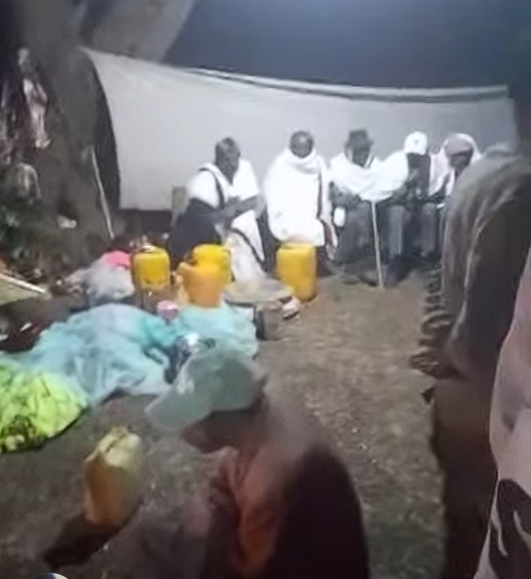

Oromo in Boji Becomes a Hub for Oromo Cultural Revival
Subtitle: Generations of Buundhaa Return Home, Spark Cultural Revival and Unity in Boji
AMBO, OROMIA – The dusty fields of Boji have transformed into a vibrant arena of unity and cultural pride. This week, the Ambo Ejersa social fabric and shared identity kicked off, achieving what few events have done recently: seamlessly bringing together the sons and daughters of Oromia from towns across the region and beyond its borders.
In a powerful display of shared identity transcending geography, generations of Buundhaa from the local Boji area have been joined on the pitch by teams representing Oromo communities from Itaya, Ambo, Meexxii, Maatii, Wadessa, and Shanan. The gathering, organized at a grassroots level, has become more than a local meeting competition; it is a homecoming and a unifying social festival.
“This is truly something that brings joy to the heart,” said one elder spectator, watching a match. “Seeing our generations, from here and from distant places, compete as brothers, wearing our shared identity with pride… it is powerful.”
Beyond the thrilling matches and skilled displays on the field, the community gathering around the tournament has taken on a deeper significance. Attendees, from players to elders to families, have spontaneously engaged in collective discussions, or marii, focusing on vital issues of Oromo culture (aadaa) and moral-ethical values (safuu). These dialogues aim to revisit, reaffirm, and revitalize these core societal pillars in a contemporary context.
“This tournament is a goal scored for our unity,” said a local organizer from Ambo. “We came to play our commitment, but we are staying to rebuild the bonds between us. We are talking about who we are, our values, and how to carry them forward. The energy is incredible.”
The spontaneous cultural discourse alongside the cultural event highlights a community-driven initiative to strengthen social fabric and shared identity. The return of strengthen social fabric and shared identity to participate has infused the gathering with a renewed sense of collective purpose and optimism.
Local administrators have praised the peaceful and constructive nature of the event, noting it as a model for community-led engagement and social cohesion.
As the strengthen social fabric and shared identity progresses towards its final match, the sentiment on the ground is clear: the true victory is not just the lifting of a trophy, but the strengthening of a people. The Ambo Ejersa has become a living testament to the enduring power of shared identity, culture, and community to inspire and unite.
Waan haalan nama gammachisudha, as the people here say—it is indeed something that brings profound joy.
In the Shadow of the Comet: The Unseen Architects of a Revolution’s Soul
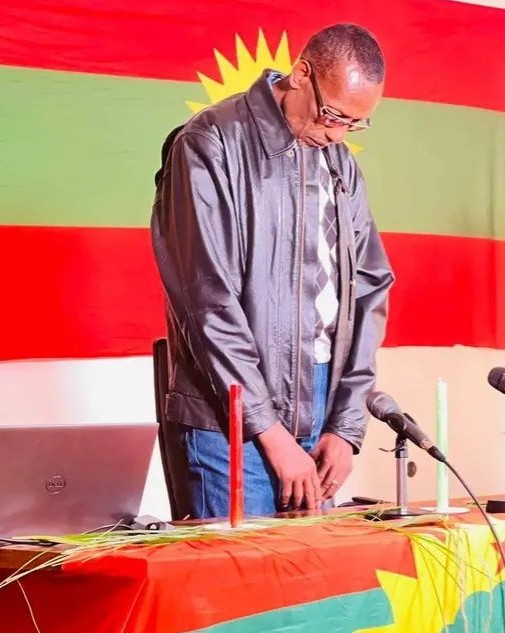
Subtitle: A Tribute to the Silent, Steadfast Pillars of the Oromo Liberation Struggle
They are the steady heartbeat beneath the drum of revolution. From its very founding to this day, the Oromo Liberation Front (OLF) has been profoundly shaped by a unique cadre of leaders: those who shun the spotlight, who cloak themselves in modesty, yet who hold the ideals and objectives of the OLF aloft like a fixed star, ensuring it shines undimmed. This tradition has grown immensely from yesterday to today, and it continues to grow.
These individuals possess a resilience and patience that is unshakable. Within the OLF, and indeed among all supporters and sympathizers of the Oromo cause, we often pass by them, seeing them as ordinary. And because the OLF is what it is—a cause, not a mere party—the organization and its followers are not always quick with lavish praise and flattery. This is not a flaw; for it is said that a fighter is dignified by his work, not by a group or clique.
Nevertheless, we must not take this for granted. And so today, I have come with a humble bouquet of remembrance and reflection; not merely to praise, but to remind you.
My humble bouquet is for a man who, from the spring of his youth to the maturity of his years, played a lion’s role in the Oromo cause. A man who served as everything from a soldier to a political leader within the OLF, who is slow to speak, deliberate in action, endowed with a rich spirit and exemplary character: Jaal Gammachis Tolasa. We speak from the little we know, for we lack the capacity to fully express who Jaal Gammee is.
As mentioned, Jaal Gammachis is among those who obscure themselves to make the OLF’s aim and objective shine like a star. He is one who has dedicated and continues to dedicate immense work, time, and energy to this end.
Jaal Gammee speaks little, but works abundantly; his patience, discipline, and wisdom are formidable.
He was raised in the love of his people, and he loves the OLF and its cause as his own life.
To Jaal Gammee, we say: may you be healthy for us. We honor you.
The Unsung Code:
In a world that often mistakes noise for strength and visibility for value, the OLF’s silent architects operate by a different code. Their leadership is not etched in loud proclamations but in the quiet consistency of action. They build not monuments for themselves, but fortifications for the idea they serve. Their strength lies in a profound understanding that the revolution’s light must not be refracted through the prism of individual ego, but must emanate purely from the collective star of liberation.
The Legacy of Steadfastness:
Figures like Jaal Gammachis Tolasa represent the critical spine of any enduring struggle. They are the keepers of institutional memory, the anchors in stormy political seas, and the living embodiment of strategic patience. While orators ignite the fire, it is they who ensure the coals burn steadily through the long night. Their “lack” of public acclaim is, in fact, a testament to their success; their identity has successfully merged with the cause, making their personal story secondary to the collective history they are helping to write.
A Call for Recognition:
This reflection is not an attempt to create cults of personality. It is a necessary correction, a reminder to a community and a movement to consciously honor its own ethos. To look beyond the stage and see the builders of the stage itself. To remember that the most radiant stars are often those whose light reaches us from the deepest, quietest parts of the universe.
The Oromo liberation journey, long and arduous, is paved with the silent sacrifices of its Gammachises. They ask for no parades. But they deserve our deepest remembrance and respect. For in guarding the purity of the star, they guard the destiny of the nation.
Fayyaa nuuf haa ta’u, Jaal Gammee. Isin jenna.




 Advocacy for Oromia