Daily Archives: February 9, 2026

A Presidential Visit and a Promise: Stewardship for Baale’s Crown Jewels
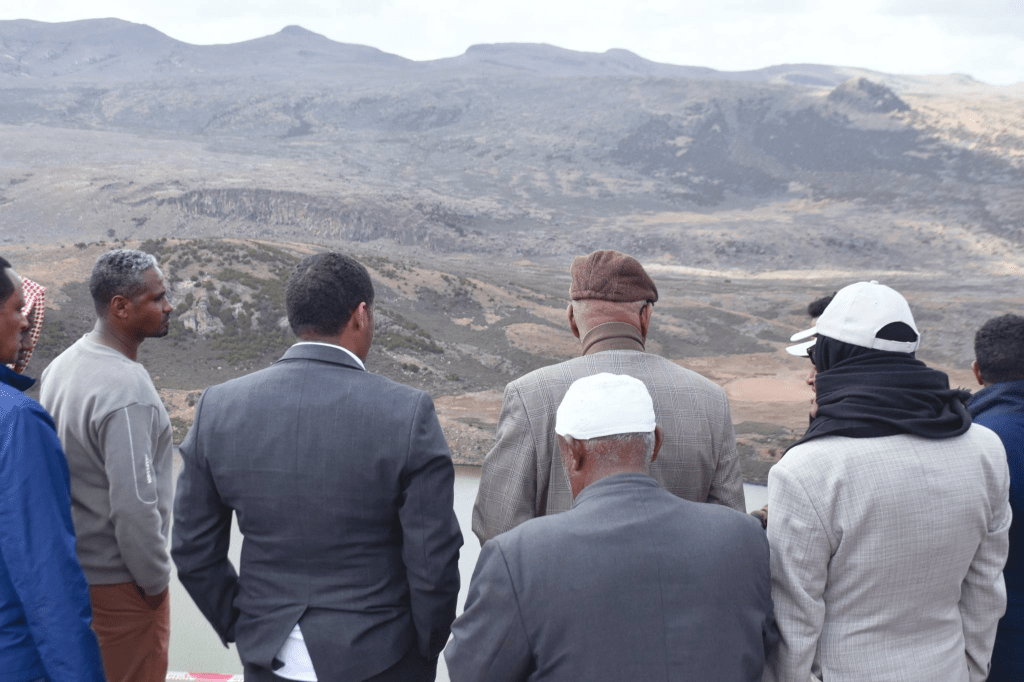
Subtitle: Oromiya President Sheik Hassan Ali’s inaugural visit to Baale underscores a commitment to its natural and cultural heritage.
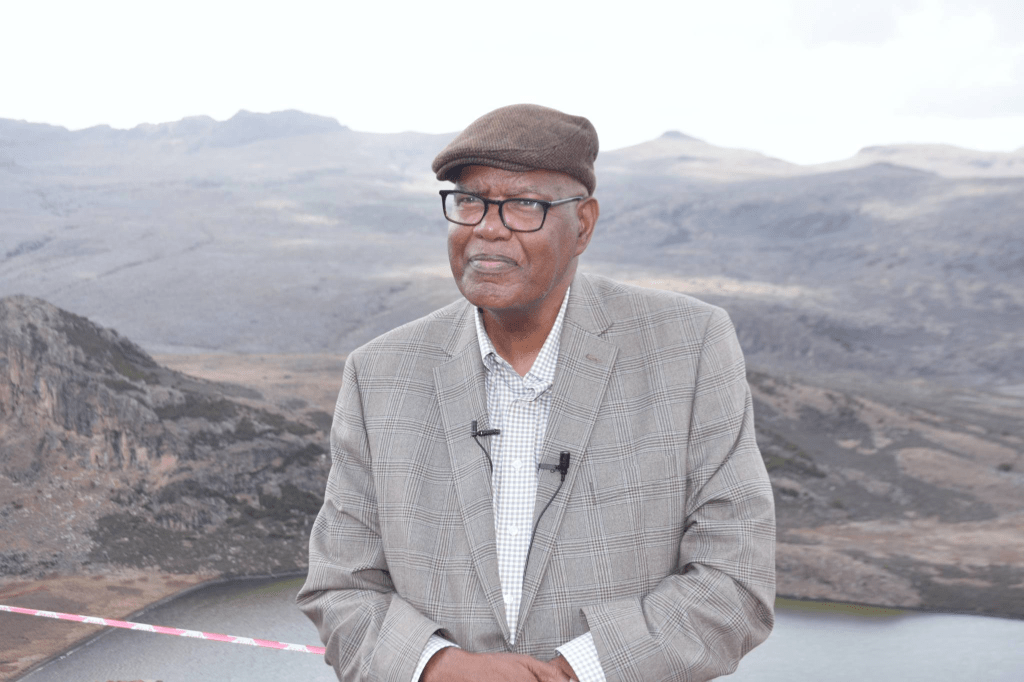
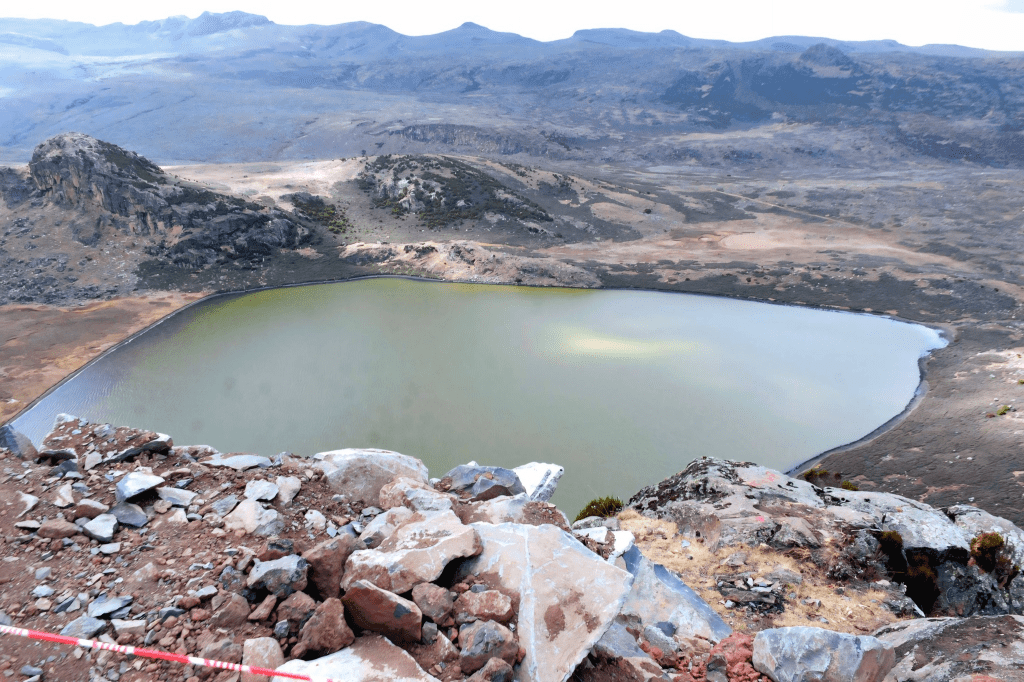
BAALE, OROMIYA – In a move symbolizing both connection and commitment, the inaugural President of the Oromiya Regional Government, Mr. Sheik Hassan Ali, chose the landscapes of Baale for one of his first official visits. The focus of his tour was a profound engagement with the region’s most iconic natural treasures: Mount Tulluu Diimtuu and the sacred waters of Bishaan Gurraacha, both core components of the Baale Mountains National Park.
The visit was more than a ceremonial stop. It was a strategic statement. By physically standing at the foot of Tulluu Diimtuu and observing the serene flow of Bishaan Gurraacha, President Sheik Hassan Ali placed the stewardship of Oromiya’s environmental heritage and the wellbeing of its communities at the forefront of his administration’s agenda.
“This visit by our first President is a powerful signal,” said local guide and community representative, Abebe Dida. “These are not just tourist sites for us. Tulluu Diimtuu is our fortress and our sanctuary. Bishaan Gurraacha is life and history flowing. To see our highest leader come here to witness them firsthand gives us hope that their protection and sustainable development will be a priority.”
The Baale Mountains National Park is a biodiversity hotspot of global significance, home to endemic species and ancient ecosystems. Tulluu Diimtuu, with its commanding presence, and Bishaan Gurraacha, a site of deep cultural and spiritual significance, represent the intertwined natural and cultural identity of the Oromo people in the region.
The presidential tour is expected to catalyze several key initiatives:
- Strengthened Conservation: Renewed efforts to protect the park’s fragile ecology from deforestation, land degradation, and unsustainable practices.
- Community-Centric Tourism: Developing a sustainable tourism model that benefits local communities directly, preserving cultural integrity while creating economic opportunities.
- Infrastructure for Preservation: Potential investment in the careful infrastructure needed to allow both citizens and visitors to experience these wonders responsibly, without harming the environment.
In pausing to behold the majesty of Tulluu Diimtuu and the serenity of Bishaan Gurraacha, President Sheik Hassan Ali did more than survey a landscape. He acknowledged a legacy. His presence reaffirmed a pact between the new regional government and the land itself—a promise to honor, protect, and wisely shepherd these crown jewels of Oromiya for generations to come. The true work begins now, transforming the symbolism of the visit into lasting policy and tangible guardianship.

A Torch Against the Night: The Unyielding Legacy of Jaal Muudaa
In the Story of One Fearless Warrior, We See the Blueprint for a People’s Liberation
There are figures whose lives do not merely belong to history books; they become maps. They chart a course for a people, a set of coordinates that future travelers can use to navigate their own storms. Among the Oromo people, Jaal Muudaa stands as one such landmark—a “gameessa” (brave fighter), whose name itself is a chronicle of resistance and a guidepost for the ongoing struggle.
The core of his legacy is captured in a powerful phrase: “Obsaa fi kutataa ba’aa garbummaa hunda danda’ee dabarsuun akkataa qabsoon itti jiraatuuf kan fakkeenya ta’ee jiru.” – “He demonstrated the ability to break through all the nets and traps of colonialism, setting an example of how the struggle must be waged.”
This is not simple praise; it is a technical manual for liberation, inscribed in courage.
First, the Nets and Traps of Colonialism (Garbummaa). Oppression is never a simple, brute force. It is a sophisticated system. It weaves nets of psychological subjugation, economic dependency, and cultural erasure. It sets traps of division, collaboration, and despair. It aims not just to control the body, but to entangle the spirit.
Second, The Ability to Break Through (Danda’ee Dabarsuun). Jaal Muudaa’s greatness lies in this active verb. It is a declaration of agency. He was not just a victim of the system; he was a master of its subversion. He studied the nets, found their weak threads, and cut through. He saw the traps before they snapped shut and stepped over them. This required more than physical bravery; it demanded profound strategic intelligence, a deep knowledge of his enemy, and an unshakeable clarity of purpose.
Third, The Enduring Example (Akkataa Qabsoon itti Jiraatuuf). Herein lies his immortal contribution. He did not just win battles; he modeled a method. He showed that the seemingly invincible machinery of oppression has flaws. He proved that a determined, principled, and strategic resistance is not futile. He became a fakkeenya—a living example—demonstrating how to organize, how to resist, and how to maintain integrity in the face of immense pressure.
Today, as new forms of control and assimilation present themselves, the example of Jaal Muudaa remains critically relevant. The nets and traps have evolved—they may now be digital, economic, or political—but the fundamental need to see them clearly, dare to resist, and forge a strategic path through them remains unchanged.
He teaches us that liberation is not a gift; it is a capability that must be developed, a path that must be carved by those willing to break through. His life is a testament that the struggle endures not as a cycle of suffering, but as a continuous, conscious act of breaking barriers and passing on the knowledge of how it is done.
In honoring Jaal Muudaa, we do more than remember a hero. We recommit to studying his craft. We pledge to see the nets for what they are, to cultivate the courage to cut them, and to walk the path he helped clear, ensuring the struggle for justice, dignity, and true freedom lives on, just as he showed us how.




 Advocacy for Oromia