Dhagaa Baabbilee: Nature’s Marvel Beckons Tourists to Eastern Hararghe
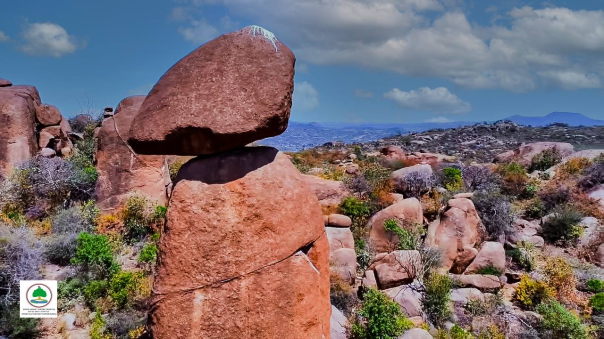
Oromia, Babille— Rising majestically from the rugged landscape of Eastern Hararghe Zone, the extraordinary rock formation known as Dhagaa Baabbilee stands as one of Ethiopia’s most remarkable natural wonders, offering visitors an unforgettable encounter with geological history.
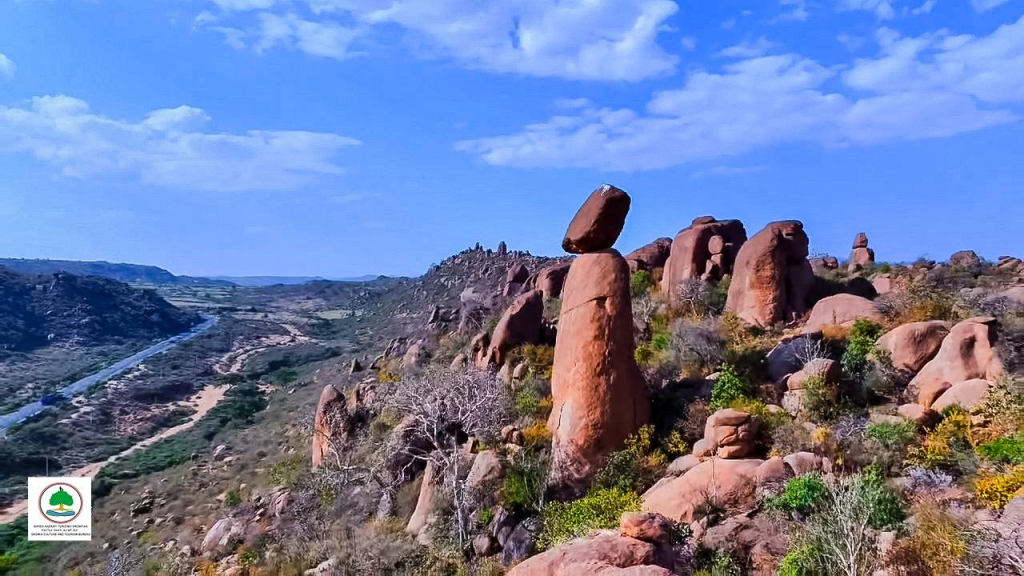
Located just five kilometers from the town of Babile and approximately 40 kilometers from the ancient walled city of Harar, this fascinating volcanic rock structure is easily accessible to both domestic and international tourists seeking authentic natural experiences. The site, situated in an area locally called Dakkata, presents visitors with a stunning visual spectacle that has captivated travelers, photographers, and nature enthusiasts alike.
A Testament to Volcanic Origins
Dhagaa Baabbilee’s distinctive shape tells a story millions of years in the making. Geological experts attribute its unusual formation to ancient volcanic activity that shaped the region’s topography. Unlike typical rock formations found elsewhere in the country, these particular monoliths stand in remarkably preserved forms, their peculiar contours defying conventional expectations of natural rock structures.
Standing prominently along the roadside, the formation offers convenient viewing opportunities without requiring strenuous hiking or specialized equipment. Visitors can simply park and witness this geological masterpiece up close, making it an ideal stop for travelers journeying between Harar and Babile.
Photographer’s Paradise
For photography enthusiasts and social media content creators, Dhagaa Baabbilee presents an unparalleled backdrop. The interplay of light and shadow across the volcanic rock faces during golden hours creates dramatic compositions that have made the site increasingly popular among Ethiopia’s growing community of nature photographers.
“The way these rocks catch the morning light is simply magical,” observed Tadesse Alemu, a frequent visitor from Harar. “Every visit offers a different perspective, a new angle to appreciate.”
Gateway to Greater Exploration
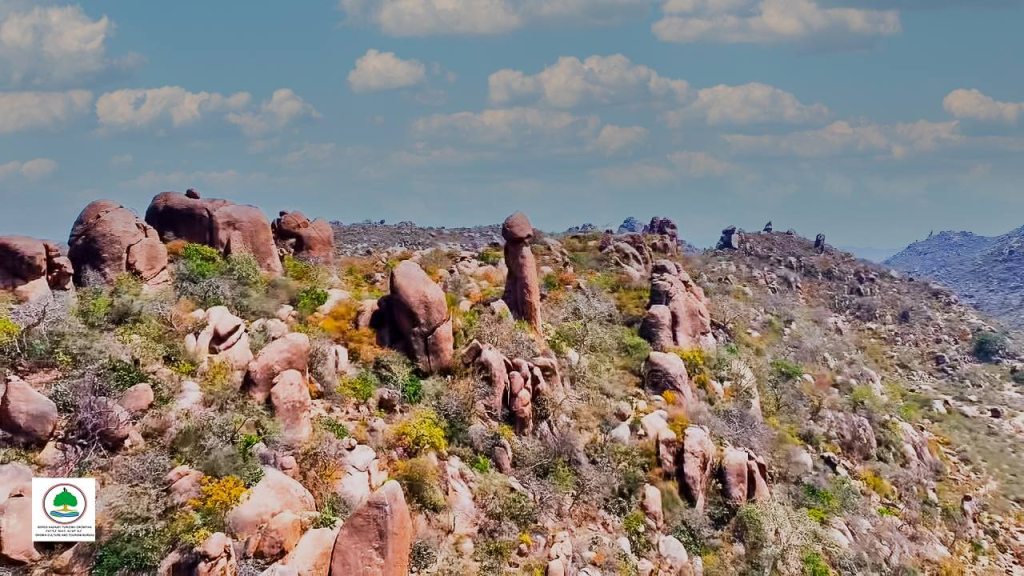
The Dakkata Valley, stretching from Harar to Funyaan Bira, features an entire landscape dotted with similar volcanic formations, creating what tourism experts describe as an underutilized geological corridor with tremendous potential for adventure tourism, educational field trips, and scientific research.
Unlike many tourist destinations that offer only recreational value, Dhagaa Baabbilee serves multiple purposes. Its accessibility makes it suitable for school excursions focusing on geography and natural sciences, while history researchers find value in understanding how such formations have influenced human settlement patterns in the region.
Untapped Tourism Potential
Despite its proximity to Harar—a UNESCO-recognized heritage site that attracts thousands of international visitors annually—Dhagaa Baabbilee remains relatively unknown outside the immediate region. Local tourism stakeholders are now advocating for greater promotional efforts to integrate this natural attraction into existing tourist circuits.
“We have this magnificent resource practically at our doorstep, yet many visitors to Harar leave without knowing it exists,” said Mulugeta Tesfaye, a tourism operator based in Babile. “The potential here is enormous—for local job creation, for community development, and for diversifying Ethiopia’s tourism offerings beyond the northern circuit.”
An Invitation to Discover
As Ethiopia’s tourism sector continues recovering and expanding, destinations like Dhagaa Baabbilee represent opportunities to showcase the country’s lesser-known natural heritage. The site embodies the geological diversity that makes the Horn of Africa region scientifically significant while offering accessible adventure for casual travelers.
“We invite everyone—whether you’re a researcher seeking to understand our geological history, a photographer chasing that perfect shot, or simply someone who appreciates the extraordinary beauty of nature,” said community representative Amina Ibrahim. “Come, visit Dhagaa Baabbilee, witness this wonder of Oromia’s natural heritage, and take pride with us in this magnificent gift of nature.”
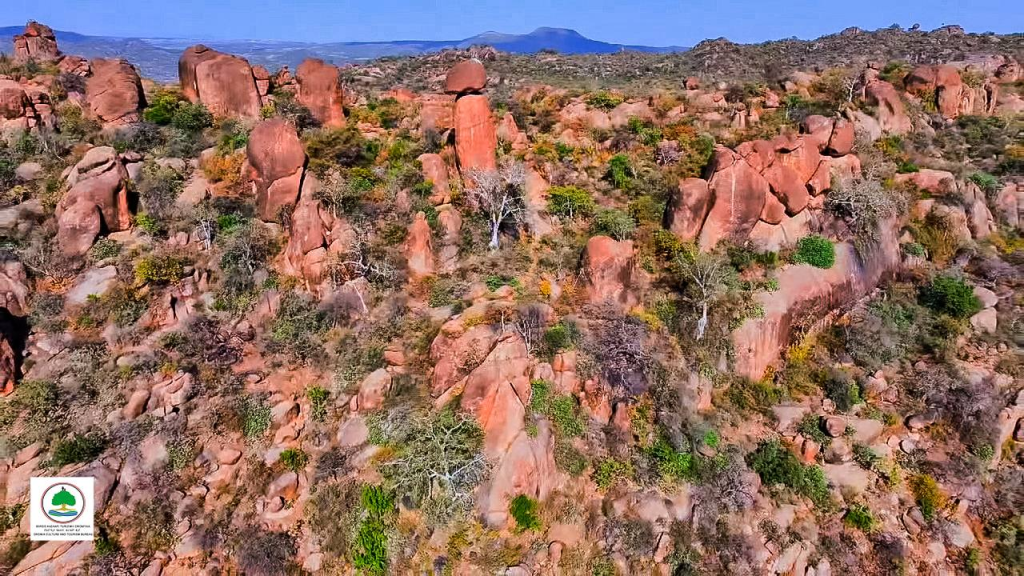
As sunset paints the volcanic rocks in shades of amber and crimson, visitors to Dhagaa Baabbilee experience what local guides describe as “the moment when stone and sky become one”—a fitting metaphor for a place where Ethiopia’s ancient geological past meets its promising tourism future.

Posted on February 11, 2026, in News, Oromia. Bookmark the permalink. Leave a comment.




 Advocacy for Oromia
Leave a comment
Comments 0