Oromo Diaspora Honors Pivotal Figures in Virtual Memorial
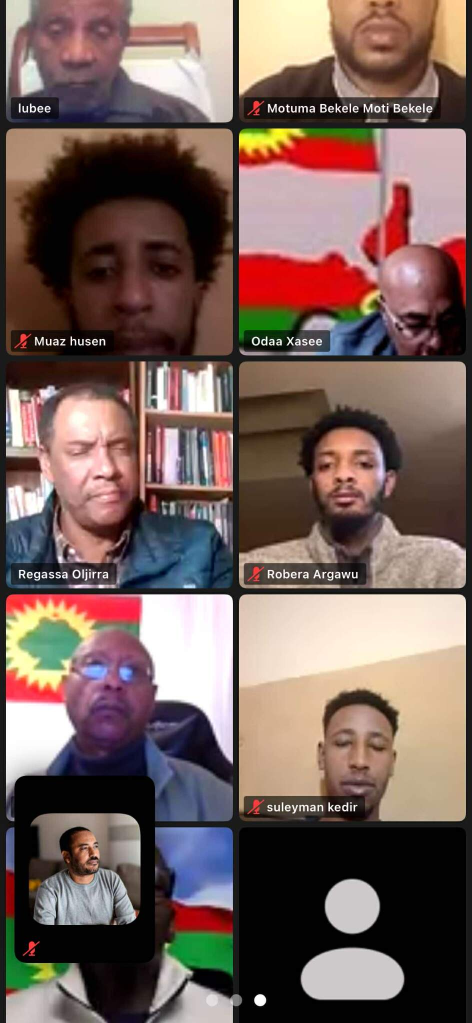
Diaspora gathers online to celebrate “towering figure” of Oromo liberation struggle
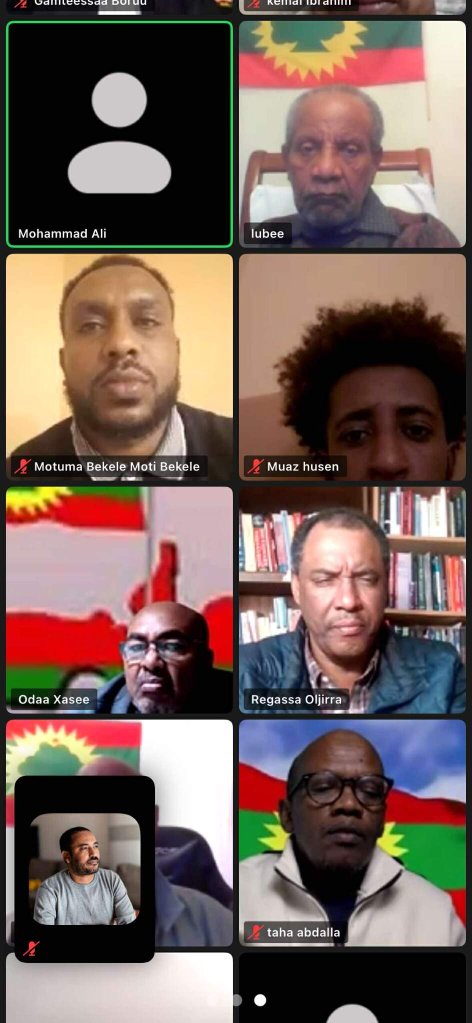
WASHINGTON, D.C. — The Oromo Liberation Front (OLF) convened a virtual memorial service Sunday, February 15, 2026, via Zoom to honor the life and legacy of a pivotal figure in the Oromo struggle for self-determination. The event, scheduled for 2:00 PM Eastern Time, brought together members of the Oromo diaspora, elders (Hayyoota), and human rights advocates from across the United States to celebrate a “towering figure” whose contributions to truth, justice, and the Oromo people have left an indelible mark on the movement .
A Moment of Collective Reflection
While the OLF’s announcement referred to the subject as a “towering figure,” Sunday’s service forms part of a broader moment of reflection for the organization, which has recently focused on honoring the intellectual giants who shaped Oromo nationalism. Just days earlier, on February 7, 2026, the OLF held a ceremony at its headquarters in Gullallee, Finfinnee to honor the late Professor Asmarom Legesse and Professor Hamdesa Tuso .
Professor Asmarom Legesse was celebrated during that gathering for his groundbreaking anthropological work, particularly his research on the indigenous Gadaa system, a traditional democratic governance structure. His seminal book, Gada: Three Approaches to the Study of African Society, is credited with bringing Oromo culture and governance to the global academic spotlight . During the February 7 ceremony, OLF Chairman Jaal Dawud Ibsa led tributes that highlighted the power of scholarship in the national struggle, emphasizing the need to “reclaim historical truth” .
Echoes of Recent Commemorations
Sunday’s virtual service in Washington appeared to be a continuation of this season of remembrance, extending honor to another key architect of the movement. Given the context of recent OLF commemorations, the event echoed the sentiments expressed at the February 7 gathering, where leaders praised the “unforgettable mark” left by the movement’s forebears and called upon the younger generation (dhaloota) to carry their unfinished work forward .
The Intellectual Foundations of the Struggle
Scholars note that the OLF, founded in the early 1970s, emerged from clandestine efforts by Oromo nationalists to build a movement that combined armed struggle with a strong intellectual and cultural foundation. Historians point to figures like Baro Tumsa, described in a recent 2024 biography as the “Principal Architect of the Oromo Liberation Front,” who worked to unite nationalists from diverse backgrounds in the face of oppression .
The intellectual tradition honored in these memorials reflects the OLF’s distinctive character as a movement that understood liberation not merely as a military objective but as a project of cultural and historical reclamation. The scholars being remembered devoted their lives to excavating Oromo history, philosophy, and governance traditions that had been suppressed or denied during decades of imperial rule.
A Solemn Duty
The invitation released by the OLF framed the event as an obligation owed to those who sacrificed for the cause. “This is the least we can do for a life so profoundly devoted to truth, justice, and our people,” the statement read .
That sentiment resonated throughout Sunday’s virtual gathering, as participants reflected on the personal and collective debts owed to the generation that built the movement. The Zoom format, necessitated by the geographic dispersal of the Oromo diaspora across North America, nonetheless allowed for meaningful connection and shared remembrance.
Diaspora Engagement
The service drew participants from across the United States, reflecting the strength and commitment of the Oromo diaspora community. Washington D.C. has long been a center of Oromo organizing and advocacy, hosting numerous cultural, political, and commemorative events over the decades. The virtual format expanded access to Oromos unable to travel to the nation’s capital while maintaining the solemnity appropriate to the occasion.
Elders (Hayyoota) played a prominent role in the proceedings, as is traditional in Oromo culture when honoring the departed. Their presence underscored the intergenerational nature of both the struggle itself and the responsibility to transmit its history and values to those who will carry it forward.
Preserving and Transmitting History
Sunday’s memorial service also served an educational function, introducing younger participants to figures whose contributions may not be widely known outside dedicated scholarly or activist circles. The emphasis on the intellectual and cultural foundations of the Oromo struggle provides context for understanding the movement’s character and objectives.
As participants reflected on the “towering figure” being honored, they also considered the broader legacy of Oromo intellectuals and organizers who built the institutions and articulated the vision that sustains the struggle today. The February 7 ceremony honoring Professors Legesse and Tuso, followed by Sunday’s virtual gathering, creates a season of remembrance that reinforces collective memory and identity.
Continuing Resonance
The service served as a poignant reminder of the ongoing resonance of the Oromo liberation struggle and the individuals who laid its intellectual and political groundwork. Even as the movement addresses contemporary challenges, these commemorative moments affirm continuity with the founders and the principles they established.
For the Oromo diaspora, separated by geography but united by commitment to their people’s cause, such gatherings provide opportunities for connection, reflection, and renewed dedication. The Zoom platform, while different from in-person assembly, enabled participation from Oromos who might otherwise be unable to join such commemorations, expanding the circle of remembrance.
Looking Forward
As Sunday’s virtual memorial concluded, participants carried forward not only memories of the individual being honored but also renewed commitment to the values and objectives that defined their life’s work. The call issued at the February 7 ceremony—for the younger generation (dhaloota) to carry forward the unfinished work of the movement’s founders—resonated across both gatherings.
The Oromo struggle continues, shaped by those who built its foundations and sustained by those who carry their legacy. Sunday’s virtual memorial service from Washington D.C. ensured that another “towering figure” received the honor due, while strengthening the connections that bind the Oromo people across continents and generations.

Posted on February 16, 2026, in Finfinne, News, Oromia. Bookmark the permalink. Leave a comment.




 Advocacy for Oromia
Leave a comment
Comments 0