Bicultural Educators Strengthen Skills to Combat Elder Abuse in Victoria’s Diverse Communities
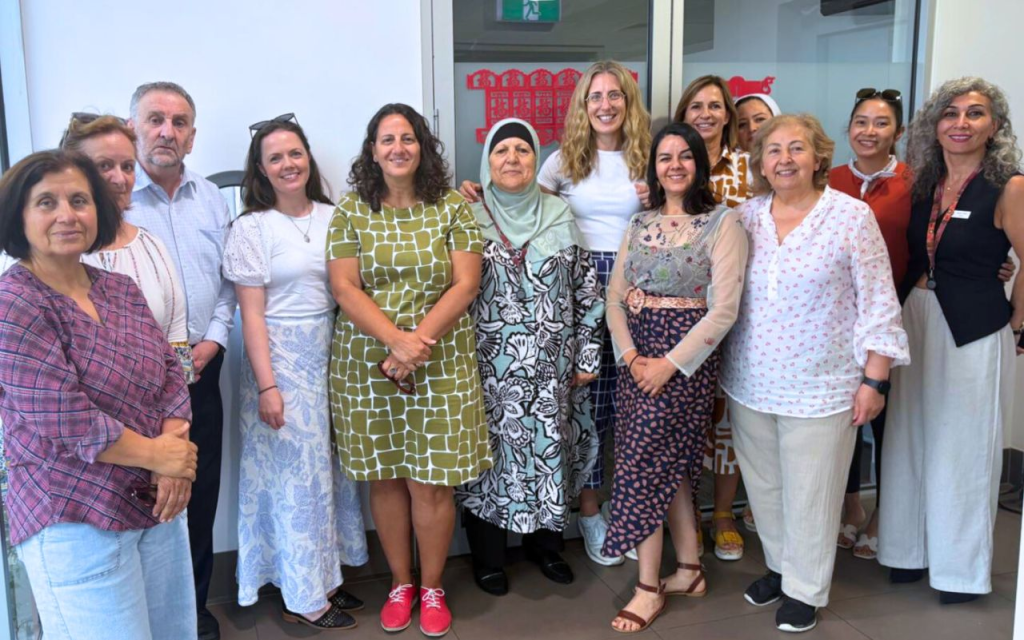
Refresher training brings together multilingual educators to promote respectful relationships and raise awareness using trusted, in-language information
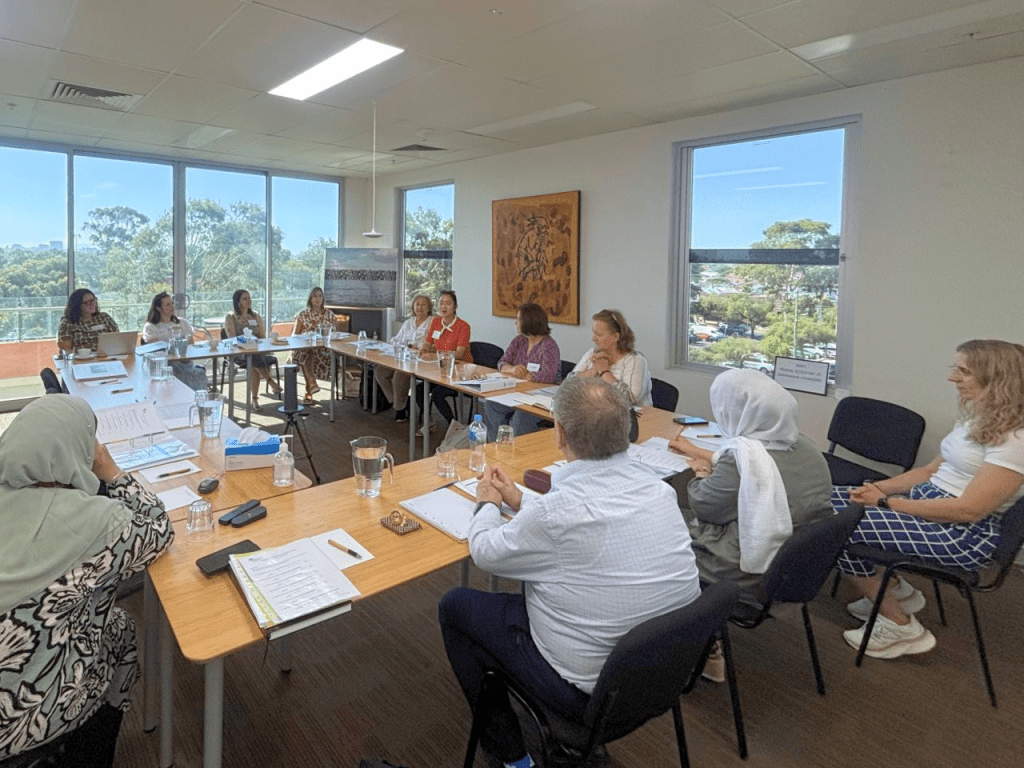
MELBOURNE, Australia — The Ethnic Communities’ Council of Victoria (ECCV) has convened a vital refresher training session for Bicultural Educators working to prevent elder abuse across Victoria’s culturally diverse communities. The session, held last week as part of ECCV’s Elder Abuse Prevention program, equipped multilingual community educators with updated knowledge and resources to continue their essential work protecting older community members .
Seven Bicultural Educators attended the training, representing a remarkable cross-section of Victoria’s linguistic diversity. Languages covered by the attending educators included Dari, Hazaragi, Urdu, Serbian, Persian, Turkish, Spanish, Vietnamese, Greek, and Italian—reflecting the program’s reach into communities spanning Eastern Europe, the Middle East, Asia, and Latin America .
A Trusted Approach to a Sensitive Issue
The Elder Abuse Prevention program supports community members who speak English and another language to raise awareness about elder abuse and promote respectful relationships in their communities. The program’s effectiveness rests on a simple but powerful insight: information about sensitive family matters is most effectively communicated by trusted voices within communities, using languages that older people understand fully .
Elder abuse—which can take forms including financial exploitation, psychological manipulation, physical harm, and neglect—often goes unreported in culturally diverse communities due to language barriers, isolation, cultural norms around family privacy, and lack of awareness about available support services. Bicultural Educators bridge these gaps by bringing information directly to communities in ways that respect cultural contexts while clearly communicating rights and resources.
Expert Facilitation and Guest Presentations
The refresher session was delivered by Hayat Doughan from ECCV and Gary Ferguson from Seniors Rights Victoria, combining ECCV’s community expertise with Seniors Rights Victoria’s specialized knowledge of legal and advocacy supports for older people experiencing abuse .
A guest presentation from ECCV’s Nikolaus Rittinghausen addressed the new aged care reforms, ensuring that Bicultural Educators can help older community members navigate the evolving aged care landscape. As Australia’s aged care system undergoes significant changes, access to clear, in-language information about rights, services, and how to access support becomes increasingly critical for older people from migrant and refugee backgrounds .
Government Partnership
The session also included attendance from staff at the Victorian Department of Families, Fairness & Housing, demonstrating the Victorian government’s commitment to supporting community-led approaches to elder abuse prevention. This partnership between government and community organizations recognizes that effective responses to elder abuse must be co-designed with the communities most affected .
The Department’s involvement also ensures that Bicultural Educators’ on-the-ground insights about challenges facing diverse communities can inform policy development and service design at the state level.
Building Capacity Across Communities
ECCV continues to support Bicultural Educators to work with seniors’ organizations and community groups across Victoria, helping older people and families stay informed and safe. The refresher training represents an ongoing investment in the skills and knowledge of these essential community connectors .
For the educators themselves, the training provides opportunity to share experiences with peers working in different communities, learn about new developments in policy and practice, and refresh their understanding of elder abuse dynamics and intervention strategies. This peer learning dimension strengthens the network of educators across Victoria, creating a community of practice that supports individual educators in their demanding roles.
Addressing a Growing Concern
Elder abuse is a significant and growing concern in Australia, with research suggesting that between 2% and 14% of older people experience abuse in any given year. For older people from culturally and linguistically diverse backgrounds, additional barriers—including language, migration status, financial dependence on family members, and cultural expectations about family care—can increase vulnerability and complicate help-seeking .
The Bicultural Educator model directly addresses these barriers by meeting communities where they are, using languages they understand, and working through trusted relationships. Rather than expecting older people to navigate complex service systems designed for English-speaking Australians, the program brings information and support directly into community spaces.
Community-Led Prevention
The emphasis on promoting “respectful relationships” reflects an understanding that preventing elder abuse requires more than crisis intervention—it requires shifting community norms and expectations about how older people should be treated. Bicultural Educators are positioned to influence these norms from within, drawing on cultural values of respect for elders while challenging practices that cross into abuse .
This preventive approach aligns with public health models that emphasize primary prevention—stopping problems before they start—as the most effective long-term strategy for addressing complex social issues. By building awareness of what constitutes abuse, rights of older people, and available supports, Bicultural Educators help communities develop the knowledge and language to address elder abuse before it escalates.
Languages of Reach
The ten languages represented at the refresher training illustrate the program’s remarkable reach:
- Dari and Hazaragi, spoken by Afghanistan’s diverse communities
- Urdu, widely spoken in Pakistan and parts of India
- Serbian, serving communities from the former Yugoslavia
- Persian, connecting with Iranian communities
- Turkish, serving Victoria’s long-established Turkish community
- Spanish, reaching communities from Latin America and Spain
- Vietnamese, supporting one of Victoria’s largest migrant communities
- Greek, serving generations of Greek Australians
- Italian, connecting with Italian-Australian communities across generations
Each language represents not merely a mode of communication but a gateway to communities whose older members might otherwise remain isolated from information about their rights and available supports.
Continuing Commitment
ECCV’s ongoing support for Bicultural Educators reflects a long-term commitment to elder abuse prevention that extends well beyond individual training sessions. The organization works continuously to connect educators with seniors’ organizations and community groups, ensuring that their expertise reaches those who need it most .
The program also contributes to broader advocacy efforts, with insights from Bicultural Educators informing ECCV’s policy work on aged care, elder abuse prevention, and the needs of older people from migrant and refugee backgrounds. This two-way flow—from communities to policymakers via educators—ensures that systemic advocacy remains grounded in lived experience.
How to Learn More
ECCV encourages community members, seniors’ organizations, and anyone concerned about elder abuse to learn more about the organization’s work in this critical area. Detailed information about the Elder Abuse Prevention program, including resources and contact information, is available through ECCV’s website .
For Bicultural Educators interested in participating in the program, or for community organizations seeking to connect with educators serving specific language communities, ECCV welcomes inquiries about how the program can support diverse communities across Victoria.
The refresher training session concluded with renewed commitment from all participants to continue this essential work—ensuring that older Victorians from all backgrounds can age with dignity, respect, and safety, supported by communities that understand and value them.

Posted on February 17, 2026, in Information, News, Press Release, Promotion. Bookmark the permalink. Leave a comment.




 Advocacy for Oromia
Leave a comment
Comments 0