Daily Archives: February 21, 2026

Oromo Liberation Front Consults Members on Current Situation and 7th Round Elections
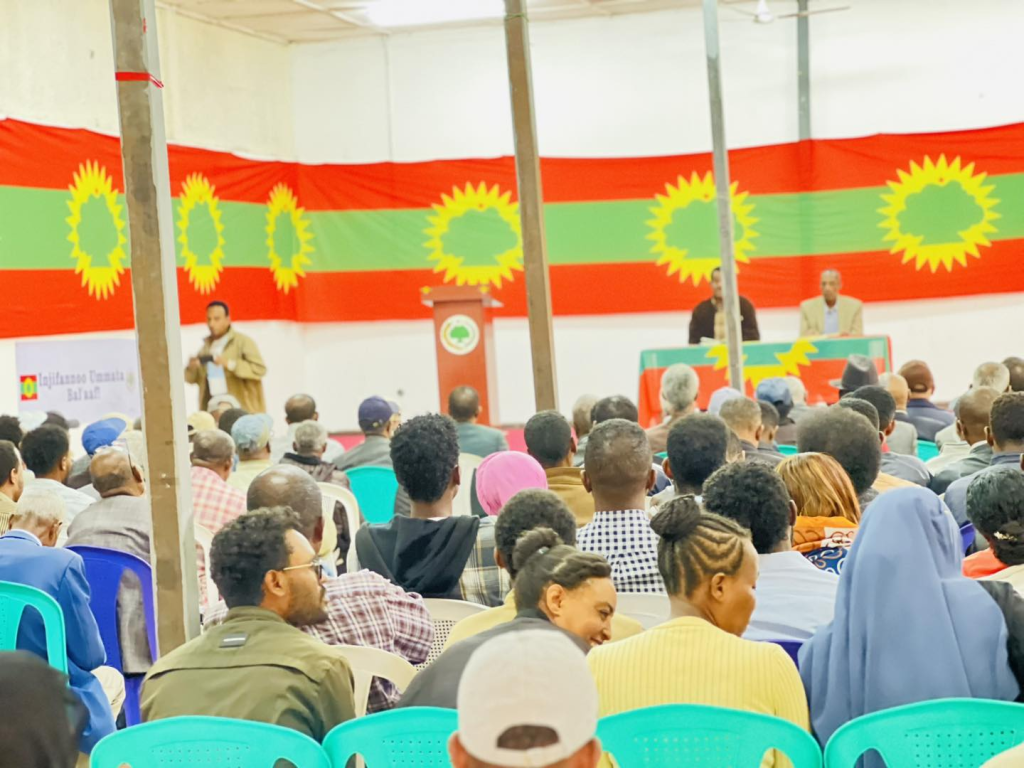
Leadership emphasizes unity, grassroots organizing, and unwavering commitment to the Oromo cause
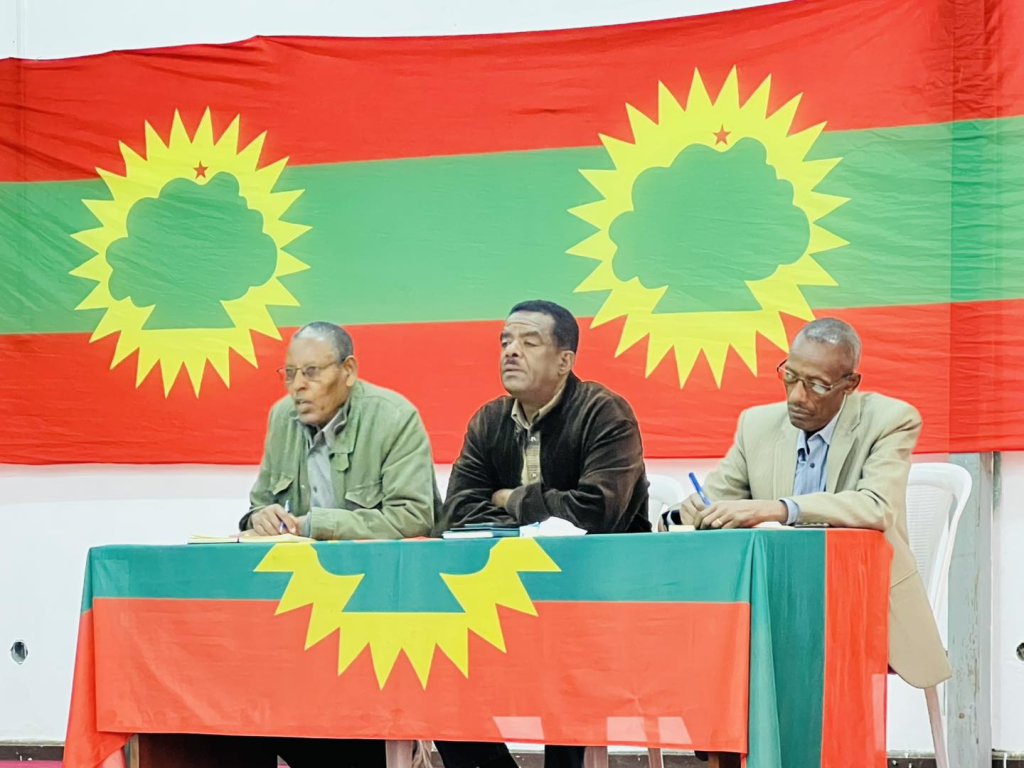
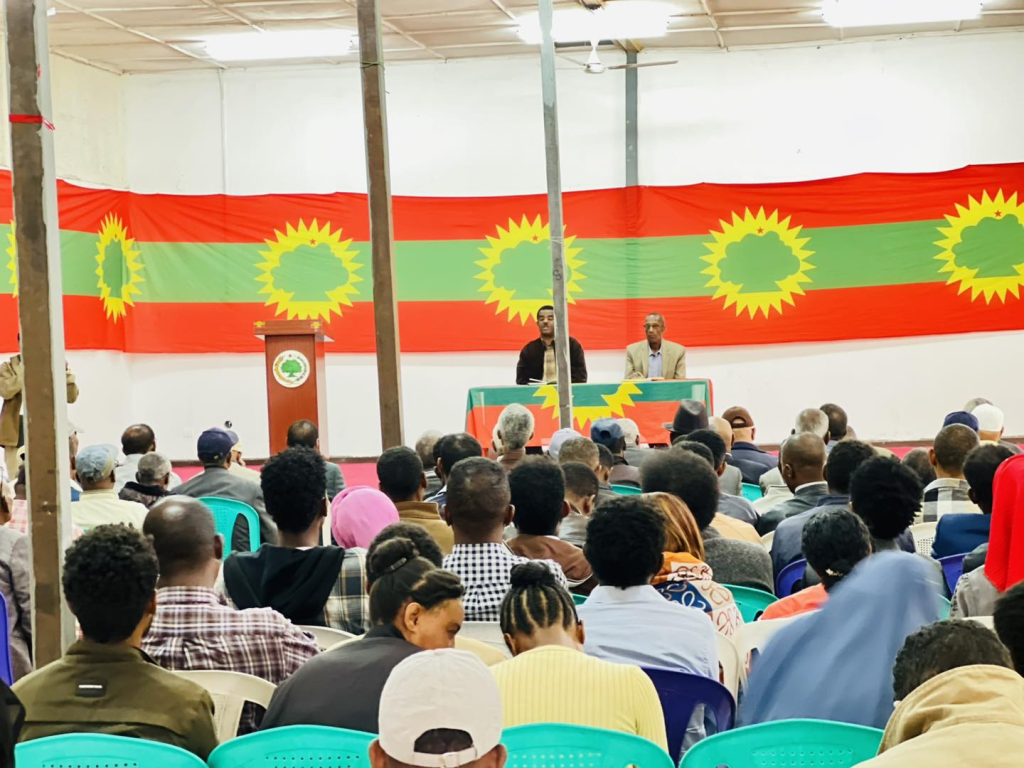
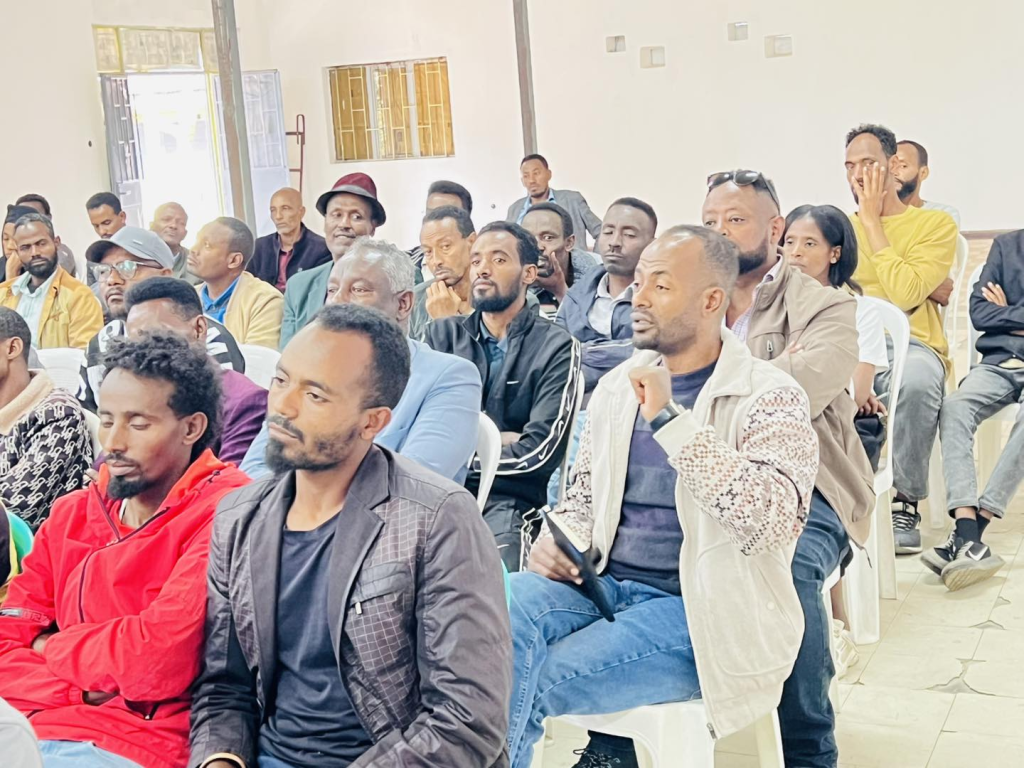
FINFINNE, Gullallee — The Oromo Liberation Front (ABO) convened a significant consultative meeting with its members on February 21, 2026, at its headquarters in Gullallee to discuss the current political situation and the upcoming 7th round elections. The gathering brought together Qondaaltota (junior leaders), Dabballoota (cadres), and general membership for extensive deliberations on the path forward.
The meeting was led by senior OLF leader Jaal Abdii Raggaasaa and GS-ABO member Jaal Gammachiis Tolasa, who guided discussions on the organization’s electoral strategy, organizational strengthening, and continued commitment to the Oromo people’s aspirations.
Building Oromia: A Task Without Geographic Boundaries
Addressing members, Jaal Abdii Raggaasaa emphasized that the work of building Oromia and the Oromo nation extends beyond Ethiopia’s borders. He noted that OLF has been engaged in building Oromo consciousness and organization both inside Oromia and throughout the diaspora—wherever Oromos reside.
“Our foundational organizing must begin at the grassroots level, starting from the village,” Abdii stated, emphasizing that organic community-based organizing remains essential to lasting political change.
He stressed that the Oromo people, having been organized and mobilized, must now struggle for their rights with even greater unity than before—rallying under the banner of their organization to achieve their aspirations.
The Nature of Struggle: Strength Through Commitment
Reflecting on the inevitable fluctuations of liberation movements, Abdii acknowledged that any organization engaged in struggle experiences periods of strength and periods of weakness. However, he emphasized that these fluctuations are ultimately determined by the commitment and determination of the organization’s members.
“Some individuals enter the organization (Irbuu) but then exploit it—seeking personal benefit rather than serving the people’s cause. When such people exist, it is they themselves who suffer the consequences, not ABO and not others,” he explained.
Abdii further noted that throughout ABO’s history, the organization has built individuals, educated them about its goals and vision, and brought them into the struggle. Even among those who entered the organization and then exploited it, he observed that none have succeeded—only those who remained committed have prevailed.
“For those who adopt ABO’s goals and vision and then exploit the organization—the struggle of ABO is a struggle of blood and bone. Even God will hold them accountable. They will not succeed.”
Integrity and Moral Responsibility
The senior leader emphasized that all members must uphold the moral integrity of the organization, carrying forward its goals and vision in a manner that builds the Oromo people and the nation .
“If we are people of truth, our people will never abandon us under any circumstances,” Abdii declared. “But if we are people of falsehood, even if we hold something, we will lose it. Therefore, if we do not believe in truth, we should abandon the struggle—but we must not build the people with lies.”
He stressed that when ABO struggles with pure truth on its side, its victory will be immense and far-reaching. “When we march with truth, when we struggle for justice, we not only build the people easily—we also build ourselves within the structures of government. Therefore, let us speak only truth to our people.”
Seizing the Moment: The 7th Round Elections
Participants in the meeting shared perspectives on the upcoming elections, emphasizing that this is an opportunity that must be seized. Members stressed that supporting ABO through these challenging times and utilizing available opportunities is not merely a matter of preference but an obligation for all members. Therefore, everyone must work diligently for the upcoming 7th round elections .
OLF: The Center of Oromo Peace
Jaal Yaasoo Kabbabaa Hordofa, another OLF official, emphasized that “OLF is the center of Oromo peace,” and that the Oromo people must strengthen their resolve.
Regarding electoral participation, Yaasoo noted that if any organization has enabled Oromo participation in elections, and if OLF participates this year, it will mark the first and largest chapter in Oromo electoral history. Therefore, the Oromo people must seize this opportunity, exercise their rights, and fulfill their responsibilities.
Reflecting on the nature of the struggle, Yaasoo added: “In the struggle ABO is waging, even if we face extinction—if we are reduced to just one person—we must speak as ABO. We must not hide ourselves. We may face extinction, but we must not retreat into silence.”
A Legacy of Sacrifice, A Future of Commitment
Jaal Keeriyaa Ibraahim echoed these sentiments, emphasizing that an organization that has reached this point through enormous sacrifice cannot now retreat into silence. Regarding the upcoming 7th round elections, she called on members to dedicate themselves fully and work without hesitation .
“OLF’s struggle has always been a struggle of self-reliance,” Keeriyaa emphasized. “As long as the Oromo people exist, our organization need not struggle. Just as it has relied on itself in the past and trusted its people, today it relies on our people. Therefore, we members must work diligently to strengthen it.”
Conclusion: The Work Continues
The consultative meeting at Gullallee reaffirmed OLF’s commitment to the Oromo people’s struggle for self-determination, dignity, and democratic rights. With the 7th round elections approaching, the organization is mobilizing its members and supporters to participate actively while maintaining the integrity and moral clarity that have defined its decades-long struggle.
As members departed the headquarters, the message was clear: OLF remains the center of Oromo peace, the voice of Oromo aspiration, and the organizational home for those committed to the liberation struggle. The work continues—with truth as its foundation, sacrifice as its currency, and victory as its destiny.
ABO haa waaru! (Long live OLF!)
Injifannoon Ummata Oromoo! (Victory to the Oromo people!)

The Backbone of the Struggle: Oromo Women’s Indispensable Role in the Oromo Liberation Front (OLF/ABO)
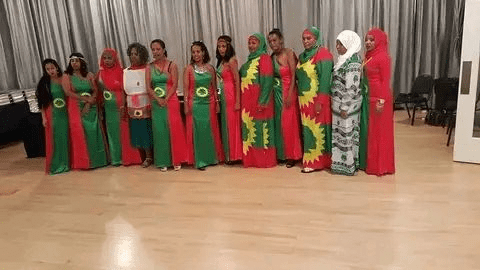
For decades, Oromo women have served as pillars of the liberation movement, from the battlefield to political organizing, paying the ultimate price for freedom
OROMIA/INTERNATIONAL — For generations, the Oromo people’s struggle for self-determination has been sustained by the courage, sacrifice, and unwavering commitment of its women. Within the Oromo Liberation Front (ABO), Oromo women have stood as “utubaa cimaa” —strong pillars—whose contributions have shaped every facet of the liberation movement .
From the armed struggle to political organizing, from those imprisoned and killed to those who preserved culture and identity, Oromo women have paid an enormous sacrifice. Their role has been not merely supportive but foundational—the very backbone upon which the struggle has been built .
Here are the key dimensions of Oromo women’s indispensable role within the Oromo Liberation Front .
1. Logistics and Combat Support: The Hidden Pillars
Long before they were visible as fighters, Oromo women served as the silent infrastructure of the liberation struggle. Operating in conditions of extreme danger, they undertook critical logistics and support roles that made armed resistance possible .
Women served as:
- Providers and nurturers for liberation fighters (WBO), ensuring they were fed, clothed, and cared for while operating in the bush
- Harborers and protectors, hiding freedom fighters in their homes at tremendous personal risk
- Couriers and intelligence operatives, transporting weapons, supplies, and vital information across enemy lines
- Lookouts and early warning systems, alerting fighters to approaching government forces
These roles carried immense danger. Women caught supporting the liberation struggle faced torture, imprisonment, rape, and death. Yet they continued, understanding that their courage sustained the fighters who carried the armed struggle forward .
2. Armed Struggle and Military Leadership
As the liberation movement evolved, Oromo women moved from support roles to direct participation in armed combat. Many women joined the guerrilla forces (WBO), serving as fighters and commanders who stood shoulder to shoulder with their male counterparts .
In the armed struggle, women:
- Received military training and participated in combat operations
- Served as unit leaders and commanders, directing operations
- Endured the same harsh conditions, long marches, and constant danger as male fighters
- Inspired their communities through visible courage and sacrifice
The presence of women fighters challenged not only the oppressive Ethiopian state but also traditional gender norms within Oromo society itself. By taking up arms for their people’s freedom, Oromo women demonstrated that liberation could not be achieved without them—and that their place in the struggle was not peripheral but central .
3. Political Organizing and Unity Building
Beyond the battlefield, Oromo women played crucial roles in building and sustaining the political infrastructure of the liberation movement. They understood that military struggle alone could not achieve liberation—that political consciousness, organization, and unity were equally essential .
Women’s political contributions included:
- Membership organizing, recruiting new supporters and expanding the movement’s reach
- Mass mobilization, inspiring communities to support the liberation cause
- Unity building, bridging divisions and fostering solidarity across clans, regions, and religious communities
- Political education, teaching Oromo history, language, and political consciousness
These organizing efforts often took place under constant surveillance and threat. Women organizers risked arrest, torture, and death simply for gathering people to discuss Oromo rights. Yet they persisted, building the political foundation upon which the armed struggle depended .
4. The Qeerroo and Popular Resistance: Leading the Peaceful Uprising
In more recent years, Oromo women have been at the forefront of the Qeerroo Bilisummaa Oromoo (Oromo Youth Liberation Movement) and the peaceful resistance that shook Ethiopia beginning in 2014. The struggle against land grabbing, political marginalization, and cultural suppression saw Oromo women emerge as visible and courageous leaders .
In this phase, women:
- Led and participated in mass protests demanding equality and justice
- Organized resistance networks using traditional social structures and modern technology
- Faced security forces with extraordinary courage, often at the front lines of demonstrations
- Sustained the movement through years of brutal crackdowns
The 2014-2018 protests that ultimately reshaped Ethiopian politics were sustained in significant part by Oromo women’s courage and determination. They marched, they organized, they documented abuses, and they refused to be silenced—even as bullets flew and tear gas filled the streets .
5. Sacrifice and Resilience: Surviving Imprisonment, Torture, and Loss
The price Oromo women have paid for their commitment to liberation is incalculable. Countless women have endured:
- Imprisonment for their political activities, often under brutal conditions
- Torture designed to break their spirit and force betrayal of comrades
- Rape used systematically as a weapon of war and intimidation
- Displacement from their homes and communities
- Loss of husbands, children, parents, and siblings killed in the struggle
- Witnessing the destruction of their communities and the suffering of their people
Yet remarkably, women emerged from these horrors not broken but strengthened in their resolve. Their resilience—the ability to endure unspeakable suffering and continue the struggle—has inspired generations and demonstrated that the Oromo people cannot be crushed .
As one veteran woman fighter reflected: “They took everything from us—our homes, our families, our bodies. But they could not take our commitment to freedom. That remained. That will always remain.”
6. Guardians of Culture and Identity: The Siinqee Tradition
Perhaps uniquely, Oromo women’s contribution to the liberation struggle has included the preservation and deployment of specifically female cultural traditions. Central to this is the Siinqee system—a traditional institution of women’s solidarity, mutual protection, and collective action that predates the modern liberation movement by centuries .
Through Siinqee, Oromo women have:
- Preserved cultural practices and knowledge passed down through generations
- Created spaces for women’s political organizing outside male-dominated structures
- Deployed traditional forms of protest and pressure that carry deep cultural authority
- Maintained Oromo identity and values even under conditions of extreme repression
- Passed Oromo language, history, and traditions to children when formal education was denied
The Siinqee tradition has proven remarkably adaptable, serving as both a cultural anchor and a tool for contemporary political organizing. It represents the deep roots of Oromo women’s resistance—roots that extend far beyond the modern liberation movement into the very foundations of Oromo society .
The Legacy Continues
Oromo women were the backbone of the Oromo liberation struggle. They remain so today. From the battlefields of the armed struggle to the streets of mass protests, from prison cells to political organizing meetings, from refugee camps to diaspora advocacy networks—Oromo women continue to carry the struggle forward .
Their contributions have not always received the recognition they deserve. Histories written by men sometimes minimize or overlook women’s roles. The sacrifices of women fighters and organizers have been less documented than those of their male counterparts. But the truth remains: without Oromo women, there would be no Oromo liberation movement.
As the Oromo people continue their journey toward self-determination and dignity, they do so standing on the shoulders of the women who came before—women who fed fighters, carried weapons, organized communities, endured torture, preserved culture, and refused to give up hope.
Honoring the Fallen, Supporting the Living
Among the countless Oromo women who have given their lives for freedom, many names are known—and many more are known only to those who loved them. Women fighters killed in combat. Women activists tortured to death in prisons. Women organizers disappeared and never found. Women refugees who died in exile, far from the homeland they loved.
The Oromo Liberation Front affirms its commitment to honoring these fallen heroines and supporting the women who continue the struggle today. Their sacrifices must never be forgotten. Their contributions must never be minimized. Their courage must continue to inspire.
ABO recognizes that without Oromo women, there is no liberation. Without Oromo women, there is no future. Without Oromo women, Oromia cannot be free.
May the struggle continue. May the women who carry it be honored. May Oromia be free.
This feature is dedicated to the countless Oromo women—known and unknown, living and departed—whose courage, sacrifice, and unwavering commitment have sustained the Oromo liberation struggle across generations. You are the backbone. You are the heart. You are the reason freedom remains alive.

Dabballee: The First Grade of the Gadaa System, Where Oromo Leadership Begins
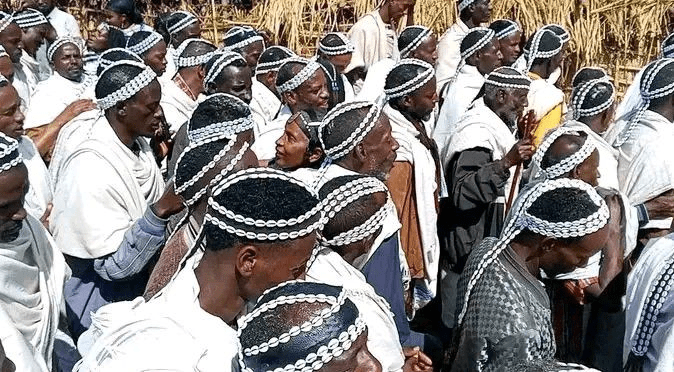
Understanding the foundational stage of one of the world’s oldest democratic governance systems
OROMIA, Ethiopia — In the rich tapestry of Oromo governance and culture, the Gadaa system stands as a remarkable indigenous democratic institution that has regulated the political, social, and religious life of the Oromo people for centuries. Recognized by UNESCO as Intangible Cultural Heritage of Humanity, this sophisticated system operates on an eight-year cycle, with leadership roles rotating among five distinct parties or grades .
At the very foundation of this system lies the first grade: Dabballee. The name itself carries profound meaning—it is the stage at which the journey toward leadership, responsibility, and community service begins .
Understanding Gadaa: A Brief Overview
Before exploring Dabballee, it is essential to understand the broader Gadaa system. This indigenous institution divides society into five age-based classes (known as Gogessa or Shanacha), each progressing through various grades over their lifetime. Leadership positions rotate every eight years between these classes, ensuring no single group holds power permanently and that governance remains participatory and accountable .
The system encompasses not only political leadership but also social organization, legal frameworks, cultural practices, and religious ceremonies. It is, in essence, the comprehensive framework through which Oromo society has traditionally organized itself .
Dabballee: The Foundational Grade
Dabballee represents the first grade in the Gadaa ladder, typically encompassing boys from birth until approximately eight years of age . During this stage, children are initiated into the Gadaa system through ceremonies that mark their formal entry into the Oromo social structure.
Key characteristics of the Dabballee grade:
- Age range: Typically from birth to approximately 8 years of age
- Status: Initiates who have entered the Gadaa system but have not yet assumed responsibilities
- Symbolic significance: Represents purity, potential, and the future of the Oromo nation
- Cultural education: Children in this grade begin learning Oromo traditions, language, and values
Ceremonies and Traditions
The entry into Dabballee is marked by important ceremonies that vary somewhat across different Oromo communities but share core elements. These rituals typically involve:
- The blessing of children by elders (Hayyoota)
- The symbolic marking of the child’s entry into the Gadaa structure
- Community gatherings that reinforce collective responsibility for raising the next generation
- Prayers for the children’s health, wisdom, and future contributions to the Oromo people
Elders play a crucial role in these ceremonies, passing on blessings and wisdom to the youngest members of the community. The involvement of elders underscores the intergenerational nature of the Gadaa system—knowledge and tradition flow from those who have completed the cycle to those just beginning their journey.
The Journey Through Gadaa Grades
From Dabballee, individuals progress through subsequent grades as they age, each with distinct responsibilities and privileges:
| Grade | Approximate Age | Role and Responsibilities |
|---|---|---|
| Dabballee | 0-8 years | Initial entry into system; cultural learning |
| Follee/Gamme | 8-16 years | Continued education; assisting elders |
| Qoondala | 16-24 years | Junior warriors; community service |
| Kuusaa | 24-32 years | Senior warriors; beginning of leadership training |
| Raaba Doorii | 32-40 years | Junior leadership; council participation |
| Gadaa | 40-48 years | Supreme leadership; governing the nation |
| Yuba I-III | 48-72+ years | Advisory roles; blessing and guiding |
Each stage builds upon the one before, with Dabballee providing the essential foundation upon which all later development rests.
Cultural Significance
The Dabballee grade embodies several core Oromo values:
Continuity: By initiating children into the system from birth, Oromo society ensures that each new generation inherits the cultural and political traditions of those who came before. Dabballee represents the unbroken chain linking ancestors to descendants.
Collective responsibility: The community’s role in raising and initiating children reflects the Oromo principle that children belong not only to their biological parents but to the entire community. The proverb “Ijoolleen keenya ijoolluma keenya” (Children are our children) captures this ethos.
Potential and promise: Dabballee children represent the future of the Oromo nation. The community invests in them, blesses them, and hopes that they will grow to lead with wisdom and integrity.
Equality: All Oromo children, regardless of family background, enter the Gadaa system through Dabballee. This foundational equality reflects the democratic principles that characterize the system at all levels.
Contemporary Relevance
While the full Gadaa system operates most comprehensively in certain Oromo communities, particularly among the Borana and Guji, its principles and grades—including Dabballee—continue to shape Oromo identity and values even among those living in urban areas or diaspora .
For Oromos worldwide, understanding grades like Dabballee provides connection to cultural roots and a framework for thinking about human development, leadership, and community responsibility. The system’s emphasis on age-based progression and regular leadership rotation offers insights that remain relevant for contemporary governance discussions.
Dabballee and Oromo Identity
The first grade of the Gadaa system holds special significance for Oromo identity formation. It is at this stage that children first learn who they are as Oromos—their language, their history, their responsibilities to community, and their place within a vast social structure that spans generations.
For Oromo communities in the diaspora, maintaining awareness of the Dabballee grade and its meaning helps preserve cultural continuity across geographic distance. Parents who may never have participated in formal Gadaa ceremonies themselves still invoke its principles and values in raising their children.
A UNESCO-Recognized Heritage
UNESCO’s 2016 inscription of the Gadaa system on the Representative List of the Intangible Cultural Heritage of Humanity brought international attention to this remarkable indigenous institution . The recognition highlighted not only the system’s sophistication but also its continuing relevance for contemporary discussions about democratic governance, intergenerational equity, and cultural preservation.
Within this recognized heritage, Dabballee holds a special place as the entry point—the grade through which every Oromo who participates in the system must pass, and the stage at which the values and traditions of Gadaa are first instilled.
Conclusion
Dabballee, the first grade of the Gadaa system, represents far more than an age category. It embodies the Oromo people’s commitment to raising children with intention, their belief in the potential of each new generation, and their understanding that leadership is not born but developed over time through careful preparation and community support.
As the Oromo people continue to navigate the challenges of the 21st century—in Ethiopia and across the global diaspora—the wisdom embedded in the Gadaa system, beginning with Dabballee, offers guidance. It reminds us that strong communities invest in their youngest members, that leadership requires lifelong preparation, and that the future depends on how we raise and honor our children today.
Dabballee—where the journey begins, and where the future of Oromia takes its first steps.

Honoring Community Support: Guji Attire Gifted in Southern Oromia
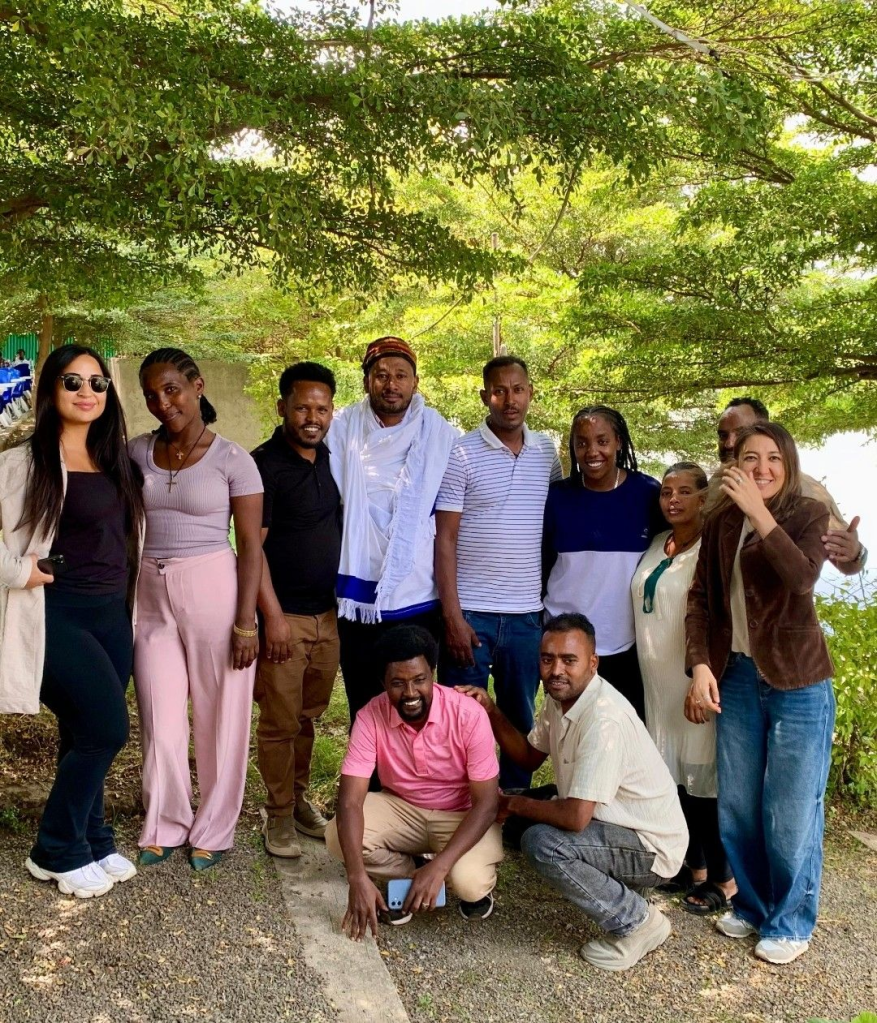
Recognition reflects deep appreciation for meaningful contributions to community development and cultural preservation
SOUTHERN OROMIA — In a heartfelt testament to the power of dedicated support, an individual whose contributions have significantly advanced operations in Southern Oromia has been honored with the prestigious gift of traditional Guji cultural clothing—a mark of outstanding respect and recognition from the local community .
Over the past six months, this meaningful supporter has played a vital role in various initiatives across Southern Oromia, earning not only the gratitude but also the deep admiration of those whose lives have been touched by their efforts. The recognition ceremony, marked by the presentation of exquisite Guji cultural attire, symbolized the community’s acknowledgment of contributions that go beyond material assistance to embrace genuine partnership and respect.
A Legacy of Cultural Appreciation
The Guji people, part of the larger Oromo nation, have a rich cultural heritage expressed through distinctive traditional clothing, ceremonies, and social structures. The presentation of Guji cultural clothes to a non-Guji or diaspora supporter represents far more than a ceremonial gesture—it signifies full acceptance, deep gratitude, and the honoring of someone who has demonstrated unwavering commitment to the community’s wellbeing .
Traditional Guji attire is characterized by vibrant colors, intricate patterns, and symbolic elements that carry deep cultural meaning. The clothing is typically reserved for elders, leaders, and those who have earned the community’s highest respect through years of service or exceptional contribution. Bestowing such attire upon a supporter reflects the community’s judgment that this individual has earned a place of honor within their social fabric.
Six Months of Meaningful Support
The achievements recognized span a six-month period during which the supporter contributed significantly to Southern Oromia operations. While specific operational details may remain confidential due to the sensitive nature of work in the region, the impact has been substantial enough to warrant this extraordinary recognition.
Community members and colleagues describe the supporter’s approach as characterized by:
- Genuine partnership: Working alongside local communities rather than imposing external solutions
- Cultural respect: Taking time to understand and honor local traditions and values
- Sustainable impact: Focusing on initiatives that create lasting benefits rather than temporary relief
- Humility: Approaching support as a learning opportunity and privilege rather than charity
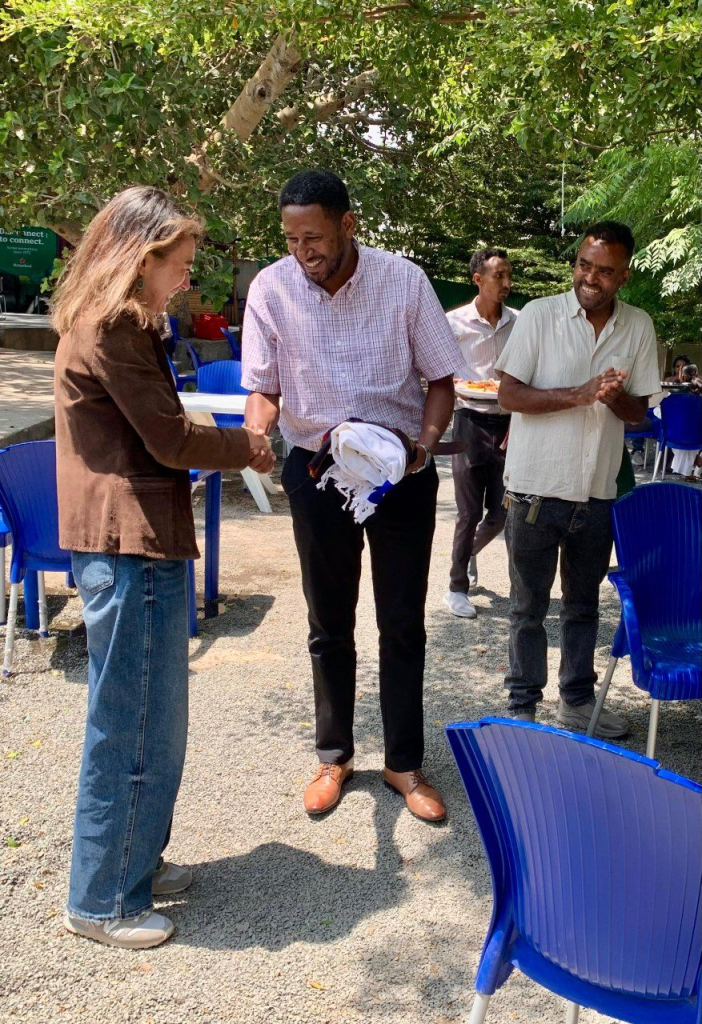
One local elder noted: “This is not someone who came to teach us or to save us. This is someone who came to walk with us, to learn from us, and to help us achieve what we already knew we needed. That is why we honor them today.”
The Significance of Cultural Recognition
In Oromo and particularly Guji tradition, clothing carries profound symbolic weight. The act of presenting traditional attire to an outsider or returnee represents a form of adoption—a declaration that this person is no longer a visitor or supporter but has become part of the community in a deep and lasting way .
For the recipient, wearing the Guji cultural clothes represents both an honor and a responsibility. It signifies that they are now expected to continue their support with even greater commitment, to serve as an ambassador for Guji and Oromo culture, and to maintain the relationships they have built over these six months.
Outstanding Respect: What It Means
The phrase “outstanding respect” in the recognition is not casual language. In Oromo society, respect (kabaja) is carefully calibrated and deliberately expressed. Outstanding respect—the kind that warrants ceremonial recognition and the gift of cultural clothing—is reserved for those who have demonstrated exceptional character, commitment, and contribution .
For this supporter, the respect shown reflects multiple dimensions of their engagement:
- Respect for the people: Treating community members with dignity and genuine care
- Respect for culture: Approaching traditions with humility and willingness to learn
- Respect for struggle: Understanding and honoring the historical and ongoing challenges facing the Oromo people
- Respect for partnership: Working as an equal rather than a savior
Community Response
The recognition ceremony drew community members from across Southern Oromia, including elders, local leaders, youth representatives, and women’s group organizers. Many spoke of the supporter’s willingness to listen, to learn, and to adapt their support based on community feedback.
One community member shared: “We have seen many people come to help. Some bring money and leave. Some bring ideas and tell us what to do. This one brought themselves—their time, their attention, their heart. They asked us what we needed and then helped us get it. That is why we honor them today.”
Another added: “The clothes we gave are not just cloth. They are our history, our identity, our love. When we put these clothes on someone, we are saying: you are one of us now. You belong to us, and we belong to you.”
Looking Forward
As this supporter enters the next phase of their engagement with Southern Oromia, they do so carrying both the honor of recognition and the responsibility it entails. The Guji cultural clothes they received are not merely a reward for past achievement but a call to continued commitment.
For the broader community, this recognition serves as a model of what meaningful partnership can look like: rooted in respect, sustained over time, and focused on genuine collaboration rather than top-down assistance.
A Message to Supporters Everywhere
The story of this recognition carries a message for all who seek to support communities in need: that the most meaningful contributions are those made with humility, cultural respect, and genuine partnership. It reminds us that communities are not merely recipients of aid but active agents in their own development, and that those who approach them as equals will find themselves welcomed not just as supporters but as family.
As one elder concluded: “May this story encourage others to come to us the same way—with open hearts, willing ears, and hands ready to work alongside us. That is how real change happens. That is how we all become family.”
Congratulations to the honored supporter. May your work continue, and may the bonds formed over these six months deepen and flourish in the years ahead.

Harmonizing Oromo Culture and Orthodox Faith During Lent
Abba Saamu’eel Jabeessaa emphasizes harmony between culture, identity, and religious observance during Great Lent
UNITED STATES — The Oromo people must live in harmony with their culture, identity, and faith, a prominent priest of the Ethiopian Orthodox Tewahedo Church has declared during a special interview with OMN. Abba Saamu’eel Jabeessaa, a globally recognized spiritual leader, made the remarks while discussing the observance of the Great Lent (Sooma Guddicha) among Orthodox faithful in the United States .
Speaking during an interview with Oromia Media Network (OMN), Abba Saamu’eel addressed the intersection of Oromo cultural identity and Orthodox Christian practice, emphasizing that the two are not mutually exclusive but can—and should—coexist harmoniously .
Observing Great Lent in America
The priest confirmed that followers of the Orthodox faith in the United States are actively observing the Great Lent, a period of fasting, prayer, and spiritual reflection leading to Easter. He noted that the faithful are celebrating the season with unity and devotion .
“When we honor this holy season, we do so by integrating our culture, values, and faith together,” Abba Saamu’eel stated. “The teachings of the church and the cultural identity of the Oromo people are not in opposition. They can walk together” .
Culture and Church Teaching: Finding Common Ground
Addressing questions about the relationship between Oromo cultural traditions and Orthodox Christian teachings, Abba Saamu’eel emphasized that there is no inherent conflict between the two. He noted that Oromo cultural values and church teachings can complement one another when properly understood .
However, he also acknowledged ongoing challenges within the Ethiopian Orthodox Tewahedo Church, particularly regarding the suppression of ethnic identity, culture, and language. He pointed out that some within the church continue to prioritize religious identity over ethnic identity, promoting a model that diminishes the cultural distinctiveness of Ethiopia’s diverse peoples .
“The problem of poor governance within the church—where religious identity is used to suppress the identity of nations and nationalities—must stop,” Abba Saamu’eel declared .
A Call to Good Works During Lent
The priest also used the occasion to remind the faithful of their spiritual obligations during the holy season. He emphasized that Lent is not merely about abstaining from food but about actively doing good works, helping those in need, and turning away from sin .
“During this fasting period, the community must engage in good deeds, support the needy, and pass the time in righteousness,” he urged .
Oromo Identity in the Diaspora
Abba Saamu’eel’s remarks carry particular significance for Oromo Orthodox Christians in the diaspora, who navigate questions of identity, faith, and cultural preservation in multicultural societies like the United States. For many, the challenge is maintaining both Oromo cultural identity and Orthodox Christian faith while living far from their homeland.
His message—that the two can coexist harmoniously—offers reassurance to Oromo faithful seeking to honor both their heritage and their religion without compromising either.
Broader Context: Identity and Faith in the Ethiopian Orthodox Church
The priest’s comments touch on a long-standing tension within the Ethiopian Orthodox Tewahedo Church, which encompasses diverse ethnic communities including Oromo, Amhara, Tigrayan, and many others. Historically, the church has been criticized by some for promoting Amhara cultural dominance and suppressing other ethnic identities .
Abba Saamu’eel’s acknowledgment of this problem—and his call for it to stop—represents a significant intervention from a prominent religious leader. His words suggest growing recognition within church circles that true unity requires respect for diversity, not its erasure .
A Message of Hope and Integration
For Oromo Orthodox Christians observing Great Lent in the United States and around the world, Abba Saamu’eel’s message offers both validation and guidance: validation that their cultural identity matters, and guidance on how to integrate it faithfully with their religious practice.
As one observer noted, the priest’s remarks affirm that “Oromo culture and Orthodox faith are not enemies. They are partners in shaping a people who know who they are and Whose they are.”
Looking Forward
As the Great Lent continues toward its conclusion with Easter celebrations, Abba Saamu’eel’s words will likely resonate throughout Oromo Orthodox communities in the diaspora and beyond. His call for harmony between culture and faith, his acknowledgment of past failures to respect ethnic identity, and his emphasis on good works during the holy season provide a framework for faithful observance that honors both heritage and religion.
In a world where identity questions grow increasingly complex, his message is clear: you do not have to choose between being Oromo and being Orthodox. You can be both—fully, faithfully, and with integrity.




 Advocacy for Oromia