Dabballee: The First Grade of the Gadaa System, Where Oromo Leadership Begins
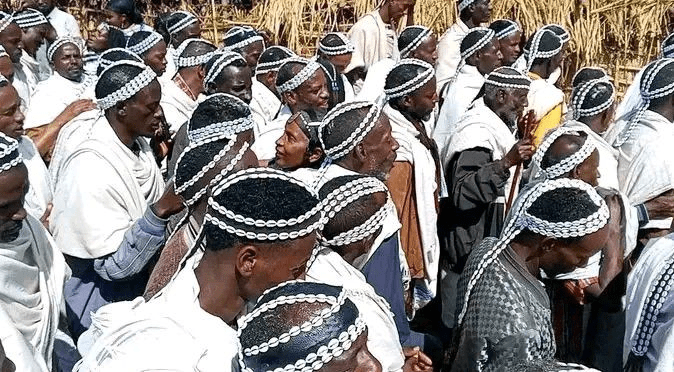
Understanding the foundational stage of one of the world’s oldest democratic governance systems
OROMIA, Ethiopia — In the rich tapestry of Oromo governance and culture, the Gadaa system stands as a remarkable indigenous democratic institution that has regulated the political, social, and religious life of the Oromo people for centuries. Recognized by UNESCO as Intangible Cultural Heritage of Humanity, this sophisticated system operates on an eight-year cycle, with leadership roles rotating among five distinct parties or grades .
At the very foundation of this system lies the first grade: Dabballee. The name itself carries profound meaning—it is the stage at which the journey toward leadership, responsibility, and community service begins .
Understanding Gadaa: A Brief Overview
Before exploring Dabballee, it is essential to understand the broader Gadaa system. This indigenous institution divides society into five age-based classes (known as Gogessa or Shanacha), each progressing through various grades over their lifetime. Leadership positions rotate every eight years between these classes, ensuring no single group holds power permanently and that governance remains participatory and accountable .
The system encompasses not only political leadership but also social organization, legal frameworks, cultural practices, and religious ceremonies. It is, in essence, the comprehensive framework through which Oromo society has traditionally organized itself .
Dabballee: The Foundational Grade
Dabballee represents the first grade in the Gadaa ladder, typically encompassing boys from birth until approximately eight years of age . During this stage, children are initiated into the Gadaa system through ceremonies that mark their formal entry into the Oromo social structure.
Key characteristics of the Dabballee grade:
- Age range: Typically from birth to approximately 8 years of age
- Status: Initiates who have entered the Gadaa system but have not yet assumed responsibilities
- Symbolic significance: Represents purity, potential, and the future of the Oromo nation
- Cultural education: Children in this grade begin learning Oromo traditions, language, and values
Ceremonies and Traditions
The entry into Dabballee is marked by important ceremonies that vary somewhat across different Oromo communities but share core elements. These rituals typically involve:
- The blessing of children by elders (Hayyoota)
- The symbolic marking of the child’s entry into the Gadaa structure
- Community gatherings that reinforce collective responsibility for raising the next generation
- Prayers for the children’s health, wisdom, and future contributions to the Oromo people
Elders play a crucial role in these ceremonies, passing on blessings and wisdom to the youngest members of the community. The involvement of elders underscores the intergenerational nature of the Gadaa system—knowledge and tradition flow from those who have completed the cycle to those just beginning their journey.
The Journey Through Gadaa Grades
From Dabballee, individuals progress through subsequent grades as they age, each with distinct responsibilities and privileges:
| Grade | Approximate Age | Role and Responsibilities |
|---|---|---|
| Dabballee | 0-8 years | Initial entry into system; cultural learning |
| Follee/Gamme | 8-16 years | Continued education; assisting elders |
| Qoondala | 16-24 years | Junior warriors; community service |
| Kuusaa | 24-32 years | Senior warriors; beginning of leadership training |
| Raaba Doorii | 32-40 years | Junior leadership; council participation |
| Gadaa | 40-48 years | Supreme leadership; governing the nation |
| Yuba I-III | 48-72+ years | Advisory roles; blessing and guiding |
Each stage builds upon the one before, with Dabballee providing the essential foundation upon which all later development rests.
Cultural Significance
The Dabballee grade embodies several core Oromo values:
Continuity: By initiating children into the system from birth, Oromo society ensures that each new generation inherits the cultural and political traditions of those who came before. Dabballee represents the unbroken chain linking ancestors to descendants.
Collective responsibility: The community’s role in raising and initiating children reflects the Oromo principle that children belong not only to their biological parents but to the entire community. The proverb “Ijoolleen keenya ijoolluma keenya” (Children are our children) captures this ethos.
Potential and promise: Dabballee children represent the future of the Oromo nation. The community invests in them, blesses them, and hopes that they will grow to lead with wisdom and integrity.
Equality: All Oromo children, regardless of family background, enter the Gadaa system through Dabballee. This foundational equality reflects the democratic principles that characterize the system at all levels.
Contemporary Relevance
While the full Gadaa system operates most comprehensively in certain Oromo communities, particularly among the Borana and Guji, its principles and grades—including Dabballee—continue to shape Oromo identity and values even among those living in urban areas or diaspora .
For Oromos worldwide, understanding grades like Dabballee provides connection to cultural roots and a framework for thinking about human development, leadership, and community responsibility. The system’s emphasis on age-based progression and regular leadership rotation offers insights that remain relevant for contemporary governance discussions.
Dabballee and Oromo Identity
The first grade of the Gadaa system holds special significance for Oromo identity formation. It is at this stage that children first learn who they are as Oromos—their language, their history, their responsibilities to community, and their place within a vast social structure that spans generations.
For Oromo communities in the diaspora, maintaining awareness of the Dabballee grade and its meaning helps preserve cultural continuity across geographic distance. Parents who may never have participated in formal Gadaa ceremonies themselves still invoke its principles and values in raising their children.
A UNESCO-Recognized Heritage
UNESCO’s 2016 inscription of the Gadaa system on the Representative List of the Intangible Cultural Heritage of Humanity brought international attention to this remarkable indigenous institution . The recognition highlighted not only the system’s sophistication but also its continuing relevance for contemporary discussions about democratic governance, intergenerational equity, and cultural preservation.
Within this recognized heritage, Dabballee holds a special place as the entry point—the grade through which every Oromo who participates in the system must pass, and the stage at which the values and traditions of Gadaa are first instilled.
Conclusion
Dabballee, the first grade of the Gadaa system, represents far more than an age category. It embodies the Oromo people’s commitment to raising children with intention, their belief in the potential of each new generation, and their understanding that leadership is not born but developed over time through careful preparation and community support.
As the Oromo people continue to navigate the challenges of the 21st century—in Ethiopia and across the global diaspora—the wisdom embedded in the Gadaa system, beginning with Dabballee, offers guidance. It reminds us that strong communities invest in their youngest members, that leadership requires lifelong preparation, and that the future depends on how we raise and honor our children today.
Dabballee—where the journey begins, and where the future of Oromia takes its first steps.

Posted on February 21, 2026, in News, Oromia, Press Release, Promotion. Bookmark the permalink. Leave a comment.




 Advocacy for Oromia
Leave a comment
Comments 0